
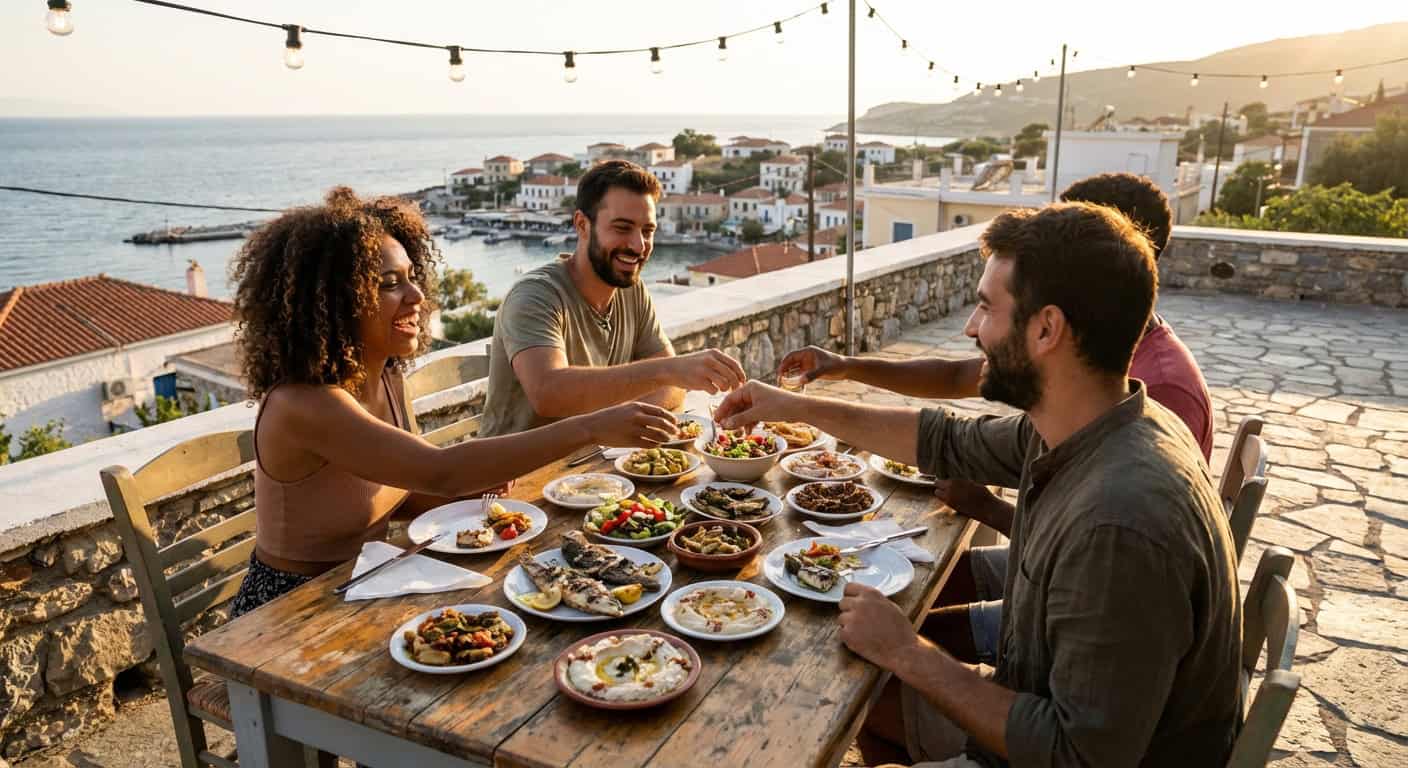
Food has always been a universal language. No matter where you travel, sharing a meal creates instant connections that transcend cultural barriers. If you’re looking to meet fellow travelers and locals while exploring the world, food experiences are your best tool.
Whether you’re a solo traveler seeking companionship or simply want deeper cultural immersion, this guide will show you how to use food as a bridge to meaningful connections. And with apps like HitchHive, you can find food-loving travelers nearby who want to share these experiences with you.
Why food is the best way to meet people while traveling
There’s something special about sharing a meal with strangers who become friends. Unlike forced small talk at hostels, food experiences create natural conversation. You’re both focused on something you love (eating well) and the shared experience gives you an instant connection point.
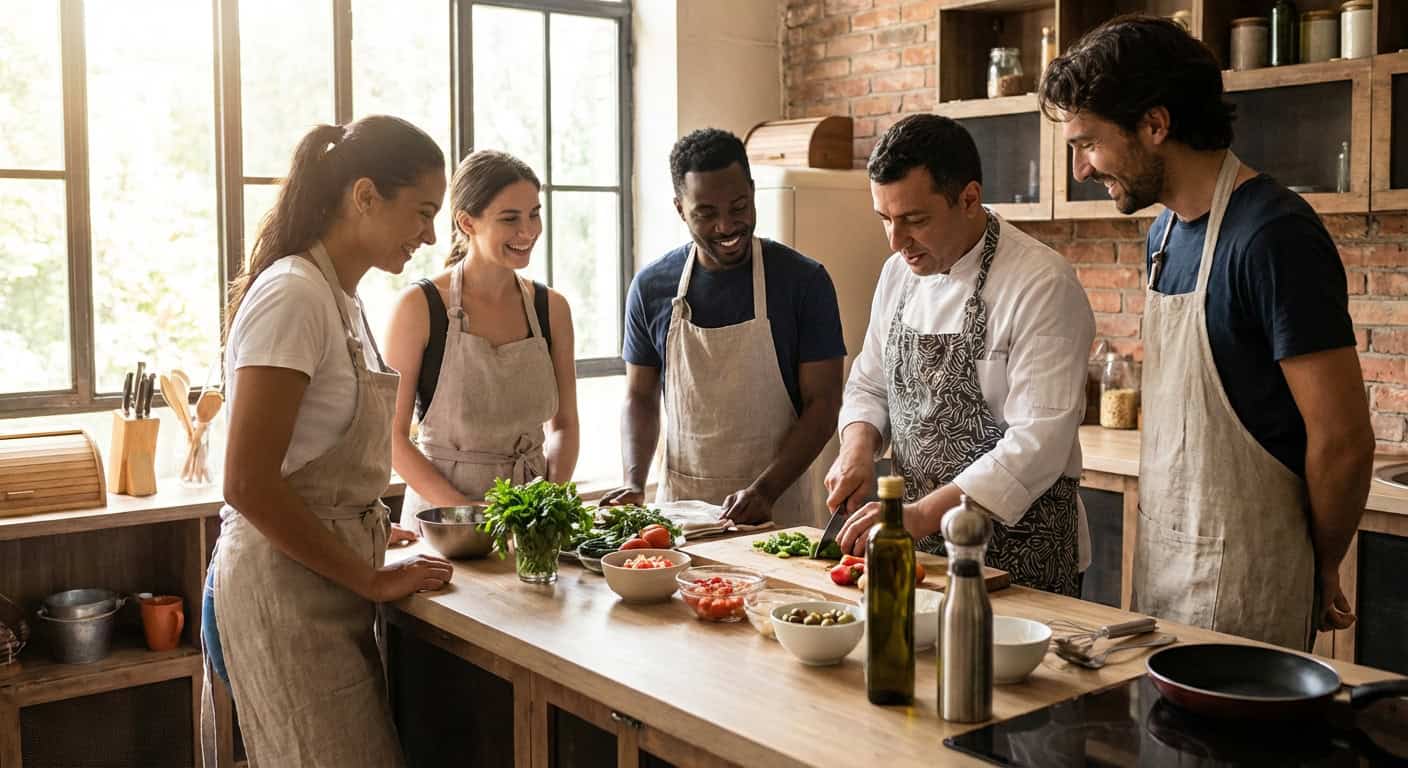
Food experiences also attract like-minded people. If you join a cooking class or food tour, everyone there shares at least one passion. This makes it much easier to find travel buddies who match your interests than random hostel encounters.
Plus, food experiences often involve locals. Unlike typical tourist activities, cooking classes, market tours, and street food crawls put you in direct contact with people who live in the destination. This creates shared experiences that make travel truly unforgettable.
Types of food experiences for meeting people
Not all food experiences are equal when it comes to social potential. Here are the best options ranked by their ability to help you connect with others.
Cooking classes
Cooking classes top the list for social travelers. You spend hours with a small group, working together, making mistakes, laughing, and ultimately eating what you’ve created. The intimate setting and collaborative nature make conversation inevitable.
Look for classes with 6-12 participants — large enough to meet several people, small enough for real interaction. Many classes include market visits where you shop for ingredients together, adding another bonding opportunity.
Solo travelers report that cooking classes are the single best way to make friends because the environment is naturally social and collaborative, unlike a walking tour where people mostly listen to a guide. The recipes and skills you learn become “souvenirs you use forever.”
Food tours
Walking food tours typically last 3-4 hours and visit 5-8 stops. You’ll eat together, walk together, and share opinions on everything you try. By the end, you’ve essentially had multiple shared meals with the same group.
The best food tours include local neighborhoods tourists rarely visit. This creates a sense of adventure and discovery that bonds the group together. Look for “neighborhood food walks” that visit multiple sit-down spots rather than “market tours” where you just stand around stalls — the sit-down format encourages more conversation.
Pro tip from experienced travelers: Book your food tour for the start of your trip so you can ask the guide for restaurant recommendations for the rest of your stay.
Market visits and street food
Exploring local markets is one of the best food experiences for meeting locals. Vendors are often happy to explain their products, share cooking tips, and recommend their favorites. The informal setting makes conversation easy and natural.
Street food stalls with shared seating create spontaneous social opportunities. When you’re elbow-to-elbow with strangers over steaming bowls of noodles, striking up conversation feels completely natural.
Hostel cooking and communal dinners
Many hostels organize communal dinners or have well-equipped kitchens perfect for group cooking. If you’re following hostel life best practices, you know that kitchen time is prime social time.
Consider organizing your own hostel dinner. Buy ingredients at a local market, cook a dish from home, and invite others to join. Nothing builds connections faster than sharing home cooking in a foreign land.
Finding authentic food experiences
Experienced food travelers have developed strategies for finding genuine food experiences rather than tourist traps:
The “uniformed personnel” trick
Ask uniformed locals — police officers, firefighters, construction workers — where they eat lunch. They know the best affordable, authentic spots nearby.
Google Maps “sort by new”
Instead of looking at overall ratings (which may be inflated by old reviews), sort reviews by “New.” If recent reviews are in the local language, the place likely serves locals.
The “no English menu” rule
If the menu is on the wall and only in the local language, walk in. Tourist restaurants have menus in multiple languages; local gems often do not.
Follow workers at lunchtime
Office workers know where the quality is and prices are honest. Follow them at lunch to discover authentic neighborhood spots.
Best destinations for food-focused social travel
Some cities are simply better for meeting people through food. Chengdu, for example, has a street food culture that naturally brings people together over shared hotpot and spicy noodles. They have strong food cultures, welcoming locals, and plenty of organized food experiences. Check out our top cities for culinary travel for detailed recommendations.
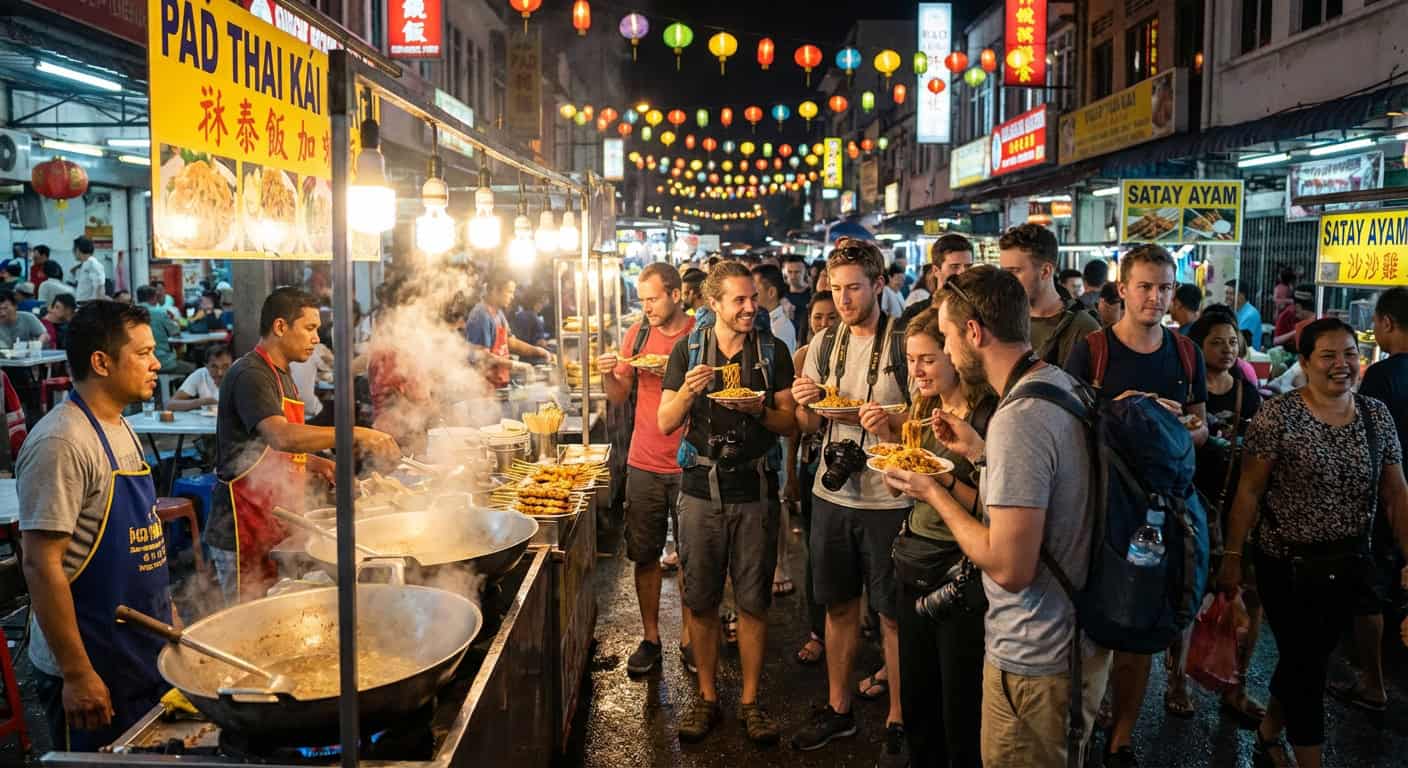
In general, look for destinations with:
- Strong street food cultures, where communal eating spaces create natural meeting points
- Cooking class availability, since popular tourist destinations usually have multiple options
- Local food markets, which indicate a food-focused culture
- Affordable dining that makes spontaneous social eating accessible
Southeast Asia excels in all these areas. Beyond the well-known food capitals, there are incredible hidden gems in Southeast Asia with food scenes that rival the tourist hotspots, which is why our Southeast Asia backpacking guide emphasizes food as a major highlight. Cities like Bangkok, Hanoi, and Penang offer endless opportunities for food-based connections.
Home cooking experiences: the deepest connections
The most immersive food experience is cooking in someone’s home. Platforms like Airbnb Experiences, Traveling Spoon, and EatWith offer home cooking classes where local families teach traditional recipes in their own kitchens.
These experiences feel less like tours and more like visiting friends. You see how locals actually live, learn family recipes passed down through generations, and share a meal at their table. The intimacy creates connections that commercial cooking schools cannot match.
For destinations like Cuba where restaurant food can be bland, staying in casa particulares (private homestays) and having hosts cook for you is often the best food you will eat in the country.
How to find food-loving travel companions
Finding people who share your passion for food travel requires some strategy. Here’s how to connect with travel buddies who love food as much as you do.
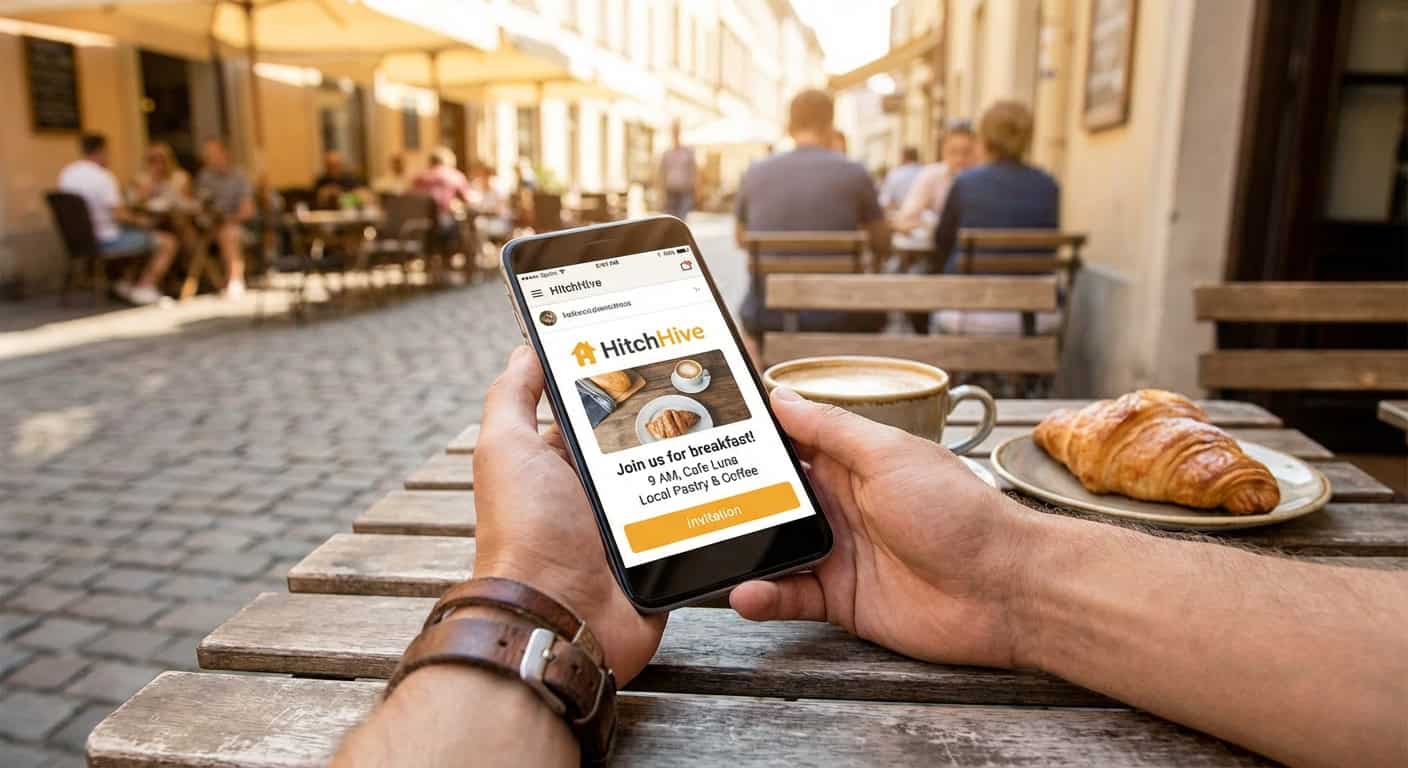
Use HitchHive‘s activity feature
HitchHive lets you create and join activities with nearby travelers. Post a food-focused activity like “Market exploration and cooking tonight” or “Street food crawl at 7pm” and connect with fellow foodies instantly.
The app’s location-based discovery means you’re connecting with people who are actually nearby and available, not just planning trips months in advance. This spontaneity is perfect for food experiences that work best when decided day-of based on mood and weather.
Join food-focused group tours
Many travelers book food tours solo, making them perfect for meeting people. You don’t need to know anyone beforehand — the shared experience creates instant camaraderie.
Pro tip: Book popular tours a day or two in advance. Same-day bookings often have fewer participants, reducing your social opportunities.
Stay at social accommodations
Choose hostels known for their communal kitchens and social atmospheres. Some hostels organize regular cooking events or have staff who facilitate group dinners. These are great for food-focused social travelers.
The best cities for solo travelers typically have excellent hostel scenes with strong food cultures.
Making the most of food experiences
To maximize your chances of making lasting connections through food, follow these principles:
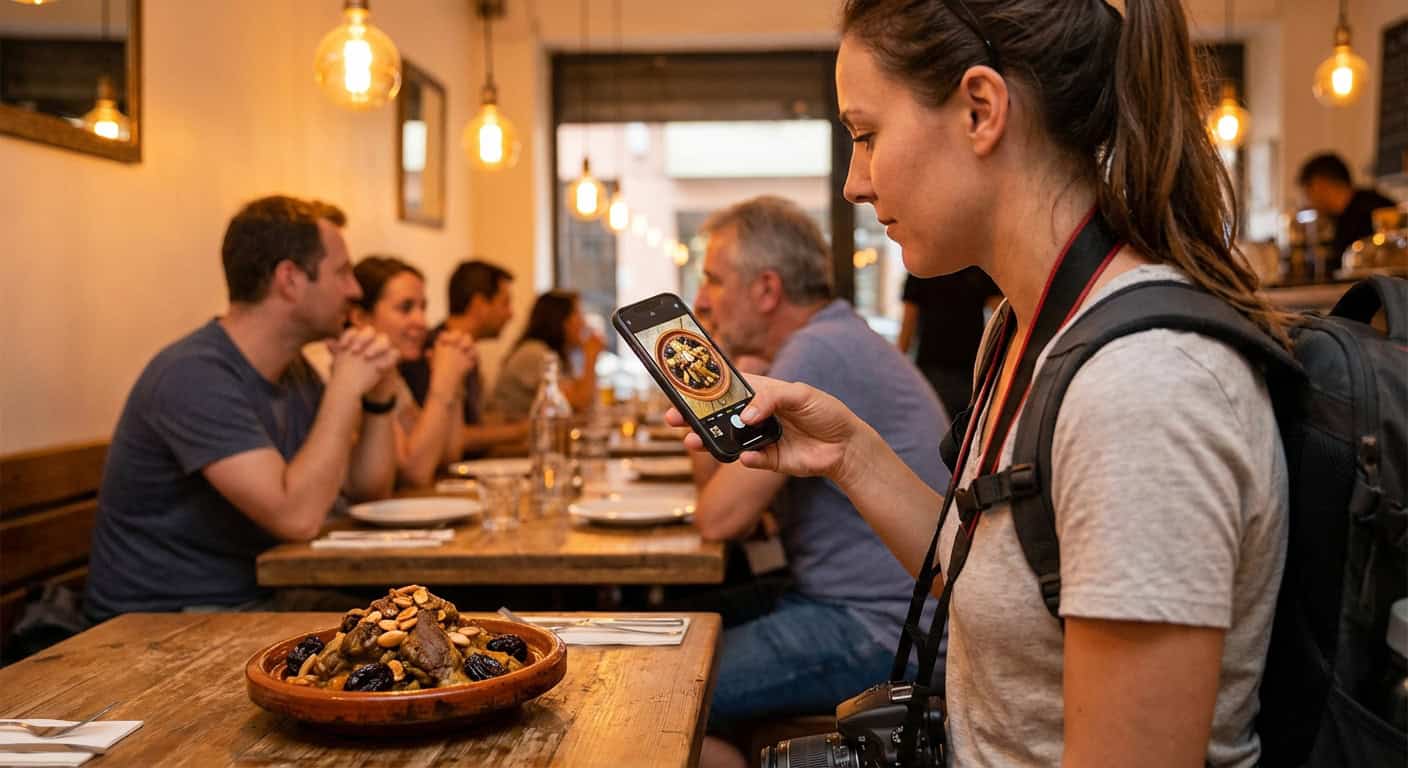
Be genuinely curious. Ask questions about what you’re eating, how it’s prepared, and what it means to local culture. Curiosity is attractive and creates conversation.
Share your own food stories. Talk about dishes from home, memorable meals from other travels, or your cooking experiments. Reciprocal sharing builds connection.
Suggest continuing the experience. If you click with someone during a food tour or cooking class, suggest grabbing drinks afterward or exploring another food spot together. The initial activity is just the start.
Exchange contacts before leaving. Get HitchHive profiles or social media before the experience ends. It’s easy to say “we should meet up again” but without contact info, it rarely happens.
Safety considerations
Meeting people through food is generally safe because it happens in public settings, but standard travel safety practices still apply. When meeting individuals rather than joining organized tours, always meet in public places first.
If using apps like HitchHive to find food companions, take time to vet potential travel companions before meeting. Check profiles, read reviews from other travelers, and trust your instincts.
Beyond the meal: building lasting connections
The best part about meeting people through food is that these connections often last beyond the initial meal. Shared food experiences create strong memories that form the foundation for ongoing friendships.
Many travelers report that friends made over cooking classes or food tours become lifelong connections. There’s something about preparing and eating food together that creates bonds deeper than typical travel friendships.
Whether you prefer group travel or solo travel, food experiences offer flexibility. You can join group activities when you want company and explore independently when you need solitude.
Start your food travel journey
Food travel is about more than tasting new flavors. It’s about the people you share those flavors with. By intentionally seeking food experiences that bring people together, you turn ordinary meals into memorable ones.
Download HitchHive to find food-loving travelers in your destination. Create an activity around your next food adventure and see who joins. Your next great travel friendship might be waiting at the next street food stall.
The world is full of delicious food and interesting people. With the right approach, you can enjoy both at the same time.
Continue Your Journey
Ready to go further? These guides will help you take the next step:
- Stay Productive While Traveling — Balance your food adventures with remote work productivity
- The Complete Backpacking Guide — Combine budget backpacking with world-class food experiences
- Building Community on the Road — Use food as the foundation for lasting travel friendships
- Things to Do in Da Nang for Digital Nomads — Da Nang’s food scene, from Mi Quang to street-side Banh Xeo, is reason enough to visit
- Chengdu Food Guide — Sichuan hotpot, dan dan noodles, and the best street food in western China
Leave a Reply