
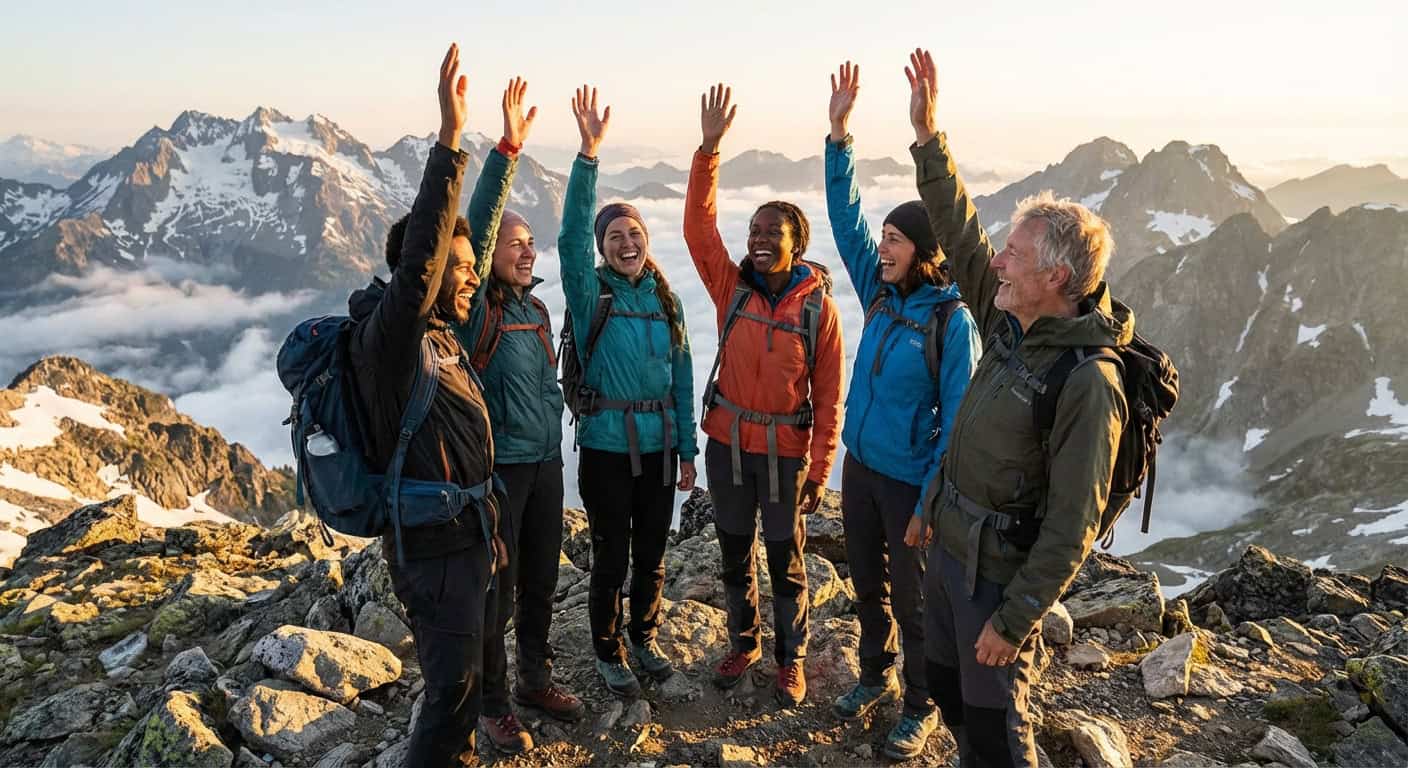
Adventure travel is about more than adrenaline. It’s about the people you share those intense moments with. Whether you’re rappelling down a waterfall in Costa Rica, trekking to Everest Base Camp, or diving with manta rays in Bali, having the right companions transforms a good trip into one you’ll remember for years.
But finding like-minded adventure partners isn’t always easy. Your friends might not share your enthusiasm for 6 AM summit attempts, and traveling solo into remote wilderness areas raises legitimate safety concerns. This guide covers everything you need to know about adventure travel and how to find the right partners for your next trip.
What is adventure travel (and why it’s better with others)
Adventure travel goes beyond typical sightseeing. It involves physical activity, cultural immersion, and often an element of challenge or risk: hiking remote trails, scuba diving, rock climbing, surfing, or multi-day treks through wilderness areas.
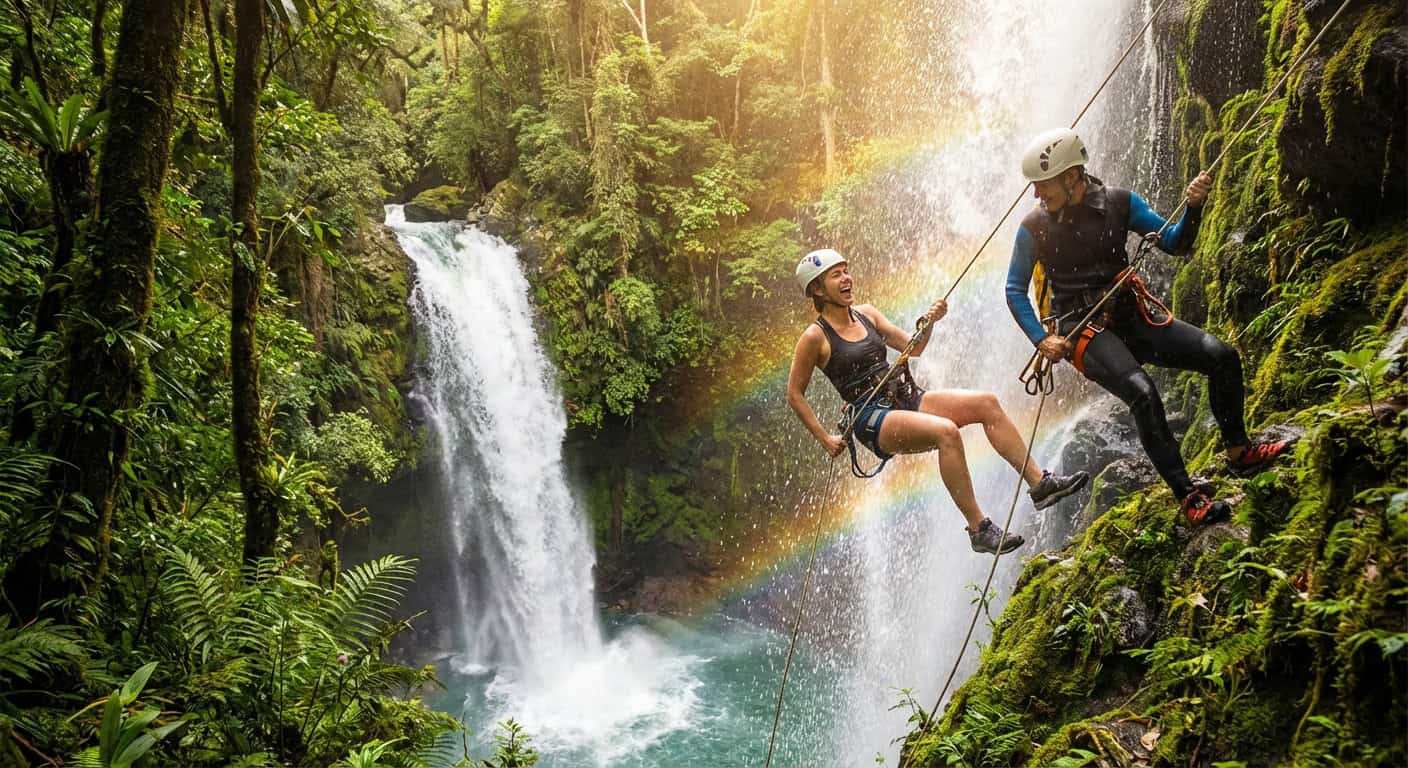
While some travelers thrive on solo adventures, sharing these experiences adds another dimension. As one Reddit user put it: “Shared struggle is the fastest bonding agent.” When you summit a mountain together, survive a white-water rafting trip, or navigate a foreign country as a team, you forge connections that last far beyond the trip itself.
Adventure partners also provide practical benefits: splitting costs on guides and equipment, having someone to watch your gear, and the safety net of not being alone in remote areas. For activities like diving or climbing, having a reliable buddy isn’t just nice, it’s a safety requirement.
Types of adventure activities
Water adventures include scuba diving, surfing, kayaking, snorkeling, and white-water rafting. For water lovers, island hopping through Southeast Asia combines many of these. For world-class canyoneering and diving, the adventures in Cebu are hard to beat. These activities often have built-in social structures: dive boats pair solo divers together, and surf camps create communities around the shared goal of catching waves.
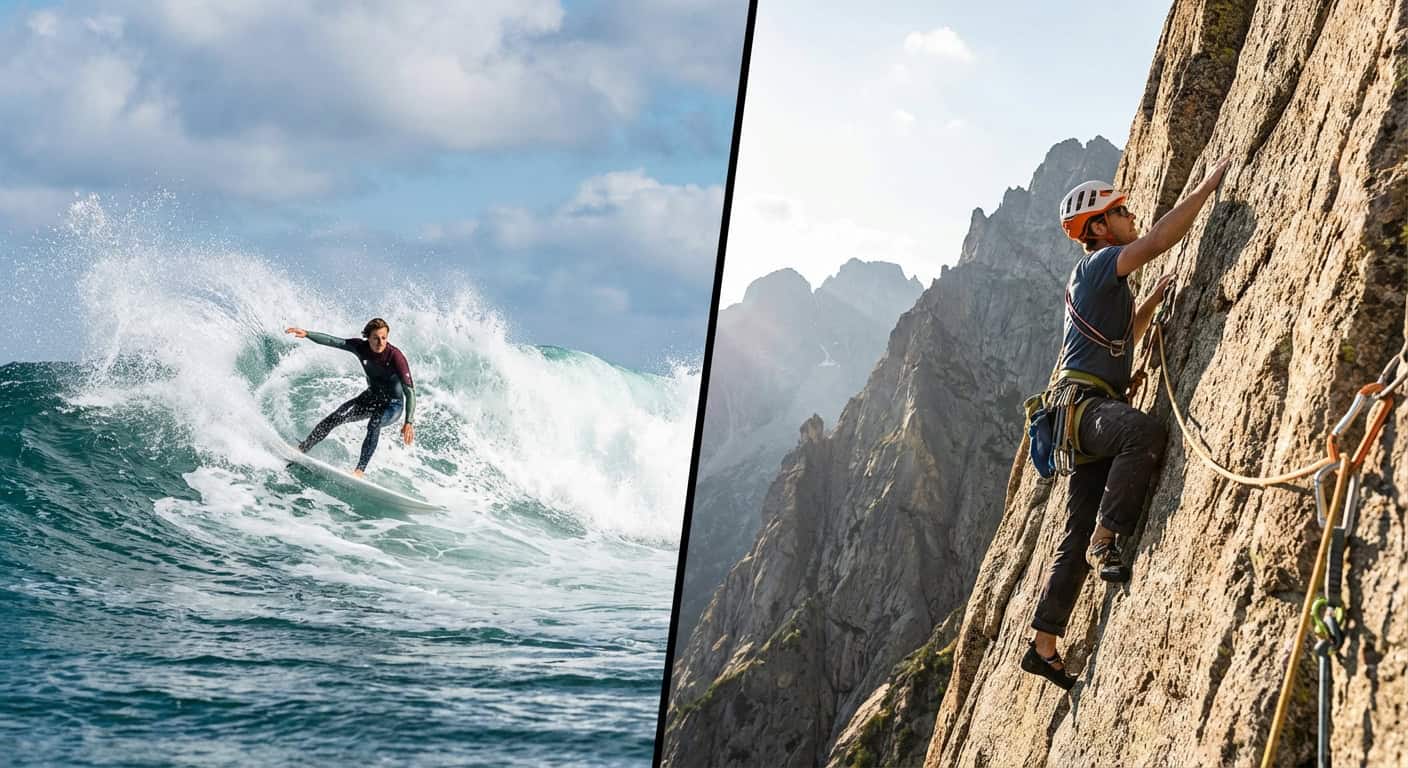
Mountain adventures range from day hikes to multi-week expeditions. Trekking, climbing, via ferrata, and mountaineering all benefit from having partners for safety, navigation, and the simple joy of sharing spectacular views. The day trips from Chengdu to sacred mountains like Emeishan and the Leshan Giant Buddha are perfect examples of mountain adventures worth sharing.
Adrenaline activities like bungee jumping, skydiving, and paragliding are often done through organized operators where you’ll meet fellow thrill-seekers (see Medellín’s incredible paragliding and adventure scene). These high-energy experiences make it easy to connect with other travelers.
Wildlife experiences including safaris, whale watching, and jungle treks typically happen in small groups, making them good opportunities to connect with like-minded nature enthusiasts.
Why traveling with adventure partners improves the experience
The benefits of having adventure companions extend far beyond logistics. Shared experiences create stronger memories. You’ll have someone to laugh with about that time you both fell off the paddleboard, or to reminisce about the sunrise you watched from a mountain summit.
Partners also push you beyond your comfort zone. When you’re tempted to skip that early morning hike or turn back before the viewpoint, having someone alongside you provides motivation and accountability. Many travelers report that their most memorable adventures happened because a companion encouraged them to push through.
There’s also the practical matter of cost-sharing. Guides, rental equipment, private transport, and accommodation all become more affordable when split between two or more people. A private boat trip that seems extravagant alone becomes reasonable when the cost is divided.
How to find like-minded adventure travelers
The question most solo adventurers face is: where do I actually find these people? Based on advice from thousands of travelers, here are the most effective strategies:
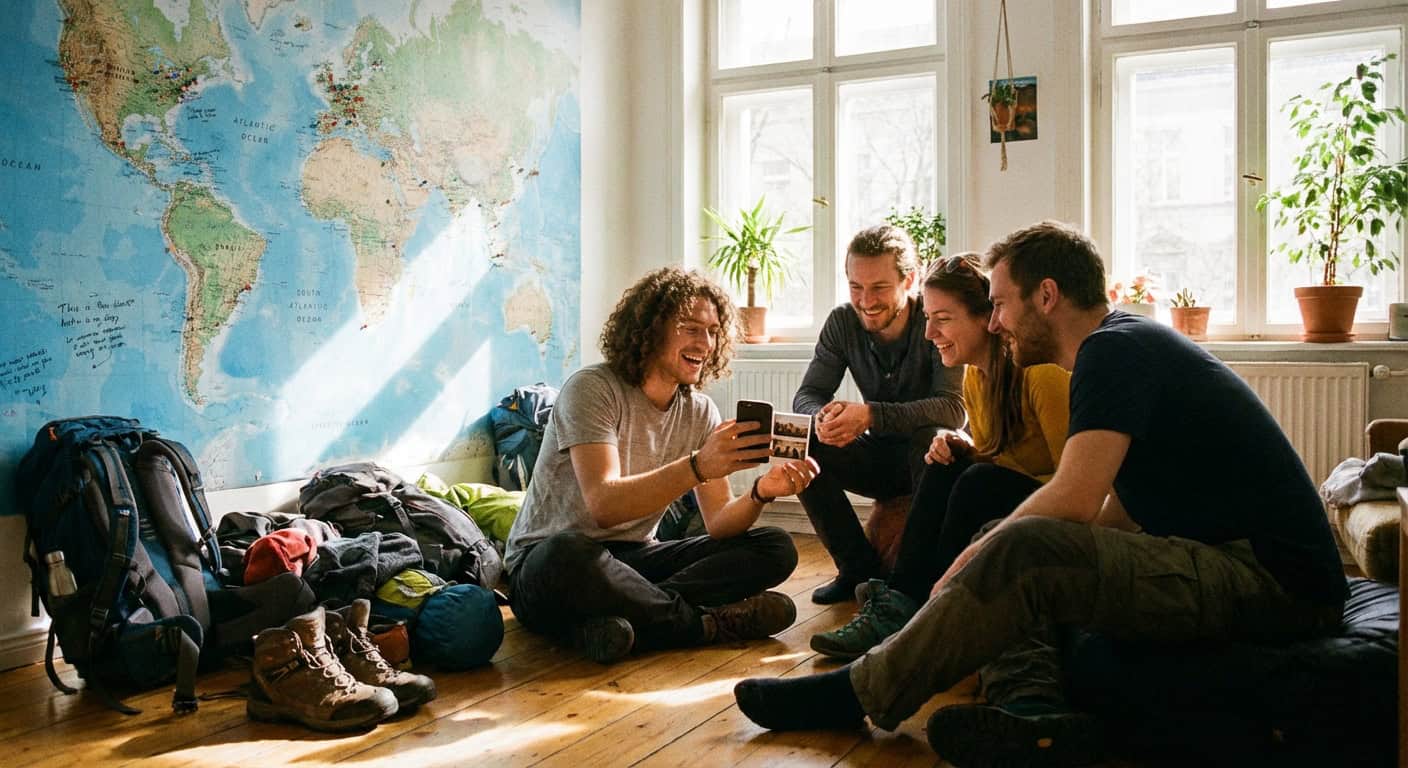
Stay in social hostels. Even if you’re past the “party hostel” phase, choosing accommodation with good common areas, communal kitchens, or family-style dinners creates natural opportunities to meet potential partners. Look for hostels described as “social but not crazy” in reviews. Simply asking “Anyone want to go hiking tomorrow?” in the common room often yields enthusiastic responses.
Join group tours for specific activities. Companies like G Adventures, Intrepid Travel, and Flash Pack cater specifically to solo travelers who want to experience adventures in a group setting. The “Active” tier tours attract fitter, more goal-oriented travelers focused on the activity rather than just sightseeing.
Use activity-specific communities. Facebook groups for hiking, diving, or climbing in your destination are great for finding partners. Post your specific plans (“Planning to hike [Trail Name] on [Date], moderate pace, looking for 1-2 partners”) and you’ll attract people who actually want to do that activity.
Apps and platforms like TripBFF, GAFFL, and Bumble BFF (set to your destination) connect travelers looking for companions. For women specifically, Travel Ladies and the Solo Female Traveler Network are highly recommended for finding safe, vetted adventure partners.
For a deeper look at finding compatible companions, check out our complete guide on how to find travel buddies.
Safety considerations for adventure activities with new people
Meeting strangers for adventure activities requires thoughtful vetting. The “test drive” approach is worth following: never commit to a multi-day trek or remote expedition with someone you just met online. Start with coffee, then a day hike, then perhaps a weekend trip. If you survive a weekend camping trip with no major conflicts, you’re probably compatible for bigger adventures.
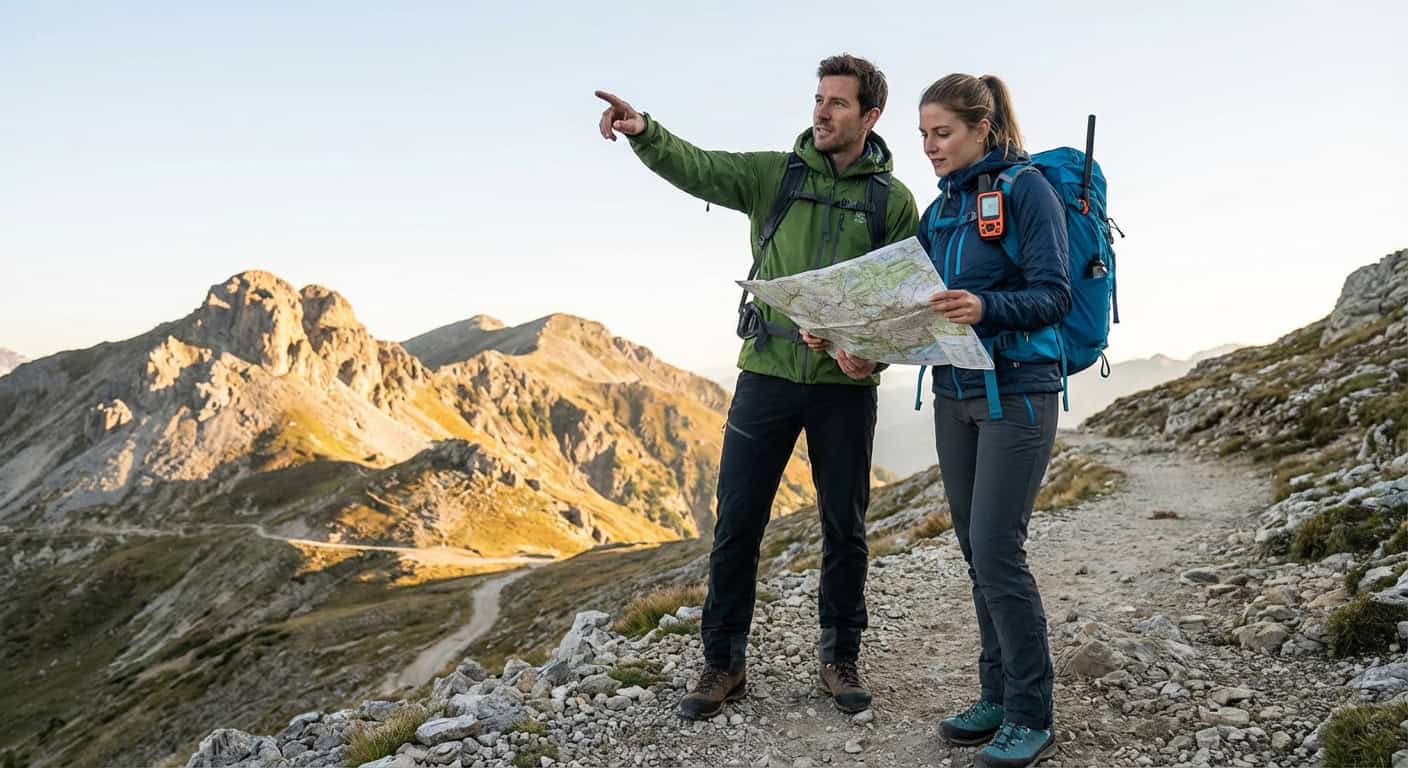
For wilderness activities, always share your itinerary with someone you trust and consider carrying a satellite communicator like a Garmin InReach. As one experienced hiker noted: “First hike is a public hike.” Choose popular, populated trails for initial meetups rather than remote backcountry.
Discuss expectations upfront: fitness level, pace, budget, drinking habits, and daily rhythm (early riser vs. night owl). Mismatched expectations cause more trip conflicts than anything else. Our guide on how to vet travel companions covers this in detail.
For comprehensive safety strategies, see our travel safety guide and solo female travel safety tips.
Using HitchHive to find adventure companions
HitchHive makes finding adventure partners straightforward. Our activity-based approach lets you post specific adventures (“Hiking the W Trek in Torres del Paine, March 15-20” or “Looking for dive buddy in Koh Tao”) and connect with travelers in over 80 city hives worldwide who share your interests.
Unlike generic travel apps, HitchHive focuses on what you want to do, not just where you’re going. Browse activities in your destination or create your own and let interested travelers come to you.
Planning group adventures: communication and expectations
Once you’ve found potential partners, clear communication prevents problems. Create a group chat (WhatsApp works globally) and discuss:
- Budget: agree on spending levels for accommodation, food, and activities
- Pace: are you rushing to hit every highlight or taking it slow?
- Flexibility: how will you handle disagreements or changes to plans?
- Independence: is it okay to split up for portions of the trip?
The best adventure groups understand that balancing group dynamics with personal freedom makes for happier travels. Build in solo time, respect different energy levels, and remember that the goal is shared enjoyment, not forced togetherness.
Start your adventure
Adventure travel with the right companions creates experiences you’ll carry with you long after you’re home. The summit views, the underwater encounters, the trail conversations: these moments become richer when shared with people who appreciate them as much as you do.
Ready to find your adventure crew? Create an activity on HitchHive and connect with travelers who want the same things you do. Your next adventure partner might be one post away.
Continue your journey
- How to Stay Productive While Traveling
- Building Your Nomad Community
- Solo Female Travel Safety Guide
- Things to Do in Chiang Mai — temples, jungle treks, and sticky waterfalls in Thailand’s adventure capital
- SE Asia Visa Runs and Border Crossings — Turn your visa runs into mini-adventures across Southeast Asia
- Day Trips from Chengdu — Giant pandas, sacred mountains, and ancient giant Buddhas within easy reach
Leave a Reply