
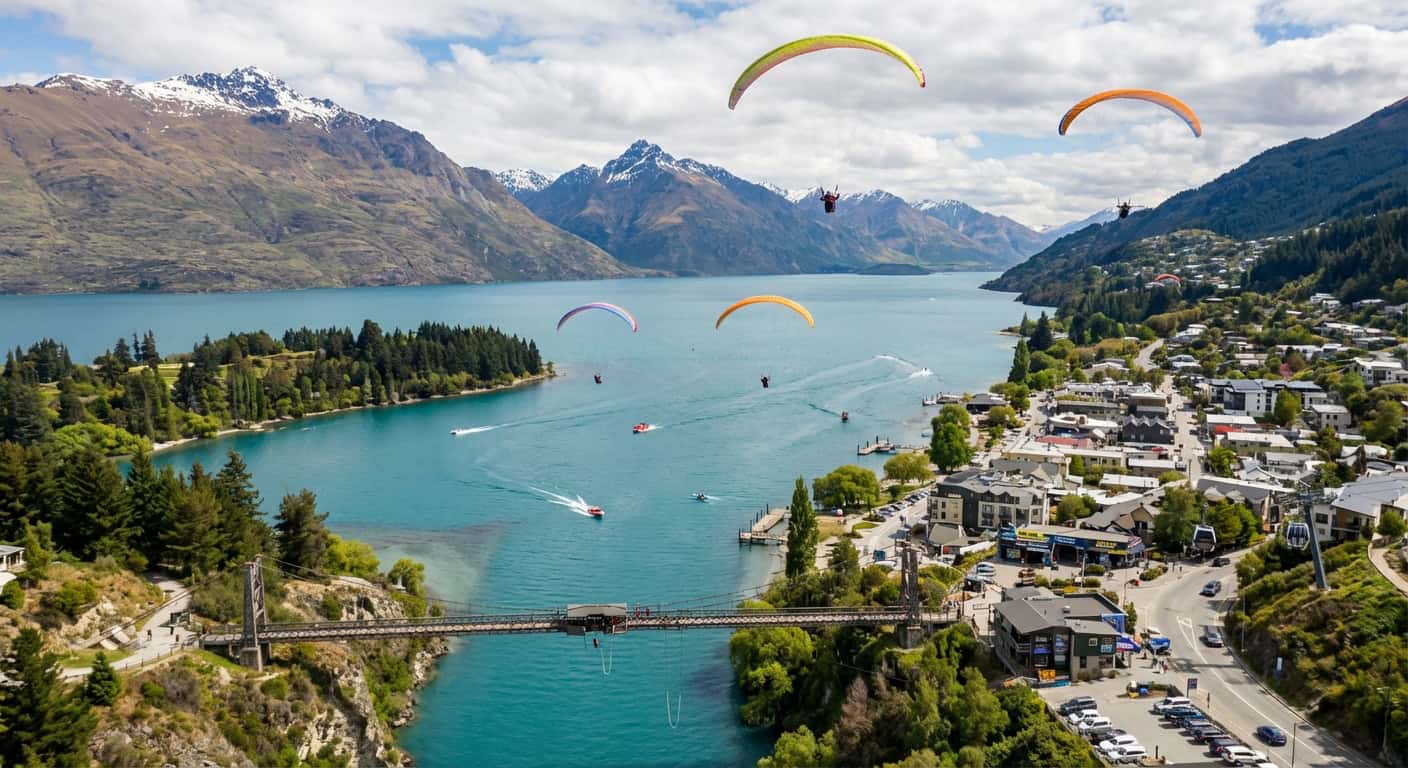
Some destinations attract adventure seekers like magnets. While the popular spots are well-known, the off the beaten path destinations in Southeast Asia often deliver the most authentic and uncrowded adventures. These places have the infrastructure, activities, and traveler culture that make meeting like-minded people almost effortless. Whether you’re into hiking, diving, climbing, or multi-sport adventures, these destinations offer world-class activities and built-in social scenes. For a taste of urban adventure mixed with island life, check out the best things to do in Manila.
Queenstown, New Zealand
Queenstown earned its “Adventure Capital of the World” nickname through sheer density of adventure options. Bungee jumping was commercialized here, and the list continues with skydiving, jet boating, canyon swinging, white-water rafting, and skiing in winter. More importantly for social travelers, the town’s compact size means everyone ends up at the same hostels, bars, and activity staging areas.
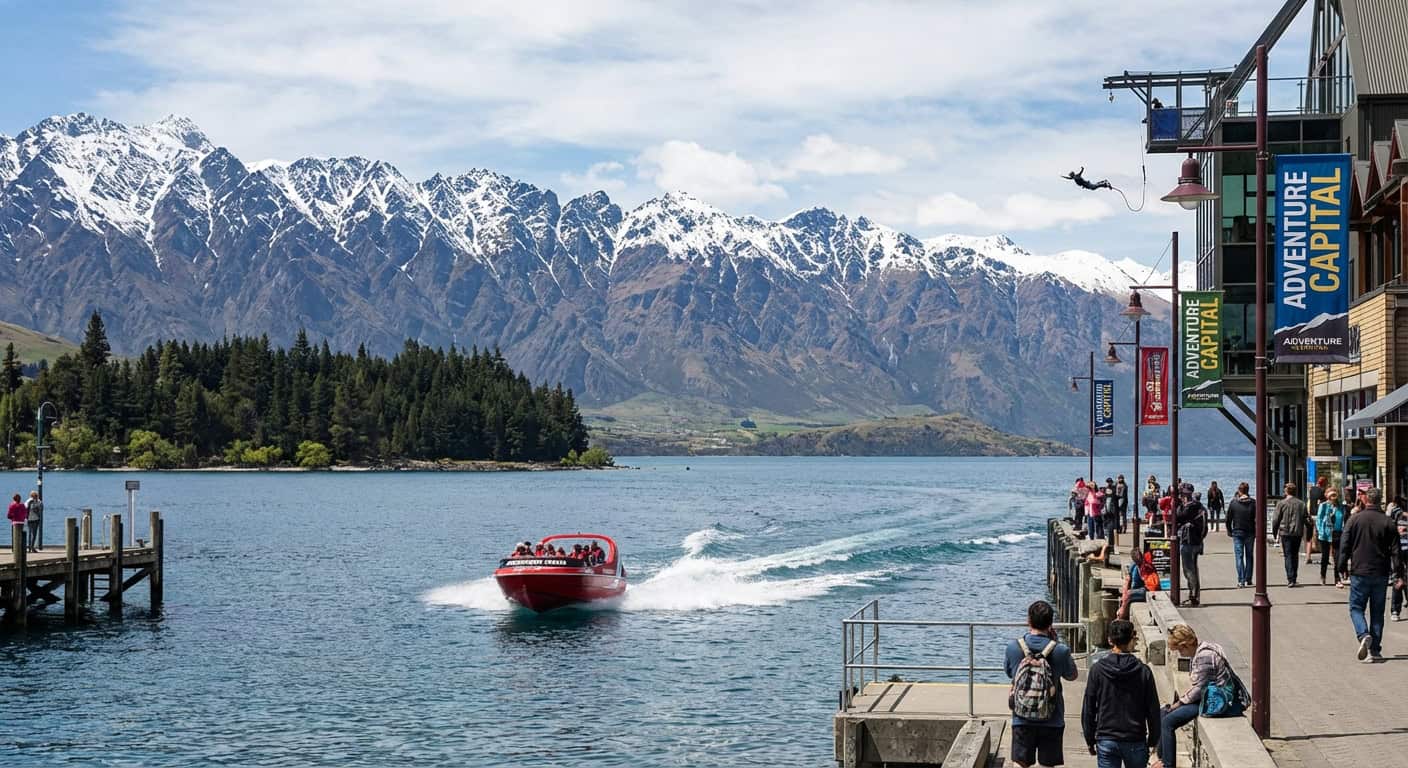
Hostels like Adventure Queenstown (Adventure Q2) and Nomads create instant communities. The climbing gym Basecamp is repeatedly mentioned as a welcoming hub for locals and travelers alike. Pub crawls like “Big Night Out” provide structured socializing for those who want it.
Don’t miss disc golf in Queenstown Gardens (a surprisingly social activity) or the TSS Earnslaw steamship cruise with communal dining. Chairlift conversations during ski season are a time-honored way to find riding buddies for the day.
Interlaken, Switzerland
Wedged between two lakes and surrounded by the Bernese Alps, Interlaken has paragliding with mountain backdrops, canyoning through glacier-carved gorges, and access to legendary hiking and skiing. The town has built an adventure tourism industry that caters specifically to international travelers.
Backpacker hostels in the town center are social by design, and many adventure operators run shared activities that group solo travelers together. The paragliding landing zone is a natural gathering spot where adrenaline-pumped travelers congregate.
The Jungfraujoch railway and hikes in the Lauterbrunnen Valley attract groups of travelers who often connect on the trains and trails.
Costa Rica
Costa Rica is often called “backpacking on easy mode” for good reason. The well-established tourism infrastructure, relative safety, and dense wildlife make it ideal for first-time adventure travelers. From waterfall rappelling in La Fortuna to surfing on both coasts, the country packs a lot of variety into a small area.
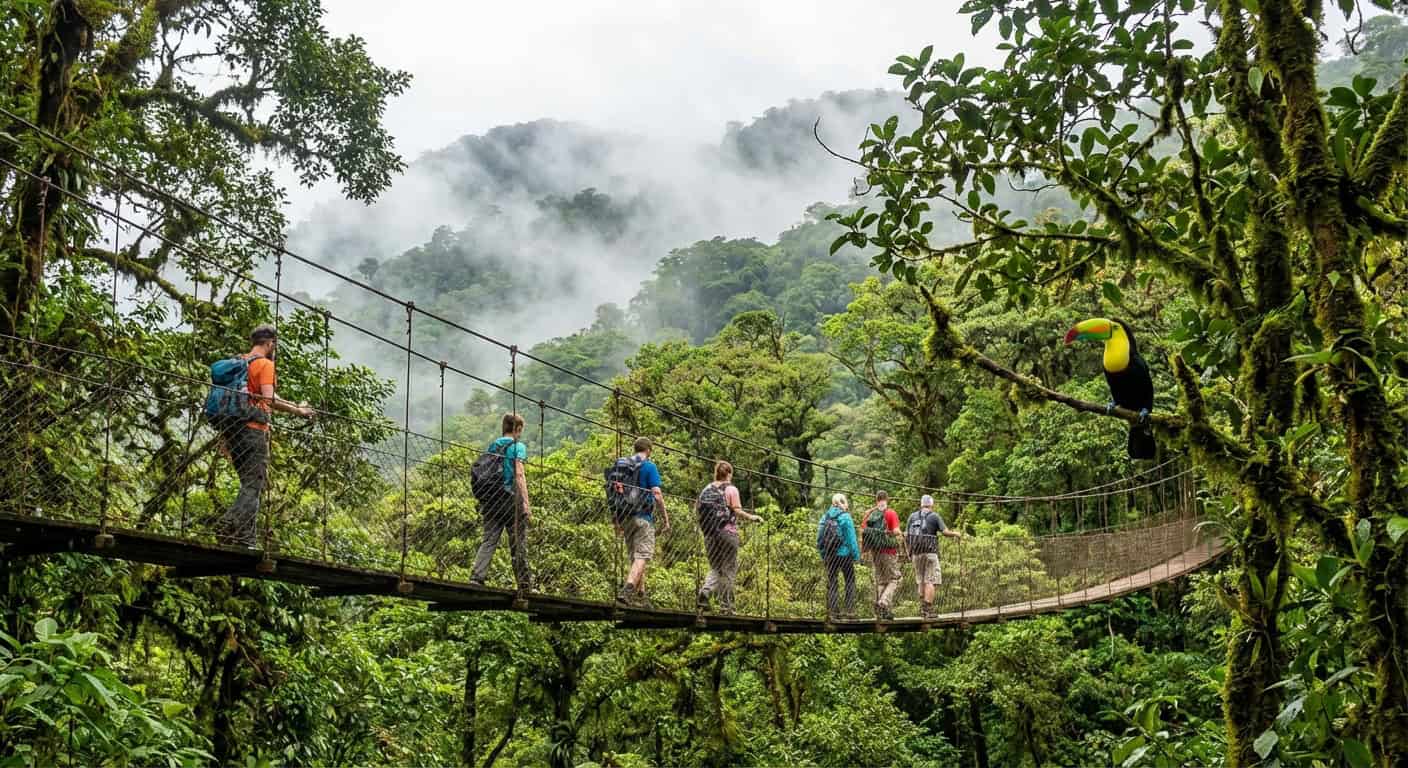
The “Gringo Trail” (La Fortuna, Monteverde, Manuel Antonio) concentrates travelers, making connections easy. Hostels like Selina properties and Rocking J’s (Puerto Viejo) are famous for their social atmospheres. Canyoning and white-water rafting trips create instant bonds through shared adventure.
The combination of adventure activities and wildlife experiences (sloths, monkeys, toucans) appeals to travelers with different interests, creating interesting group dynamics.
Nepal
For hiking-focused adventure travelers, Nepal is unrivaled. The Everest Base Camp trek, Annapurna Circuit, and countless other routes draw serious trekkers from around the world. The teahouse trekking system, where you stay in lodges rather than camp, makes meeting fellow hikers unavoidable.
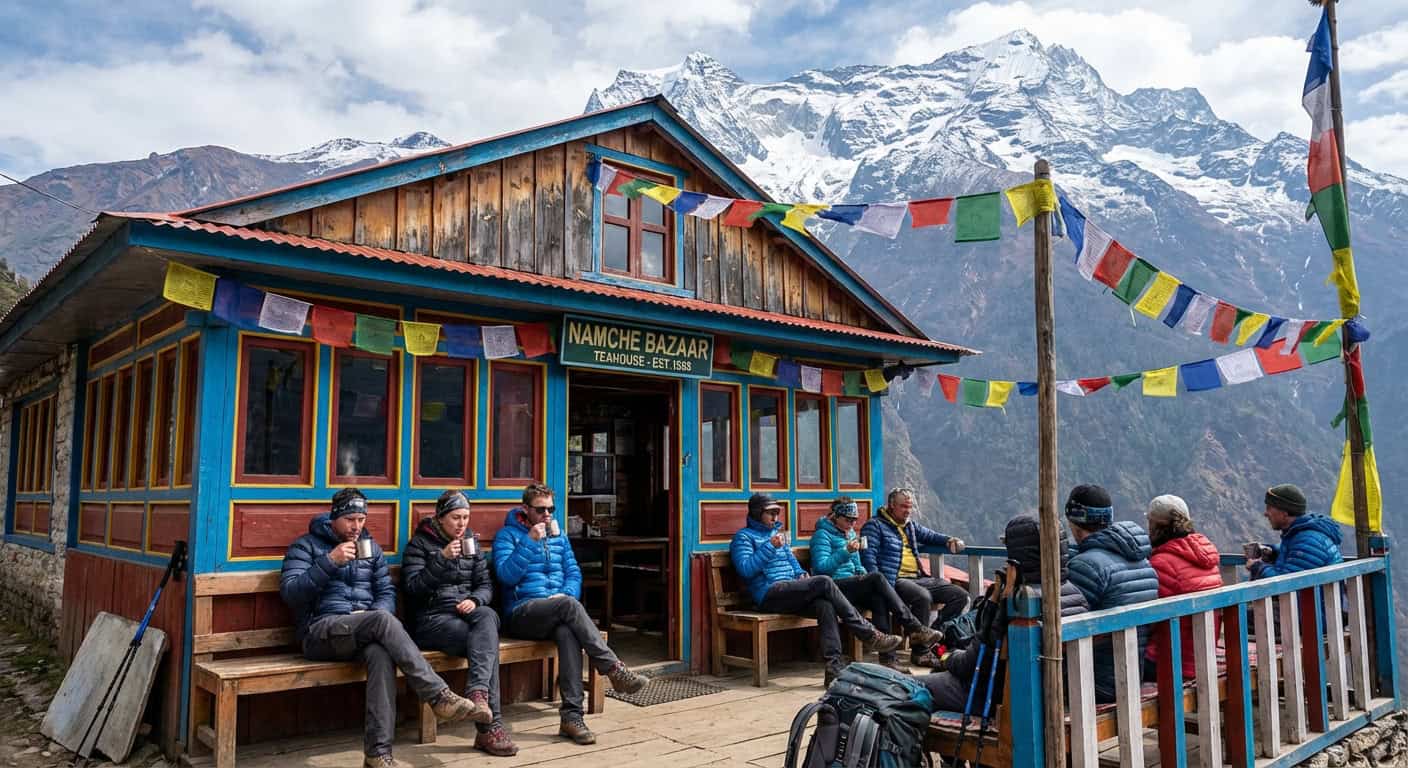
You’ll share meals, common rooms, and often dormitories with the same rotating cast of trekkers for days or weeks. Kathmandu’s Thamel district and Pokhara’s lakeside area are social hubs before and after treks. Many travelers form “tramilies” within the first few days that last the entire journey.
Even though solo trekking is possible in the Everest region, the shared experience of teahouse meals creates natural social opportunities. Consider the longer Annapurna Circuit for more time to build connections.
Bali, Indonesia
Bali attracts adventure travelers for its accessible surf breaks, world-class diving (including manta rays at Nusa Penida and the USAT Liberty shipwreck at Tulamben), and its digital nomad scene that blends work with adventure.
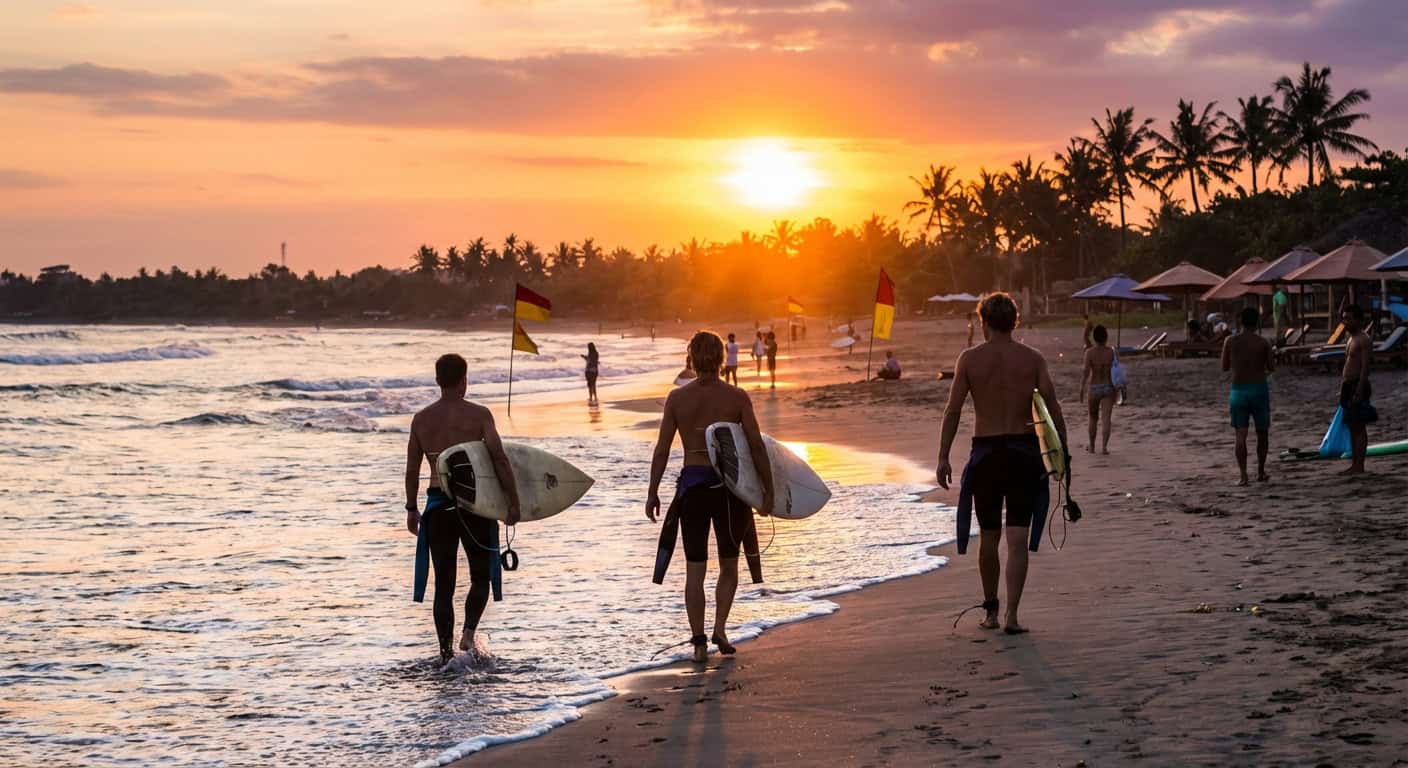
Canggu has emerged as the hub where surfing, coworking, and nightlife intersect. Surf camps like Rapture or Kima create instant communities. For divers, liveaboards and dive resorts pair solo travelers naturally.
Nusa Lembongan and Gili Trawangan offer more intimate adventure scenes with easier diving, no motorized traffic (on Gili T), and concentrated traveler communities.
Da Nang and central Vietnam, with the Hai Van Pass and Marble Mountains, offer serious adventure activities for digital nomads. In western China, Chengdu serves as a gateway to incredible mountain adventures including the sacred peaks of Emeishan and the Leshan Giant Buddha. In northern Thailand, Chiang Mai’s jungle treks, sticky waterfalls, and mountain day trips rival the best adventure destinations in the region.
Patagonia, Argentina/Chile
Torres del Paine in Chile and Los Glaciares in Argentina offer some of the world’s most impressive trekking. While you’re in Argentina, Buenos Aires offers its own adventures from tango to Tigre Delta day trips. The W Trek and O Circuit in Torres del Paine are particularly social: you’re essentially walking with the same 60-80 people for days, meeting at refugios and campsites each evening.
Puerto Natales, the gateway town, is filled with trekkers preparing for or recovering from their adventures. Hostels like El Patagonico and the famous Erratic Rock (known for its 3 PM pre-trek information sessions) are go-to meeting spots. Refugio dining halls use communal seating that makes conversation unavoidable.
The W Trek is crowded with many brief encounters; the O Circuit creates deeper bonds with a smaller group over 8 days. Both are highly social.
South Africa
South Africa combines classic safari experiences with adventure sports like shark cage diving, bungee jumping off Bloukrans Bridge (the world’s highest), and excellent surfing. The range of activities attracts an interesting mix of adventure travelers.
Overland camping safaris create intense shared experiences; days in the bush together forge strong bonds. Cape Town’s backpacker scene along Long Street offers urban adventure community, while the Garden Route concentrates activities and travelers in a scenic corridor.
Few destinations offer big-five wildlife viewing alongside adrenaline activities and wine regions, which creates opportunities to connect with travelers across interest areas.
Why adventure hubs attract social travelers
These destinations share common characteristics that make meeting people easier.
Shared activities create instant bonds. When you survive a bungee jump together or summit a mountain as a group, conversation flows naturally. Shared struggle, whether physical challenge or navigating foreign logistics, accelerates friendship formation.
Traveler infrastructure concentrates like-minded people. Social hostels, adventure company staging areas, and post-activity gathering spots put adventure seekers in close proximity. You’re surrounded by people with similar interests and schedules.
Multi-day activities deepen connections. A day tour creates acquaintances; a week-long trek creates friends. Destinations with overnight adventures like trekking circuits, liveaboard diving, and overland safaris provide time for relationships to develop.
People who travel to push their limits tend to be open to new experiences, including new people. The same “yes” energy that leads to adventure activities extends to social opportunities.
How to connect with travelers at each destination
Regardless of where you go, certain strategies work consistently:
- Choose accommodation wisely. Social hostels with common areas, family dinners, or organized activities beat hotels for meeting people.
- Book group activities. Even if you could do something solo, the group version provides built-in socializing.
- Arrive at gathering spots. Pre-trek information sessions, post-dive bars, and activity staging areas are natural meeting points.
- Use hostel common rooms. Simply being present and open to conversation works better than apps.
- Join multi-day adventures. Longer shared experiences create stronger connections than single activities.
For more strategies, see our guide on how to find travel buddies.
Find your adventure tribe
Adventure destinations attract adventure people. By choosing where you go strategically and positioning yourself in social spaces, you’ll find that meeting like-minded travelers is one of the easiest parts of adventure travel.
HitchHive connects adventure travelers across 80+ city hives worldwide. Whether you’re headed to Queenstown for bungee, Nepal for trekking, or Bali for diving, create activities and connect with travelers who share your passion for the outdoors.
Your next adventure companion might already be planning the same trip. Find them on HitchHive.
Leave a Reply