
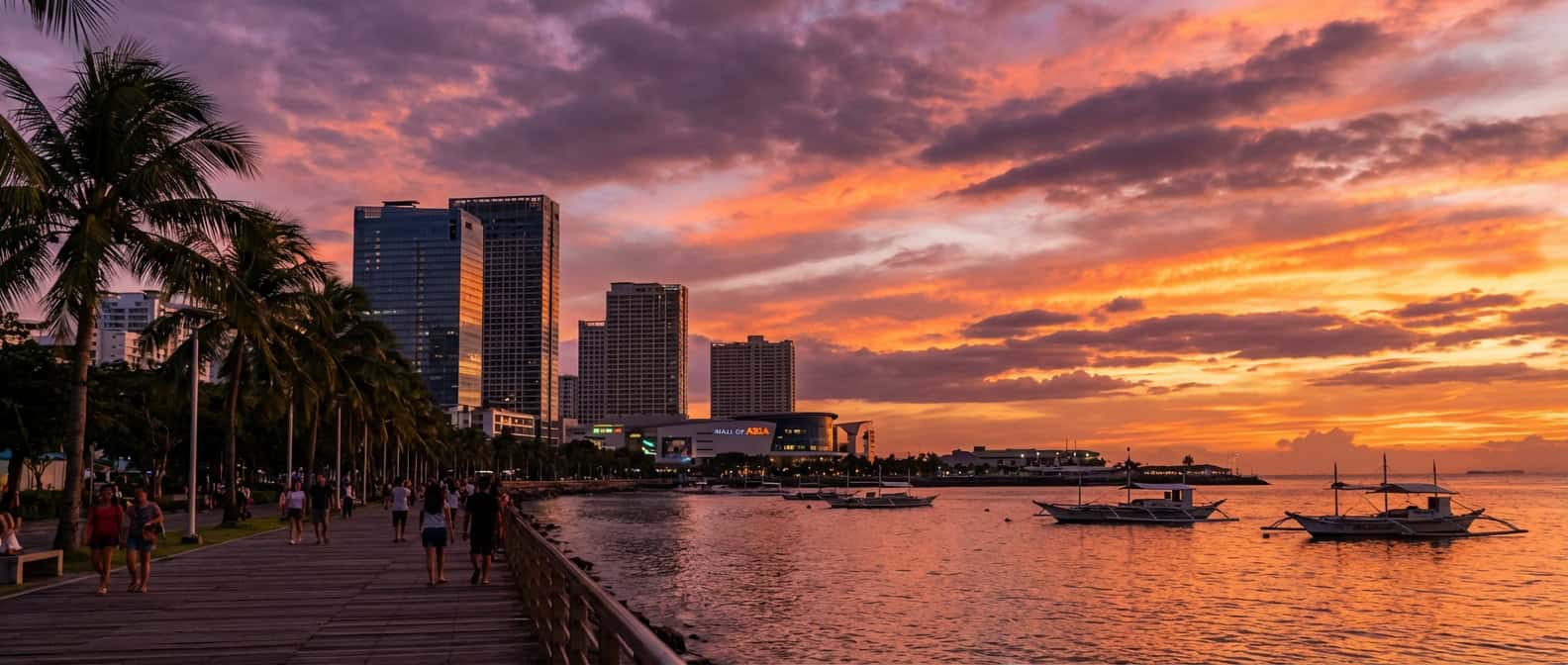
Manila’s secret: the city that never stops surprising
Manila has a reputation problem. Most nomads treat it as a layover, a necessary evil between the airport and wherever they’re actually going. I did the same thing on my first visit. Grabbed a Grab from NAIA to Makati, holed up in a cafe, and counted the days until I could leave for the provinces.
That was a mistake. Because once I stopped fighting Manila and started exploring it, the city cracked open into something genuinely fascinating. Behind the traffic and the concrete sprawl sits a metropolis with 400 years of colonial history, some of the best food in Southeast Asia, a nightlife scene that would embarrass most European capitals, and enough weekend day trips to fill months of Saturdays. If you’re working from Manila as a digital nomad, your days off are where this city truly earns its keep.
Whether you’re fresh off the plane or months into your Philippines chapter, here’s everything I’ve found worth doing when the laptop closes.
Intramuros and Manila’s history
Start with the old walled city. Intramuros is where the Spanish built their colonial capital in the 1500s, and walking through those stone walls feels like stepping into a different century. Fort Santiago is the anchor, a citadel that held Jose Rizal before his execution and now houses a museum that traces his life through personal letters and artifacts. The entrance fee is minimal, and you can easily spend two hours here without rushing.
From Fort Santiago, walk to Manila Cathedral and then to San Agustin Church, the oldest stone church in the Philippines and a UNESCO World Heritage Site. The museum attached to San Agustin is often overlooked, but the cloisters have an almost Harry Potter quality to them, with centuries of religious art stacked in dimly lit hallways. Skip the pedicab tours. The guys on tricycles will charge confusing per-person or per-hour rates, and you’ll see less than you would on foot. Walk it yourself or rent a Bambike, the bamboo bicycle tour company based near Casa Manila.
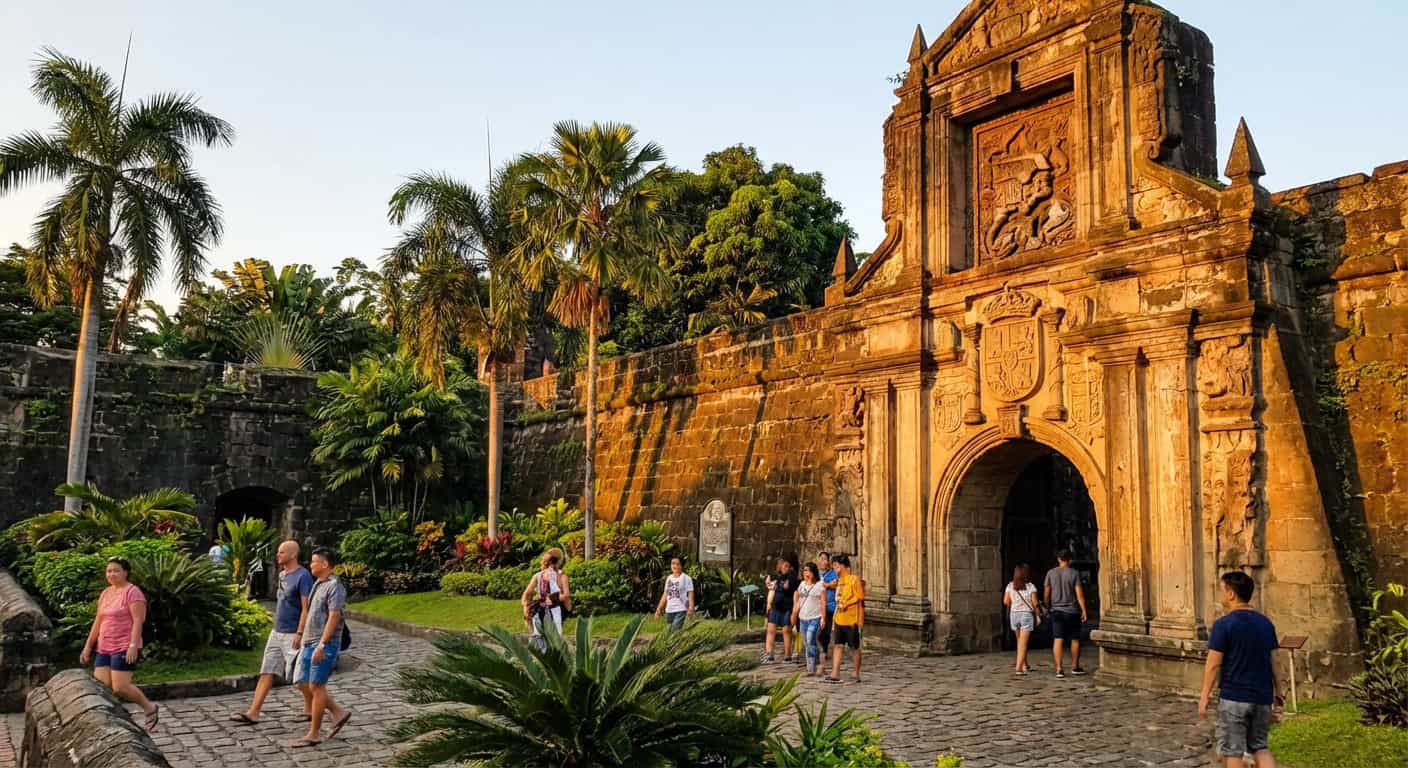
Timing tip: Go early morning or late afternoon. Midday heat inside those stone walls is brutal. If you want to see Intramuros at its most atmospheric, the area looks incredible at dusk when the walls are lit up. Some nomads grab a drink at the Bayleaf Hotel rooftop bar for skyline views over the old city.
Poblacion after dark
If Manila has a neighborhood that captures the city’s chaotic energy in the best possible way, it’s Poblacion. This former red-light district in Makati has turned into the city’s busiest nightlife area, packed with rooftop bars, speakeasies, craft cocktail joints, and street-level dive bars, often on the same block.
The beauty of Poblacion is the density. You don’t need a plan. Just show up on a Friday or Saturday night and walk. Start at Agimat at Ugat for foraging-themed cocktails made with local ingredients, then work your way to Spirits Library for something more refined. Ugly Duck is the reliable crowd-pleaser, and if you want a lesser-known spot, look for Blue Door 304, a newer speakeasy tucked below Fun Roof.
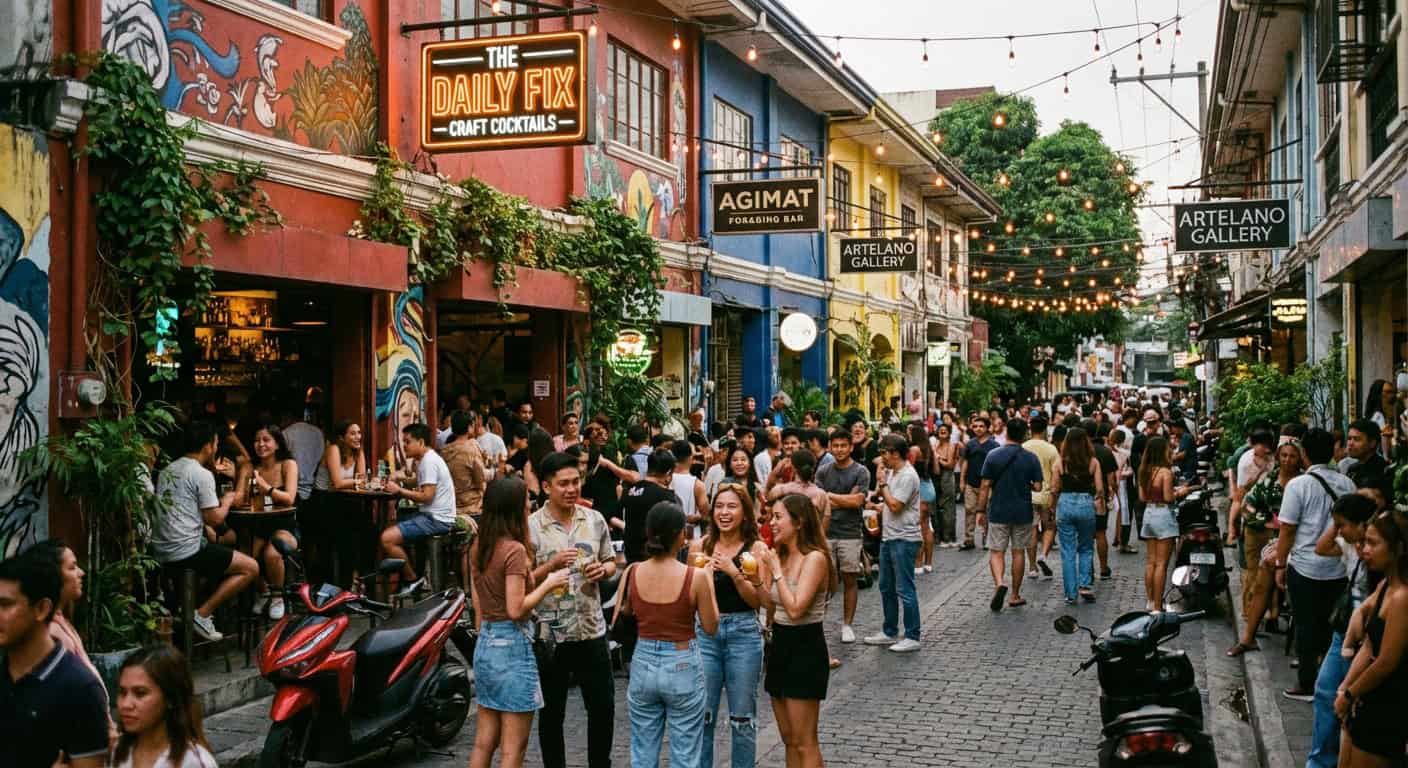
The vibe shifts street by street. One block is hipster craft beer, the next is thumping dance music. The crowd is a mix of young Filipino professionals, expats, and fellow nomads. If you’re coming from cities like Da Nang or Chiang Mai where food and socializing overlap, Poblacion will feel familiar in energy but distinctly Manila in execution. For anyone building a social circle, it’s ground zero.
Pro tip: Eat before you go out, or hit one of the 24-hour pares spots in the area after. Pares Retiro is the classic post-night-out move for cheap beef stew that soaks up whatever damage you’ve done.
Day trips that are actually worth the traffic
Manila’s greatest asset as a base might be what surrounds it. Within two to four hours of the metro, you’ve got volcanoes, beaches, waterfalls, and some of the best food provinces in the country.
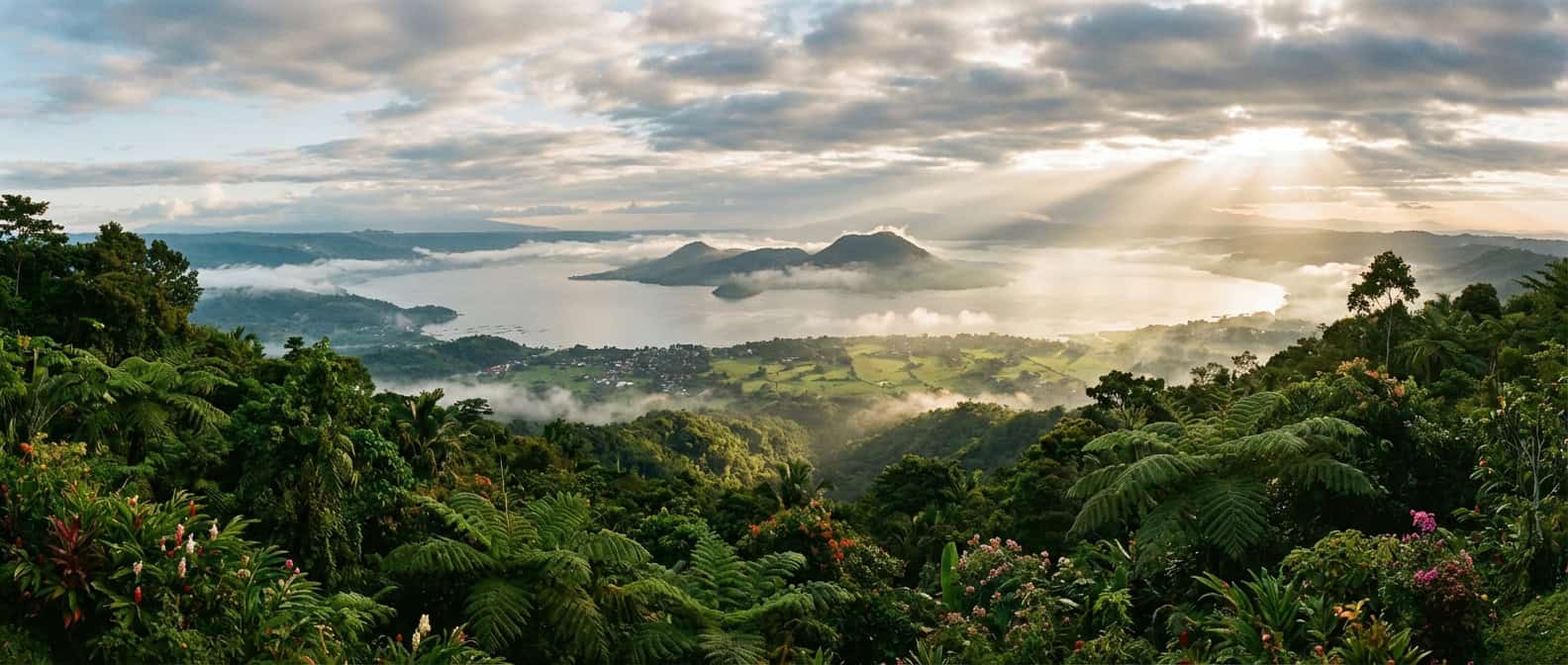
Tagaytay is the default escape. About 90 minutes south of the city (on a good traffic day), this ridge town sits above Taal Volcano, which is itself inside a lake, inside a volcano. The views are genuinely spectacular, the air is cooler, and the restaurants lining the ridge have some of the best dining vistas in the Philippines. Go early on a weekday to beat the weekend crowds. The bulalo (beef bone marrow soup) here is a mandatory order.
Masungi Georeserve is one of the most unique outdoor experiences near any major Asian city. This conservation area in Rizal Province has rope bridges, hanging nets, and limestone formations you climb through on a guided trek. You need to book in advance as slots fill up fast, but it’s worth the planning. If you’re someone who values finding hiking partners while traveling, this is the kind of activity where friendships form fast.
Batangas beaches are the closest sand-and-surf option. Laiya and Anilao are the popular picks, with Anilao being particularly good for snorkeling and diving. For something more adventurous, look into Corregidor Island, a WWII fortress island in Manila Bay that runs excellent historical tours. It’s one of the most powerful adventure destinations you can do as a day trip from a major city.
Nature without the drive: If you don’t want to leave the metro, Arroceros Forest Park is a small urban forest near Lawton that feels bizarrely peaceful for central Manila. La Mesa Nature Reserve in Quezon City is another green option that doesn’t require a car.
Food adventures beyond the malls
Manila’s food scene is extraordinary, and I say this as someone who has eaten my way through half of Southeast Asia. The depth and variety here rivals Bangkok, with the added bonus that most Filipinos are eager to share their favorites.
Binondo (Chinatown) is the crown jewel. The world’s oldest Chinatown delivers a food crawl experience that should be on every nomad’s list. Here’s the strategy the locals recommend: go on a weekday morning to avoid crowds, and hit these spots in order. Shanghai Fried Siopao for the fried pork buns, Dong Bei Dumplings for fresh kuchay (chive) dumplings made in front of you, and Wai Ying for dim sum (expect a line). Duck into New Po Heng Lumpia House on Carvajal Street for fresh spring rolls in a narrow alley that feels like a food traveler’s fever dream.
Weekend markets are where the modern Manila food scene flexes. Salcedo Market (Saturdays) and Legazpi Market (Sundays) in Makati draw crowds of locals and expats who come for everything from organic vegetables to artisanal coffee to regional Filipino dishes. These markets are also great for people-watching and casual conversation. If you’re trying to meet locals as a digital nomad, showing up regularly is one of the easiest moves.
For sit-down meals, Manam is the safe recommendation for modern Filipino food (the watermelon sinigang is the dish that converts skeptics), while Toyo Eatery is the splurge-worthy option for elevated Filipino cuisine. Mendokoro Ramenba is unanimously considered the best ramen in Manila by locals and expats alike.
Art and culture: free museums and hidden galleries
Here’s something that surprised me about Manila: the art scene is genuinely world-class, and much of it is free.
The National Museum Complex in Rizal Park consists of three separate buildings (Fine Arts, Anthropology, and Natural History), and all of them are free to enter. The Fine Arts building houses the Spoliarium, Juan Luna’s enormous masterpiece that stops everyone in their tracks. The Natural History building has the “Tree of Life” staircase that is worth the visit alone. These aren’t dusty provincial museums. They’re beautifully maintained, air-conditioned, and you could spend an entire day between the three buildings. Practical tip: go on a weekday morning to avoid student groups, and leave large bags at the free deposit counter.
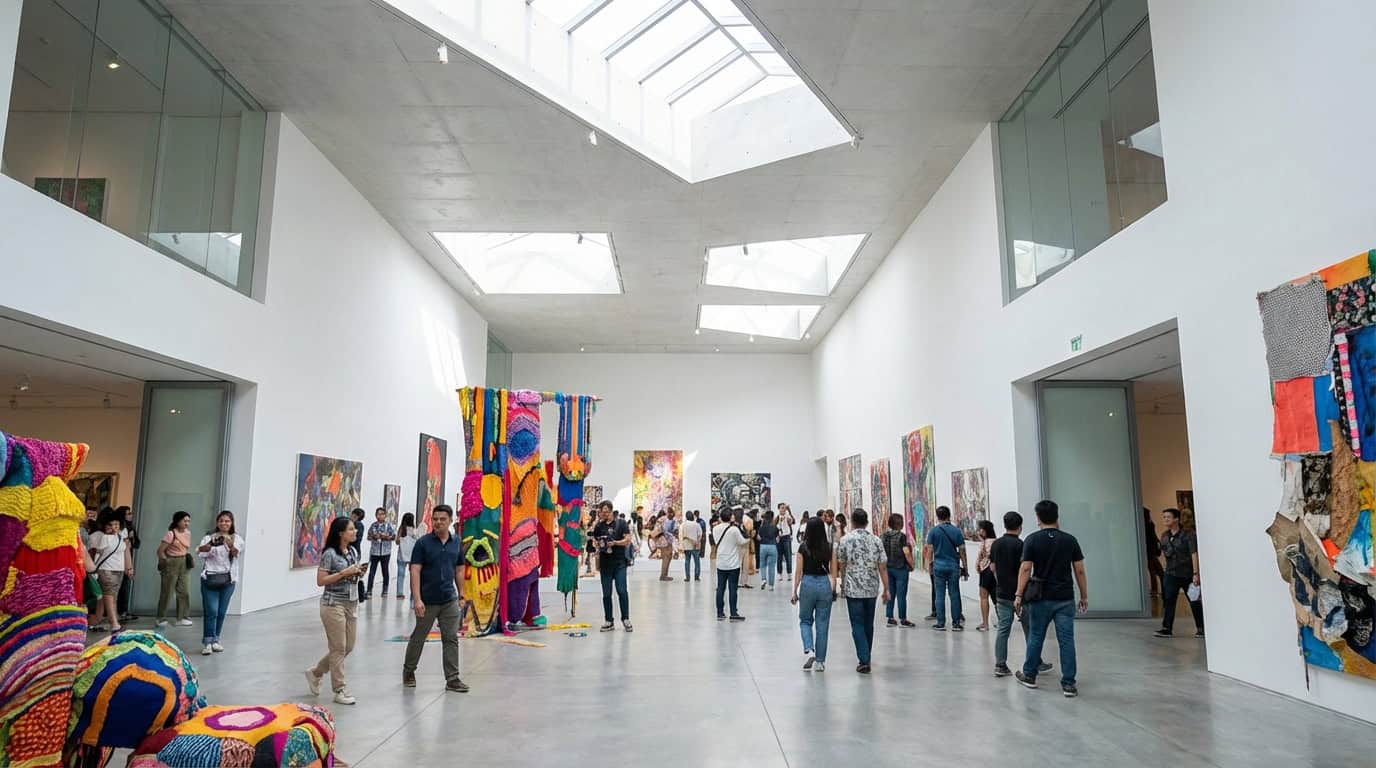
The Ayala Museum in Makati is the paid alternative (around 700 PHP entry), but it’s air-conditioned, compact, and the diorama experience of Philippine history is the single best visual summary of the country’s past that exists. The gold collection is also remarkable. If you only have time for one museum experience, the Ayala dioramas are the efficient choice. If you have a full day, the National Museum complex is the better value.
For the art-curious, Pinto Art Museum in Antipolo is a compound of white buildings housing contemporary Filipino art in garden settings. Cubao Expo in Quezon City is the scrappier alternative, a collection of indie shops, vinyl record stores, and galleries with cold craft beer. Escolta Street downtown has a growing artist community in pre-war Art Deco buildings that feels like discovering something before the rest of the world catches on.
Nature escapes within reach
Manila isn’t a green city, but the options for nature are closer than you’d think.
Masungi Georeserve (mentioned in day trips above) is the headline act, but Mt. Pinatubo is the truly unforgettable experience. The same volcano that erupted catastrophically in 1991 now has a crater lake of surreal turquoise water that you reach via 4×4 truck and a moderate hike through lahar fields. It’s a full-day commitment but ranks among the most unique adventure travel experiences in Southeast Asia.
Closer to the city, Rizal Province is packed with options. Mt. Daraitan and the Tinipak River have clear water and impressive rock formations for those who want a proper hike. Tanay in general has become the go-to escape for Manila residents who want mountain air without the long drive. The “sea of clouds” views from places like Treasure Mountain are the reward for an early morning start.
For something effortless, Manila Bay sunsets remain genuinely beautiful. Skip the overcrowded Dolomite Beach and instead find a spot on the seawall near the CCP Complex. Free, peaceful, and the kind of simple moment that reminds you why you chose this life.
Budget-friendly options
Manila can be expensive by Southeast Asian standards, but the free and cheap activities here are some of the best. The National Museums are completely free. Rizal Park and the CCP Complex are free for jogging, walking, or just sitting. Weekend markets cost you only what you eat. Intramuros can be explored for under 200 PHP if you skip the guided tours.
For a detailed breakdown of how far your money goes in Manila, including activity budgets and daily spending estimates, check out the Manila cost of living guide. But the short version: your days off don’t need to cost much. Many of the best experiences here, walking through Binondo, watching the sunset over Manila Bay, browsing the National Museum, are either free or close to it.
The key insight from nomads who’ve spent months here: Manila rewards curiosity over spending. The people who have the best time aren’t the ones dropping money at bottle-service clubs. They’re the ones who take a jeepney to Quiapo, wander through the camera shops on Hidalgo Street, eat street food for 50 pesos, and come home with a story that tops anything a five-star restaurant could deliver. Those shared experiences with the city, messy and unpredictable as they are, become the memories that define your Manila chapter.
Continue your journey
If you’re building your Manila life, these guides will help you make the most of it:
- The Digital Nomad Guide to Manila — the complete guide to neighborhoods, internet, visas, and settling in
- Manila Cost of Living for Digital Nomads — month-by-month budget breakdown so you know what to expect
- Things to Do in Cebu on Your Days Off — island hopping, diving, and nature adventures in the Philippines’ other nomad hub
Find your Manila crew
Manila is a city that reveals itself through people. The best restaurant tips come from a local you met at Salcedo Market. The best night out starts with someone at your coworking space saying “I know a place in Poblacion.” If you’re heading to Manila soon or already there and looking for your crew, use HitchHive to connect with other digital nomads and travelers in the city. Whether you need a Binondo food crawl partner, a weekend hiking buddy for Masungi, or just someone who knows which rooftop bar has the best view tonight, the right people turn Manila from overwhelming to unforgettable.
Leave a Reply