
Chengdu moves at its own speed
Most cities in China feel like they’re in a permanent sprint. Shenzhen is building. Shanghai is dealing. Beijing is governing. And then there’s Chengdu, where people sit in bamboo chairs drinking tea at 2 PM on a Wednesday and nobody bats an eye. This is a city that has somehow resisted the national obsession with hustle, and the result is a place where you can actually breathe between activities.
I came to Chengdu expecting pandas and hot pot. I got those, obviously. But I also got matchmakers shouting in parks, ear cleaners with tuning forks, clubs on the 21st floor of apartment buildings, and enough Sichuan peppercorn to numb my face for a week. If you’re working through a backpacking trip to Chengdu, this city rewards the people who slow down and let it happen around them.
Here’s everything worth doing, based on what actually worked for me and what I picked up from other travelers who’ve spent real time here.
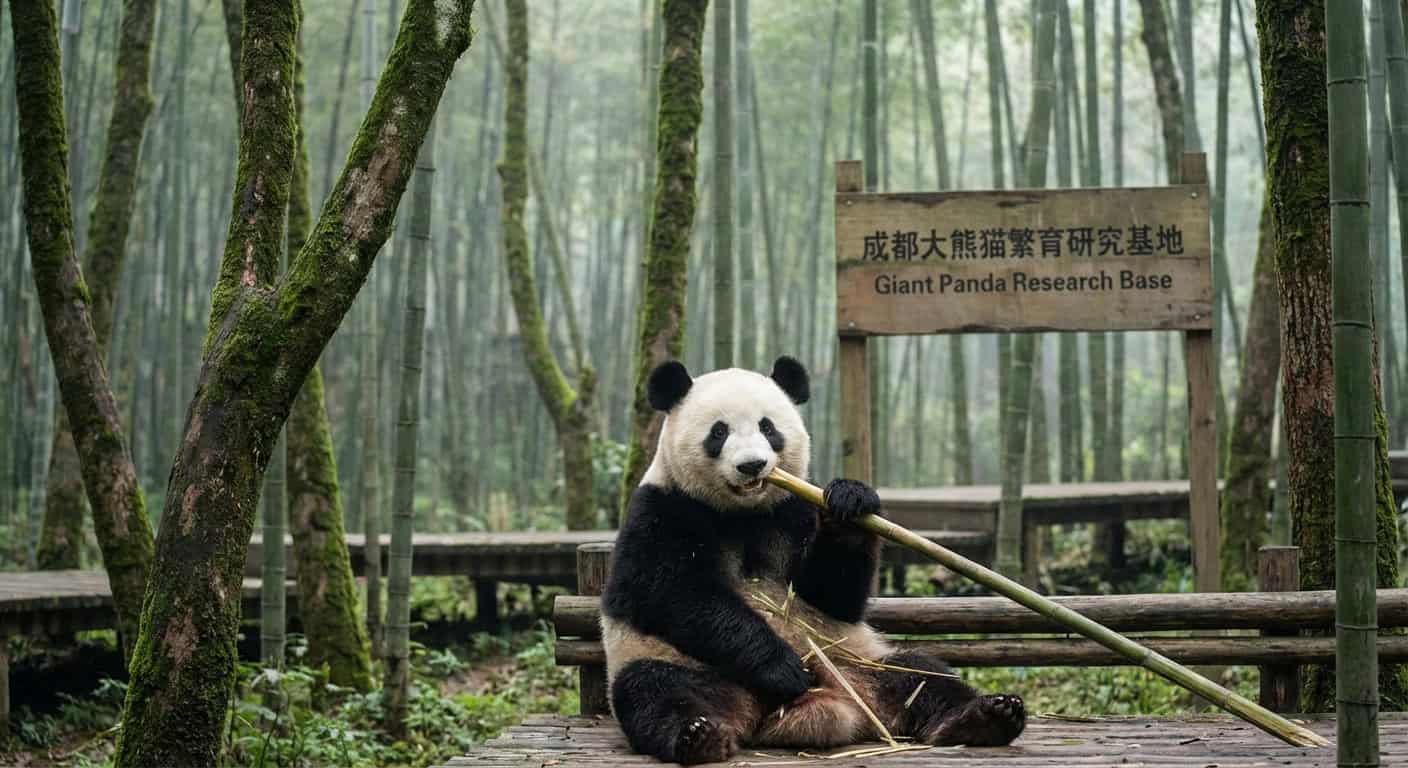
Giant Panda Research Base
Yes, you’re going. Everyone goes. The question is whether you do it well or waste half your day fighting crowds and watching sleeping pandas.
The Chengdu Research Base of Giant Panda Breeding is about 10 kilometers north of the city center. You can get there by metro (Line 3 to Panda Avenue, then a shuttle bus) or grab a taxi for around 30 to 40 RMB. The base opens at 7:30 AM, and this is the single most important detail: arrive before the gates open. By 9:00 AM, tour buses start flooding the parking lot, and the walkways around the popular enclosures turn into a wall of selfie sticks.
Pandas are morning animals. Their feeding happens between 8:00 and 10:00 AM, and that’s when you’ll actually see them moving, eating, tumbling around. By noon, most of them are sleeping, and you’re basically looking at expensive black and white pillows.
Enter through the South Gate if you want to reach the nursery and baby panda areas first. A common strategy from experienced visitors: take the internal shuttle bus straight to the furthest point of the park and walk back against the flow of foot traffic. Most tourists clump near the first enclosures they see after the entrance, so heading to the back first gives you breathing room. The shuttle costs 10 to 30 RMB and is worth it because the park is deceptively hilly and spread out.
Tickets cost about 55 RMB. One thing you can stop wondering about: no, you cannot hold a baby panda. That’s been banned for years due to disease concerns. Any “panda hugging” tour advertised online is a scam. You can do volunteer programs at the Dujiangyan base (about 1.5 hours from the city), but those involve cleaning cages and chopping bamboo, not cuddling.
Budget two to three hours here. As one Reddit user put it, “after the 5th panda, they all start to look the same.” That’s honest. Do the base in the morning and then spend your afternoon in the actual city.
Jinli Ancient Street
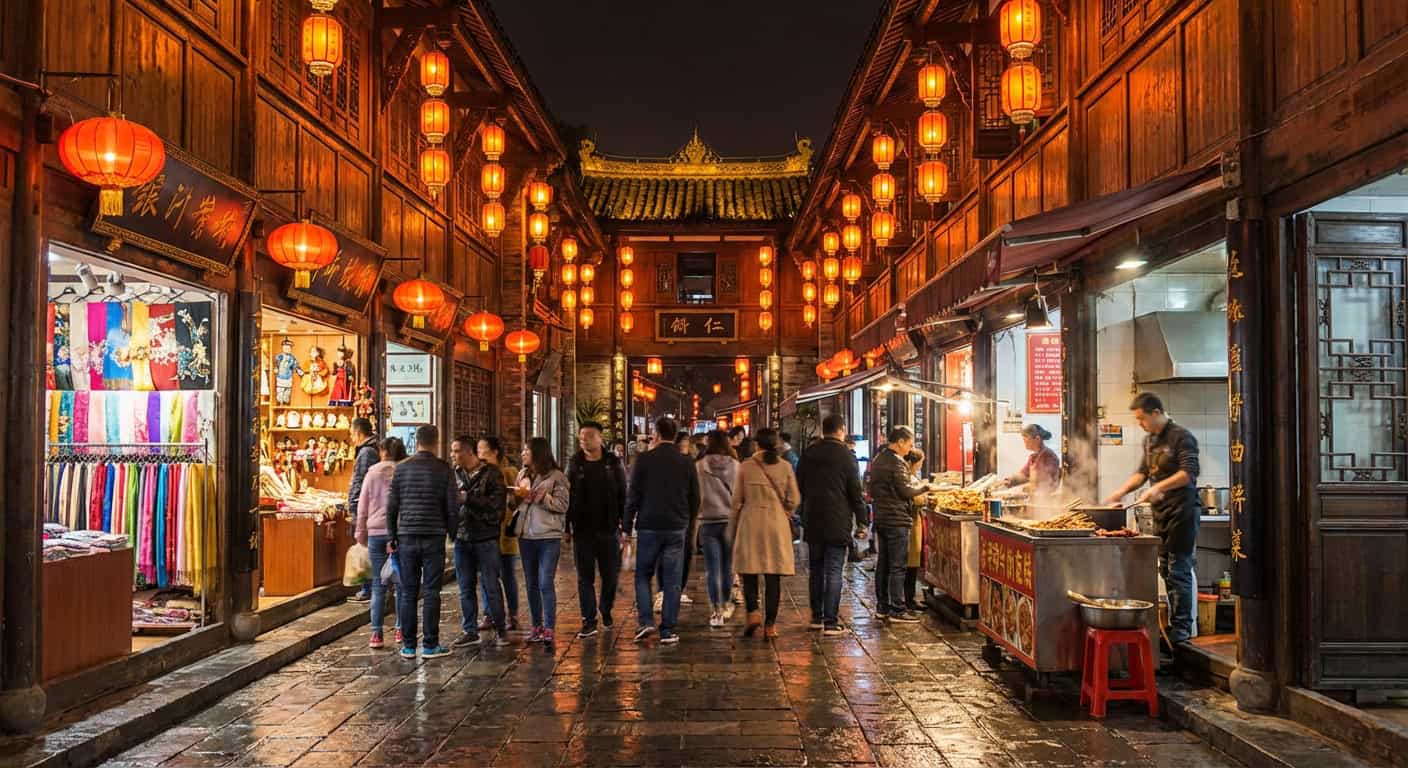
Jinli is Chengdu’s most famous pedestrian street, right next to Wuhou Shrine. I’ll be direct: it is touristy. The prices are marked up, some of the “traditional” snacks are made for Instagram rather than flavor, and on weekends the crowds can be suffocating. But go at night, and the place transforms. The traditional wooden buildings light up with red lanterns, and there’s an atmosphere that’s hard to replicate elsewhere in the city.
The food stalls along Jinli sell rabbit heads, stinky tofu, skewered meats, and Sichuan-style crepes. Some are decent, some are tourist traps. Locals on Reddit are fairly blunt about this: walk through for the architecture and the lanterns, but don’t plan your dinner here. If you’re looking for where to eat properly, the Chengdu food guide covers the spots that are actually worth your money.
What Jinli does well is atmosphere. Grab a stick of tanghulu (candied fruit), wander the narrow lanes, look at the shadow puppets and folk art, and soak it up for an hour or two. Think of it as a scenic walk with snacks, not a dining destination. Evening visits (after 7 PM) are better than daytime because the crowds thin slightly and the lighting makes everything look better.
Wide and Narrow Alleys (Kuanzhai Xiangzi)
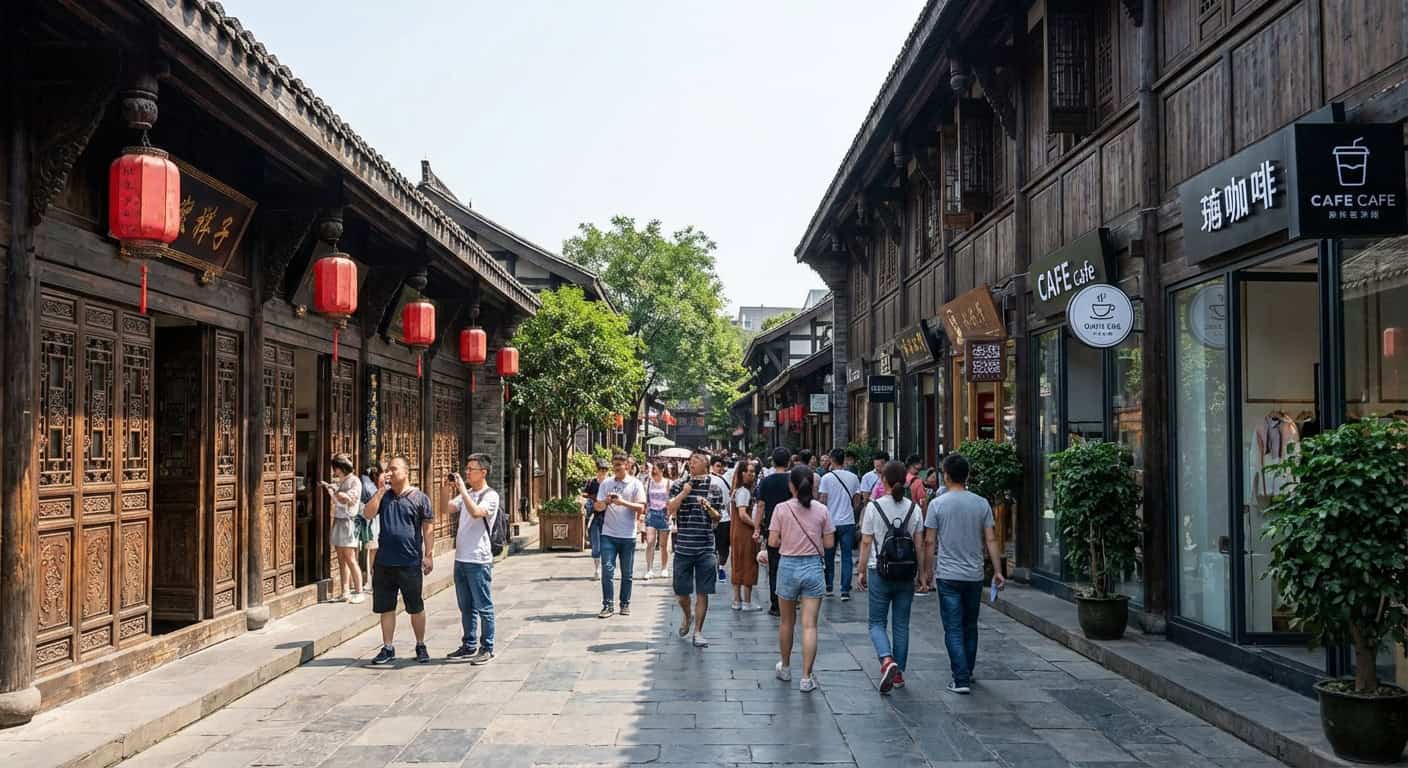
Three parallel alleys preserved from the Qing dynasty: Wide Alley (Kuan Xiangzi), Narrow Alley (Zhai Xiangzi), and Well Alley (Jing Xiangzi). The architecture is genuinely beautiful, a mix of old courtyard homes and restored facades. Like Jinli, it has been heavily commercialized. Tea shops, souvenir stores, and snack vendors line every meter.
The local consensus is straightforward: walk through for the look, but don’t eat here. The food is overpriced and aimed at tourists. What makes the alleys worth visiting is the architectural detail and the people-watching. Chengdu residents come here to stroll, so you get a mix of tourists and locals, especially on weekend afternoons.
Go in the morning if you want photos without crowds. Go in the late afternoon if you want the social energy. Skip the midday heat when the alleys turn into an oven with no shade. The area is free to enter and easy to reach by metro (Line 4 to Kuanzhai Xiangzi station).
People’s Park
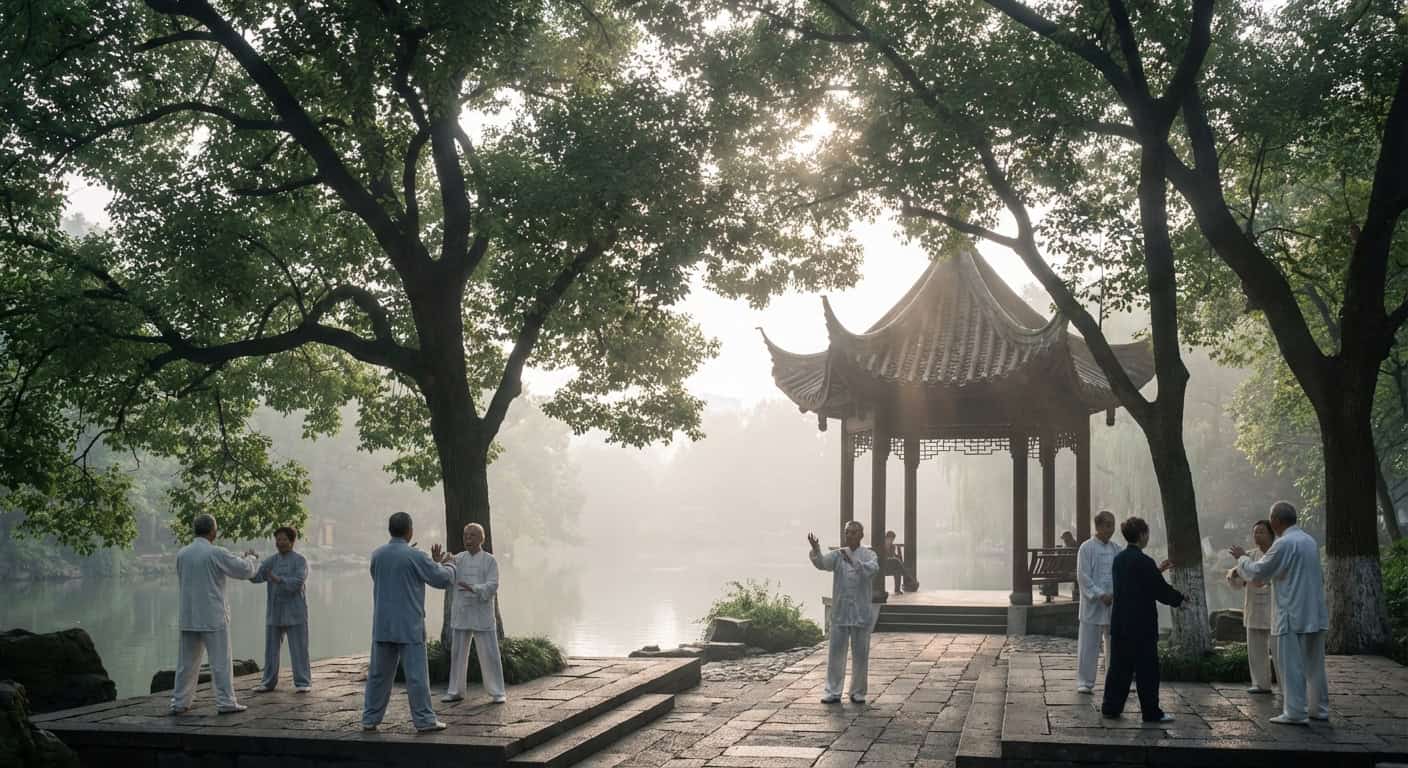
If you only do one thing in Chengdu besides the pandas, make it People’s Park. This is the city’s living room. Everything that makes Chengdu different from the rest of China is concentrated in this park.
Start at Heming Teahouse, which sits inside the park. This is the most consistently recommended tea spot among both travelers and locals. Grab a bamboo chair, order a cup of green tea (around 15 to 30 RMB, with unlimited hot water refills), and sit. People will be playing mahjong around you, practicing calligraphy, arguing about politics, and generally doing the thing Chengdu does best: not rushing anywhere.
Wander deeper into the park and you’ll find the matchmaking corner. Parents pin paper advertisements for their unmarried children on umbrellas, listing age, height, salary, education, and property ownership. It reads like a job listing for marriage. Crowds of parents mill around reading each other’s specs and negotiating. It’s one of the most surreal and genuinely fascinating things I saw in China.
In the morning, you’ll see groups doing tai chi, sword dancing, and group exercises. There are also the ear cleaners, recognizable by their tuning forks and metal tools. The ear cleaning experience is about 30 to 50 RMB and involves someone scraping around inside your ear canal while tapping a tuning fork near your head. Travelers describe it as “slightly terrifying” and “weirdly addictive.” It’s one of those things you do once for the story.
People’s Park is free to enter and is right in the city center near Tianfu Square metro station. You can easily spend a full morning here without realizing how much time has passed.
Wuhou Shrine
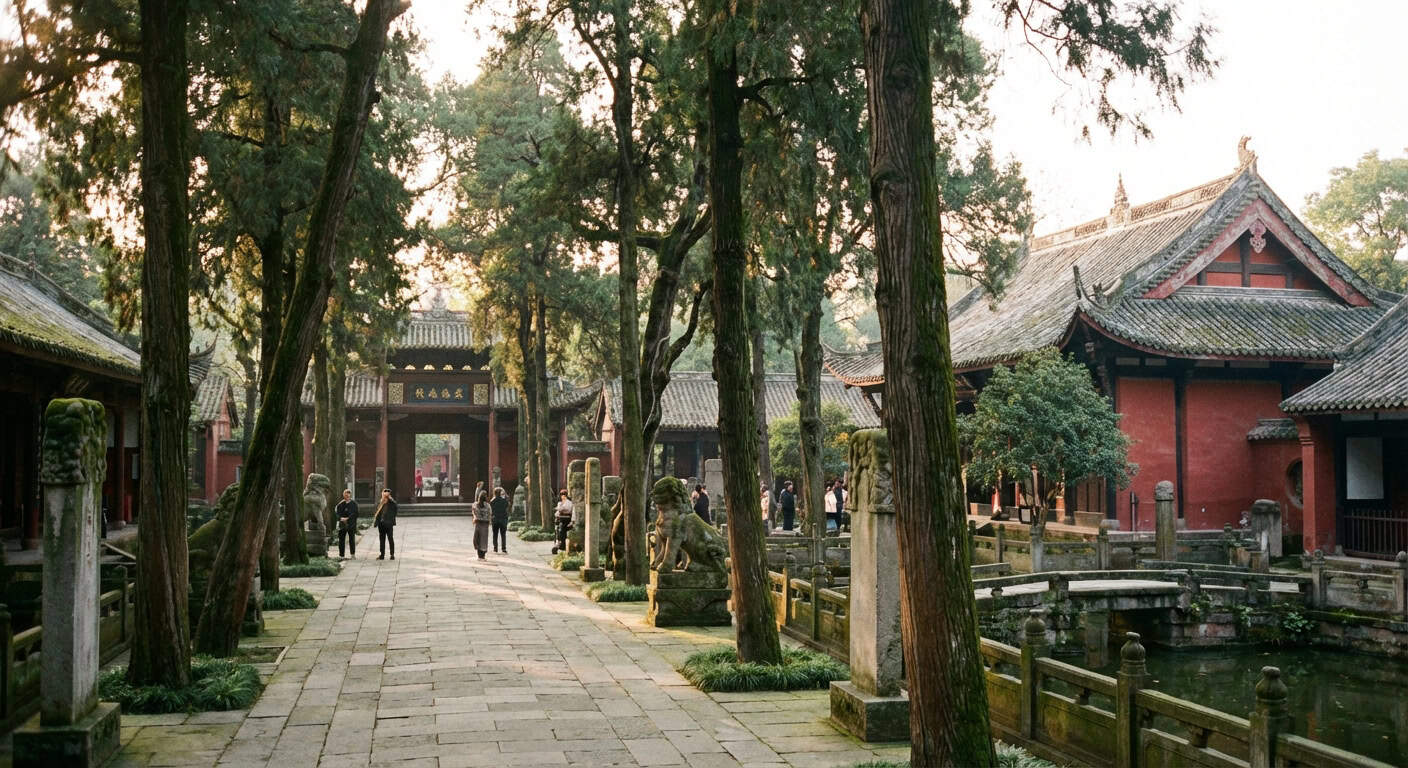
Wuhou Shrine is dedicated to Zhuge Liang and Liu Bei, the legendary strategist and ruler from the Three Kingdoms period (around 220 to 280 AD). Even if you don’t know the history, the complex is worth visiting for the grounds alone. It’s a combination of temple, museum, and park spread across a landscaped compound with old cypress trees and stone carvings.
The red wall corridor (hongqiang) connecting the shrine to Jinli is one of the most photographed spots in Chengdu. Tall bamboo lines both sides of a narrow red-walled path, and the light filters through in a way that looks good at any time of day. If you’ve seen Chengdu photos on social media, you’ve probably seen this wall.
Entry costs about 50 RMB. Plan for one to two hours inside. The shrine is calm and uncrowded compared to the panda base or the alleys, especially on weekdays. If you’re interested in the Three Kingdoms history, the on-site museum has English signage covering the major events and figures. After visiting, you can walk directly into Jinli Ancient Street, which shares a wall with the shrine compound.
The area around Wuhou also has a Tibetan Quarter where you’ll see Tibetan shops, yak butter tea vendors, and monks walking around. It’s a pocket of Chengdu that feels distinctly different from the rest of the city.
Tea house culture
Tea in Chengdu is not a drink. It’s a way of killing an afternoon, and the locals have perfected it. You sit, you sip, someone refills your hot water, and hours disappear. The city runs on this rhythm.
Heming Teahouse in People’s Park is the classic starting point (covered above). Beyond that, two other spots come up consistently from locals. Wenshu Monastery has a tea garden attached to it where you can drink tea in a quieter, more spiritual setting. The monastery itself is the best-preserved Buddhist temple in Chengdu and has an active community of monks. There’s a vegetarian restaurant on-site that’s worth eating at.
If you want to see the Sichuan Opera tradition of Bian Lian (face-changing), book a seat at Shufeng Yayun Teahouse. It’s an old-school teahouse that hosts nightly performances. The face-changing itself is a closely guarded performance art where performers swap ornate masks in fractions of a second. It’s a tourist activity, but experienced travelers consistently describe it as “genuinely cool” and worth doing once. Combine it with tea and snacks for a full evening.
One serious warning about tea houses from multiple travelers: never follow a “friendly student” or stranger who invites you to a tea ceremony. This is one of the most common scams in Chinese cities. They take you to a private room, you drink some tea, and the bill comes out to thousands of RMB. Stick to established tea houses in parks, temples, or well-known venues.
Nightlife
Chengdu’s nightlife punches above its weight. It’s not Shanghai in scale, but multiple travelers and expats compare it favorably for energy and variety.
The unique Chengdu thing is clubs located inside residential apartment buildings. TAG, on the 21st floor of the Poly Center (Building A), is the best-known example. It’s a techno club with a rooftop feel, tucked inside what looks like a normal high-rise. The electronic music scene here is considered one of the strongest in Asia, and the atmosphere is inclusive and queer-friendly. If you’re into house or techno, TAG is the place.
For a more conventional bar crawl, head to Jiuyanqiao (Nine Eyes Bridge). It’s a strip along the river with a high density of bars, clubs, and late-night spots. Lan Kwai Fong is the commercial nightlife district with a cluster of clubs. It’s louder and flashier than the indie scene.
The Yulin neighborhood is where you go for a quieter evening. Small bars, independent coffee shops, craft beer spots, and live music at places like Little Bar (Xiaojiuguan) on Yulin West Road. Yulin is the hipster pocket of Chengdu. It’s also one of the best neighborhoods for late-night street food, including the barbecue carts that appear after dark.
Chengdu is a genuine late-night city. Venues run until dawn, and late-night eating (hot pot and BBQ at 3 AM) is a normal part of the evening. If you’re looking for travel buddies to explore with, the bar scene is one of the easiest places to meet other travelers.
Off the beaten path
Once you’ve done the main hits, Chengdu has plenty of less-visited spots worth your time.
Wenshu Monastery is technically a “main attraction” but gets a fraction of the visitors that Wuhou or the panda base sees. It’s peaceful, active (real monks, real worshippers), and has one of the better vegetarian restaurants in the city. The tea garden in the back courtyard is a calmer alternative to Heming if you want the tea experience without the tourist crowds.
The Yulin neighborhood (mentioned under nightlife) is also a daytime destination. Walk its streets for independent bookshops, local Sichuan restaurants, and a street-level view of how Chengdu residents actually live. It’s a good antidote to the polished tourist zones.
Chunxi Road and the IFS building are where modern Chengdu lives. The IFS has a famous climbing panda sculpture on the exterior that’s become an unofficial city symbol. The area around it is commercial, but it gives you a sense of Chengdu’s contemporary identity.
For something genuinely different, the Chengdu University of Technology Museum houses a large collection of dinosaur fossils and geological specimens. Almost no tourists visit it. If you’ve been to every temple and tea house and want something unexpected, this is it.
Sichuan Opera performances (Bian Lian face-changing) are worth catching at least once. The Shufeng Yayun Teahouse is the most recommended venue. It’s an evening well spent, especially combined with tea and traditional snacks.
If you’re the type who turns trips into hiking adventures, the mountains surrounding Chengdu open up a completely different side of Sichuan. Mount Qingcheng, the birthplace of Taoism, is about 90 minutes from the city and makes an excellent half-day or full-day trip. The back mountain (Hou Shan) is quieter and more nature-focused than the front. And if you have a full day or more, the day trips from Chengdu guide covers the Dujiangyan Irrigation System, Leshan Giant Buddha, and Mount Emei in detail.
Practical tips
Getting around Chengdu is easy. The metro system covers most major sites and is cheap (2 to 7 RMB per ride). Didi (China’s Uber equivalent) works well for everything else. Set up Alipay before you arrive because cash is rarely used and many places don’t accept foreign credit cards.
Chengdu is extremely safe for solo travelers, including solo women. The city has a relaxed, low-crime atmosphere. The main “danger” is the food, specifically the Sichuan peppercorn and chili oil that will wreck your stomach if you go too hard too fast. Ease in. Your digestive system needs a few days to adjust to the mala (numbing spice) levels here.
Three days is the sweet spot for a Chengdu visit: one morning for pandas, one day for the city (People’s Park, Wuhou, Jinli, alleys), and one day for a day trip or deeper exploration. Trying to cram in Mount Emei on top of that is a common mistake. Emei requires a very early start or an overnight stay. It’s not a casual add-on. For the full planning picture, the Chengdu budget travel guide breaks down costs and logistics day by day.
Chengdu is a city that gets better when shared. The tea houses, the hot pot tables, the late-night BBQ sessions are all built for groups. If you’re traveling solo, the social scene here is welcoming, and connecting with other travelers through HitchHive can turn a good trip into a memorable one. The adventure travel guide and the list of best adventure destinations are also worth checking if Chengdu is one stop on a bigger itinerary through western China or Southeast Asia.
Continue your journey
These guides cover everything else you need for planning your time in Chengdu and beyond:
- The Backpacker’s Guide to Chengdu — logistics, neighborhoods, transport, and the full planning breakdown
- Chengdu Food Guide — where to eat, what to order, and how to survive the spice
- Best Day Trips from Chengdu — Leshan Buddha, Mount Qingcheng, Dujiangyan, and more
- Chengdu Budget Travel Guide — day-by-day costs and money-saving strategies
- Adventure Travel Guide — planning bigger trips through western China and beyond
Leave a Reply