
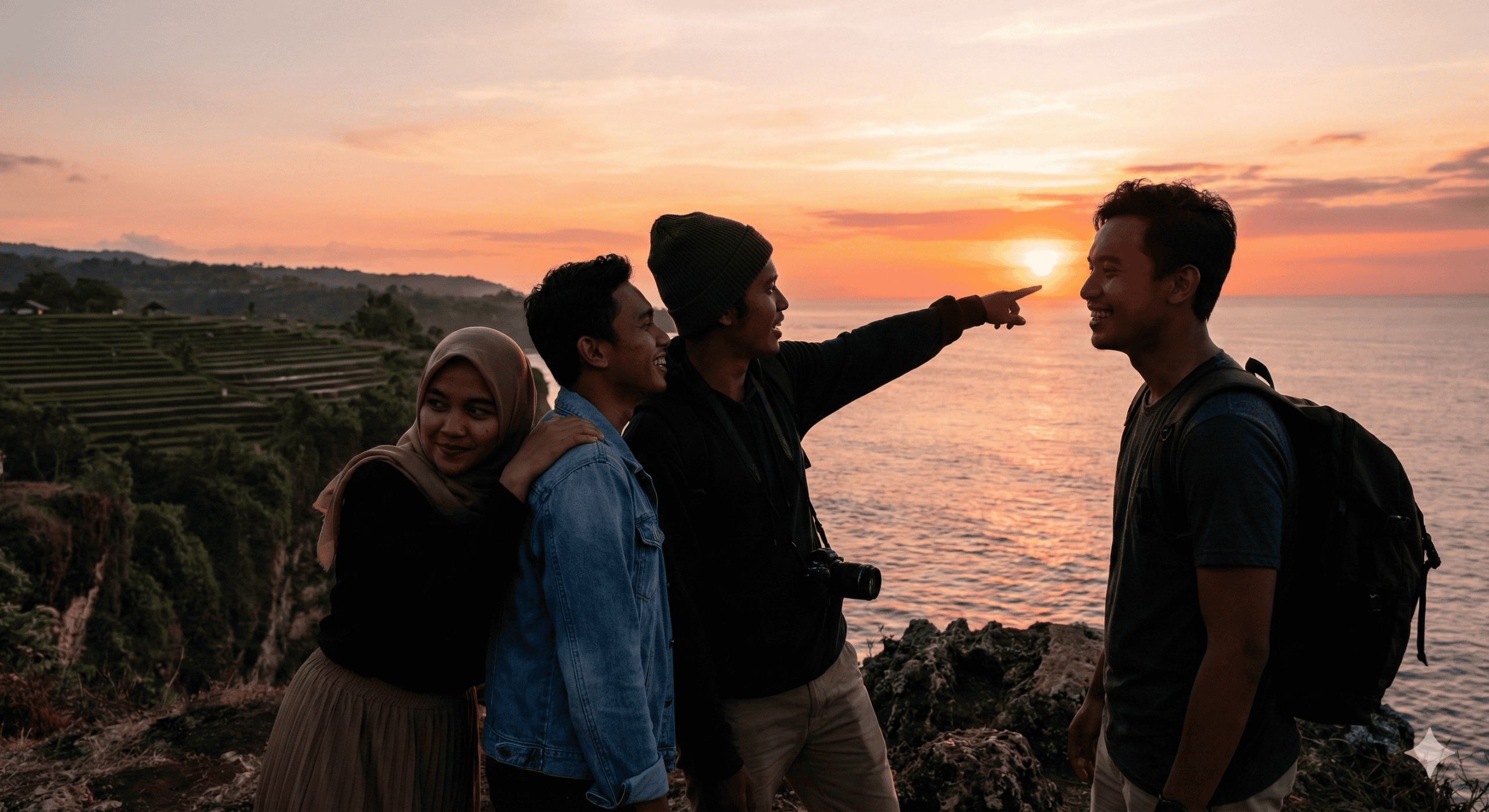
Why do we remember certain travel moments so vividly while others fade? Often, the difference is whether we experienced them alone or with others. The science and psychology behind shared experiences reveals why traveling with others, even strangers, creates deeper, more lasting memories.
The science of shared experiences
Research consistently shows that experiences become more intense and memorable when shared with others. A study published in Psychological Science found that both positive and negative experiences are amplified when we go through them with someone else.
The chocolate tasted better. The waiting felt longer. The view seemed more impressive. Simply having another person present changed the subjective experience itself.
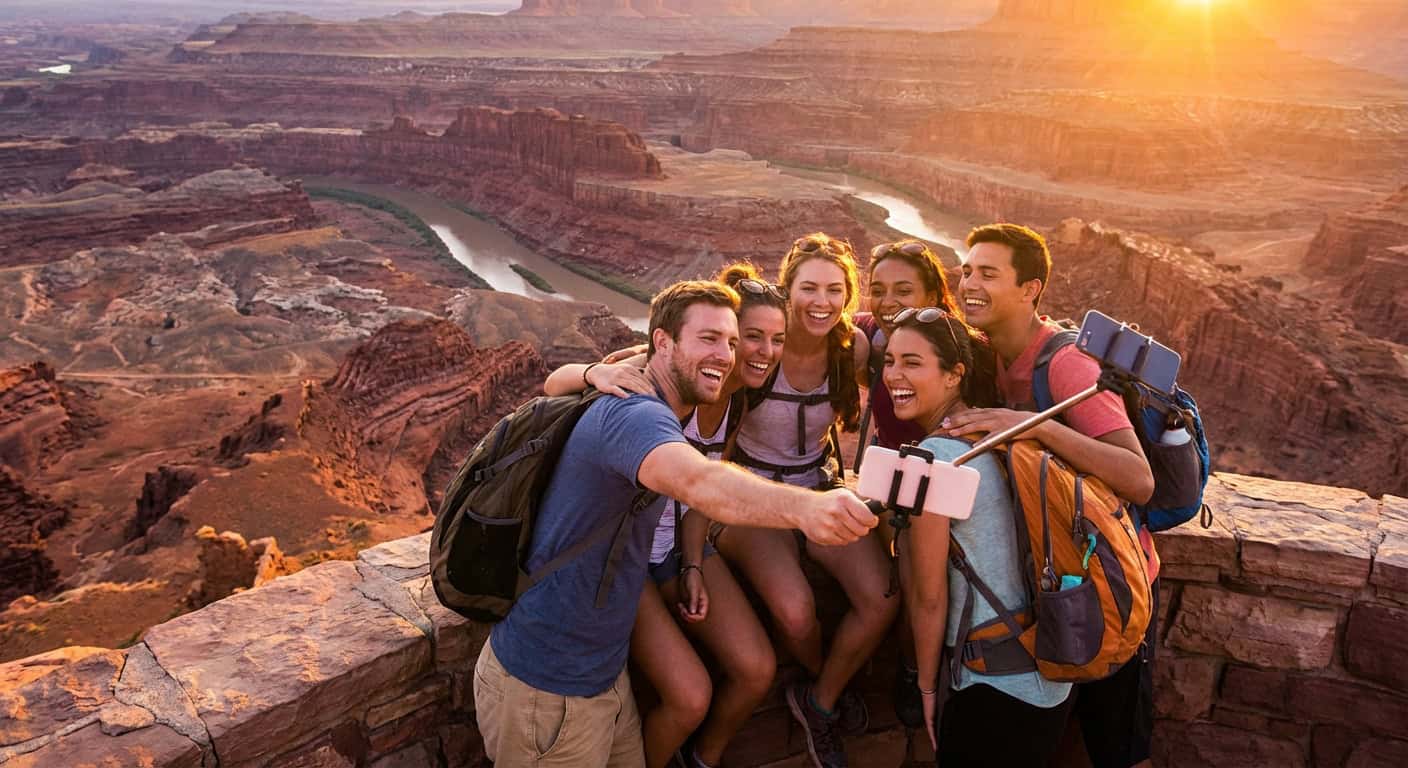
For travelers, this matters more than you might think. That sunrise you watched alone was beautiful. But that sunrise you watched with someone, sharing silence, exchanging glances, maybe holding hands with a stranger who became a friend, that sunrise becomes a story you tell for years.
Why travel connections feel so intense
Seasoned travelers often describe a phenomenon where they feel closer to someone they met for three days abroad than to friends they have known for years at home. This is not imagination; there is real psychology behind it.
Travel removes the “social armor” we wear in everyday life. Because you might never see these people again, you skip the small talk and get into deeper topics: fears, dreams, past struggles. This creates what experienced travelers call a “relationship accelerator.”
Travel friendships also exist in a vacuum, free from the context of jobs, social status, or family expectations. You bond with the person themselves, not their resume or social circle. This creates an authenticity that is hard to replicate at home.
With strangers on the road, you have no reputation to maintain. You can be whoever you want to be right now, without your past weighing you down. This “stranger on a train” phenomenon explains why people often confess their deepest thoughts to someone they just met in a hostel common room.
Why solo travelers seek connection
This is precisely why solo travelers actively seek out companions. Traveling alone offers freedom and self-discovery, but our brains are wired for connection. We want to turn to someone and say “Can you believe this?” We want someone to remember it with us.
The most experienced solo travelers understand this balance. They cherish their independence while remaining open to the connections that transform good trips into great ones.
Types of shared travel experiences
Shared meals
Food is inherently social; it is one of the best ways to meet people while traveling. Across cultures, sharing a meal signifies trust and fellowship. When you split a plate of pad thai with someone you met an hour ago, you are participating in one of humanity oldest bonding rituals.
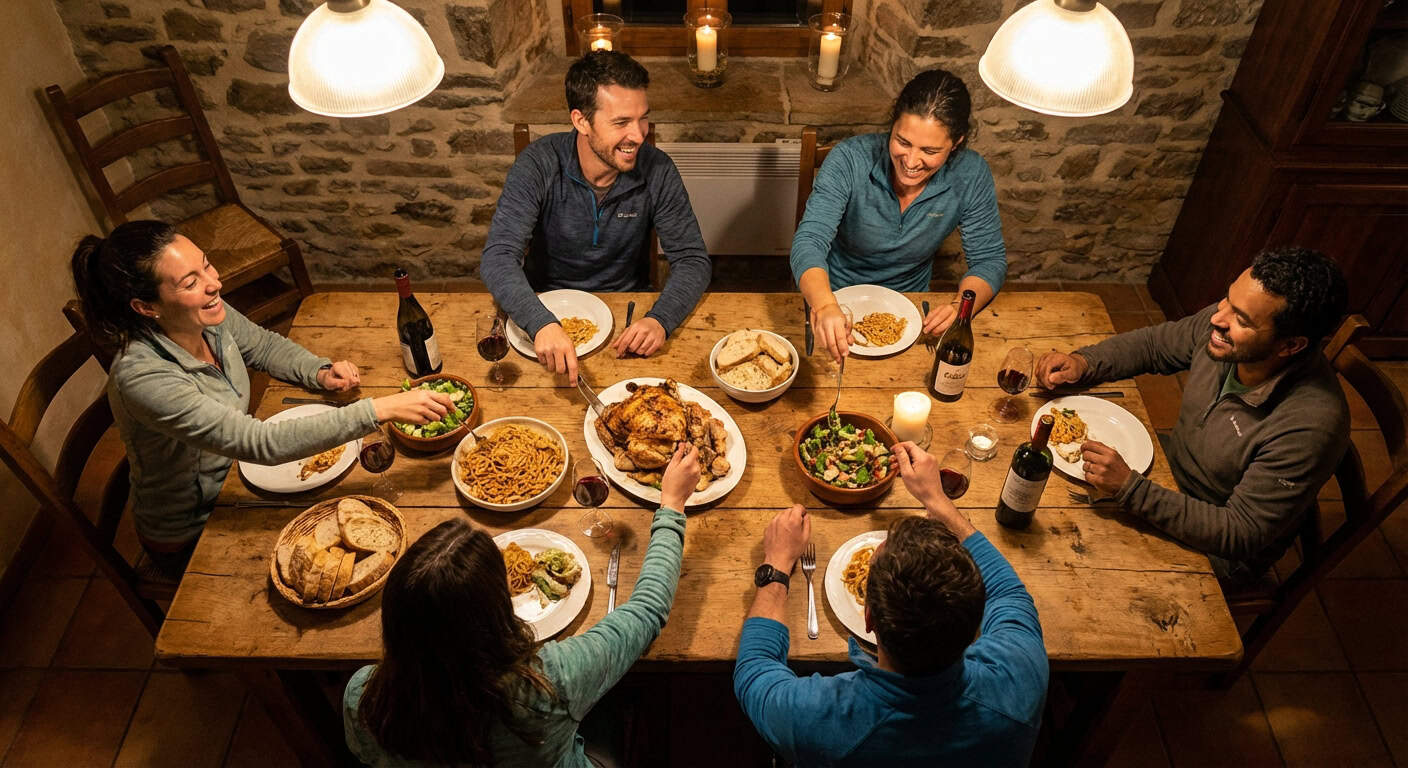
Some of the best travel memories happen around tables: the hole-in-the-wall restaurant a local recommended, the family-style feast where you did not know what you were eating, the street food tour where everyone tried everything.
Shared adventures
Challenging experiences bond people quickly. Hike a volcano together. Navigate a chaotic market together. Get lost together. The mild stress of adventure triggers a psychological response that makes us feel closer to whoever shares it.
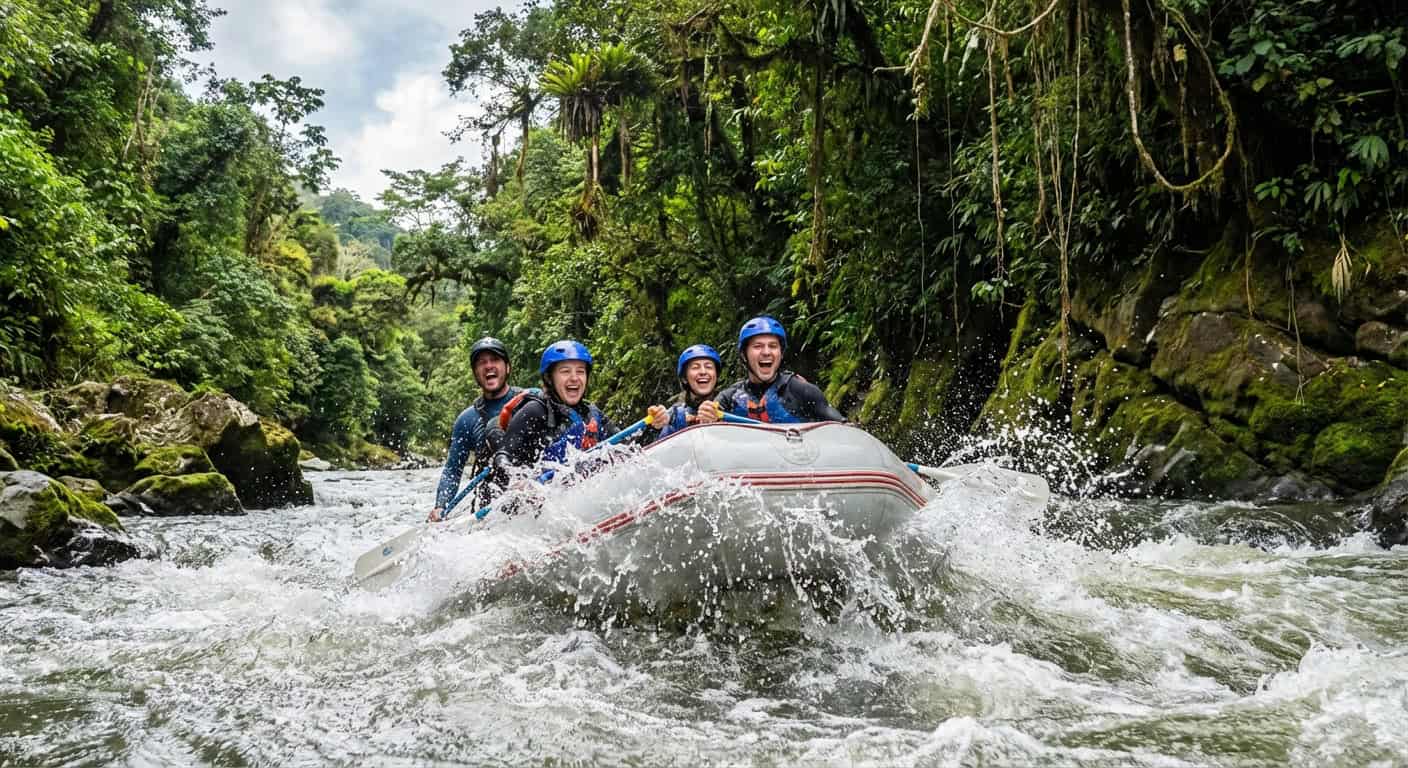
Experienced travelers note that overcoming mini-crises together (missed trains, getting lost, language barriers) releases dopamine and oxytocin, mimicking the chemical bonding of long-term relationships. This “trauma bonding lite” explains why a single adventure can create a friendship that feels years old.
This is why group tours, despite their reputation, often produce genuine friendships. Shared challenges create shared bonds.
Shared moments
Sometimes it is the quiet moments. Watching a sunset. Sitting in silence at a temple. Waiting out a rainstorm under a cafe awning. These moments, when shared, become anchors for memory.
The memory multiplier effect
Shared experiences benefit from what researchers call “collaborative recall.” When you experience something with others, you later remember it together. Each retelling reinforces the memory.
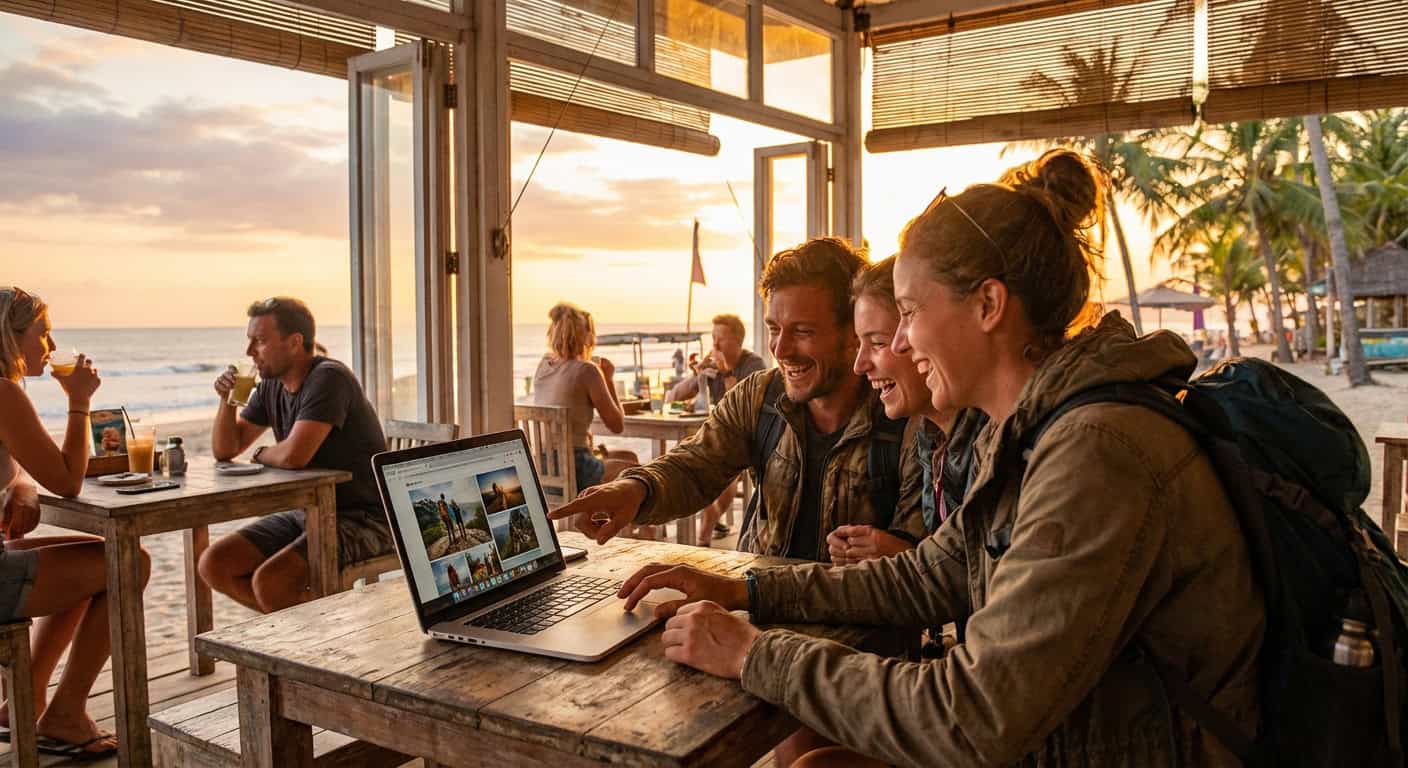
“Remember that night in Lisbon?”
“The one where we found that hidden bar?”
“And the old guy played guitar until 3am…”
Every conversation strengthens the neural pathways. Shared memories become more resilient, more detailed, more vivid than solo ones.
Moving beyond surface-level connections
Tired of having the same “Where are you from? How long are you traveling?” conversation repeatedly? Experienced travelers have developed strategies to break past the small talk and create genuine connections:
Skip the resume questions entirely. Ask “What is the best thing you have eaten this week?” or “What is a travel disaster you have survived?” These questions trigger emotional memories rather than factual recall, leading to actual conversation.
The fastest way to get a genuine answer is to give one. Sharing a small failure or embarrassment (“I got completely lost today and felt like an idiot”) invites the other person to drop their guard.
Instead of asking “Where are you going next?” ask “Why did you choose this trip right now?” This shifts the conversation from geography to motivation, revealing what actually matters to someone.
How to create shareable moments
If shared experiences are more memorable, how do you create more of them while traveling?
1. Use technology intentionally
Travel apps like HitchHive exist specifically to help you find people for shared experiences. Create an activity around something you want to do, a food tour, a hike, a museum visit, and let others join.
2. Choose social accommodations
Hostels, guesthouses with common areas, and even Airbnb Experiences are designed to facilitate connection. Private hotel rooms optimize for solitude; social accommodations optimize for meeting people.
3. Be the initiator
Do not wait for experiences to happen. Invite the person at the next table to join your walking tour. Ask your hostel dorm mates if they want to grab dinner. The best cities for solo travelers reward those who take social initiative.
4. Stay present
Shared experiences require actual sharing: being present with others, not distracted by phones or future plans. Put down the camera sometimes. Let moments be about connection rather than documentation.
The “finite friendship” reality
A common question among travelers: if these connections are real, why do they often fade once everyone goes home? Understanding this helps you appreciate travel friendships for what they are.
Think of these connections not as “failures” because they ended, but as complete experiences that were exactly what you needed at that moment. Some travelers call them “single-serving friends,” and that is not an insult. A three-day connection built on genuine vulnerability can be more meaningful than a ten-year acquaintance built on small talk.
The feelings were real. The compatibility for regular life might be an illusion: you bonded with the “vacation version” of each other, free from the stress of bills and work. That does not diminish what you shared.
Coming home: the re-entry challenge
Many travelers experience a difficult transition when returning home. Friends and family seem uninterested in your stories. You feel closer to people you knew for two weeks abroad than lifelong friends at home.
This is a real psychological phenomenon called “reverse culture shock.” While you were having transformative experiences, your friends bonded over their shared reality: work, local news, daily routines. You are trying to insert a context they cannot visualize, which can come across as boring or even bragging.
The solution? Share travel stories only when they naturally connect to the current conversation, rather than forcing every topic back to your trip. And seek out other travelers in your home city who understand the specific psychology of re-entry.
When solo moments matter
Still deciding between traveling alone or with others? Our guide on group travel vs solo travel explores the trade-offs. And if you are a digital nomad, learn about building remote work community on the road.
This is not an argument against solo experiences. Some moments are meant to be yours alone. The quiet morning coffee. The meditative museum visit. The journal session in a park.
Solo time provides the introspection that makes travel transformative. But humans are social creatures, and the most memorable journeys usually include both: time alone to process, and time together to experience.
The ripple effect
Shared travel experiences do not just create memories; they create relationships. That person you met for a single dinner might become a friend for life. You might visit each other across continents. You might travel together again years later.
The meal ends, but the connection continues.
Make your next trip unforgettable
Your next great travel memory is probably not a place; it is an experience shared with someone. It is the conversation, the laughter, the companionship that transforms a trip into a story worth telling.
HitchHive was built on this belief: that travel is better together. Join the community, find your people, and create experiences worth remembering.
Continue your journey
These guides will help you take the next step:
- Best Food Experiences to Meet Locals — Food is the universal language; learn how to use culinary adventures for authentic connections
- Staying Productive While Traveling — Keep creating memorable experiences while maintaining your work commitments
- The Complete Backpacking Guide — The immersive travel style that creates the most unforgettable shared moments
Leave a Reply