
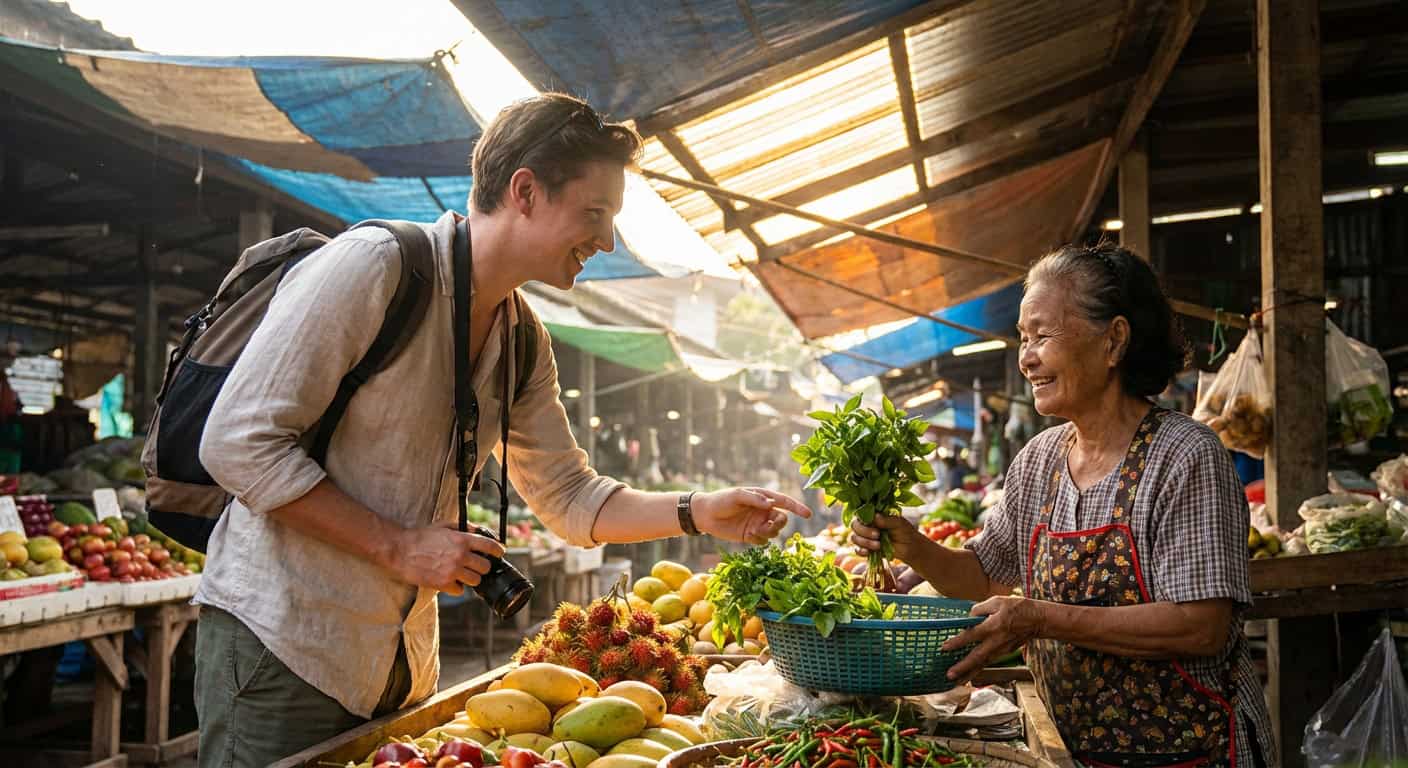
One of the biggest challenges for solo travelers is breaking through the tourist bubble to connect with locals. While visiting landmarks and taking photos is fun, the most memorable travel moments often happen when you share an authentic experience with someone who calls that place home.
Food experiences are a natural entry point. Locals are passionate about their food traditions and often eager to share them with curious travelers. Here are the best ways to use food as your gateway to genuine local connections. In the Philippines, the food scene is especially welcoming — see our guide to the best things to do in Cebu for lechon tours and market adventures.
Why food creates local connections
Food is personal. When you show genuine interest in what people eat, how they cook, and why certain dishes matter, you’re showing interest in their culture and identity. This opens doors that remain closed to tourists who stick to guidebook restaurants.
Local food experiences also take you to places tourists rarely go: neighborhood markets, family restaurants, street corners where vendors have served the same dish for decades. These are the spaces where real life happens and where connections feel authentic rather than transactional. In Medellin, food experiences like street almuerzo and local mercados are perfect for this.
For solo travelers looking to make connections, food experiences provide natural conversation starters. You’re not awkwardly approaching strangers — you’re participating in a shared activity that invites interaction.
Cooking classes with local families
The most immersive food experience is cooking in someone’s home. Many destinations now offer home cooking classes where local families teach their traditional recipes in their own kitchens.
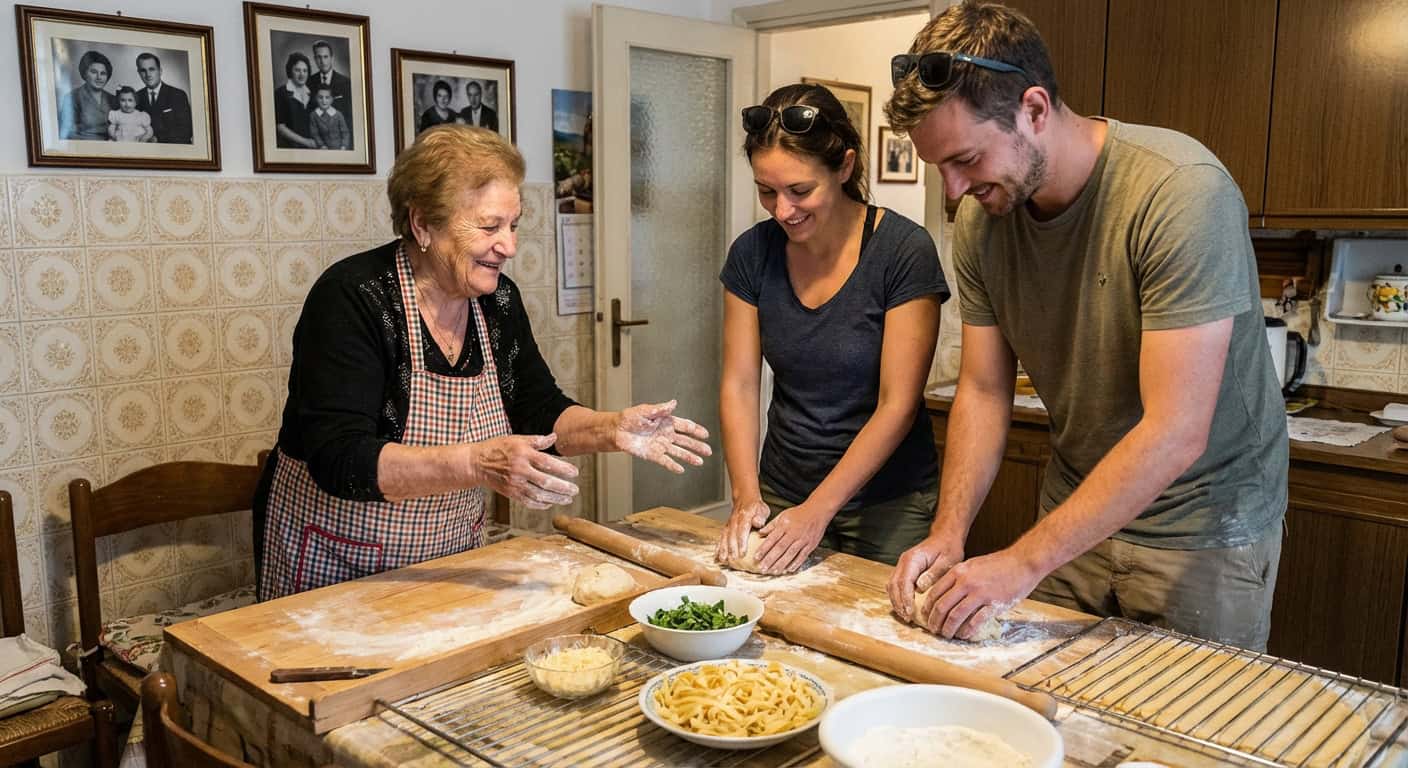
These experiences feel less like tours and more like visiting friends. You’ll see how locals actually live, learn family recipes passed down through generations, and share a meal at their table. The intimacy creates connections that commercial cooking schools can’t match.
Look for home cooking classes on platforms like Airbnb Experiences, Traveling Spoon, or EatWith. Read reviews carefully — the best hosts genuinely enjoy meeting travelers and sharing their culture, not just earning income.
What to expect
Most home cooking classes start with a market visit. Your host takes you to their regular market, introduces you to their favorite vendors, and explains how to select ingredients. This market tour alone is worth the price — you’re seeing the neighborhood through a local’s eyes.
Back at their home, you’ll prepare 3-5 dishes together. Good hosts explain the cultural significance of each dish, share family stories, and teach techniques you can use at home. The meal at the end feels earned because you helped create it.
Neighborhood market exploration
Markets are the center of local food culture. Unlike supermarkets, traditional markets build community. Vendors know their regular customers, shoppers chat while browsing, and the atmosphere is lively.
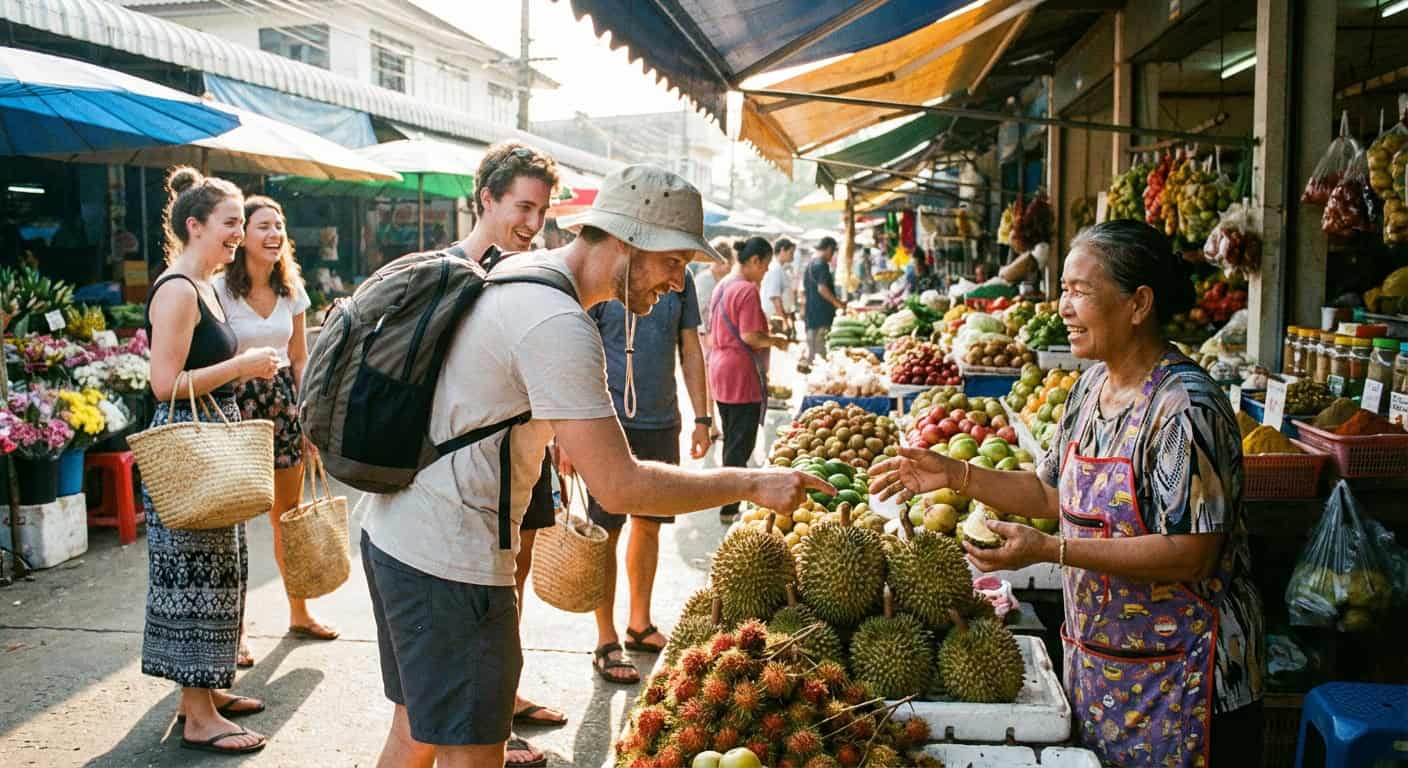
For solo travelers, markets offer low-pressure opportunities for interaction. Ask a vendor about their product, and they’ll often launch into enthusiastic explanations. Show curiosity about unfamiliar ingredients, and nearby shoppers might offer suggestions.
How to navigate markets for connection
Visit in the morning when markets are busiest and vendors have energy for conversation. The morning markets especially attract the older generation who are often chatty and curious about foreigners, even with a language barrier.
Don’t just look — buy small amounts of items that interest you. The transaction creates a connection point. Ask the vendor how to prepare what you bought, or request their recommendation for the best prepared food stall nearby.
Many markets have small eateries or food stalls inside. These are perfect for experiencing local breakfast culture alongside actual locals. You’ll often end up at communal tables or counters where conversation with neighbors feels natural.
Street food adventures
Street food vendors are often characters — passionate about their specialty, proud of their reputation, and happy to chat with interested customers. Unlike restaurant staff focused on turning tables, street vendors have time to talk between rushes.
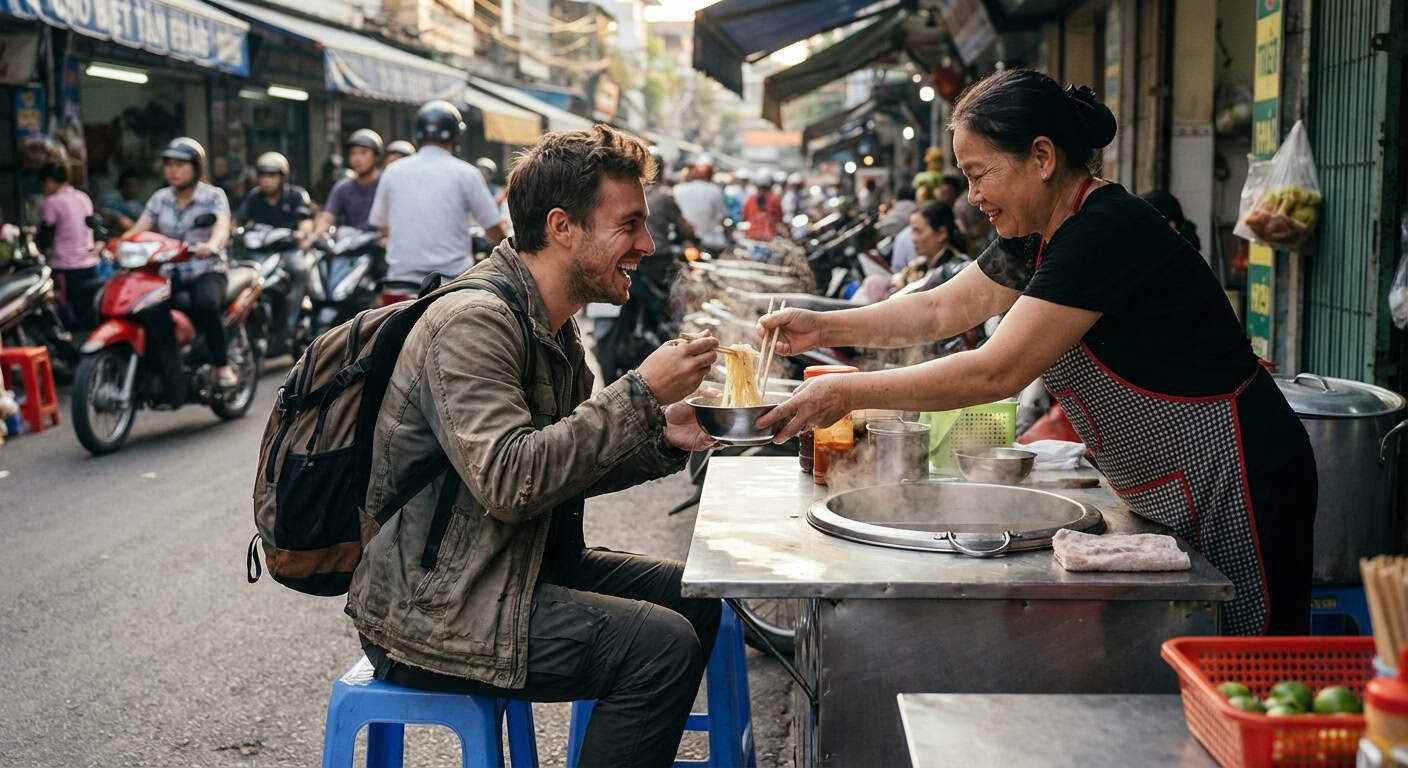
The best street food experiences happen when you become a regular, even briefly. Visit the same stall two or three days in a row, and you’ll notice a shift. The vendor remembers you, perhaps saves you a favorite seat, and opens up beyond basic transactions.
Finding street food spots with social potential
Look for stalls with limited seating where customers sit close together. Long communal tables or counter seating naturally make conversation easier. Avoid tourist-area street food where vendors are too busy (or jaded) for genuine interaction.
The best budget travel strategies include eating where locals eat. Follow office workers at lunch or families on weekend evenings — they know where the quality is and the prices are honest.
If you’re using HitchHive to find nearby travelers, suggest meeting at your favorite street food discovery. Sharing your find creates instant value in the relationship and gives you common ground to build on.
Food tours led by locals
The best food tours aren’t led by tourism professionals — they’re led by passionate locals who want to share their food culture. These guides often have day jobs and lead tours because they genuinely love connecting visitors with their city’s food scene.
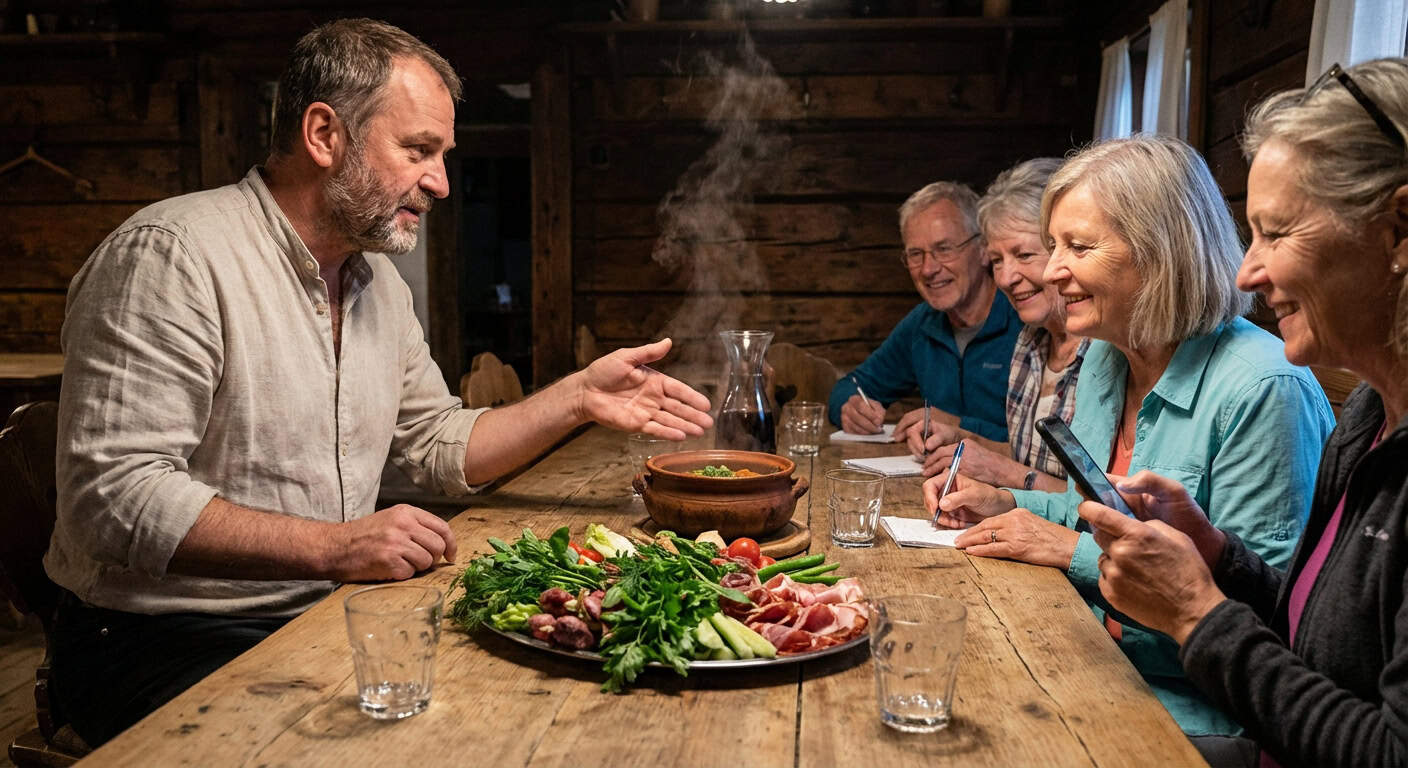
Look for tours described as “neighborhood” or “off the beaten path” rather than “highlights” or “must-try.” The former take you where locals actually eat; the latter visit the same spots every tourist already knows about.
Small group sizes (6-8 people maximum) allow for conversation with your guide. Ask about their personal history with the foods you’re trying, their own favorite spots, and what they think tourists misunderstand about their food culture.
Language exchanges and social mixers
Language exchanges (often called “Intercambios”) are actually social mixers disguised as language practice. Locals attend because they want to meet foreigners to practice English, which removes the awkwardness of approaching strangers.
Many language exchanges happen in cafes or bars and often include food or drinks. Even if you do not care about learning the language perfectly, these events solve the “awkward approach” problem because the whole point is talking to strangers.
Cooking clubs and supper clubs
Many cities have informal cooking clubs or supper clubs where locals and travelers gather around food. These might be expat groups who miss home cooking, international residents who rotate hosting dinners, or foodie communities that organize regular tastings.
Finding these groups requires some digging. Check Meetup, Facebook groups, and hostel bulletin boards. Apps like HitchHive also connect you with food-focused travelers who might know about local food communities.
Supper clubs (private dining experiences hosted in people’s homes) offer another avenue for connection. These ticketed dinners attract food-curious locals and travelers alike, creating natural mixing opportunities.
The “bicycle method” for rural connections
Experienced food travelers suggest renting a bicycle and riding out of the tourist center into nearby villages. In many Southeast Asian countries, this signals you are adventurous, and you are more likely to be greeted by curious locals who may invite you to share a meal or show you their favorite food spots. In northern Thailand, Chiang Mai’s cooking classes and night markets are some of the best food experiences in the region. And in western China, Chengdu’s fiery Sichuan cuisine offers some of the most unforgettable street food encounters in Asia.
Farm visits and agricultural tourism connect you with food producers — people whose relationship with food is their livelihood. Farmers are often eager to share their knowledge and proud to show what they do.
Da Nang’s food scene, from Mi Quang to Banh Xeo, is a perfect way to connect with locals while exploring the city.
Making connections last
The challenge with local connections is maintaining them after you leave. Here’s how to turn brief food encounters into lasting relationships:
Get specific contact info. “Let’s stay in touch” means nothing without action. Ask for Instagram, WhatsApp, or whatever platform they actually use. In some countries like Taiwan, locals use LINE rather than WhatsApp — ask what they prefer.
Send a follow-up. Message them a photo from your experience together with a genuine thank-you. This simple gesture distinguishes you from the hundreds of tourists they meet.
Offer reciprocity. If they ever visit your home country, offer to show them around or recommend your favorite food spots. Real relationships involve mutual generosity.
Return if possible. Nothing strengthens a connection like returning. If you pass through again, reach out and reunite. Second meetings often feel like seeing old friends.
Start exploring today
Food experiences give solo travelers the best chance at authentic local connections. Unlike tourist activities designed to extract money efficiently, food experiences centered on sharing, learning, and enjoying together create space for genuine human connection.
For more ideas on connecting with people while traveling, check out our comprehensive food travel guide and top cities for culinary travel.
Download HitchHive to find travelers who share your passion for food travel. Together, you can discover local food gems and build connections that last long after the last bite.
Continue Your Journey
Ready to go further? These guides will help you take the next step:
- Stay Productive While Traveling — Schedule food adventures around your productive work hours
- Building Community on the Road — Transform food connections into lasting travel friendships
- Solo Female Travel Safety — Safe approaches to food-based meetups for women travelers
Leave a Reply