
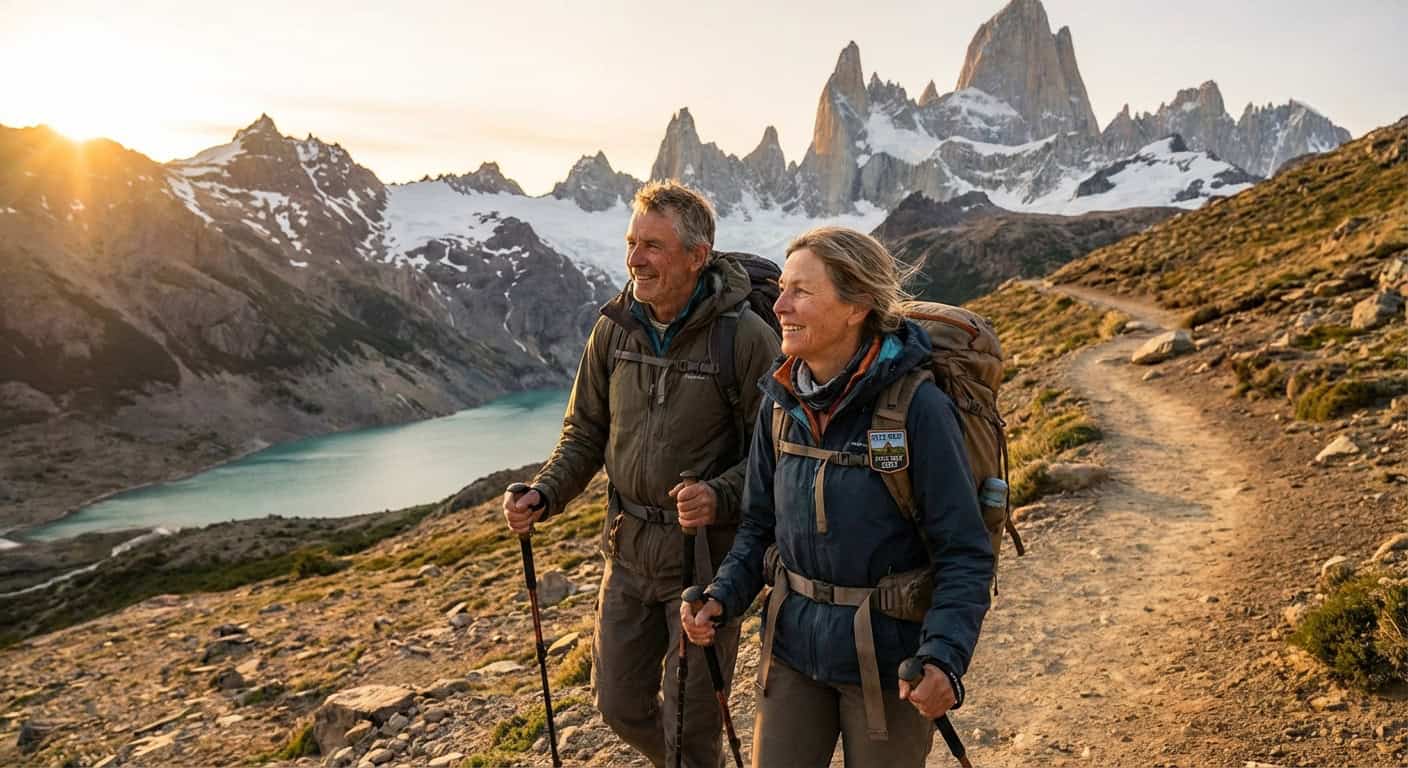
Hiking alone can be meditative and empowering. But there are compelling reasons to seek companionship on the trail, from safety in remote areas to the simple pleasure of sharing a spectacular viewpoint. If you’re traveling and want hiking partners, here’s how to find reliable companions for trails around the world.
Why hiking with others is safer and more enjoyable
The case for hiking partners extends beyond companionship. In wilderness areas, a partner provides a real safety net. If you twist an ankle on a rocky descent, having someone to help, or at least go for help, can be lifesaving. For technical terrain, river crossings, or areas with wildlife concerns, two sets of eyes and hands make a real difference.
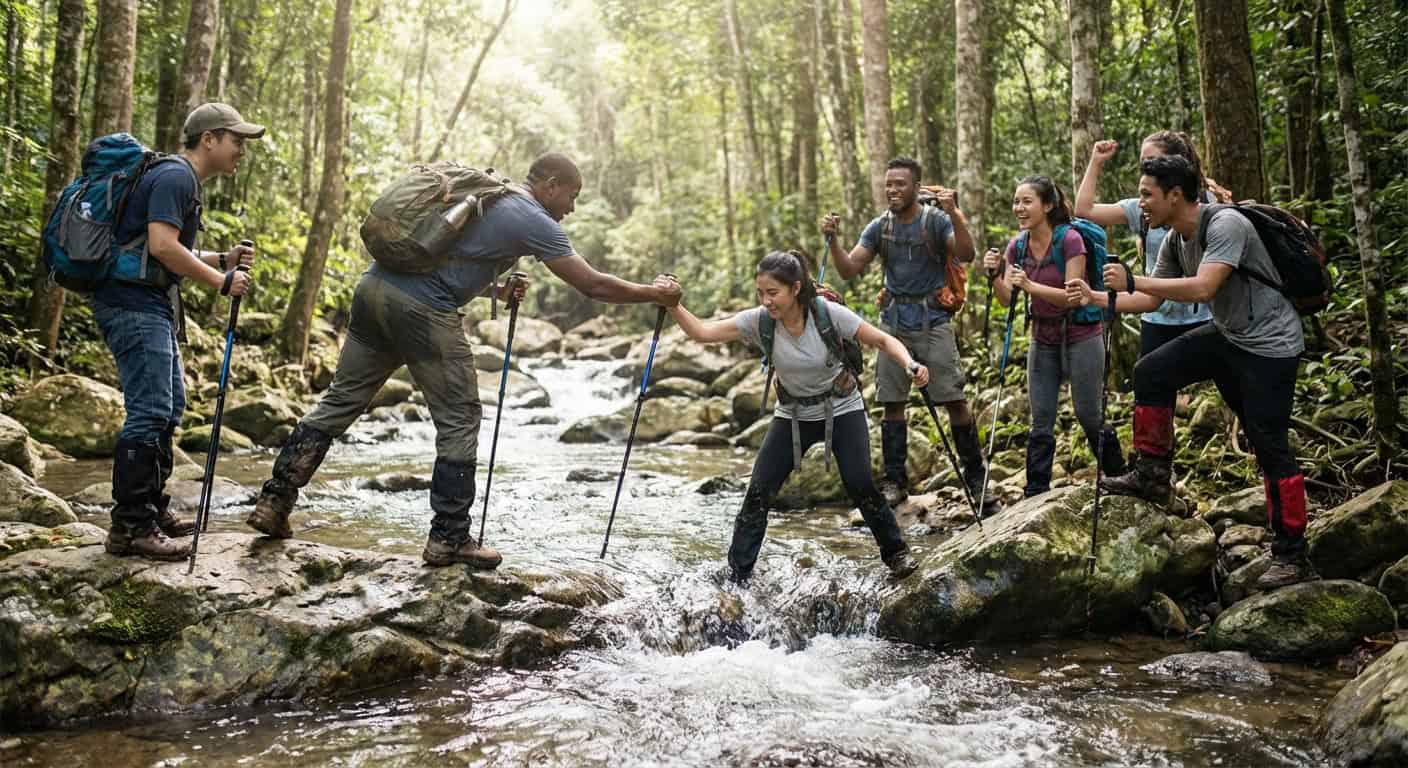
Partners also keep you accountable. When you’re tempted to turn back short of the summit or sleep in instead of catching the sunrise, a companion provides motivation. Many travelers report that their most memorable hikes happened because someone else pushed them to continue.
There’s also the simple joy of shared experience. Pointing out wildlife, taking photos of each other at viewpoints, and debriefing the day’s adventure over dinner are all better with company.
Where to find hiking partners
Hostels
Social hostels remain the best way to find hiking buddies. The strategy is simple: sit in the common room and ask, “Anyone want to go hiking tomorrow?” Most solo travelers in hostels are actively looking for things to do and people to do them with.
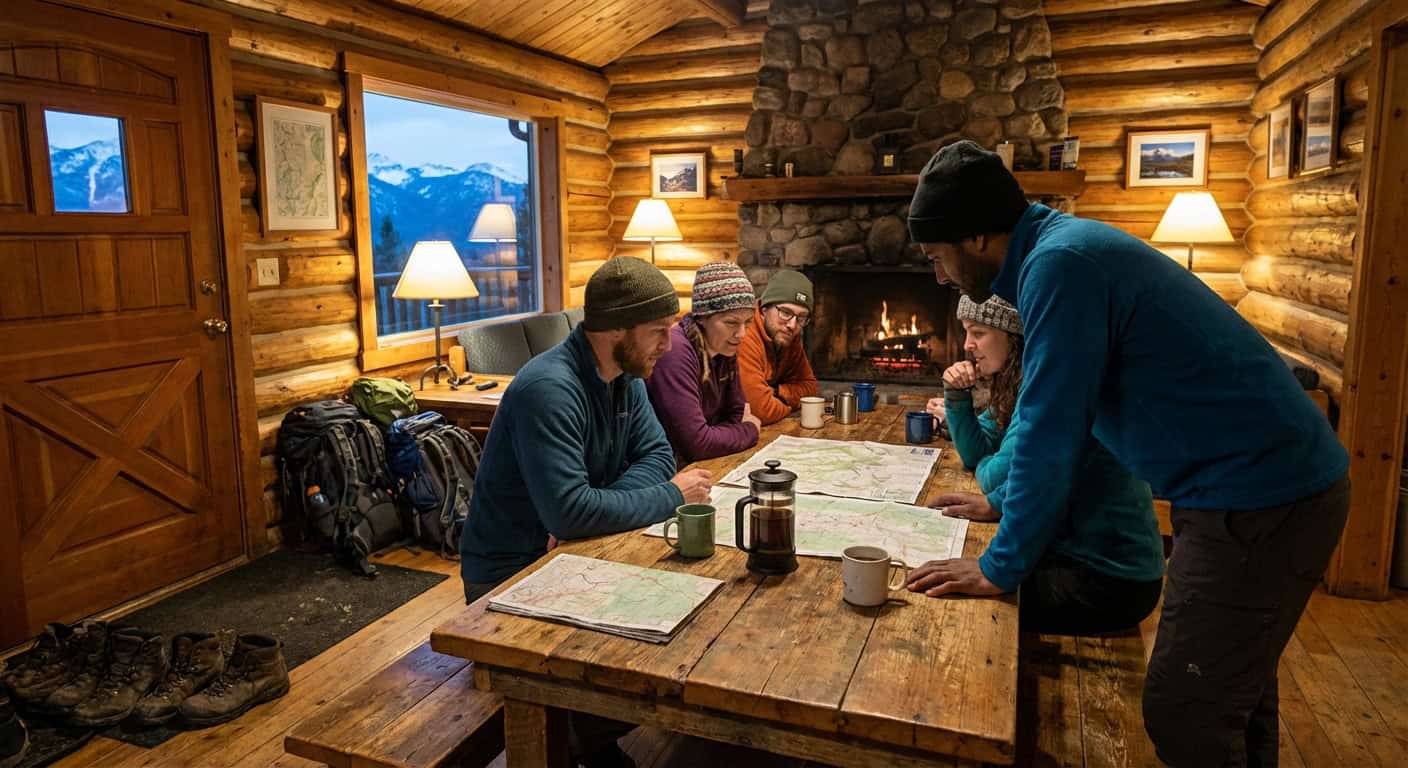
Look for hostels with high social ratings on Hostelworld, particularly those that mention “family dinners,” “organized activities,” or “great common areas.” Hostels located in hiking hotspots like Puerto Natales (gateway to Torres del Paine) or Chamonix (the Alps) are filled with like-minded outdoor enthusiasts.
Facebook groups
For more intentional partner-finding, Facebook groups consistently outperform dedicated apps. Search for “[Destination] Hikers,” “Backpacking [Country],” or specific trail groups like “W Trek Torres del Paine” or “Everest Base Camp Trekkers.” Post your specific plans with dates, and you’ll often find others with matching itineraries.
For women specifically, “Solo Female Traveler Network” and “Women Who Hike” groups are highly recommended for finding safe, vetted partners.
Apps and platforms
Several platforms cater to hikers seeking partners:
- Hostelworld Chat: The app’s chat feature lets you connect with people staying in the same city, making spontaneous “Who wants to hike tomorrow?” posts easy
- Bumble BFF: Switch your location to your destination a week before arriving and match with active travelers
- GAFFL: Designed specifically for finding travel buddies to split activities and costs
- Couchsurfing Hangouts: Even if you’re not staying with hosts, the Hangouts feature connects travelers in the same area
Local hiking clubs and groups
For more serious wilderness backpacking, local hiking organizations provide trustworthy partners. Groups like The Mountaineers (Seattle), Alpine Clubs (Europe), or trail associations (PCT, AT) attract people who are serious about the activity and trained in safety protocols.
REI classes and Sierra Club outings offer structured group hikes that double as networking opportunities. Even if you’re traveling, searching for local Meetup.com hiking groups can yield day-hike companions.
Using HitchHive to post hiking activities
HitchHive’s activity-based approach is perfect for finding hiking partners. Create specific activities like “Day hike to Tiger’s Nest, Bhutan, April 3rd” or “Multi-day W Trek partner needed, March 10-15” and connect with travelers who match your plans and pace.
The platform lets you specify your hiking experience level and preferences, helping ensure compatibility before you meet. Browse activities in your destination or create your own and let interested hikers come to you.
Vetting hiking partners: fitness level, experience, and pace
Finding a partner is step one. Ensuring compatibility is equally important. Mismatched expectations cause more hiking conflicts than any other factor. Before committing to multi-day treks with strangers, discuss:
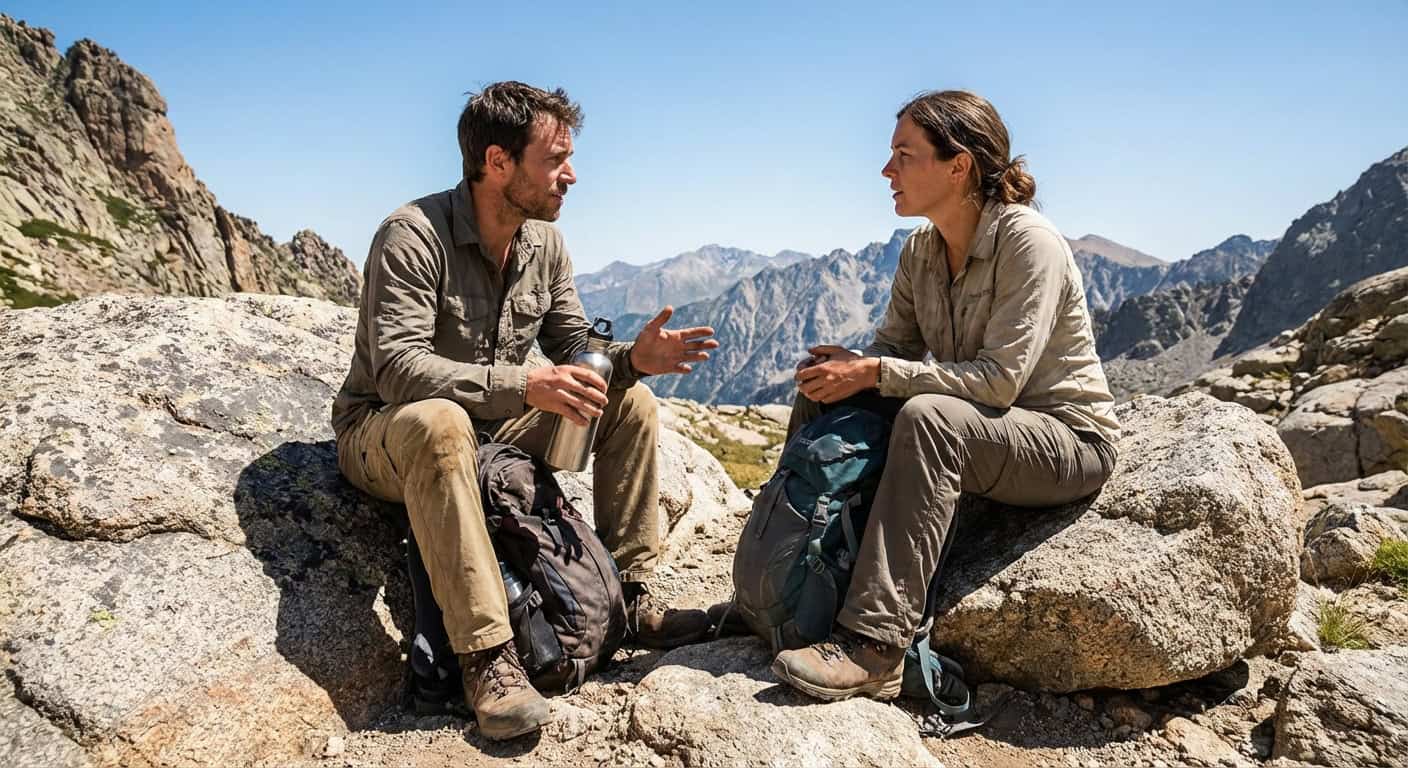
Fitness level: Be honest about your conditioning. Can you handle 8-hour days with elevation gain? How do you perform at altitude? A mismatch here leads to frustration for both parties.
Pace: Are you a fast hiker who wants to cover ground, or do you prefer stopping frequently for photos and snacks? There’s no wrong answer, but partners need similar approaches.
Experience: For technical terrain or remote wilderness, assess each other’s backcountry skills. Navigation, first aid knowledge, and experience with the specific type of hiking (high altitude, glacier travel, etc.) matter.
Daily rhythm: Early risers who want to hike before dawn clash with night owls who prefer leisurely starts. Discuss preferences upfront.
The universal advice from experienced hikers: do a “test hike” first. Meet for coffee, then a day hike, then perhaps a weekend trip. If you survive a weekend camping trip with no major conflicts, you’re probably compatible for bigger adventures. For more on evaluating potential companions, see our guide on how to vet travel companions.
Gear and preparation for group hikes
Hiking with partners affects your gear list. You can share certain items to reduce weight and cost:
- Navigation: One person carries the map/GPS; another has the backup
- First aid: One full kit rather than two basic ones
- Shelter: Share a two-person tent instead of carrying two singles
- Cooking: One stove system serves multiple people
- Emergency communication: Split the cost of a satellite communicator rental
Discuss gear distribution before the hike. Who carries the heavier communal items? How will you handle it if one person struggles with the weight?
Communication and safety protocols on the trail
Before setting out with new hiking partners, establish clear protocols:
Stay together or leapfrog? Some groups prefer hiking side-by-side; others hike at their own pace and meet at predetermined points. Decide your approach and stick to it.
Communication signals: If you’ll be out of voice range, agree on whistle signals (three blasts typically means emergency).
Turnaround time: Agree in advance on when you’ll turn back regardless of progress. Weather windows and daylight matter more than reaching destinations.
Emergency plan: What happens if someone gets injured? Who goes for help? Where’s the nearest evacuation point?
These conversations might feel overly cautious for day hikes on popular trails, but they become essential for multi-day wilderness trips. Our safety guide for solo travelers covers additional considerations.
Best destinations for meeting fellow hikers
Some destinations are naturally more social for hikers.
Nepal (Everest and Annapurna regions): The teahouse trekking system means you’re never far from other hikers. Similarly, Chengdu’s mountain day trips to Emeishan and Qingcheng Mountain attract hikers from around the world and make finding trail companions easy. Even starting solo, you’ll naturally form connections over meals at lodges. The shared challenge of altitude creates quick bonds.
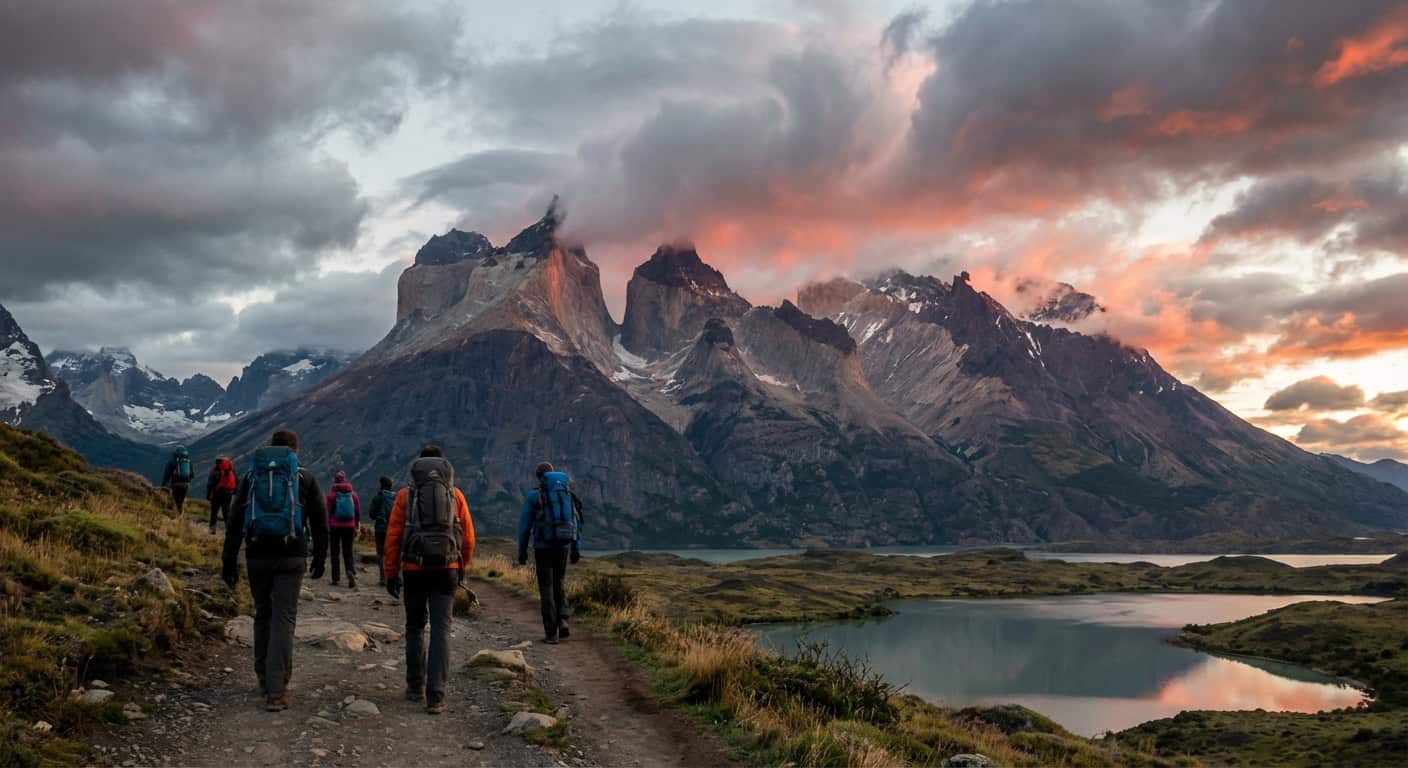
Patagonia (Torres del Paine): The W Trek and O Circuit function like “hiking highways” where you leapfrog the same group of people for days. Refugio dining halls have communal seating that makes conversation unavoidable.
Peru (Inca Trail): Guided groups are mandatory, so you’ll automatically have companions. The shared goal of reaching Machu Picchu creates camaraderie.
Long-distance trails (Camino de Santiago, Tour du Mont Blanc): These trails have cultures of their own. The “tramily” phenomenon, forming trail families with people hiking at similar paces, is practically unavoidable.
For more destination ideas, see our guide to top destinations for adventure travelers.
Pre-planning vs. finding partners on the trail
There’s genuine disagreement among experienced hikers about the best approach. Some argue for vetting partners thoroughly before departing, the “test drive” approach of building trust through increasingly challenging trips together.
Others advocate for showing up solo and finding partners on the trail, arguing that this approach naturally filters for compatible hikers (people who hike your pace are right there beside you) and avoids the flaking that often happens with online arrangements.
The right answer depends on your comfort level and the terrain. For popular, well-marked trails with regular refuges, spontaneous partnerships work well. For technical or remote backcountry, pre-vetting provides important safety margins.
For more on balancing independence and companionship, read our exploration of group vs. solo travel dynamics.
Hit the trail
Finding hiking partners while traveling requires initiative but isn’t complicated. Stay in social accommodations, post specific plans in hiking communities, and be willing to do test hikes before committing to big adventures.
The trails are full of people looking for exactly what you’re looking for: meaningful adventure shared with compatible companions. Your next trailmate might be in the hostel kitchen right now, planning tomorrow’s hike.
Create a hiking activity on HitchHive today and connect with travelers who share your passion for the trail.
Continue Your Journey
- How to Stay Productive While Traveling
- The Digital Nomad Guide
- How to Find Foodie Travel Buddies
- Things to Do in Da Nang for Digital Nomads – From Marble Mountains to the Hai Van Pass, Da Nang delivers on adventure
- Off the Beaten Path Southeast Asia – Discover hidden gems like Borneo’s jungles and Sumatra’s orangutan treks
Leave a Reply