
Travel does not have to drain your savings. With the right strategies, you can see the world for a fraction of what most people spend. Here are 15 proven budget travel hacks that experienced backpackers swear by.
Accommodation hacks
1. Master hostel booking
Hostels are your biggest money-saver. But not all hostels are equal. Look for hostels with kitchens (cook your own meals), free breakfast, and included activities. Book directly with hostels when possible — they often offer better rates than booking platforms.
2. Use work exchanges
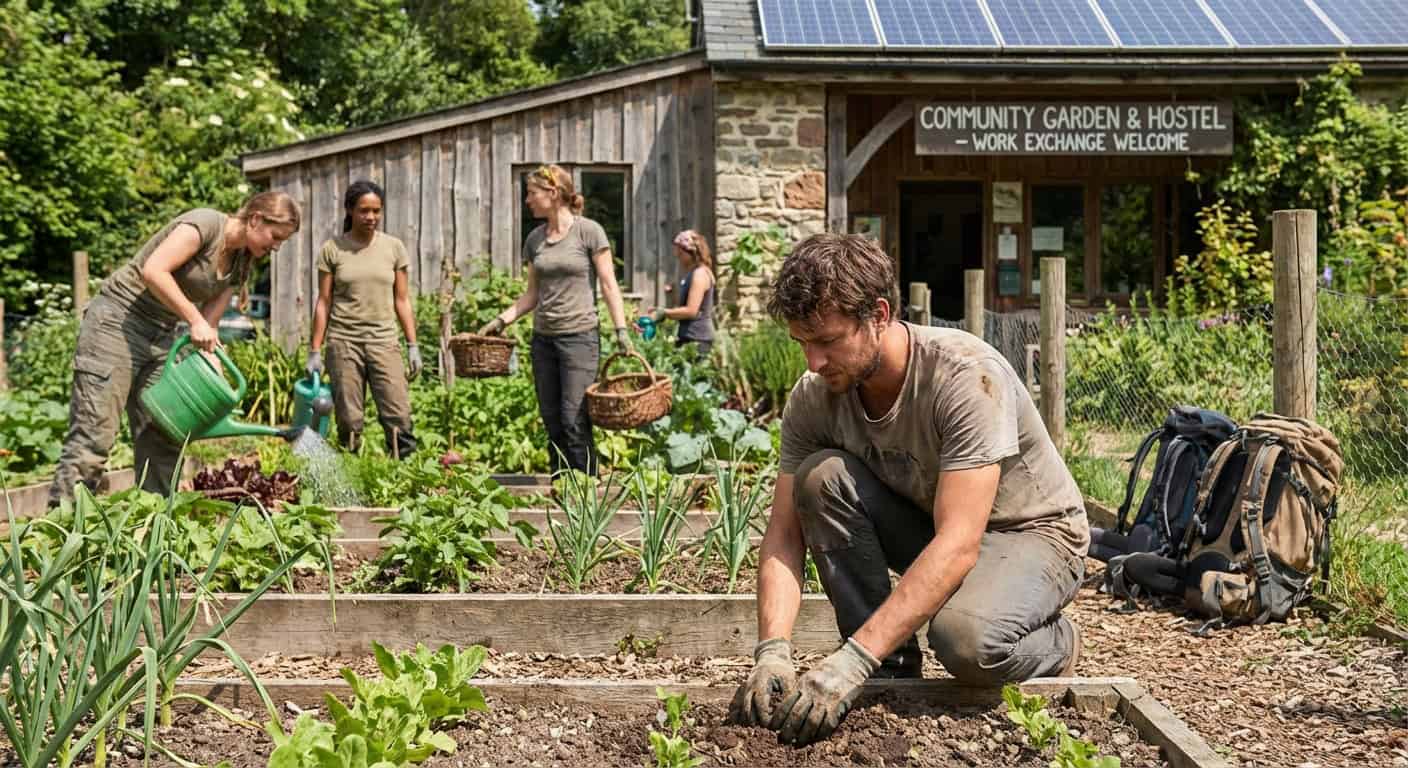
Platforms like Worldpackers and Workaway connect travelers with hosts who offer free accommodation in exchange for a few hours of work daily. Work at hostels, farms, or eco-projects while exploring new destinations.
3. Try Couchsurfing
Stay with locals for free while gaining cultural insight. Beyond saving money, Couchsurfing connects you with people who know their cities intimately. Build a strong profile, write genuine requests, and be a good guest.
4. Consider house sitting
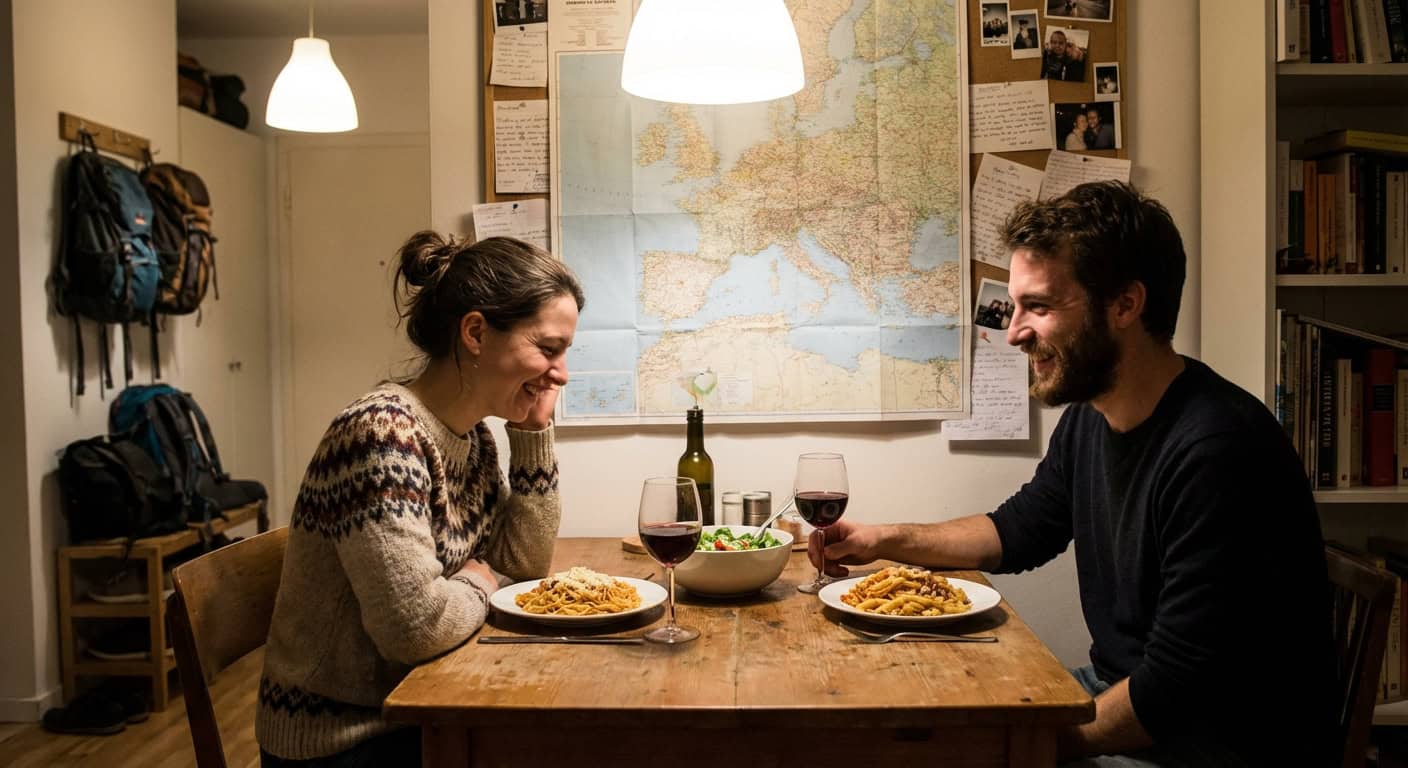
Care for someone’s home and pets while they travel. Sites like TrustedHousesitters list opportunities worldwide. Popular in Europe, Australia, and North America — often in locations where accommodation is expensive.
5. The “business hotel” hack (Japan)
In Japan, skip Western hotel chains and stay at business hotels like APA Hotel, Dormy Inn, or Super Hotel. Rooms are compact but clean, modern, and often include public baths (onsen). You will pay a fraction of tourist hotel prices.
Transportation hacks
6. Fly mid-week, not weekends
The old advice about “booking on a Tuesday” is now a myth — airline algorithms change prices by the minute. However, flying on a Tuesday or Wednesday is consistently 13-15% cheaper than weekend flights. Use flexible date searches to confirm.
7. Take overnight transport
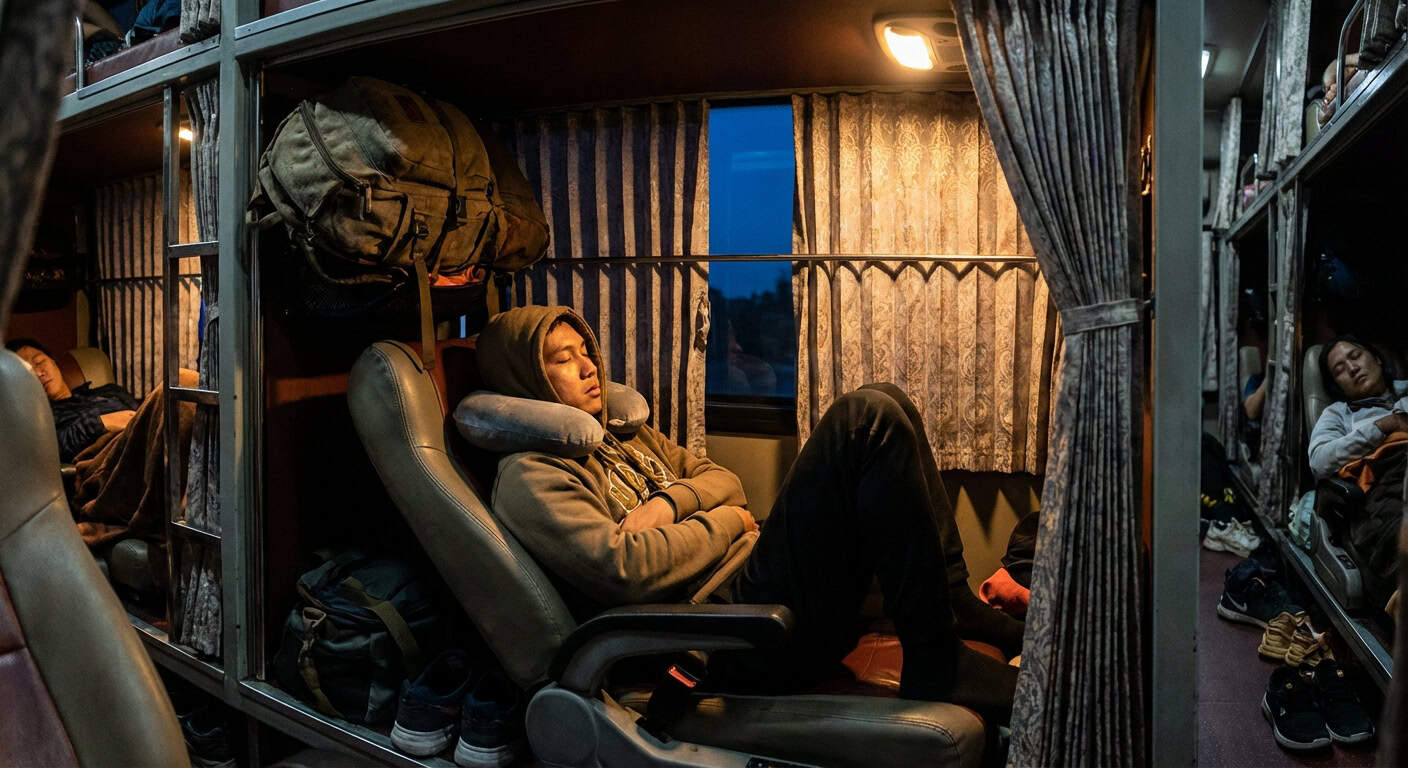
Night buses and trains serve double duty — you travel and sleep, saving a night of accommodation. Common in Southeast Asia, South America (check our Medellin cost of living breakdown for budget tips), and Europe. Bring a neck pillow and earplugs.
8. Let cheap flights pick your destination
Instead of choosing a destination and then searching for flights, use the “Explore Everywhere” feature on Google Flights or Skyscanner. Let the cheapest available flight determine your next stop. This is how budget travelers find unexpected gems.
9. Use budget airlines wisely
Budget airlines offer great deals if you know the rules: book early, travel light (avoid baggage fees), bring your own food, and skip seat selection. Set fare alerts for routes you are planning. For international trips, the booking sweet spot is 4-6 months in advance.
10. Walk everywhere
The best way to experience a city is on foot. You save money on transport while discovering neighborhoods, street food, and hidden spots you would miss from a taxi window.
Food hacks
11. Eat where locals eat
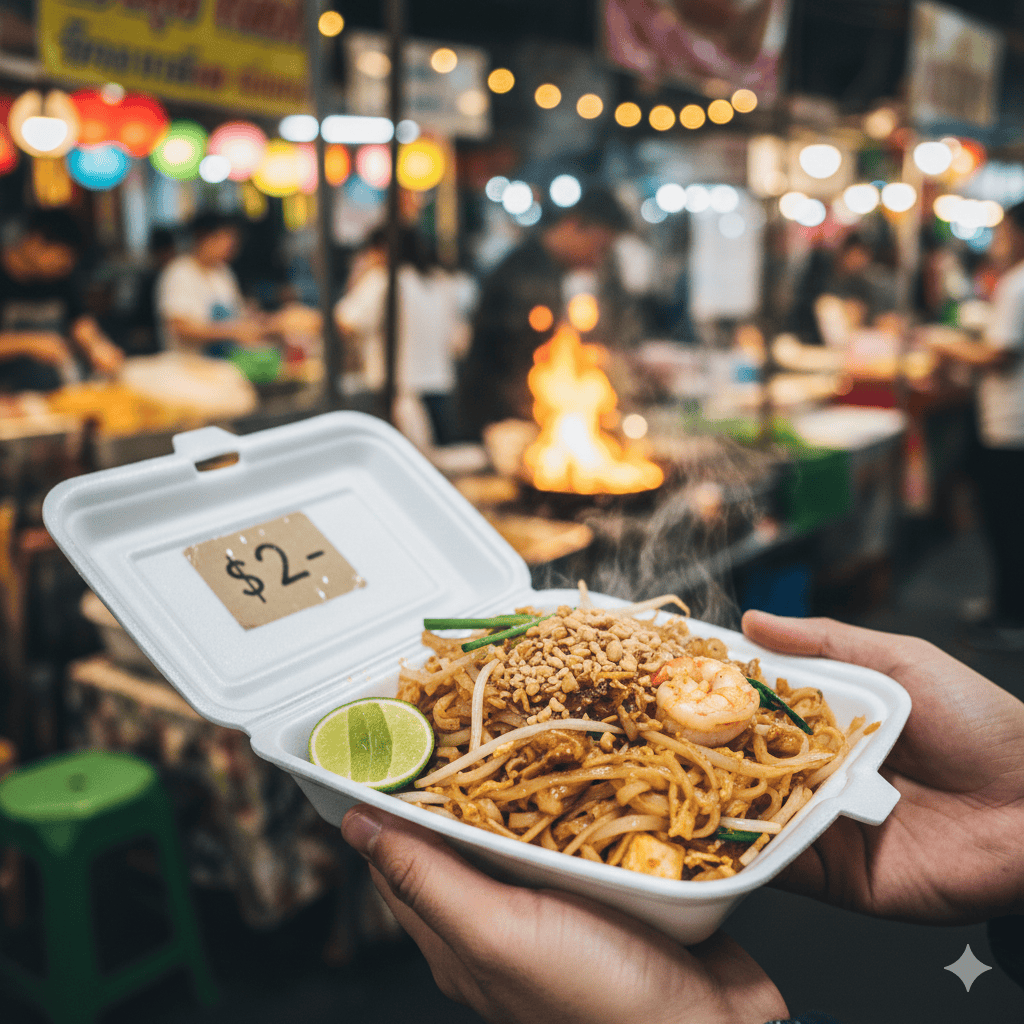
Tourist restaurants charge tourist prices. Find where locals eat lunch — markets, street stalls, neighborhood spots. The food is usually better and cheaper. Follow the crowds and look for high turnover.
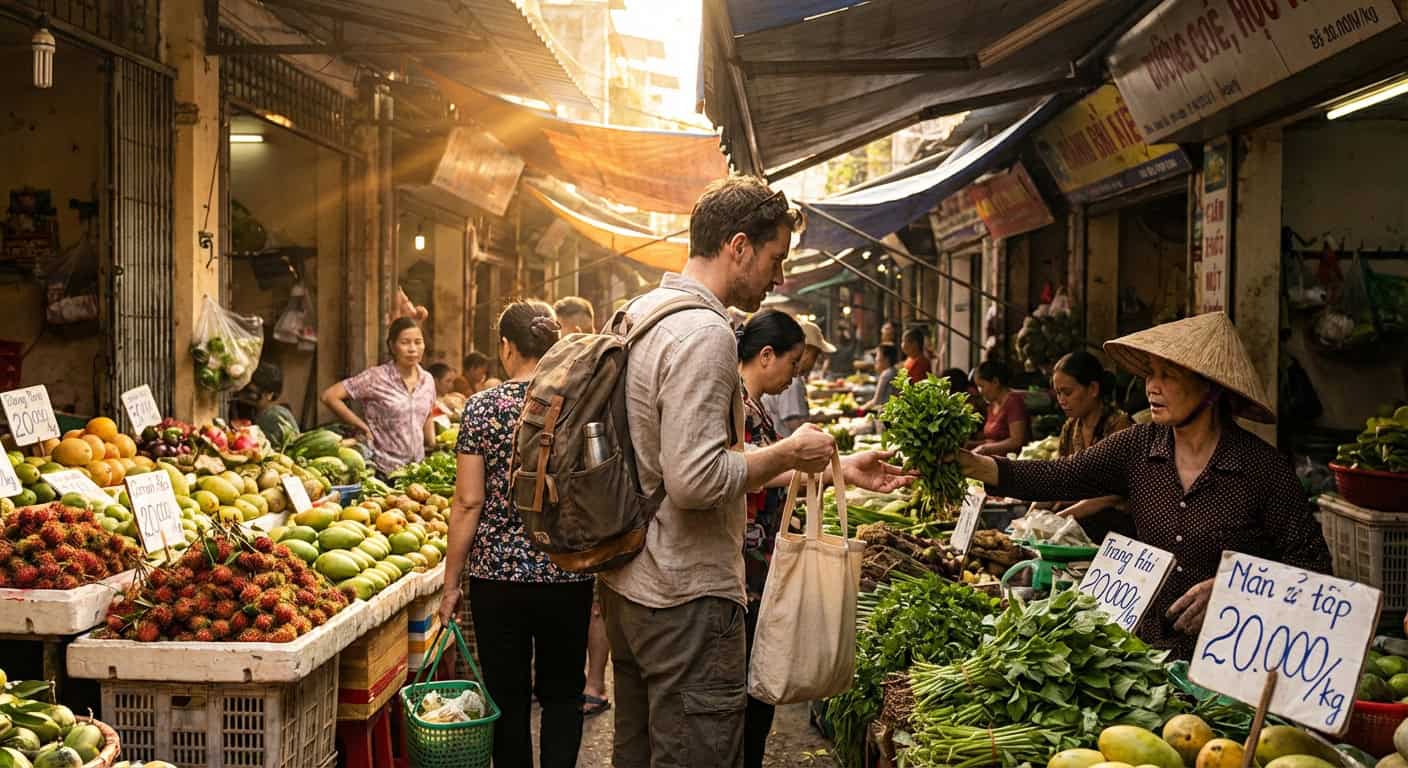
In Europe and Italy specifically, avoid sit-down restaurants in tourist areas that charge a “coperto” (cover charge). Eating pizza “al taglio” (by the slice) or assembling supermarket picnics saves significant money.
12. Cook your own meals
Choose hostels and accommodations with kitchens. Visit local markets for fresh ingredients. Even simple meals — pasta, sandwiches, salads — save significant money compared to eating out for every meal.
13. Embrace convenience store culture
In Japan, convenience stores (7-Eleven, Lawson, FamilyMart) serve restaurant-quality meals for $3-5. In Thailand, 7-Eleven is a backpacker institution for cheap toasted sandwiches. These are not your typical convenience stores — the food is genuinely good.
14. Use food rescue apps
Apps like Too Good To Go (popular in Europe) let you buy leftover food from restaurants and bakeries at the end of the day for huge discounts. Perfect for budget travelers who are flexible about what they eat.
15. Carry snacks
Keep nuts, fruit, and granola bars with you. Hungry travelers make expensive decisions. When hunger strikes between meals, you will not be tempted by overpriced tourist cafes.
Money hacks
Use the right bank cards
ATM fees and currency conversion charges add up fast. Get a travel-friendly debit card that reimburses ATM fees (Charles Schwab is highly recommended by US travelers) and a credit card with no foreign transaction fees. Withdraw larger amounts less frequently to minimize per-transaction fees.
Track every expense
Use an app like TravelSpend to log daily spending. Awareness alone changes behavior. You will spot patterns — maybe you are overspending on coffee, transport, or nights out. Tracking enables adjustment before your budget is blown.
Travel slowly
Moving frequently is expensive. Every bus, train, or flight costs money. Staying longer in fewer places reduces transport costs, often qualifies for accommodation discounts, and gives you deeper experiences. Slow travel is better travel.
Packing hacks that save money
Smart packing reduces costs throughout your trip:
- Carry-on only: Avoid checked bag fees on budget airlines (some now charge for carry-ons too — check policies carefully)
- Solid toiletries: Shampoo bars, toothpaste tabs, and solid deodorant bypass liquid restrictions and save space
- eSIMs over roaming: Apps like Airalo and Holafly sell cheap local data instantly — far cheaper than carrier roaming fees
- The pillowcase hack: Stuff a zippered pillowcase with clothes to use as a pillow on flights. It often does not count toward baggage limits
Destination matters
Your choice of destination has the biggest budget impact. In Southeast Asia (where places like Cebu cost under $1,300/month) or Central America, $30-50/day covers everything comfortably along the Banana Pancake Trail, and visa run strategies can keep you legal without breaking the bank. For a detailed example, see our Chiang Mai cost of living breakdown — one of the best-value destinations in the world. In Western Europe or Australia, that might cover just accommodation. Research costs before committing to a region.
Consider “destination dupes” — cheaper alternatives to famous spots. Slovenia instead of Switzerland has similar Alpine scenery at a fraction of the cost. Albania’s beaches rival Croatia’s. Guatemala delivers Central American adventure for less than Costa Rica.
The best cities for budget travelers combine low costs with strong backpacker infrastructure.
Cities like Da Nang let you live well on a budget — see our Da Nang cost of living breakdown for specifics. In China, Chengdu is remarkably affordable with world-class street food for under $3 a meal.
The mindset shift
Budget travel is not about deprivation, it is about priorities. You are trading luxury for longevity. That money saved on a fancy hotel means another week on the road. That cheap street meal might be the best food you have ever eaten.
The backpacking lifestyle proves you do not need money to have great experiences. The best moments — sunsets, conversations, shared adventures — are free.
Start saving today
Every dollar saved extends your trip. Start implementing these hacks now, and watch your travel budget stretch further than you imagined possible.
Connect with fellow budget travelers on this travel app for backpackers — because traveling together often means saving together.
Continue your journey
These guides will help you take the next step:
- Stay Productive While Traveling — Earn money remotely while implementing these budget strategies
- Building Remote Work Community — Connect with other budget-conscious travelers and nomads on the road
- Find Foodie Travel Buddies — Share costs and culinary adventures with like-minded food lovers
- Chengdu on a Budget — How to explore one of China’s best cities on $30 a day
Leave a Reply