
Why Cebu is the Philippines’ best-kept secret for digital nomads
Most digital nomads who come to the Philippines land in Manila, check it off their list, and either love it or hate it. Very few think to fly the extra hour south to Cebu. That’s their loss.
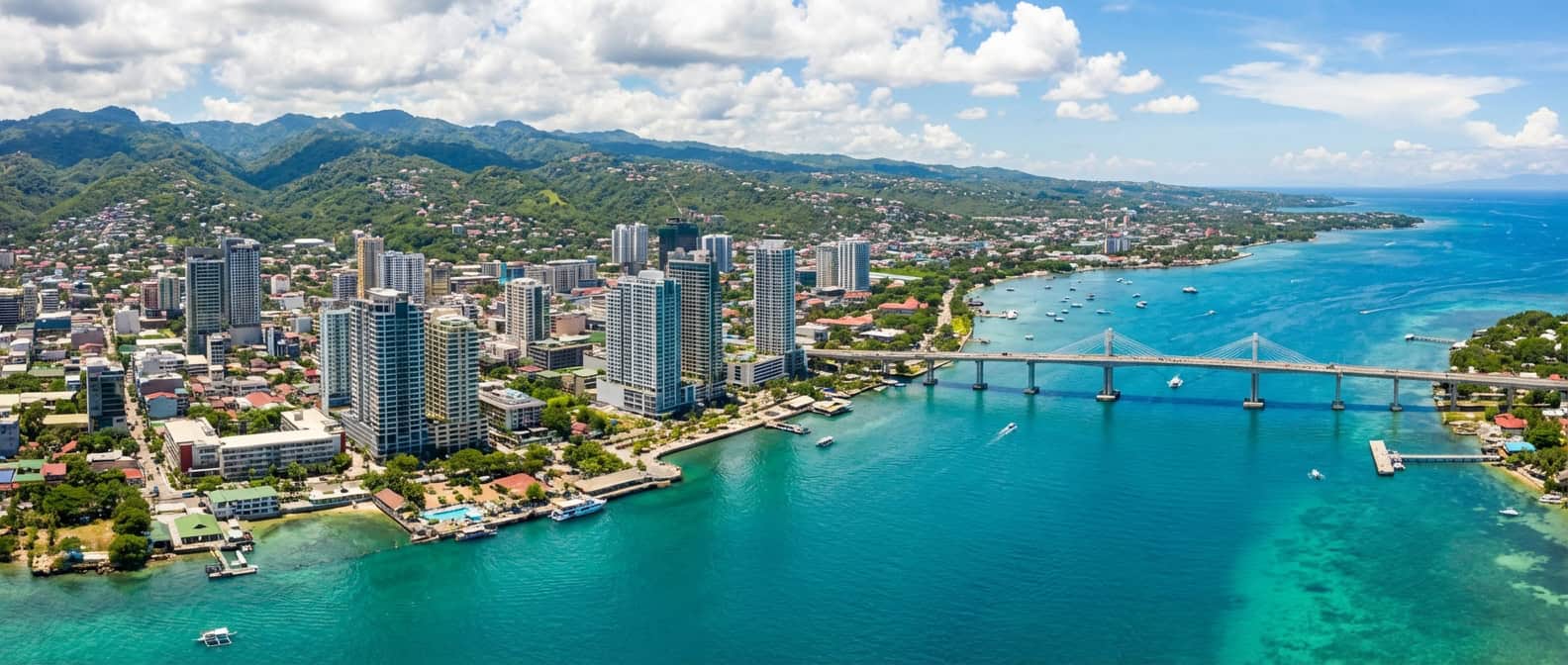
Cebu sits in the central Visayas, the island group that contains some of the most beautiful coastline in Southeast Asia. But unlike the picture-perfect beach towns that dot these islands, Cebu City has genuine infrastructure. Fiber internet, modern hospitals, coworking spaces, international restaurants, and a growing tech scene powered by the BPO industry that runs 24/7. It’s an island city that actually works for remote workers, not just vacationers. If you’re building your shortlist of the best cities for digital nomads or exploring the Philippines as a remote worker, Cebu has something no other city in the Philippines can match: a functioning urban base with world-class beaches a bus ride away.
I came to Cebu planning to stay two weeks between island-hopping trips. Three months later, I was still renewing my condo lease and had a regular table at a cafe in IT Park. Here’s everything I learned about making it work as a remote base.
Neighborhoods: where to base yourself
Cebu’s neighborhoods are more distinct than you’d expect for a city this size. Where you live will define your daily experience, so don’t commit to a long-term lease before spending a few days in each area. The four main options for digital nomads each serve a different lifestyle.
IT Park: the nomad hub
If Cebu has a neighborhood designed for remote workers, it’s IT Park. This tech and business district operates around the clock thanks to the call centers and BPO companies that employ thousands of night-shift workers. The result is a neighborhood that never fully sleeps, with restaurants open at 2 AM, 24/7 security, and a walkable grid of streets lined with cafes, fast-casual restaurants, and convenience stores.
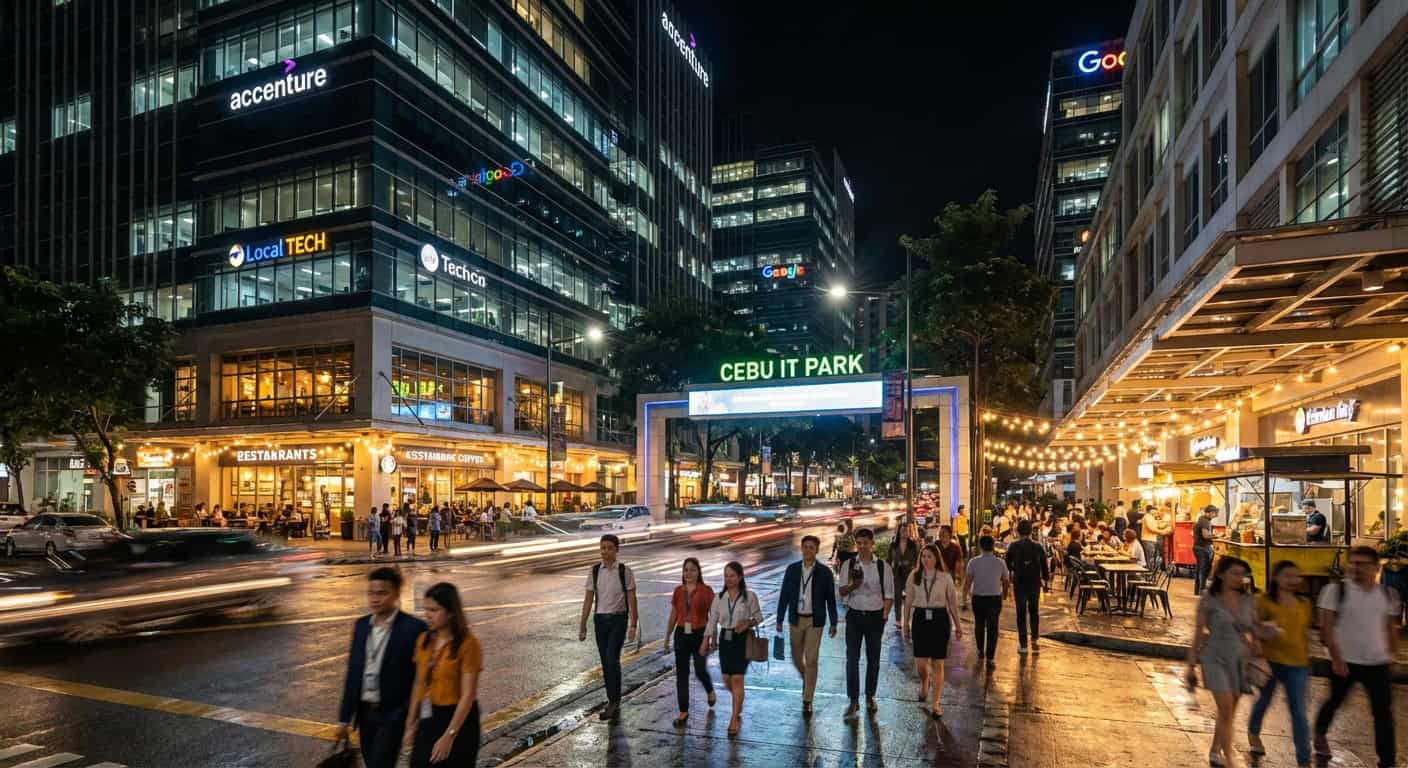
For nomads, IT Park checks every practical box. The coworking spaces are here, the fiber internet is reliable, and you can walk to everything you need on a daily basis. Sugbo Mercado, the popular food market, sets up in the park on weekends and draws a crowd that includes both locals and the nomad regulars. Studios in IT Park run 20,000 to 25,000 PHP per month ($350 to $450), with one-bedrooms starting around 30,000 PHP. The buildings are modern but the units tend to be small, a common complaint on nomad forums. Avida Riala and Calyx are the most frequently mentioned condos.
The downside: it can feel like a bubble. IT Park is clean, modern, and safe, but it doesn’t feel like the Philippines. Some nomads love that. Others find it sterile after a few weeks. And noise is a real issue. The Sugbo Mercado and nearby bars mean late-night bands and karaoke are part of the package. Request a unit facing away from the main road.
Banilad: the quiet option
Banilad sits northwest of IT Park and has a more residential, settled feeling. Think tree-lined streets, proper grocery stores like Rustan’s in Banilad Town Centre, gyms, and a neighborhood where people actually live rather than just work. It’s popular with long-term expats and families who want a “real neighborhood” vibe without the concrete-jungle energy of IT Park.
The appeal for nomads is the peace. If you’re the type who prefers a quiet apartment where you can focus during the day and cook your own meals, Banilad delivers. The Mivesa Garden Residences on the Lahug-Banilad border is a popular choice for its resort-like atmosphere. The trade-off is mobility. Traffic along the Banilad-Talamban corridor is notorious, and what looks like a short distance to IT Park on a map can take 30-plus minutes during rush hour. If your coworking space or gym is in IT Park, this commute will test your patience.
Lahug: the middle ground
Lahug fills the gap between IT Park’s intensity and Banilad’s quietness. It sits slightly uphill from IT Park toward the mountains, which means cooler air and the beginning of what Cebu locals call the Busay mountain views. You’re close enough to IT Park to get there in 10 minutes by Grab, but far enough that the noise and foot traffic drop significantly.
Lahug also gives you access to the Cebu Business Park (Ayala) area, which is the more upscale, quieter version of IT Park. Ayala Center mall is here, along with Chong Hua Hospital and a number of restaurants that skew slightly more polished than the IT Park options. For nomads who want a balanced lifestyle with both city access and a bit of breathing room, Lahug is the sweet spot.
Mactan Island: beach life with trade-offs
Mactan is where the airport sits and where many of Cebu’s resort hotels line the coast. Mactan Newtown is the development most nomads consider, a modern complex with condos, restaurants, and a beach. The appeal is obvious: wake up near the water, work from your balcony, and feel like you’re living the island dream.
The reality check from people who’ve actually done it: the beach at Mactan Newtown is mediocre by Philippine standards. The real beaches are elsewhere. More importantly, the bridge between Mactan and Cebu City is a traffic bottleneck that can turn a 15-minute drive into an hour-long ordeal. If you live in Mactan, you are essentially committing to staying in Mactan. For nomads who need regular access to the city’s coworking spaces, social scene, or hospitals, this isolation becomes a problem quickly. Mactan works best for those who are truly self-contained: good home internet, no need for a city social life, and the discipline to make the island bubble work for your productivity.
Internet and connectivity
The question every nomad asks first, and the answer is: Cebu’s internet is good enough. In IT Park and Cebu Business Park, fiber connections from PLDT, Globe, or Converge deliver 50 to 100+ Mbps reliably. Zoom calls work. Large file uploads are fine. Most modern condos in these areas come with fiber already installed.
The golden rule from nomads who’ve been here a while: never rely on a single connection. ISP reliability varies wildly by building and even by floor. The proven strategy is to have your primary fiber line plus a backup prepaid 5G SIM from a different carrier. If your apartment has PLDT, get a Globe or Smart SIM as your hotspot fallback. This dual-connection approach is standard practice for serious remote workers here.
Power outages (brownouts) are the wildcard. They happen more in Cebu than in Manila, sometimes lasting a few hours. Make sure your condo building has a backup generator, which is standard in IT Park and Ayala-area buildings but not guaranteed elsewhere. A portable power bank for your router and laptop is cheap insurance. For more strategies on staying productive while traveling, especially the connectivity backup plans that save your deadlines, I’ve covered that in a separate guide. If you’re new to the remote work lifestyle in general, our complete digital nomad guide covers the fundamentals for every destination.
Mobile data deserves a mention: Smart generally has faster 5G speeds in Cebu City, while Globe can be better in rural areas. For nomads venturing to Moalboal or other beach towns on weekends, Starlink has become a game-changer, making remote work possible from locations that were previously off-limits due to unreliable connections.
Workspaces
Cebu’s coworking scene is more concentrated than Manila’s, centered around IT Park and the Ayala area. The Company Cebu is the most frequently recommended option among nomads, with a professional environment, reliable wifi, and both daily and weekly rates. Workplace Cafe has multiple branches and has a more casual vibe with good coffee, though it can get crowded with students.
I’ve written a dedicated guide to the best coworking spaces and cafes in Cebu with tested wifi speeds, pricing, and honest reviews for each one. The short version: if you need private pods for calls, The Company is your best bet. If you just need a laptop-friendly cafe with decent wifi, Cebu has a growing selection, though the cafe-working culture here isn’t as developed as Vietnam or Thailand. Most serious remote workers alternate between their apartment and a coworking space rather than relying on cafes.
Cost of living: quick overview
Cebu is often described as “the same price as Manila,” and in the premium areas like IT Park, that’s partly true. Condo rents in IT Park approach Makati levels for similar-quality units. But the overall cost of living is roughly 20 to 30 percent lower than Manila when you factor in food, transport, and services.
At $1,000 to $1,300 per month, you’ll live comfortably in a studio near IT Park, eat out regularly, use Grab for transport, and cover coworking fees. At $1,500 or more, you’re in a one-bedroom with room to spare for weekend island trips and the occasional splurge dinner.
For a complete line-by-line breakdown of rent, food, transport, and everything else, check the Cebu cost of living guide. The key money-saving insight from long-term residents: rent just outside the major business parks (Mabolo, for example) and your costs drop significantly for a five to ten minute commute difference.
Healthcare and safety
Healthcare in Cebu is solid, with two major hospitals that expats and nomads rely on.
Chong Hua Hospital is the most commonly recommended option. It’s modern, has English-speaking staff, and sits close to IT Park. For anything from a routine checkup to something more serious, this is where most expats go first.
Cebu Doctors’ University Hospital is the other primary option, located near IT Park and well-regarded for its specialists. Both hospitals are significantly cheaper than equivalent care in the US or Europe while maintaining good standards.
For minor issues like colds or allergies, pharmacies (Mercury Drug and Watsons are everywhere) can handle most over-the-counter needs without a doctor visit. For a broader perspective on staying healthy abroad, the travel safety guide covers the fundamentals.
Safety-wise, Cebu is generally safe for foreigners, especially in the main expat areas. IT Park and Cebu Business Park have heavy security presence and 24/7 foot traffic. The main warnings from residents: avoid the Colon Street and downtown area at night (snatch theft is a concern), don’t walk with your phone out near street edges (motorcycle snatchers exist), and use Grab rather than street-hailing taxis for price transparency and safety. The biggest actual danger, honestly, is traffic. Pedestrian lanes are treated as suggestions, and crossing streets requires constant vigilance.
The social scene
Cebu’s nomad community is smaller and more dispersed than what you’ll find in Bali or Chiang Mai, and that’s both its challenge and its charm. You won’t stumble into organized meetups every week. But the people who are here tend to stick around, and the smaller scene means friendships form faster once you find your people.
The primary social hubs are coworking spaces, not cafes or bars. The Company in IT Park doubles as a de facto social club where you’ll see the same faces regularly. If building your nomad community is a priority, coworking spaces are where it happens in Cebu. Trivia nights, hiking groups, and diving trips organized through Facebook groups or word of mouth are the main pathways into the community. Filipino hospitality is a genuine asset here. Locals are warm, English-proficient, and easy to befriend, often more so than other expats. If you’re open to friendships beyond the nomad bubble, Cebu rewards that openness.
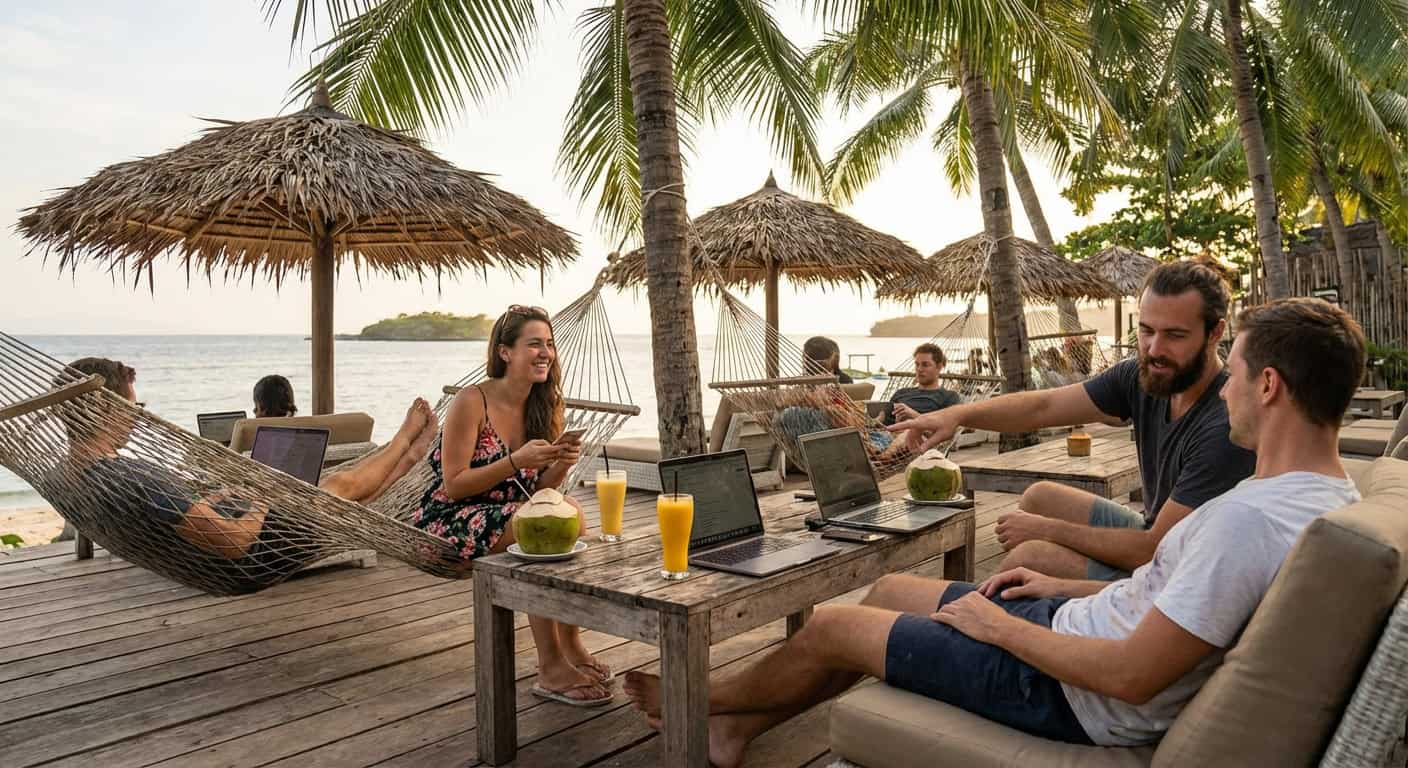
HitchHive is a great way to find other digital nomads and travelers in Cebu who are actively looking to connect. The shared experience of exploring a new island or diving a reef together creates bonds that casual bar meetups can’t match. For finding travel buddies who share your pace and interests, the app is built for exactly that.
If you’re arriving solo and wondering how to break in, the proven path is simple: join a freediving or scuba course in Moalboal on your first weekend. The people you meet in the water become your core crew for everything that follows.
Getting around
Getting around Cebu requires adjusting your expectations. This is not a walkable city outside of IT Park and Business Park. The infrastructure for pedestrians is limited, sidewalks are inconsistent, and the heat makes walking more than a few blocks unpleasant for most of the year.
Grab is your primary tool. The ride-hailing app works well in Cebu, with both car and motorcycle (Angkas/JoyRide) options. Cars are more comfortable but slower in traffic. Motorcycle taxis are faster but require bravery and a willingness to weave through traffic on the back of a scooter.
Jeepneys are the iconic Filipino public transit, brightly painted minibuses that run fixed routes for minimal fares. They’re an experience worth having at least once, but for daily commuting with a laptop bag, most nomads rely on Grab. MyBus runs on a few main routes and is the most modern public transit option. Habal-habal (informal motorcycle taxis) fill the gaps in areas where Grab coverage is thin.
Renting a scooter is an option for the adventurous, but Cebu’s traffic is notoriously aggressive. Many experienced nomads who rent scooters in Vietnam or Thailand choose not to ride in Cebu. If you do rent, get an International Driving Permit and be extra vigilant at intersections.
The island advantage
This is where Cebu pulls ahead of every other digital nomad city in Southeast Asia. No other base puts you this close to this many world-class island destinations.
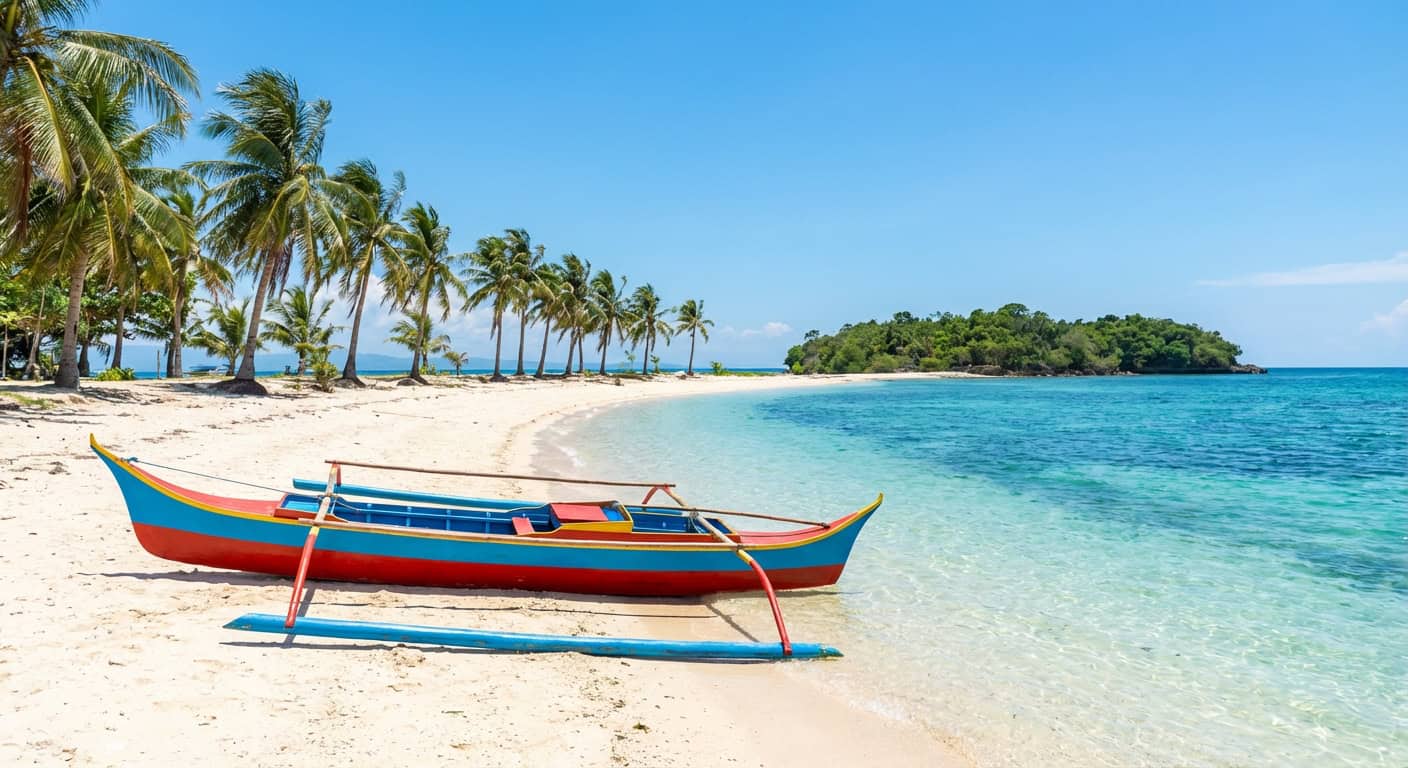
Moalboal is the weekend trip that converts visitors into residents. Three to four hours south by bus, this small coastal town has the famous sardine run (millions of sardines in a swirling ball just off the beach), excellent diving, and a backpacker social scene. Many nomads establish a rhythm of working from Cebu City during the week and heading to Moalboal on weekends.

Bantayan Island to the north has white sand beaches that rival anything in Thailand, with a fraction of the crowds. Malapascua is the diver’s pilgrimage site, famous for thresher shark sightings at dawn. Bohol is a quick ferry ride away, with the Chocolate Hills, tarsier sanctuaries, and some of the best river cruises in the country.
For the highlands, Cebu’s own mountain spine has cooler temperatures, waterfalls like Kawasan Falls (one of the most photographed in the Philippines), and canyoneering experiences that rank among the best adventure travel activities in Southeast Asia. The southern tip of the island is whale shark territory at Oslob, though the ethics of that attraction are debated.
If you’ve been backpacking through Southeast Asia, Cebu is the kind of base that makes you wonder why you spent so long in landlocked cities when this was an option.
Cebu vs Manila
The inevitable comparison, and one that every nomad who visits the Philippines eventually makes.
Manila wins on: internet speed and reliability (BGC and Makati have the fastest, most stable connections in the country), food variety (international cuisine options are far wider), nightlife and cultural attractions (museums, galleries, fine dining), and the professional networking scene (more entrepreneurs, more events, more industry).
Cebu wins on: quality of life (cleaner air, less stress, smaller scale), weekend potential (world-class beaches and diving within hours), friendliness (Filipino hospitality is warmer in the Visayas, nomads consistently report), cost of daily life (food and services are cheaper), and the airport (Mactan-Cebu International Airport is newer, less chaotic, and closer to the city than Manila’s NAIA).
The honest answer is that they serve different needs. If your work demands bulletproof connectivity and you thrive on big-city energy, Manila is the better fit. If you want a more relaxed pace with nature integrated into your routine and you can handle occasional internet hiccups, Cebu is hard to beat. Many long-term Philippines nomads solve the dilemma by splitting time between both, working from Manila for intense project sprints and retreating to Cebu for the lifestyle weeks.
Continue your journey
If you’re planning your Cebu chapter, these guides will get you set up:
- The Best Coworking Spaces and Cafes in Cebu — tested wifi speeds, pricing, and honest reviews
- Cebu Cost of Living for Digital Nomads — month-by-month budget breakdown
- Things to Do in Cebu on Your Days Off — island hopping, canyoneering, and nature adventures
- The Digital Nomad Guide to Manila — Manila’s urban alternative for remote workers
Find your people in Cebu
Cebu is the kind of place where the right community transforms a good base into a great one. The city is small enough that you’ll keep running into the same people, and the island weekends create the kind of bonding experiences that turn acquaintances into real friends. If you’re heading to Cebu or already settled in and looking for your crew, use HitchHive to find other digital nomads and travelers who are ready to explore. Whether you need a diving buddy for Moalboal, a coworking partner in IT Park, or someone to share a ferry to Bohol with, the right people make island life infinitely better. See you in the Visayas.
Leave a Reply