
Chengdu is cheaper than you think
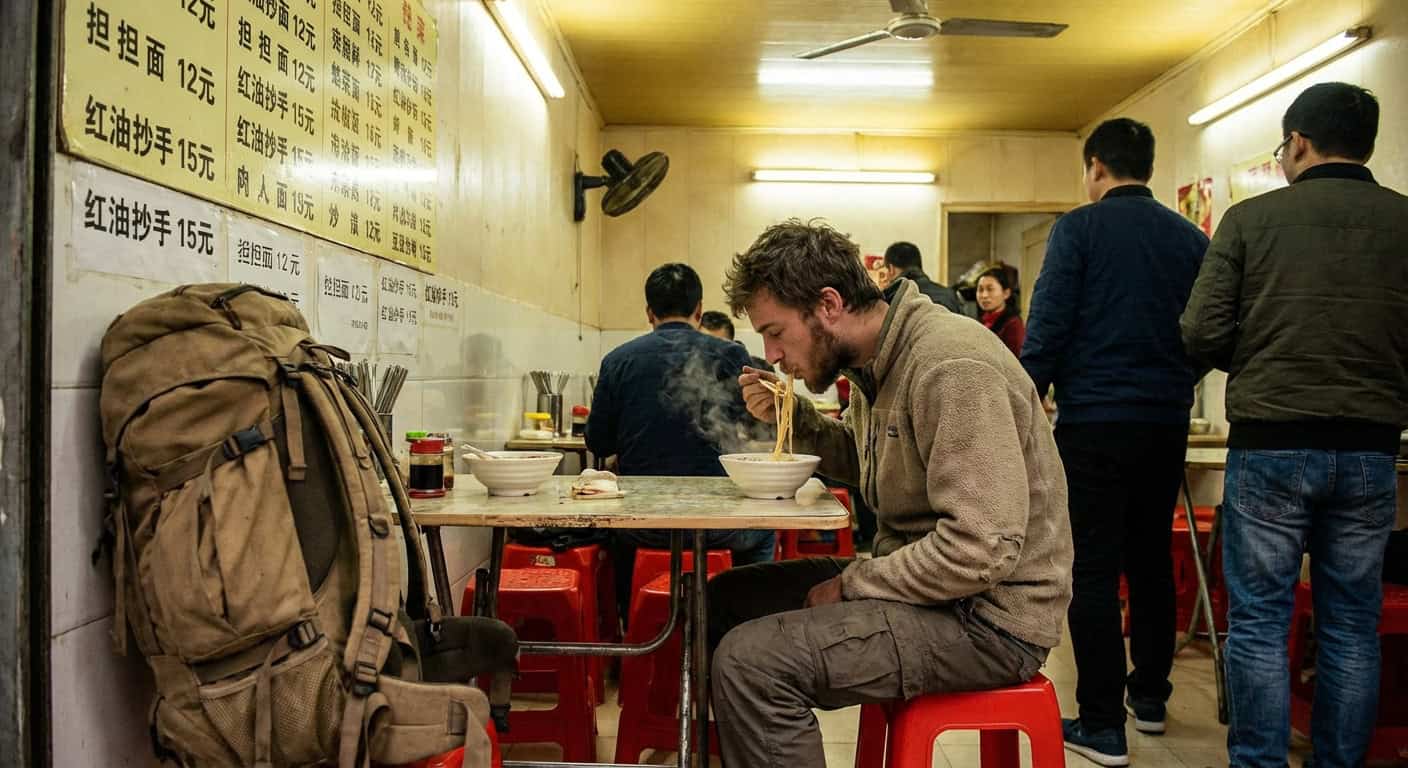
I’d been warned about China. “It’s not as cheap as Southeast Asia anymore,” people told me. “The days of $10-a-day travel are over.” And sure, if you’re flying into Shanghai and eating at expat restaurants, they’re right. But Chengdu? Chengdu broke that assumption in about 48 hours. I spent less here per day than I did in Chiang Mai, and I wasn’t even trying particularly hard.
As a backpacker’s base in western China, Chengdu has a lot going for it. The city is a “Tier 2” city in Chinese terms, which translates to lower prices on housing, food, and transport compared to Beijing or Shanghai, but with all the infrastructure and convenience of a major metropolis. The metro is modern. The food is world-class. And the backpacker scene, while smaller than Southeast Asia’s, is well-established and genuinely welcoming.
Here’s what I actually spent, what surprised me, and how to make your money stretch further in one of China’s most interesting cities.
What to budget per day
Let me give you some real numbers. On a backpacker budget in Chengdu, you’re looking at roughly 150 to 200 RMB ($20-28 USD) per day. That covers a hostel dorm bed, three meals at local restaurants, metro rides, and a beer or two in the evening. You won’t be living on instant noodles at that level. You’ll be eating well.
If you want a private room in a hotel or hostel, bump that up to 250-350 RMB ($35-50 USD) per day. This is what I’d call the “comfortable backpacker” budget. Private room, eating out for every meal, occasional Didi rides instead of the metro, and enough left over for entry tickets to sights.
For context, one traveler on Reddit reported spending 43 days in China for about $1,500 USD total, averaging around $35 per day with decent hotels. Another said $20 per day in Chengdu covered a “decent hotel room” and basic daily expenses. The range depends entirely on how often you eat Western food and whether you spring for private rooms, but the floor is remarkably low.
Accommodation: hostels, hotels, and everything between
Chengdu has some of the best hostels in mainland China, and the hostel experience here feels different from what you might be used to in Southeast Asia. The big names are Flipflop Hostel (also called Poshpacker), Mrs. Panda Hostel, and Lazybones Hostel. Each has a distinct personality.
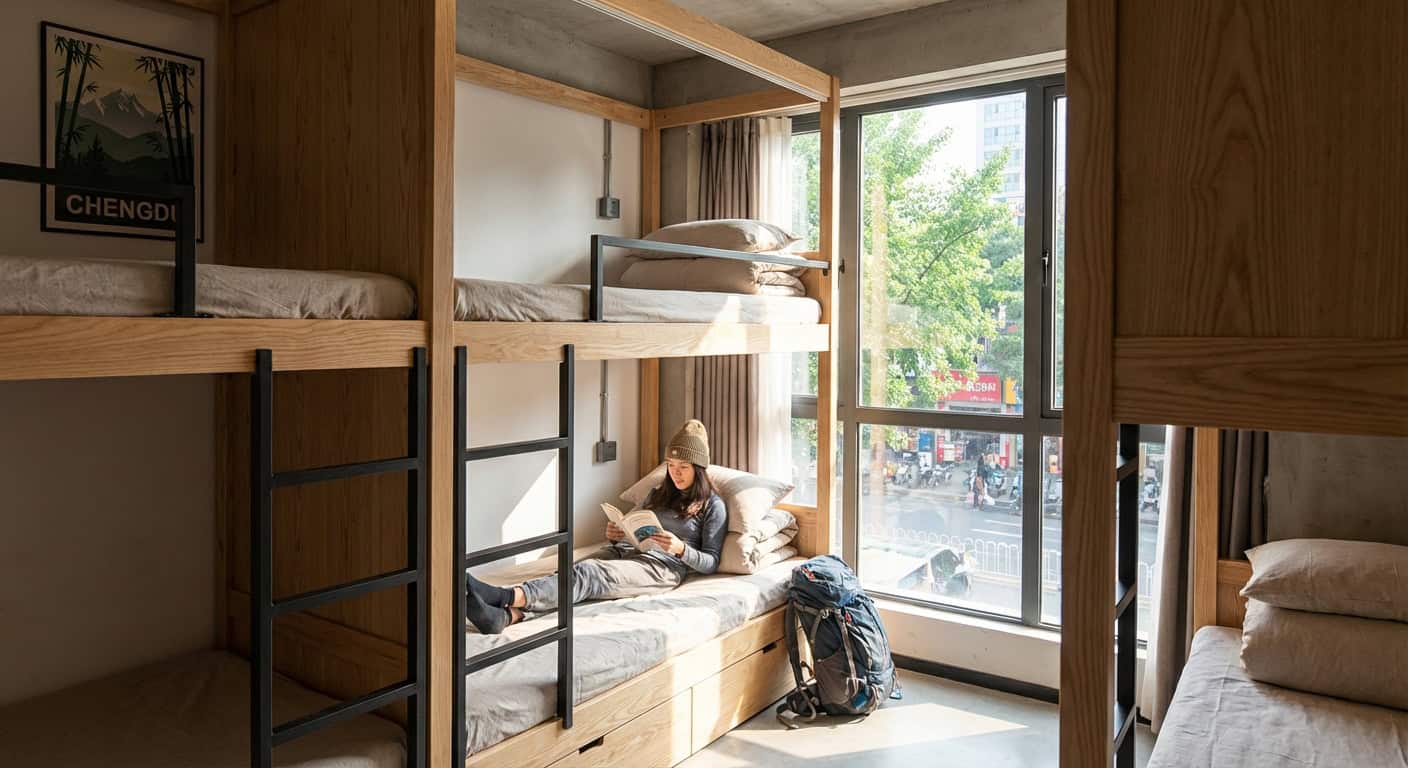
Flipflop is the social hub. It sits near Chunxi Road, has a rooftop bar where everyone congregates at night, and runs organized activities like dumpling-making parties and group hotpot dinners. If you’re traveling solo and want to meet people fast, this is where you go. Dorm beds run about 50-80 RMB ($7-11) per night.
Mrs. Panda is more relaxed, with a garden courtyard and a location right next to Xinnanmen Bus Station. That bus station detail matters: it’s the main departure point for day trips to the Giant Panda Breeding Research Base, Leshan Giant Buddha, and Emeishan. If you’re planning early morning trips (and you should, since the day trips around Chengdu are half the reason to come here), Mrs. Panda saves you a metro ride at 6 AM.
Lazybones Hostel sits near Wenshu Monastery in an older, quieter part of the city. The staff speaks good English and helps with booking transport to Tibet and other Sichuan destinations. The neighborhood around it has some of the best cheap dumplings and noodles in the city. It’s a good pick if you want something calmer than the Flipflop scene.
Beyond hostels, budget hotels in Chengdu are surprisingly good. You can find clean, modern rooms for 100-200 RMB ($14-28) per night on Trip.com. The Nihao Hotel chain near Tongzilin metro station was recommended to me by several expats for its consistent quality at around 200 RMB. Use Trip.com for booking rather than Western sites like Booking.com or Expedia. Western platforms often show inflated prices for Chinese hotels.
Eating cheap (and eating well)
Food in Chengdu is where your budget goes the furthest. The city is the capital of Sichuan cuisine, and the cheapest food here is also the best. That’s not usually how it works, but Chengdu is an exception.
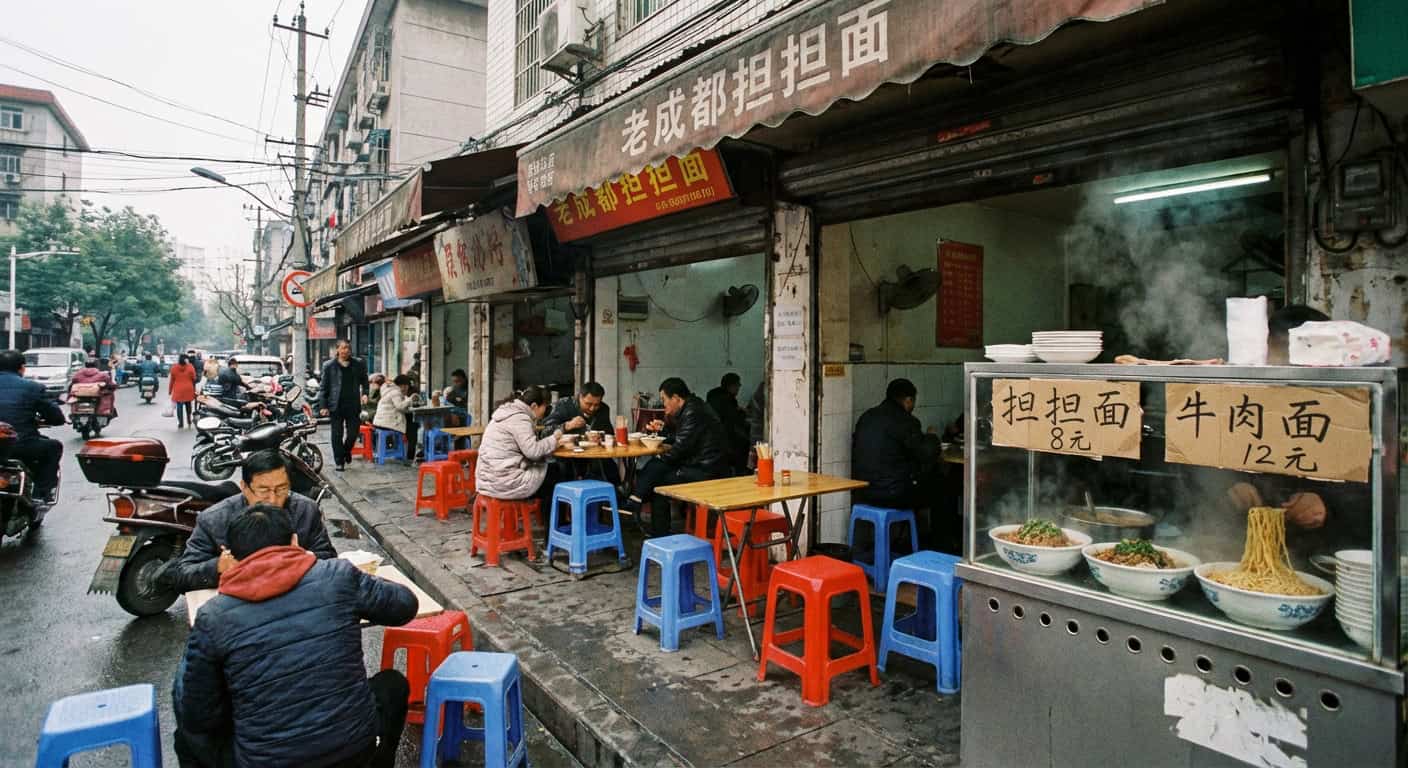
At the bottom end, a bowl of dan dan noodles costs 10-15 RMB ($1.40-2). Street skewers (shao kao) go for 1-3 RMB per stick. A full meal at a “fly restaurant” (cang ying guan zi, the tiny hole-in-the-wall places that look terrible from outside but serve incredible food) runs 20-40 RMB ($3-6). For a full breakdown of what to eat and where, check the Chengdu food guide.
Hotpot is the thing everyone comes to Chengdu for, and it doesn’t have to break the bank. A proper sit-down hotpot meal runs 80-150 RMB ($11-21) per person depending on the restaurant and what you order. Chuan chuan (skewer hotpot, where you pick sticks from a rack and cook them yourself) is a cheaper alternative at roughly 40-60 RMB per person. It’s the same idea but more casual and more fun for groups.
One important warning: the default seasoning level in Chengdu is “very spicy” by almost anyone’s standards. Sichuan peppercorn creates a tingling, numbing sensation that’s unlike anything else, and most budget restaurants don’t tone it down for tourists. If you genuinely can’t handle spice, search for restaurants tagged as jian kang cai (health food), which serve more balanced, milder meals for around 26 RMB ($4).
Western food is where your budget takes a hit. A burger at a place like Blue Frog costs roughly the same as it would in Europe. Coffee at Starbucks runs 30-40 RMB ($4-6). Here’s a money-saving tip: download the Luckin Coffee app or use the WeChat mini-program. Luckin lattes through the app cost 9.9-19 RMB ($1.50-3), roughly half of what you’d pay at the counter without the membership discount. For food delivery, the Meituan app often has discounts that make delivered meals cheaper than dining in.
Getting around the city
Chengdu’s metro system is the best deal in the city. Fares start at 2 RMB ($0.28) and top out around 7-10 RMB even for long rides to the airport. The system is clean, efficient, and covers most of the places you’ll want to go as a traveler. It runs until about 11 PM.
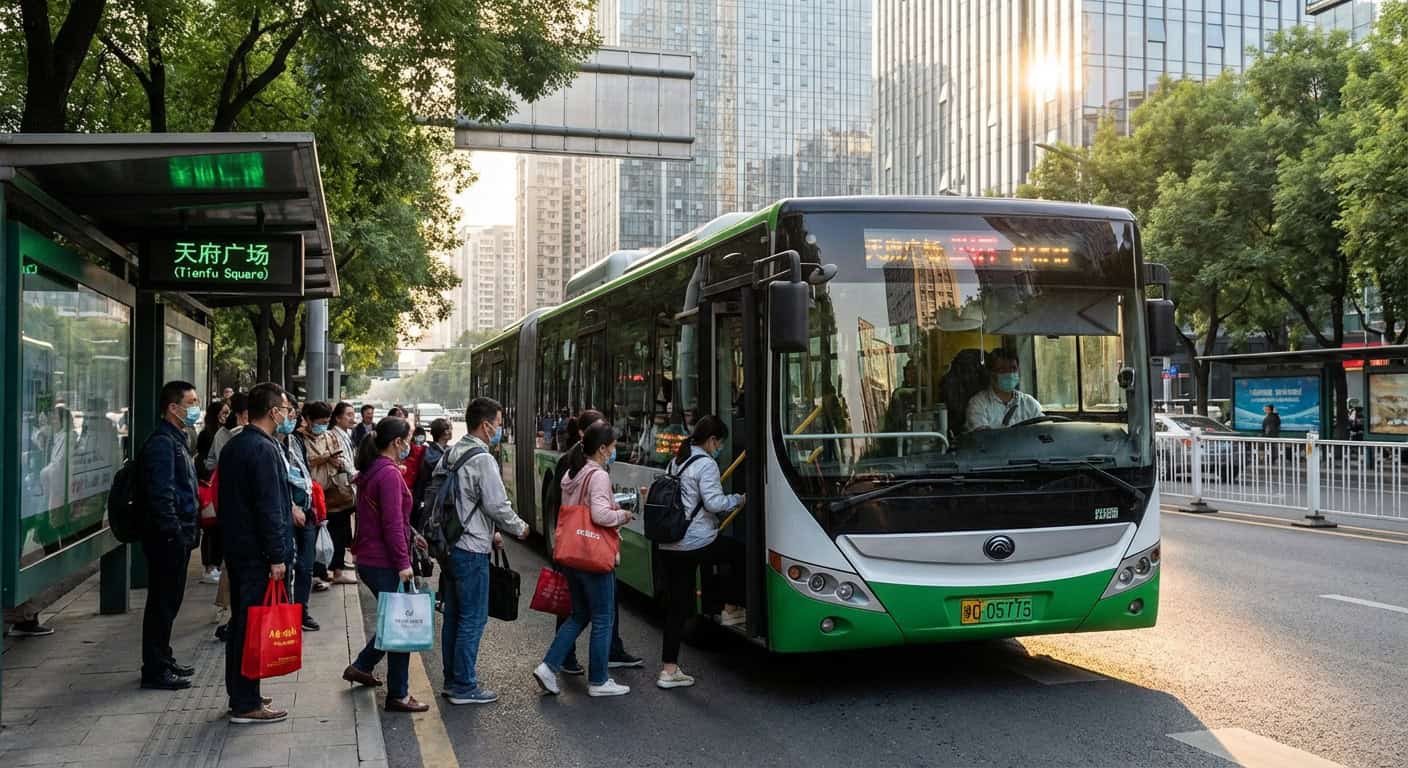
Pay for rides with the Alipay QR code scanner at the gates. If you’re staying longer than a week, pick up a Tianfu Tong card (available at metro stations) for a 10% discount on fares. It’s a small saving per ride but adds up if you’re using the metro daily.
For taxis and ride-hailing, use the Didi app (China’s Uber equivalent). It’s integrated into both Alipay and WeChat, so you don’t need a separate download. Didi rides are cheap by Western standards. A 40-minute cross-city ride might cost 50-60 RMB ($7-8). Avoid hailing taxis on the street, especially near tourist areas, where meters sometimes “break” and you end up negotiating a higher fare.
One thing that caught me off guard: Google Maps doesn’t work properly in China. The map data is outdated, transit directions are unreliable, and the GPS positioning can be off by several hundred meters. Use Apple Maps (which works surprisingly well in China), Gaode Maps (also called Amap), or Baidu Maps instead. This isn’t optional. Trying to navigate Chengdu with Google Maps will waste your time and get you lost.
Paying for things: the cashless reality
China is essentially cashless. Street vendors, metro stations, convenience stores, hole-in-the-wall restaurants: everything runs on Alipay and WeChat Pay. If you show up planning to use cash or a foreign credit card, you’ll have a hard time.
Set up Alipay before you arrive. You can link a foreign Visa or Mastercard to the app. It takes some patience with the verification process, but once it’s working, you can pay for virtually anything by scanning a QR code. WeChat Pay is the backup option and works the same way. Together, these two apps cover 99% of transactions you’ll make.
Still carry some cash as a safety net. 200-300 RMB ($30-40) in small denominations is plenty. You’ll need it if your phone battery dies, if Alipay glitches (it happens), or if you buy from an elderly vendor who doesn’t use a smartphone. One traveler reported spending two weeks in Chengdu and needing cash exactly once. This is one of those budget travel fundamentals that saves headaches: always have a backup plan for payments, especially in a country where your usual cards won’t work.
Where to save (and where not to bother)
The biggest money trap in Chengdu is eating at tourist-oriented streets. Jinli Street and Kuanzhai Alley (Wide and Narrow Alleys) are worth visiting for the atmosphere and architecture, but the food stalls there charge two to three times what you’d pay a few blocks away. Go there to look around. Eat somewhere else.
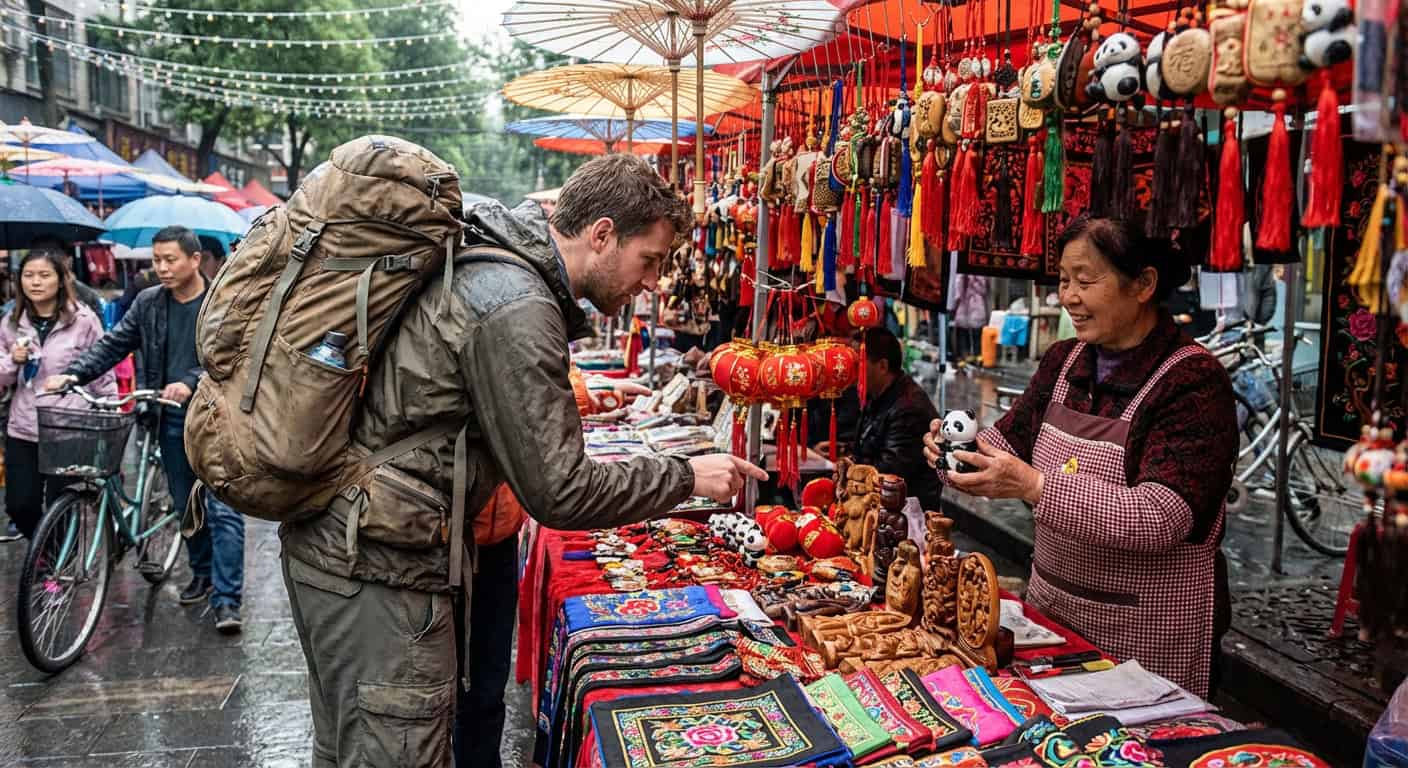
Instead, head to Fuqin Night Market or the streets around Yulin Road for cheap, authentic food. Yulin in particular has a reputation among locals and expats as one of the best food neighborhoods in the city, with prices that haven’t been inflated by tourism. The small streets around Wenshu Monastery are another good bet for cheap dumplings and noodle shops.
Tea houses are everywhere in Chengdu, and they’re a genuine part of daily life here, not just a tourist attraction. Skip the expensive ones in People’s Park (fun to visit, but overpriced for what you get) and look for smaller open-air tea spots along the river or in residential parks where locals play mahjong. A pot of tea at one of these places costs 10-20 RMB and you can sit for hours.
For sightseeing, many of the best experiences in Chengdu are free or nearly free. Walking through the old neighborhoods, sitting in a tea house, people-watching along the Jin River, exploring temples. The paid attractions that are worth the money are the Giant Panda Base (entry around 55 RMB) and day trips to Leshan and Emeishan. If you have a student ID, bring it. Some travelers have reported getting 50% off entry tickets, though results vary.
Booking domestic flights or trains? Use Ctrip or Trip.com for Chinese routes. Western booking engines like Expedia sometimes show inflated prices for domestic Chinese flights. A Shanghai-to-Chengdu flight that shows as $600-800 on Kayak might be 400-700 RMB ($55-100) on Ctrip. High-speed rail is the other major inter-city cost and is typically a better deal than flying for distances under 1,000 km.
Sample daily budgets
Here’s what a day in Chengdu actually looks like at different spending levels.
On a shoestring (100-150 RMB / $14-21 per day): hostel dorm, breakfast from a street vendor, lunch at a fly restaurant, metro rides, free sightseeing, cheap beer from a convenience store. This is tight but totally doable.
Comfortable backpacker (200-300 RMB / $28-42 per day): private hostel room or budget hotel, eating at sit-down local restaurants, one Didi ride, entry tickets to a sight, evening hotpot split with friends from the hostel.
Mid-range (400-500 RMB / $55-70 per day): decent hotel, a mix of local and occasional Western food, taxi rides, paid tours, and a nicer dinner. At this level, you’re not thinking about money much.
The beauty of Chengdu is that the gap between “shoestring” and “comfortable” is narrow. An extra $10-15 per day makes a real difference in your quality of life. As a general rule for backpacking anywhere, the sweet spot is usually just above the minimum. In Chengdu, that sweet spot is around $30-35 per day.
Practical tips that save real money
A few smaller things that added up over my time in Chengdu:
Book hostels early. The English-speaking social hostels (Flipflop, Mrs. Panda, Lazybones) have limited capacity. During peak season, they fill up, and your alternative is a Chinese-only hotel where communication gets harder. Use Hostelworld or Trip.com and book a few days ahead.
Carry a portable charger. Your phone is your wallet, your map, your translator, and your ride-hailing app. If it dies, you’re temporarily stranded. This sounds like generic travel safety advice, but in China’s cashless economy, a dead phone battery is a genuine problem, not just an inconvenience.
Learn a handful of food-related Chinese words. Being able to say “bu la” (not spicy) or “wei la” (mildly spicy) will save you from ordering a meal you can’t eat. Pointing at what other people are eating works too, but a few phrases go a long way in small restaurants with no English menus. The language barrier is real in Chengdu; English is much less common here than in Southeast Asian backpacker hubs.
Group up for hotpot. Hotpot is designed for sharing. A table for four people costs roughly the same whether two people or four people eat from it, so the per-person cost drops significantly with a bigger group. Hostel dumpling and hotpot nights exist partly for this reason. That’s one of the things that makes the communal side of travel so good: splitting a massive pot of bubbling broth with people you met that morning is both cheaper and more fun than eating alone.
If you’re visiting Chengdu as part of a bigger China trip, know that it’s one of the cheapest major cities in the country. Spend your money on the day trips to Leshan and Emeishan, save on daily expenses, and let HitchHive help you find other travelers headed to the same spots.
Continue your journey
Planning your Chengdu trip? These guides cover the rest of what you need:
- The backpacker’s guide to Chengdu — the full overview of the city for budget travelers
- Chengdu food guide — what to eat, where to find it, and how to order
- Things to do in Chengdu — sights, activities, and free experiences worth your time
- Day trips from Chengdu — pandas, giant Buddhas, and mountain monasteries
- Budget travel hacks — general money-saving strategies that work anywhere
Leave a Reply