
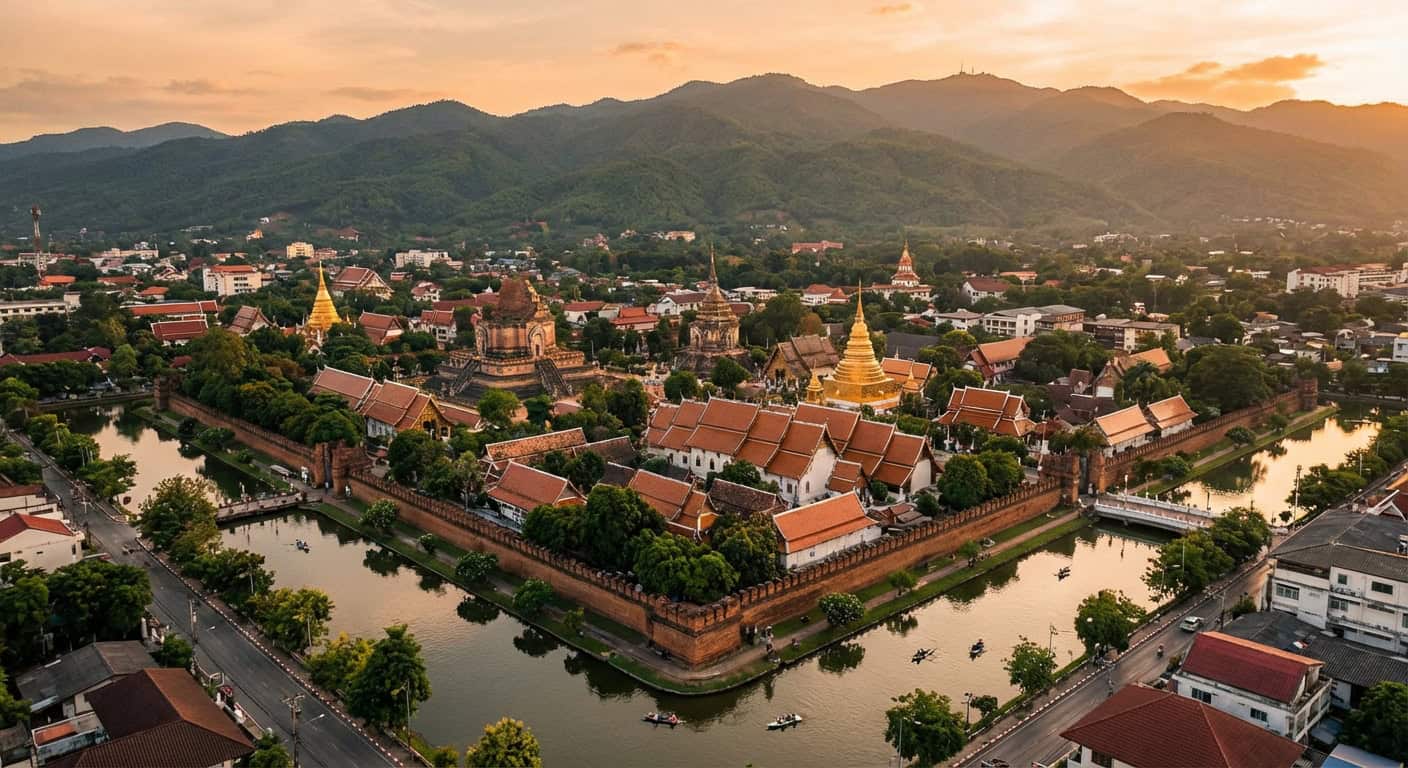
I landed in Chiang Mai expecting another Southeast Asian city. What I found instead was a fully formed ecosystem designed, almost by accident, for people who work from their laptops. After three months based in the Nimman area, bouncing between coworking spaces and street food stalls, I understood why this city has been the undisputed capital of the digital nomad movement for over a decade.
Chiang Mai is not the most beautiful city in Thailand. It does not have beaches. It will not make your Instagram pop the way Bali does. But if you need to actually get work done while living abroad on a reasonable budget, there is nowhere else quite like it. One Redditor who had been nomading for years described it perfectly: “Chiang Mai is easy mode for remote workers.” And after living it myself, I have to agree.
This guide covers everything you need to know before booking your flight, from visas and neighborhoods to the air quality problem nobody warns you about soon enough. If you are exploring your options, our roundup of the best cities for digital nomads puts Chiang Mai in context alongside other top destinations.
Why Chiang Mai remains the OG digital nomad capital
Every few years, someone declares that Chiang Mai is “over” and that Lisbon, Tbilisi, or Canggu is the new hotspot. And yet, the nomads keep coming back. The reason is simple: no other city in the world offers this particular combination of rock-bottom living costs, fast internet, established coworking infrastructure, and a massive English-speaking community of remote workers, all in a city that genuinely feels relaxed.
Reddit threads asking “is Chiang Mai overhyped?” consistently arrive at the same conclusion. The hype is not about tourist attractions or nightlife. It is about the density of people doing exactly what you are doing. You can walk into almost any cafe in the Nimman area and be surrounded by freelancers, startup founders, and remote employees. That creates a gravity that is hard to replicate elsewhere. As one long-term resident put it, Chiang Mai has a “village feel” despite being a proper city — life does not feel serious here, and that is exactly the point.
Compared to Da Nang, which has emerged as a strong sister city for nomads in Southeast Asia, Chiang Mai trades beach access for mountains, stronger community infrastructure, and even lower costs. Many nomads rotate between the two depending on the season.
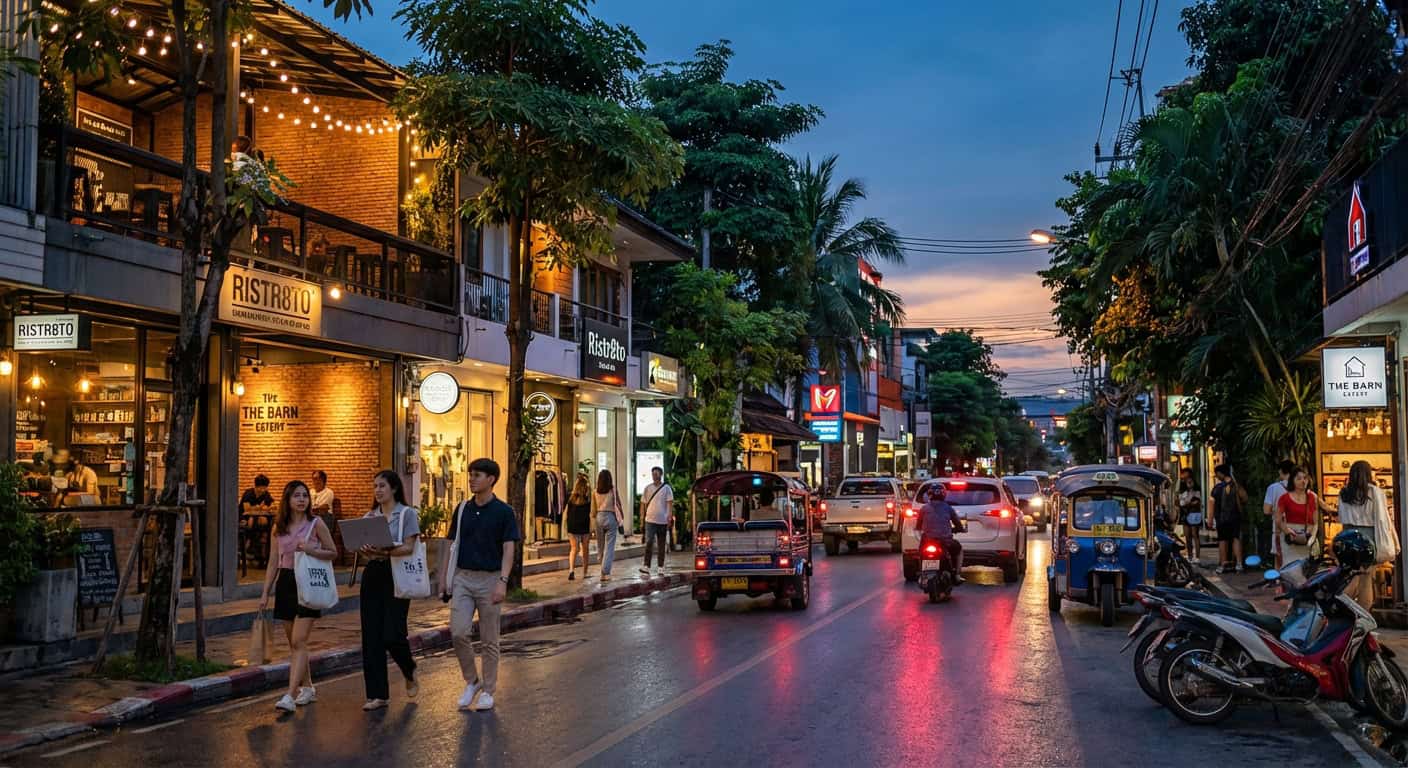
Visas and logistics: getting in and staying legal
Thailand has historically been a gray area for digital nomads working on tourist visas, but the introduction of the Destination Thailand Visa (DTV) changed everything. The DTV is a five-year, multiple-entry visa that allows 180-day stays per entry, and it is specifically designed for remote workers and digital nomads. Our Thailand DTV visa guide walks through the full application process. The DTV application process involves applying through the official Thai E-Visa portal. Chiang Mai is also a key stop on the classic Banana Pancake Trail for those combining nomad life with backpacking.
The DTV requires proof of approximately 500,000 THB (around $15,000 USD) in liquid savings and documentation of employment or freelance work outside Thailand. Apply through the official Thai E-Visa portal. The most common reason for rejection is a bank statement that does not clearly show the required funds, so make sure your documentation is airtight.
If the DTV does not fit your situation, the 60-day tourist visa (extendable to 90 days at immigration for 1,900 THB) remains an option, though it technically does not authorize work. Many nomads previously relied on “border runs” to neighboring countries like Laos or Myanmar to reset their visa, but this approach is becoming riskier as immigration officers increasingly flag frequent re-entries.
Airlines frequently deny boarding to passengers without a return or onward ticket. Budget nomads use “onward ticket” rental services to generate a temporary booking that satisfies this requirement. It costs a few dollars and saves you from buying a throwaway flight.
Neighborhoods: where to base yourself
Chiang Mai’s neighborhoods each have a distinct personality, and where you live will shape your entire experience. After reading hundreds of Reddit threads and living through it myself, here is the honest breakdown.
Nimman (Nimmanhaemin)
The default recommendation for first-timers, and for good reason. Nimman is walkable, packed with cafes and coworking spaces, and has Maya Mall anchoring the area with a cinema, supermarket, and the CAMP coworking space on its top floor. The downside? It is touristy, prices are higher than elsewhere, and Nimman sits directly under the airport flight path, which means planes overhead every 20 minutes. If you take frequent Zoom calls, this can be a genuine problem. Monthly condos in Nimman range from 12,000 to 25,000 THB ($350-$750) depending on the building and lease length.
Santitham
The neighborhood that experienced nomads consistently recommend over Nimman. Santitham sits just north, between Nimman and the Old City, and has a more authentic Thai feel at lower prices. You get excellent street food, local markets, and a growing number of quality cafes without the tourist markup. Multiple Reddit users described it as the “Goldilocks zone” — cheaper and more authentic than Nimman, but close enough to scooter into the action in five minutes. Condos here start around 7,000-12,000 THB per month.
Old City
Inside the moat. Beautiful temples, the famous Sunday Walking Street market, and a backpacker-meets-culture vibe. It is great for short stays and sightseeing, but long-term nomads often find it limiting for work because the coworking scene is smaller (Punspace Wiang Kaew being the main option). Better for the culture-focused nomad who prioritizes walkability to temples and street food over networking.
Chang Khlan
Southeast of the Old City, near the Night Bazaar. Modern condos, walkable, and surprisingly quiet for how central it is. A good pick for nomads who want convenience without the Nimman price tag or the backpacker energy of the Old City.
Further out: Hang Dong, San Sai, and Pong Noi
Once you have a scooter and know the city, many long-term residents “graduate” to quieter areas. Hang Dong is the go-to for families (gated communities, international schools), while the area around Wat Umong has a forest-village feel with the university nearby. You trade walkability for a house with a garden at half the price of a city condo.
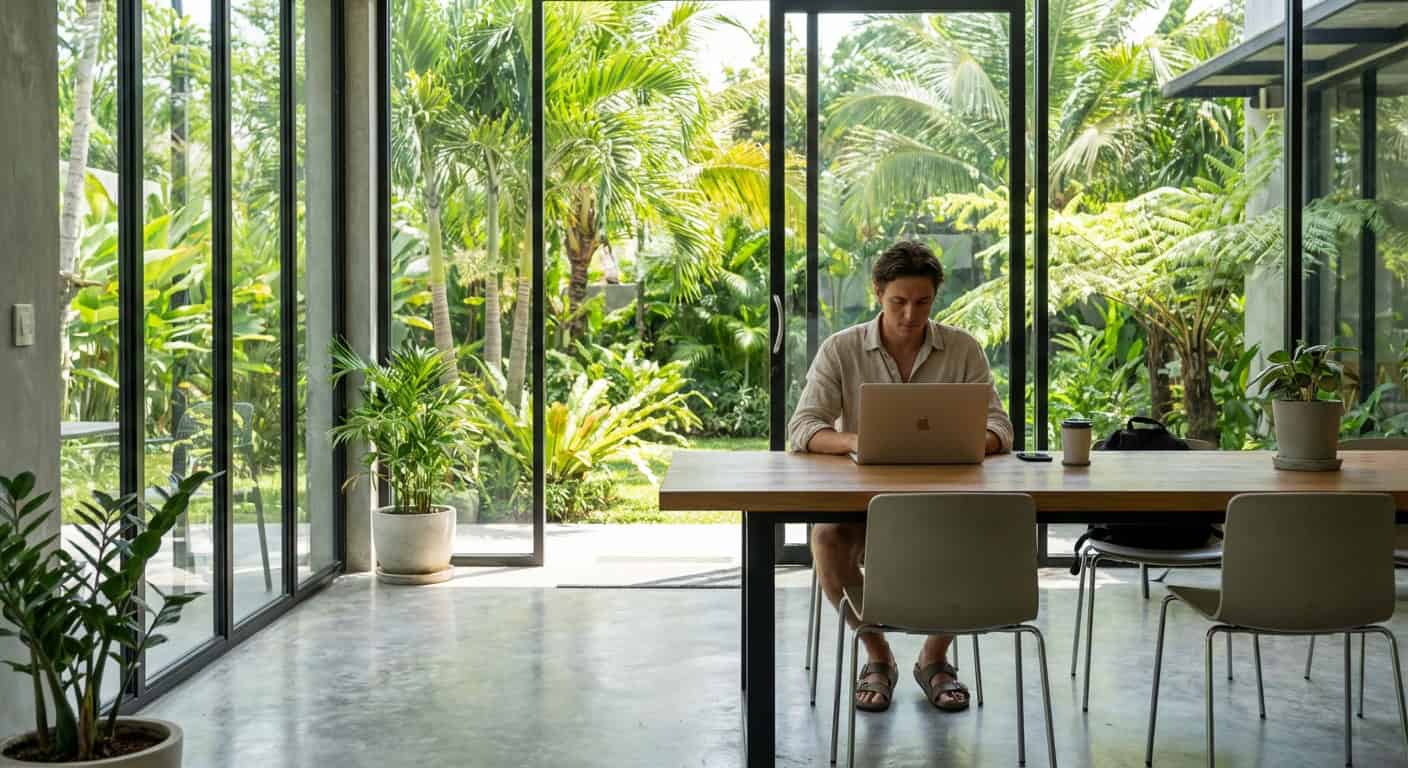
Internet and connectivity
This is one of Chiang Mai’s strongest selling points. Thailand has invested heavily in fiber internet, and most condos and coworking spaces offer speeds of 100-300 Mbps. When people on Reddit compare Chiang Mai to Bali, internet reliability is always where Chiang Mai wins decisively. You do not have to worry about power outages or spotty connections here; you just land and work.
For backup, a Thai SIM card with unlimited data from AIS or True costs around 300-600 THB per month and provides solid 4G/5G coverage throughout the city. If you want to stay productive while traveling, having Chiang Mai’s internet infrastructure behind you makes an enormous difference.
Workspaces: where to get things done
Chiang Mai’s coworking scene is arguably the most developed in Southeast Asia, with options ranging from silent professional offices to social coliving spaces. The big names — Punspace, Yellow, Hub53, CAMP, and Alt_ChiangMai — each serve a different type of worker, and there are dozens of smaller spaces beyond those.
I have written a full breakdown in our guide to the best coworking spaces and cafes in Chiang Mai, covering pricing, vibes, WiFi speeds, and which spaces are best for calls versus deep work versus making friends.
The short version: if you want social energy, go to Yellow or The Social Club. If you need dead silence for focus work, Punspace is your spot. If you want the coliving experience where you live and work in the same building, Alt_ChiangMai in Santitham is hard to beat. And if you are on a tight budget, CAMP at Maya Mall gives you free WiFi for the price of an 80 THB coffee.
Healthcare and safety
Chiang Mai has excellent private hospitals at prices that would make anyone from the US weep. A GP visit runs about 500-1,000 THB ($15-$30), and the main private hospitals — Chiang Mai Ram and Lanna Hospital — have English-speaking staff and modern facilities. Dental work is also remarkably affordable and high quality; many long-term nomads get a year’s worth of dental work done here.
As for safety, the Reddit consensus across dozens of threads is unambiguous: Chiang Mai is extremely safe. Multiple solo female travelers reported feeling safer walking alone at night here than in their home cities in Canada, the US, or Europe. Catcalling and aggressive behavior are rare, likely influenced by Buddhist culture and general Thai politeness. For a deeper dive on staying safe abroad, our travel safety guide covers the essentials.
The biggest actual safety risk in Chiang Mai is traffic, specifically scooter accidents. If you rent a motorbike (and most nomads do), wear a helmet, do not drive drunk, and be aware that Thai traffic moves on the left side of the road. Get travel insurance that covers motorbike incidents — not all basic policies do.

The social scene and community
The community is genuinely what makes Chiang Mai special, and it is also where building a nomad community gets interesting. Because so many remote workers pass through, you are never short of people to meet. But here is the honest truth: the community is also transient. People come for one to three months and leave. If you are looking for deep, lasting friendships, you will need to put in more effort than just showing up at a coworking space.
The “cheat code” for Chiang Mai’s social life, according to dozens of Reddit threads, is Facebook Groups organized around hobbies. There are active groups for board games, hiking, badminton, salsa dancing, and just about everything else. The “Chiang Mai Digital Nomads” Facebook group is the main general hub. Hostel bars like those near Tha Pae Gate are good for spontaneous connections, even if you have your own apartment. And places like Corner Bistro and the North Gate Jazz Co-Op have been expat gathering spots for years.
If you are traveling solo, Chiang Mai is one of the easiest cities in the world to find your people. The trick is being proactive rather than waiting for the coworking space to magically turn social. Connecting through travel companion apps and platforms like HitchHive makes it even easier to find like-minded nomads before you arrive.
Best time to visit (and when to flee)
This is possibly the most important section of this entire guide.
The best months for Chiang Mai are November through January. The weather is cool (sometimes even chilly at night), the air is clear, and the city is buzzing with the peak influx of nomads and travelers. This is when the community is at its strongest.
From February through April, Chiang Mai experiences “burning season.” Agricultural burning in the surrounding countryside fills the valley with smoke, pushing PM2.5 levels to among the worst in the world. This is not a minor inconvenience. Redditors who stayed through it describe watering eyes, constant running noses, and being trapped indoors with air purifiers running 24/7. It is also the hottest time of year, compounding the misery. The Reddit consensus on burning season is unanimous: leave the city. Popular escape destinations include the southern Thai islands (Koh Samui, Koh Lanta), Da Nang in Vietnam, or anywhere with cleaner air.
The rainy season (June through October) is warm and humid with afternoon downpours, but it is generally pleasant. The rain cools things down, the mountains are lush green, and tourist crowds thin out significantly. Many long-term nomads consider rainy season an underrated sweet spot.
Getting around
A rented scooter is the gold standard for getting around Chiang Mai. Monthly rentals run 2,500-3,500 THB ($70-$100), and there is no better way to explore the city and surrounding countryside. If you are not comfortable on a motorbike, Grab (Southeast Asia’s Uber equivalent) works well, though prices have crept up in recent years.
The city’s red truck taxis (songthaews) are cheap for fixed routes around the Old City, and bicycle rentals are popular for shorter distances within neighborhoods. Chiang Mai is not a walkable city in the way that European cities are — distances between neighborhoods can be significant — so having some form of motorized transport makes life considerably better.
Cost of living overview
The numbers from recent Reddit threads paint a clear picture: Chiang Mai is no longer “dirt cheap” the way it was a decade ago, but it remains remarkably affordable by any Western standard.
A mid-range digital nomad comfortable with air-conditioned condos, a mix of street food and Western meals, coworking memberships, and occasional socializing should budget $1,000 to $1,300 USD per month. Budget-conscious nomads can manage on $700-800. Spending $1,500+ gets you into luxury territory with a high-end condo and regular restaurant dining.
Street food remains one of the great bargains: 50-70 THB ($1.50-$2.00) per dish. Western food has seen more inflation, with restaurant meals running 250-400 THB ($7-$12). For a deep dive into the actual numbers, check our detailed Chiang Mai cost of living breakdown for digital nomads.
Finding accommodation
The “golden rule” of Chiang Mai housing, repeated in every Reddit thread on the subject, is: do not book long-term online. Book a hotel or hostel for your first two to three nights, rent a scooter, and physically walk into condo buildings to ask about availability and prices. Walk-in rates from the juristic office (condo management) are significantly cheaper than anything on Airbnb, and you can see the unit, test the WiFi, and negotiate the deposit in person.
For those who want to arrange something before arrival, Facebook Marketplace and local rental groups (search “Chiang Mai Condo Rental”) are far better than Airbnb, which tends to carry an inflated “foreigner tax.” Coliving spaces like Alt_ChiangMai offer an easy all-in-one solution for your first month if you want to skip the apartment hunt entirely.
If you are staying for just one month and want flexibility, look for “serviced apartments” rather than standard condos. These include cleaning and linen changes and are more willing to do short-term contracts.
Days off: what to do when you close the laptop
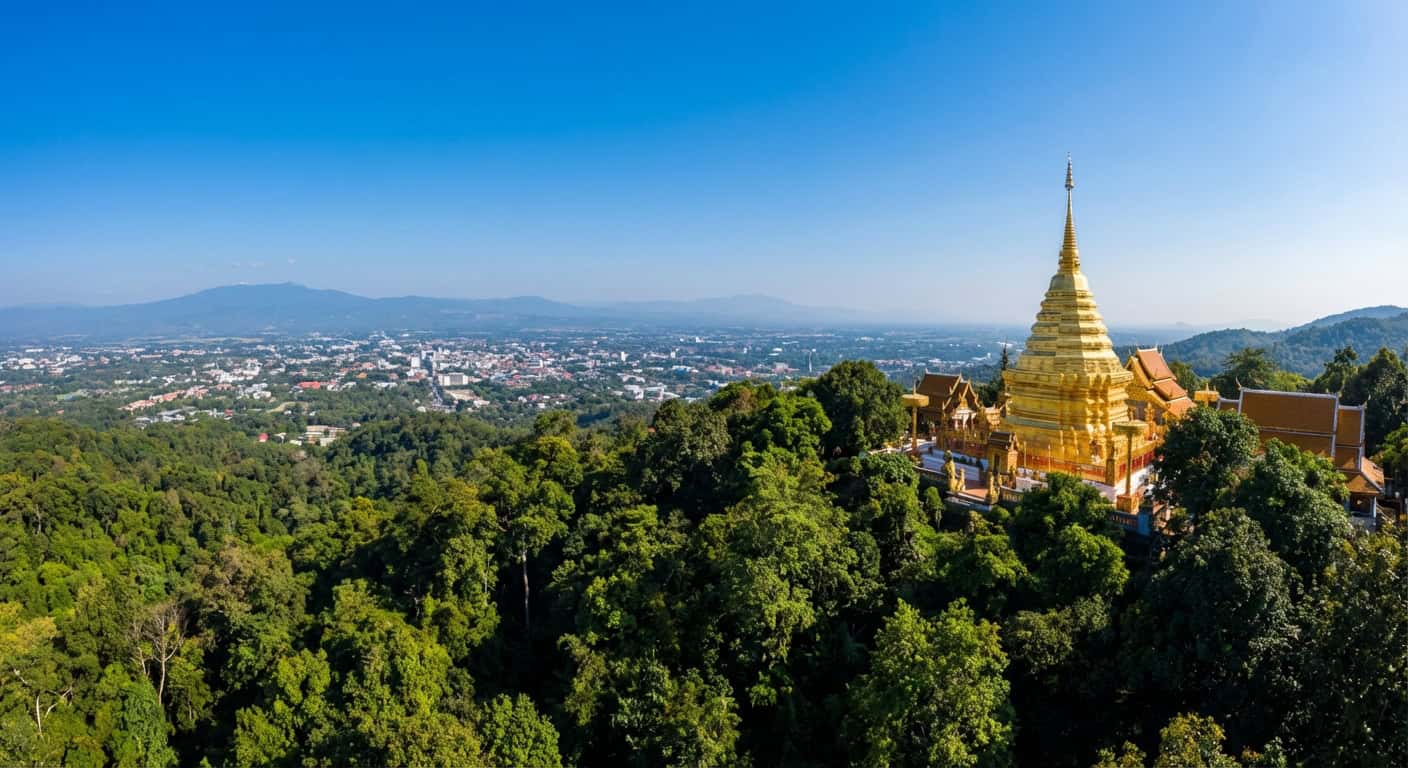
Chiang Mai may not be a beach destination, but it is far from boring outside of work hours. Ancient temples, mountain treks, cooking classes, ethical elephant sanctuaries, and the Doi Suthep temple overlooking the city are all within easy reach. The nearby town of Pai offers a bohemian escape reachable by a scenic (if winding) three-hour drive. Weekend markets like the Sunday Walking Street are some of the best in Southeast Asia.
For the full rundown of how to spend your free time, our things to do in Chiang Mai guide covers activities, day trips, and experiences that Redditors consistently recommend. Because as anyone who has experienced shared travel experiences will tell you, the best memories come from the adventures between work sessions.
Continue your journey
This guide is part of our Chiang Mai digital nomad series. Keep reading:
- Best Coworking Spaces and Cafes in Chiang Mai — the complete workspace breakdown
- Chiang Mai Cost of Living for Digital Nomads — real budgets and actual prices
- Things to Do in Chiang Mai for Digital Nomads — day trips, activities, and weekend escapes
- The Digital Nomad Guide to the Philippines — remote work across the islands with Manila and Cebu deep dives
And if you are still deciding where to go, explore our broader digital nomad guide or see how Chiang Mai stacks up in our list of the best cities for digital nomads. For Southeast Asia travel beyond the laptop, our backpacking Southeast Asia guide covers the wider region.
Find your people in Chiang Mai
Chiang Mai’s greatest strength has never been its temples or its pad thai — it is the community. Thousands of remote workers have passed through this city and found not just a place to work, but a place to belong. Whether you are arriving solo or looking to expand your circle, the right connections can transform a good trip into a life-changing chapter.
HitchHive helps you find travel companions and fellow nomads heading to Chiang Mai, so you can start building your community before you even land. Because the best part of nomad life is not the cheap rent or the fast WiFi — it is the people you share it with.
Leave a Reply