
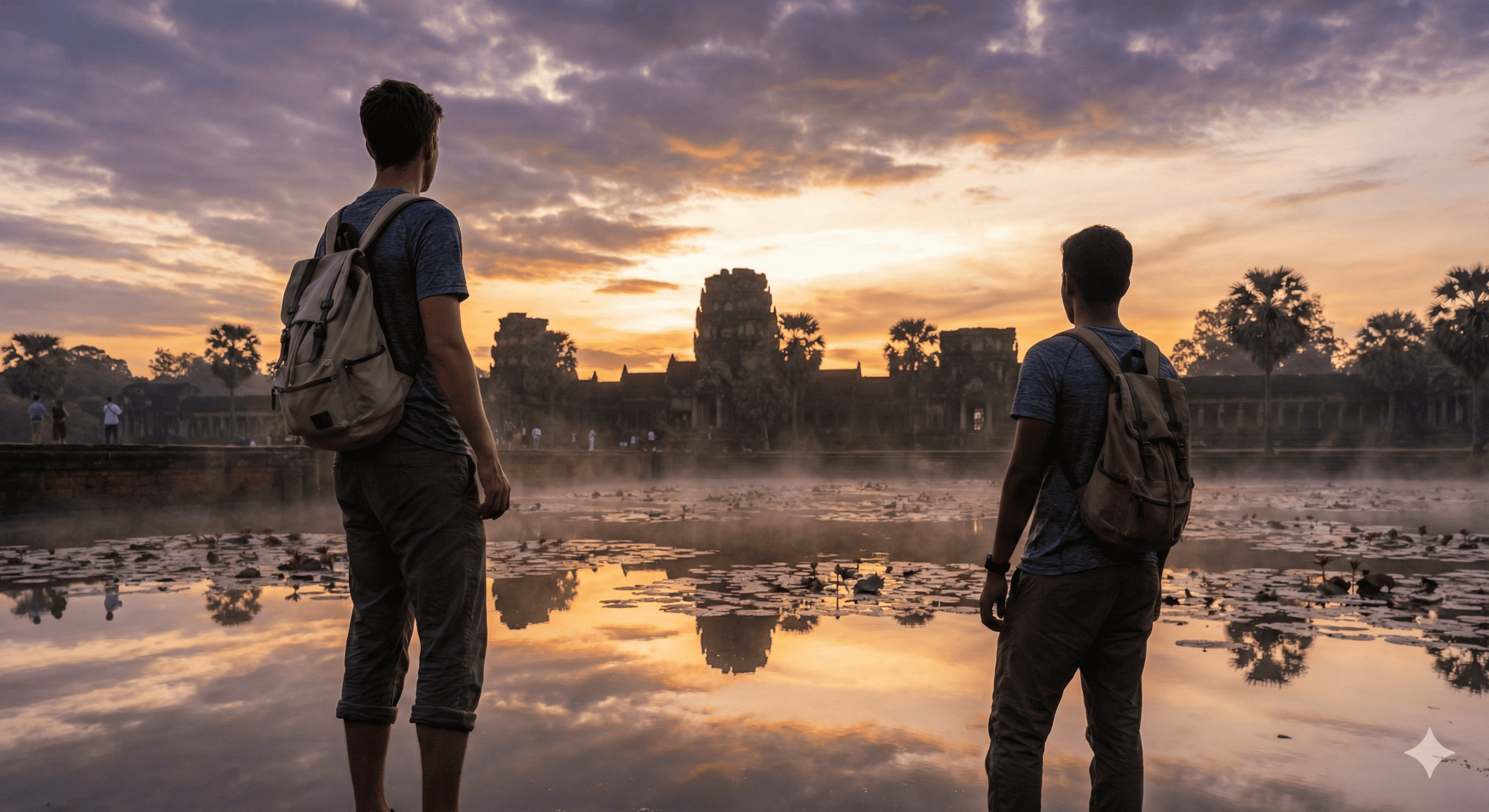
Southeast Asia is the top backpacking destination for a reason. It is affordable, full of fellow travelers, and the region has everything from beaches to ancient temples to some of the world’s best street food. Here is your complete guide to backpacking Southeast Asia. And if you want to add a remote work chapter to your trip, the Philippines digital nomad guide shows you how.
Why Southeast Asia?
For decades, Southeast Asia has been the go-to destination for backpackers worldwide. The reasons are straightforward:
- $30-50/day covers everything comfortably
- Beaches, mountains, cities, jungles, and islands all within reach
- Hostels, transport, and services designed for travelers everywhere
- You will meet backpackers from around the world
- Visa-free or visa-on-arrival for most nationalities
- Always good weather somewhere in the region
The “Banana Pancake Trail,” the well-worn backpacker route through Thailand, Vietnam, Cambodia, and Laos, has such established tourism infrastructure that it is essentially “easy mode” for first-time backpackers. You will never be truly alone unless you want to be.
The classic Southeast Asia route
Most backpackers follow some version of this loop:
Thailand, Laos, Vietnam, Cambodia, Thailand
Or the southern route:
Thailand, Malaysia, Singapore, Indonesia
Both routes are well-established with easy border crossings, regular transport, and countless hostels along the way. For a detailed breakdown of every route option, check out our guide to the best backpacking routes through Southeast Asia.
A common mistake is trying to cover too many countries too quickly. Four countries in six weeks is a recipe for burnout. Most experienced travelers recommend cutting at least one country from your initial plans to actually enjoy the others. Slow travel is better travel and cheaper too.
Country-by-country guide
Thailand
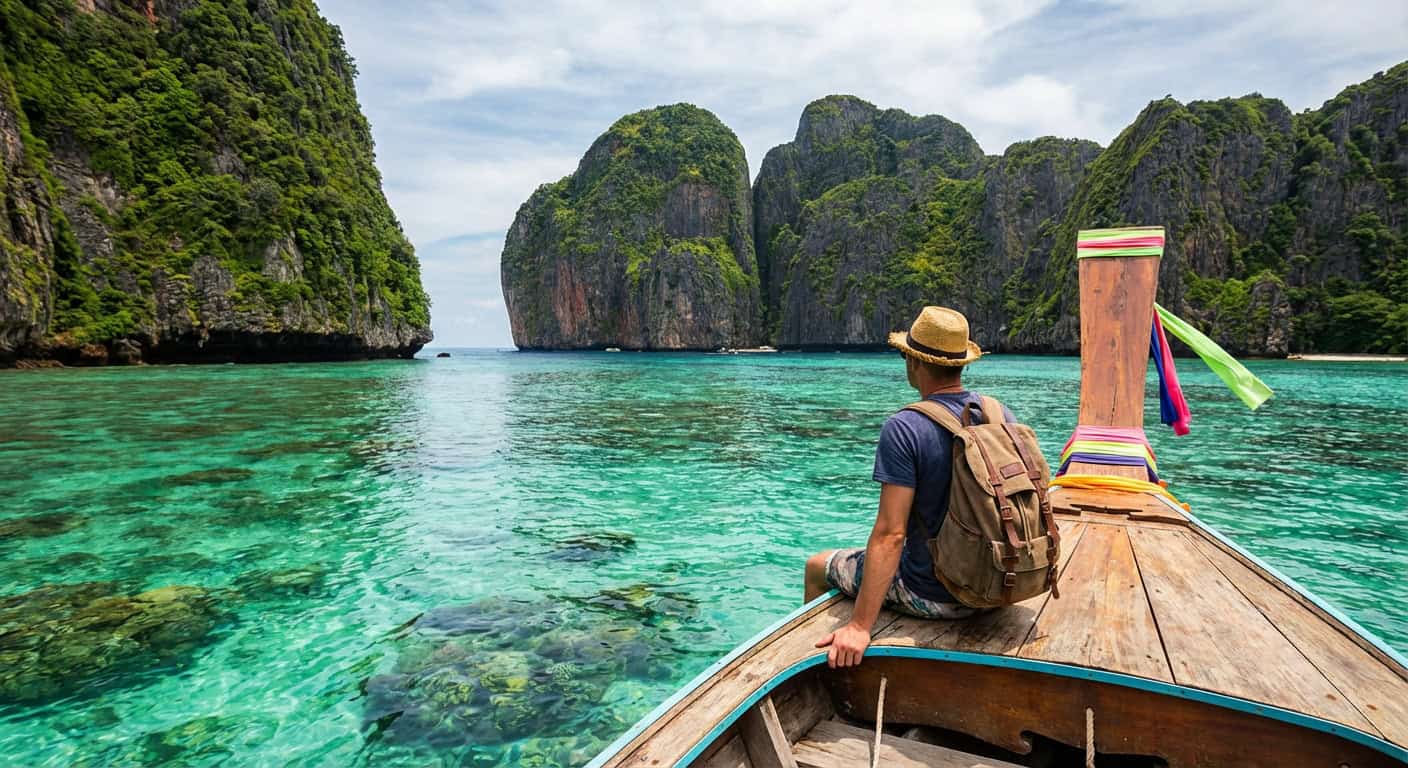
The entry point for most backpackers. Bangkok offers chaos and culture in equal measure. The north (Chiang Mai, Pai) has mountains and temples. The south (islands, beaches) has warm water and white sand. Thailand has the most developed hostel infrastructure in the region.
Budget: $35-50/day
Highlights: Bangkok street food, Chiang Mai temples, Phi Phi islands
Time needed: 2-4 weeks minimum
March and April bring “burning season” to Northern Thailand. Air quality in Chiang Mai and surrounding areas can reach hazardous levels due to agricultural burning. If visiting during these months, head south to the islands where the air stays clear. Download an air quality app like AirVisual to monitor conditions in real time.
Vietnam
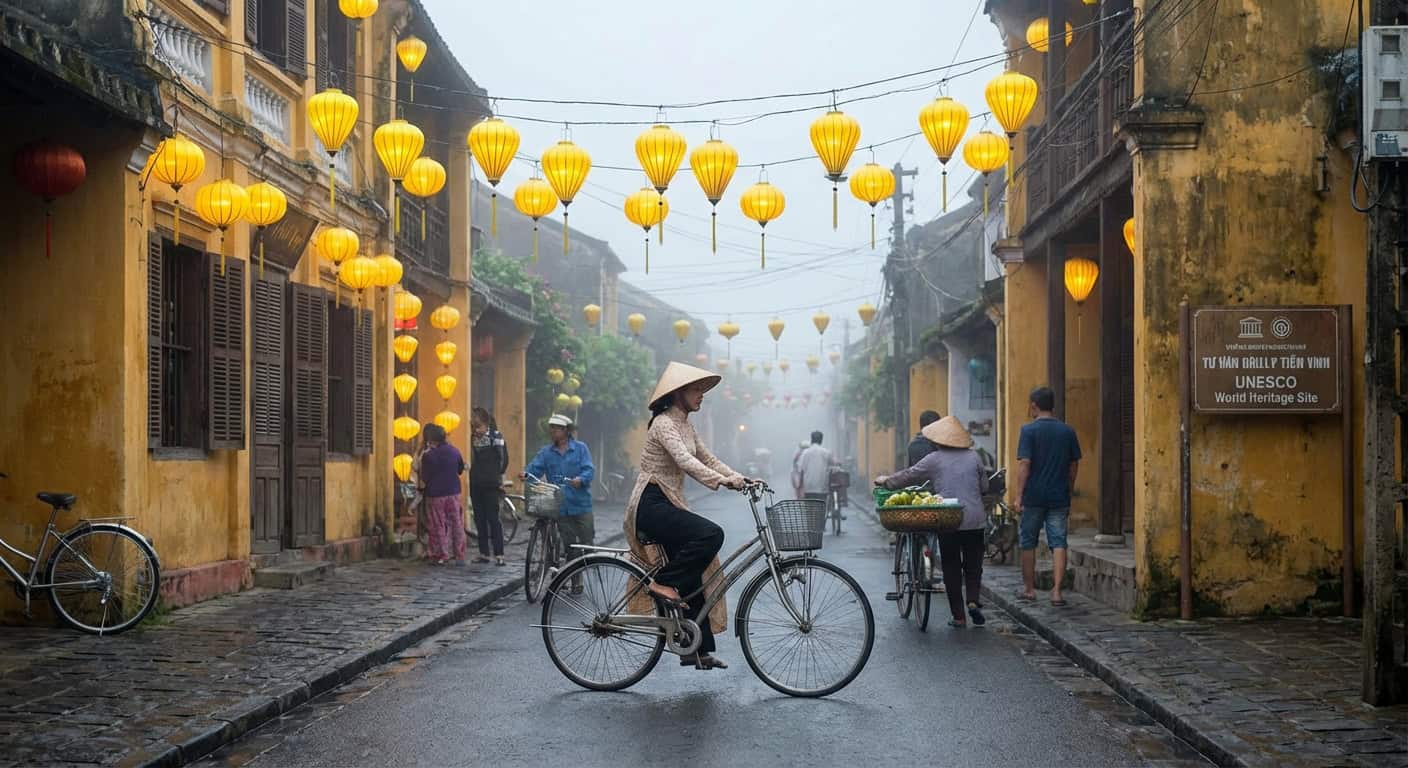
The most geographically diverse country in the region. Travel north to south (or vice versa) along the coast, stopping at cities, beaches, and countryside. The food alone justifies the visit.
Budget: $30-45/day
Highlights: Ha Long Bay, Hoi An, Ho Chi Minh City, Hanoi street food
Time needed: 3-4 weeks to cover properly
The Ha Giang Loop is consistently cited as the highlight of many Southeast Asia trips. This motorbike route through Vietnam’s northernmost mountains has incredible scenery and is a welcome break from the temple-and-beach routine. If you are not an experienced rider, hire an “Easy Rider” (local driver) to take you.
Apply for your Vietnam e-visa at least 3-4 weeks in advance. Processing can be delayed, and every detail must match your passport exactly, with middle names being a common point of failure. For a full breakdown of visa requirements for Southeast Asia, see our dedicated guide.
If you’re planning to slow down and work remotely, Da Nang is an ideal base for digital nomads.
Cambodia
Angkor Wat alone makes Cambodia essential. Beyond the temples, Phnom Penh offers history and culture, while Sihanoukville and the islands provide beach time.
Budget: $25-40/day
Highlights: Angkor Wat, Phnom Penh, Koh Rong islands
Time needed: 2-3 weeks
Laos
The slowest-paced country in the region. Luang Prabang is one of Southeast Asia’s most beautiful towns. Vang Vieng has adventure activities. The 4000 Islands provide ultimate relaxation.
Budget: $25-35/day
Highlights: Luang Prabang, Vang Vieng, 4000 Islands
Time needed: 2-3 weeks
Like Northern Thailand, Laos experiences severe air quality issues from burning season (March-April). Plan accordingly or head to the south.
Indonesia
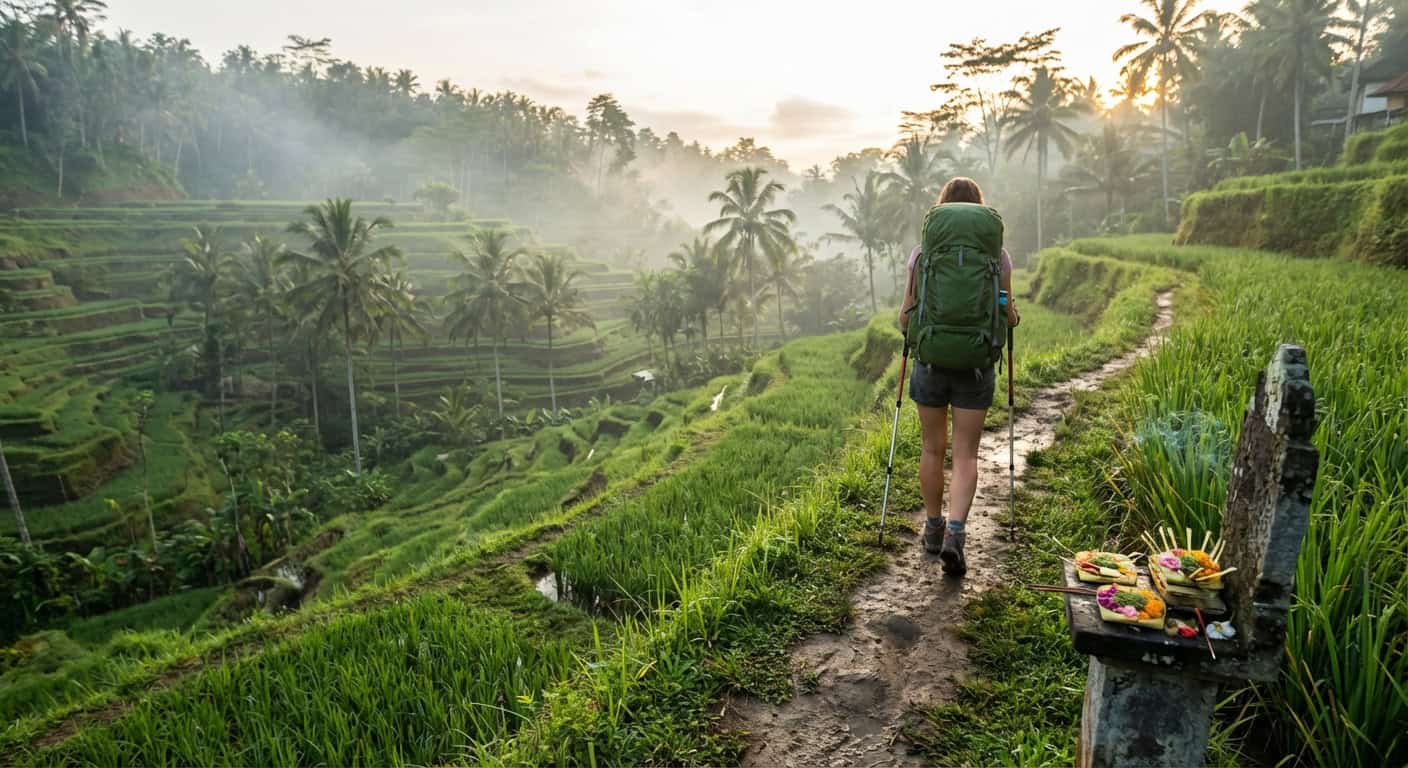
Bali gets the attention, but Indonesia is vast. Beyond Bali, explore Java’s temples, Komodo dragons, Lombok’s beaches, and countless other islands.
Budget: $35-50/day
Highlights: Bali (Ubud, Canggu), Gili Islands, Komodo, Java
Time needed: 2-6 weeks depending on scope
Malaysia
More developed than its neighbors, Malaysia has great food (especially in Penang), beautiful islands, and jungle adventures in Borneo.
Budget: $40-55/day
Highlights: Penang food, Langkawi, Cameron Highlands, Borneo
Time needed: 2-3 weeks
Philippines
Over 7,000 islands mean endless exploration. Island hopping in Palawan and beach life in Siargao attract growing numbers of backpackers.
Budget: $35-50/day
Highlights: Palawan, Siargao, Cebu, Bohol
Time needed: 3-4 weeks
Budget breakdown
Here is where your money goes in Southeast Asia:
- Accommodation: $5-15/night in hostels
- Food: $5-10/day eating street food and local restaurants
- Transport: $5-10/day average (varies by travel days)
- Activities: $5-15/day (tours, entrance fees)
The hidden budget killer? Alcohol. You can live comfortably on $30/day, but not if you drink five beers every night. In many places, a beer costs as much as a meal.
Learn more budget travel strategies to stretch your money even further.
What to pack
Experienced Southeast Asia travelers recommend packing lighter than you think. A 35-40L backpack (carry-on size) saves money on baggage fees and makes navigating tuk-tuks and ferries much easier.
Key packing advice from the road:
- “7-Eleven has everything.” You do not need three months of toiletries. Just buy as you go
- Exception: bring sunscreen from home. It is expensive in Asia and often contains whitening agents
- Linen and moisture-wicking fabrics (like Uniqlo Airism) handle the humidity best
- One pair of comfortable walking sandals and one pair of light sneakers is all you need
- eSIMs (Airalo, Holafly) are now easier than hunting for physical SIM cards at airports
Getting around
Transport options in Southeast Asia:
- Buses are the cheapest option; overnight buses save accommodation costs
- Trains have a limited network but are scenic (Vietnam has the best)
- Budget airlines like AirAsia, VietJet, and Lion Air work for longer distances
- Boats are essential for island hopping
- Motorbike rentals are common, but be careful with licenses and insurance
For tuk-tuks and taxis, use the Grab app (the “Uber of Southeast Asia”) to check real prices before haggling with drivers. Never accept the first price offered. Walking away often brings a better offer.
Avoiding “temple fatigue”
A common complaint after a few weeks: “If I see another temple, I will scream.” Here is how to keep your trip varied:
- Follow a temple day with a beach day or adventure activity
- Avoid doing Angkor Wat, Ayutthaya, and Bagan back-to-back
- Never stay anywhere for less than three nights. Constant travel days make everything blur together
- Khao Sok National Park in Thailand has floating bungalow stays that feel completely different from the typical backpacker circuit
Meeting other backpackers
The Southeast Asia backpacker scene is well-known for a reason. You will meet people in hostels, on buses, at tourist sites, and in restaurants. The region attracts every type of traveler: gap year students, career breakers, digital nomads, and long-term wanderers.
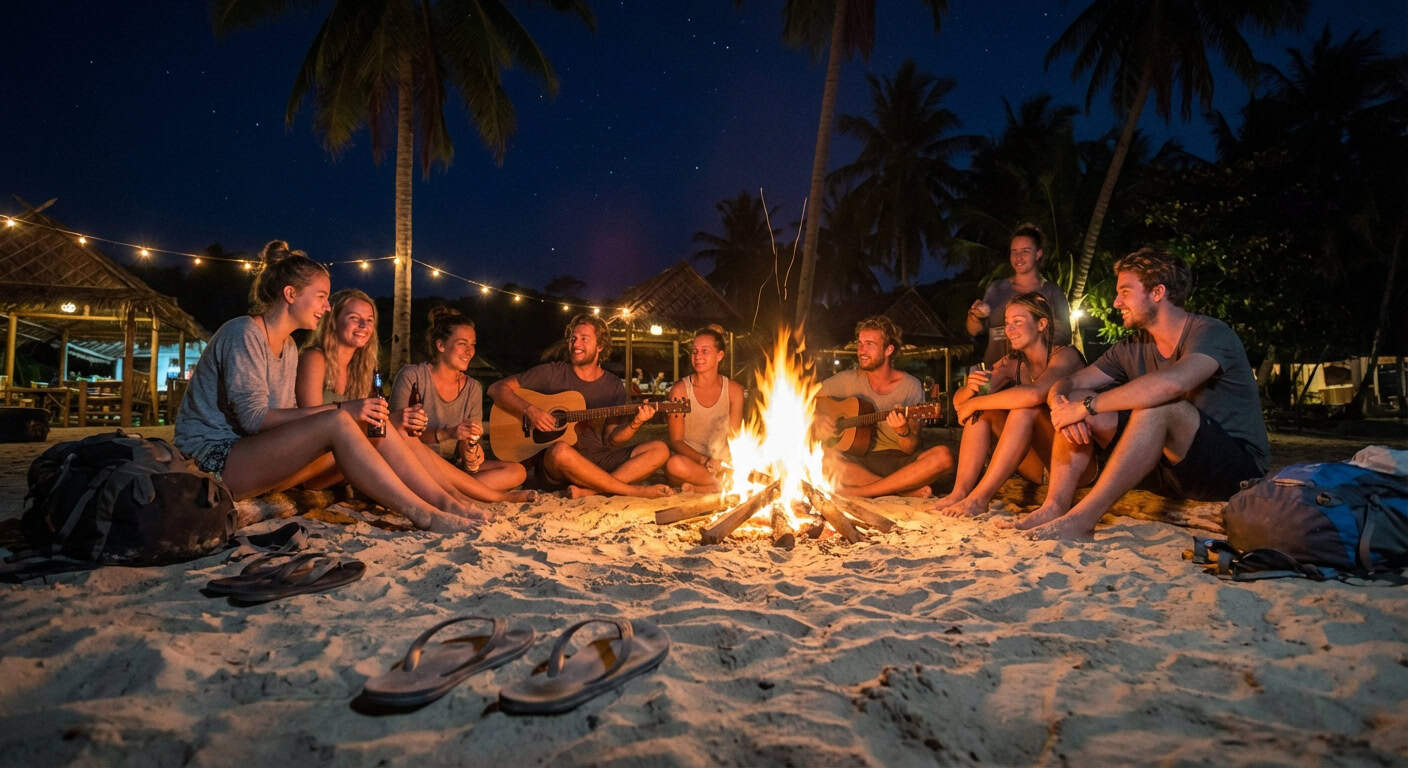
To maximize connections:
- Stay in social hostels with good reviews (Mad Monkey and Slumber Party are known for parties; quieter hostels are better for actual sleep)
- Use HitchHive to find travelers creating activities nearby
- Join hostel events and tours
- Travel slowly. Rushing means fewer connections
The shared experiences you have in Southeast Asia often form the basis of lifelong friendships.
When to go
Southeast Asia has varied seasons:
- Nov-Feb: Best for Thailand, Vietnam, Cambodia, Laos (dry season)
- Apr-Oct: Better for Indonesia, parts of Malaysia
- Year-round: Malaysia, Singapore, parts of Indonesia
Peak backpacker season runs December through February. For fewer crowds, consider shoulder seasons. May and September/October offer good weather with thinner crowds and lower prices.
First-night strategy
Book your first 2-3 nights in Bangkok to decompress after your flight, then book as you go. This allows you to change plans if you meet people or fall in love with a place. Over-planning kills the spontaneity that makes backpacking work.
Safety tips
Southeast Asia is generally safe for backpackers, but stay smart:
- Watch for motorbike bag snatchers in cities
- Be cautious with motorbike rentals (insurance, licenses)
- Avoid drugs. Penalties are severe
- Research common scams before each country
- Keep valuables in hostel lockers
Start planning
Book a one-way flight to Bangkok, reserve your first few nights in a social hostel, and figure out the rest when you get there. That is how most good backpacking trips start.
Download this travel app to connect with the Southeast Asia backpacker community before you even arrive.
Continue your journey
These guides will help you take the next step:
- Best Cities for Digital Nomads — Many Southeast Asian cities rank among the top remote work destinations worldwide
- Food Experiences to Meet Locals — Southeast Asian food culture is your gateway to authentic local connections
- Solo Female Travel Safety — Destination-specific safety advice for women traveling through Southeast Asia
- The Digital Nomad Guide to Da Nang — Thinking of slowing down in Vietnam? Da Nang is a great base for remote work by the beach
- The Digital Nomad Guide to South America — Remote work across Medellin, Buenos Aires, and beyond
Leave a Reply