
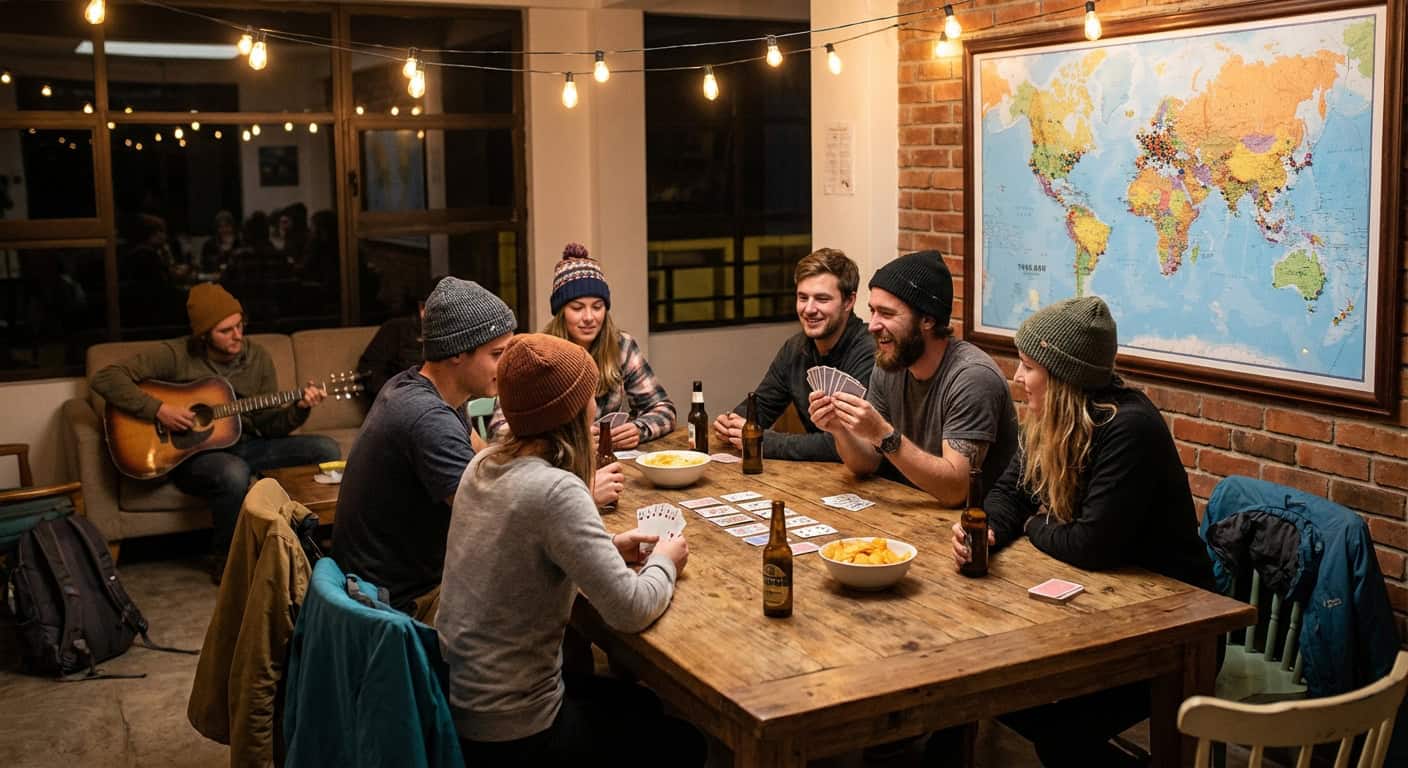
Hostels are where backpacker magic happens. They are where strangers become travel buddies over communal dinners, and where solo travelers find their people. Here is everything you need to know about hostel life.
What is a hostel?
Hostels are budget accommodations designed for travelers. Unlike hotels, hostels emphasize shared spaces and community. Most hostels offer dormitory rooms with bunk beds (4-12 beds per room), though many also have private rooms at higher prices.
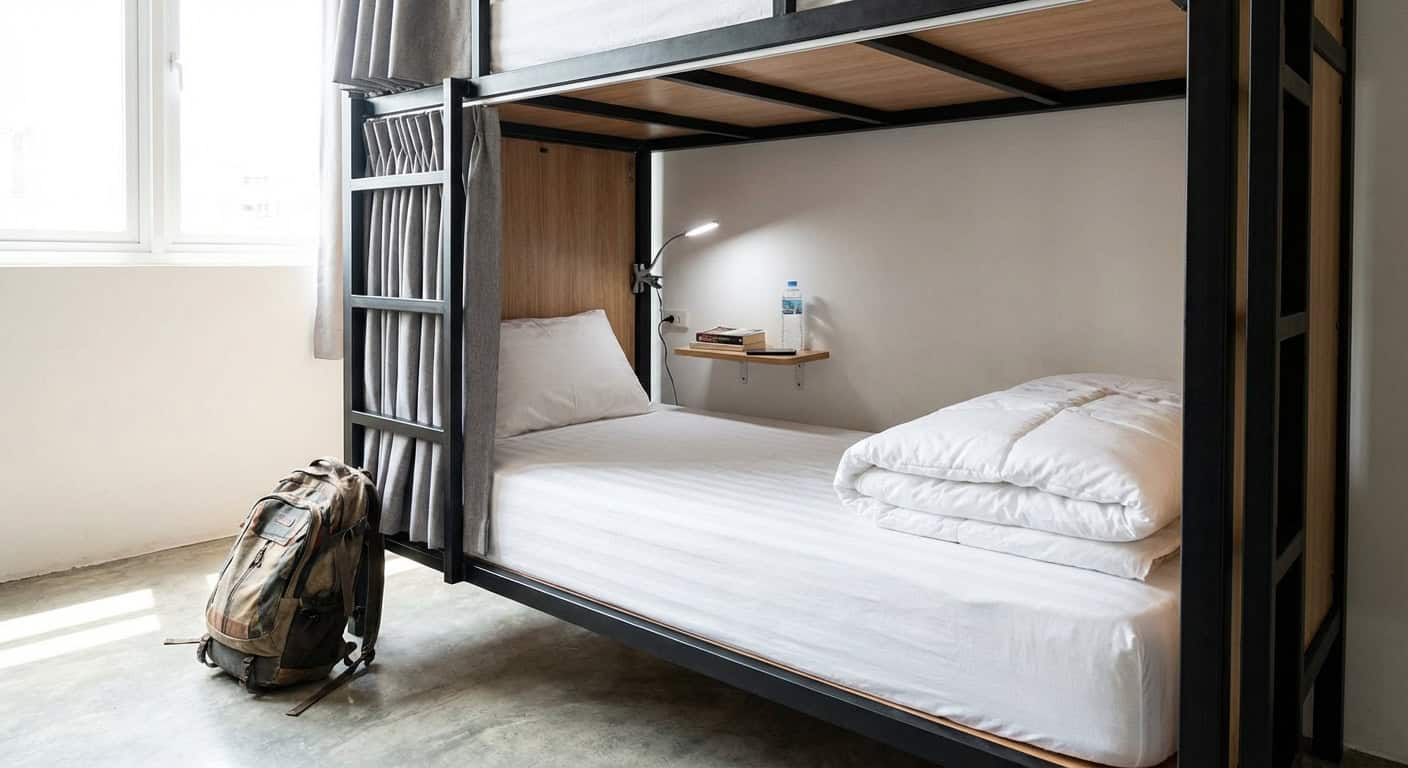
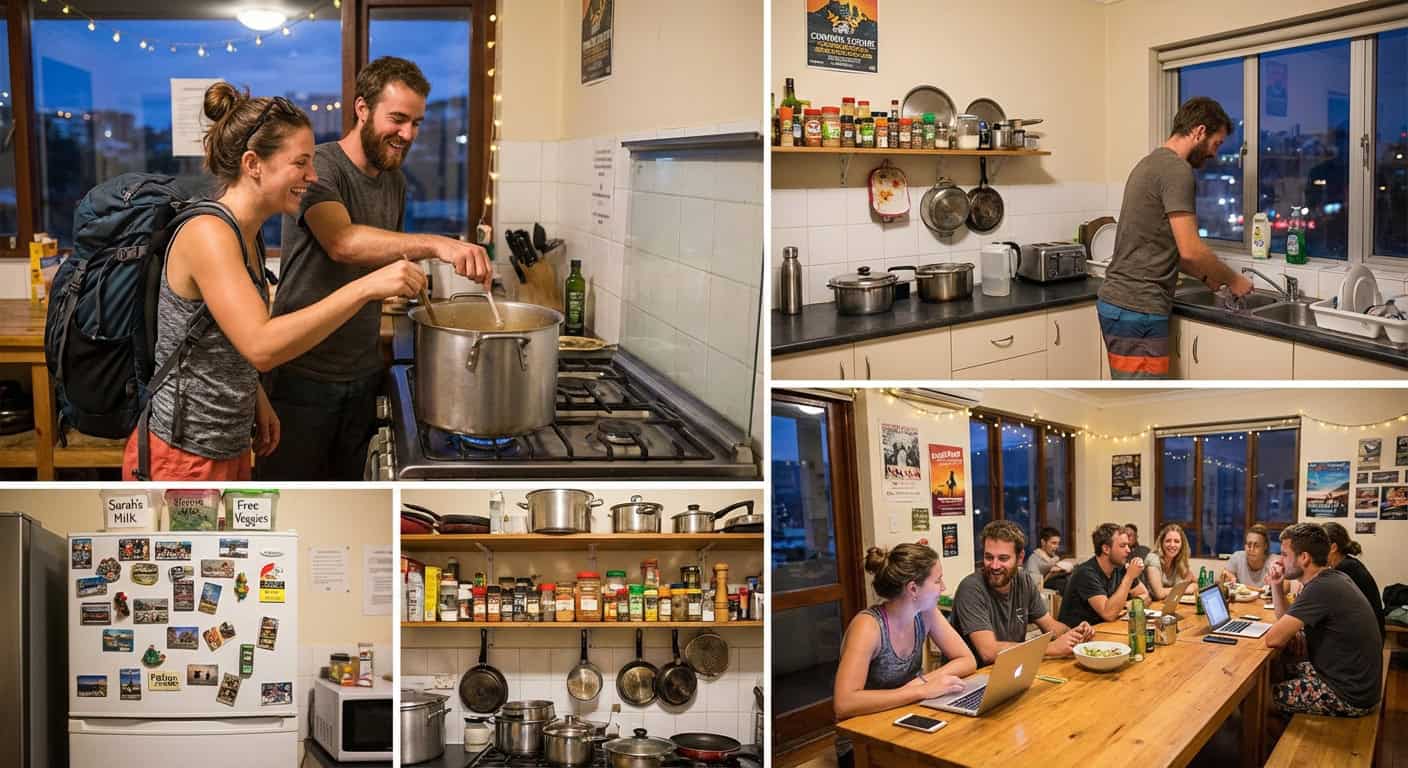
The defining feature of hostels is not cheap beds — it is the social atmosphere. Common rooms, communal kitchens (a great way to meet people through food), organized activities, and shared dorms create natural opportunities to meet people.
Why stay in hostels?
Save money
Hostel dorms cost $5-25 per night depending on location, a fraction of hotel prices. A budget-conscious traveler can stretch their money significantly by choosing hostels. Extra savings come from cooking in hostel kitchens.
Meet people
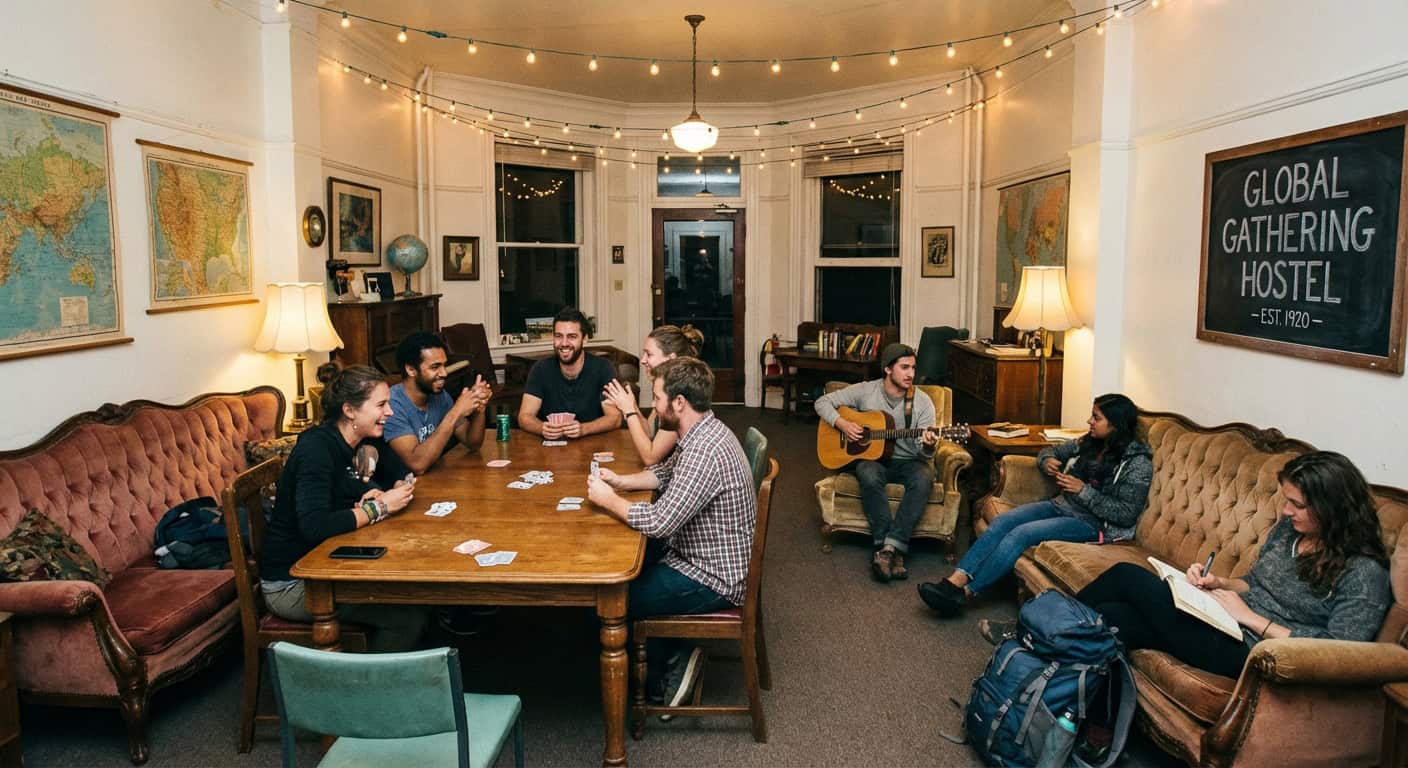
Hostels are social by design. You will meet your dorm mates, chat with people in common areas, and likely end up exploring with fellow travelers. This is especially true along popular routes like the Banana Pancake Trail, where the same backpackers keep crossing paths at hostels from Bangkok to Siem Reap. For solo travelers seeking connection, hostels are unmatched.
Learn from other travelers
The communal nature of hostels creates constant knowledge exchange. You will hear about hidden gems, get restaurant recommendations, learn which scams to avoid, and gather tips for your next destination — all from people who just came from there.
Enjoy unique experiences
Many hostels organize activities: pub crawls, cooking classes, day trips, movie nights. These included experiences add value and create social opportunities you would not get at a hotel.
Choosing the right hostel
Read reviews carefully
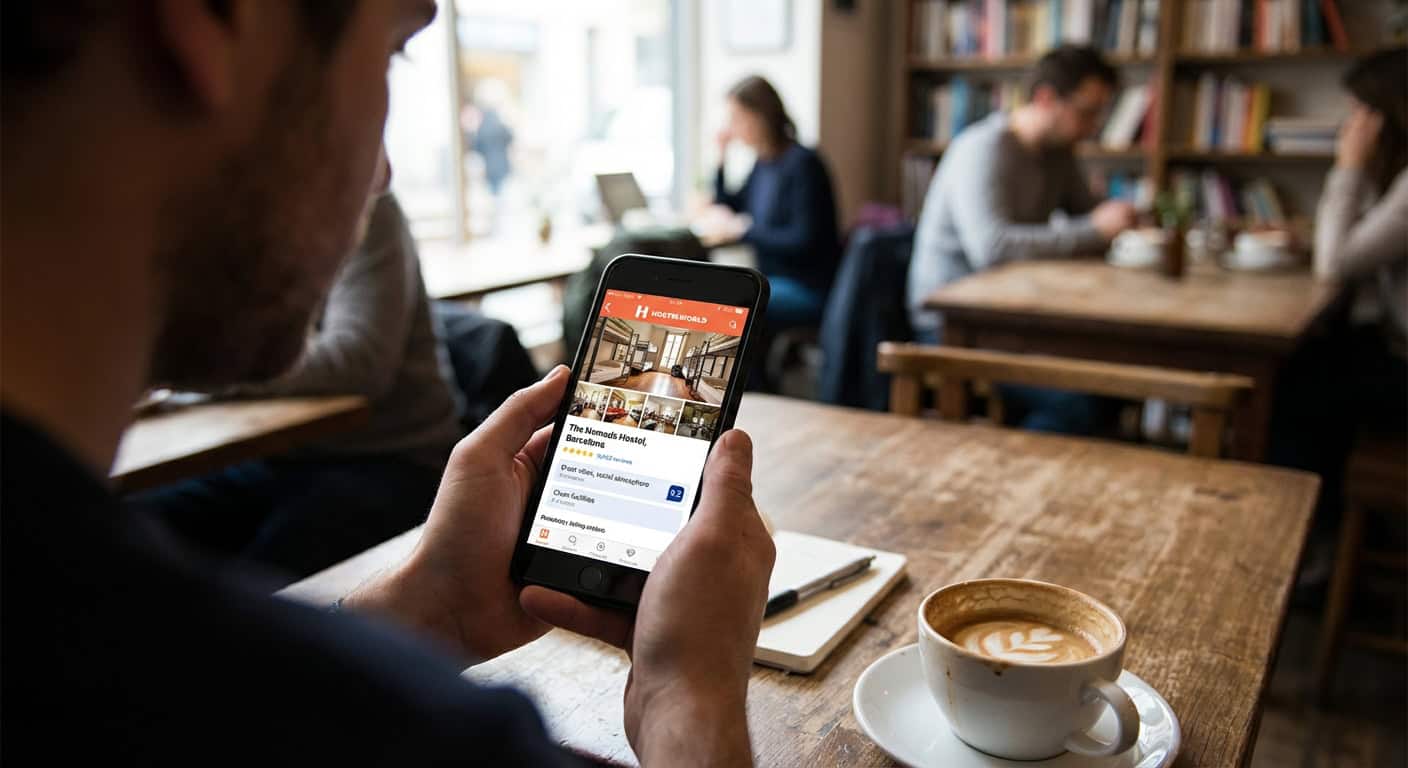
Pay attention to recent reviews. Look for mentions of atmosphere, cleanliness, staff helpfulness, and security. A hostel with great reviews from three years ago might have changed. Women travelers should specifically look for safety reviews from other women, not just “party vibe” ratings.
Consider your priorities
- Party hostels: Great for nightlife and socializing, less great for sleep
- Chill hostels: Relaxed atmosphere, better rest, still social
- Boutique hostels: Higher quality, more expensive, often great design
- Work-friendly hostels: Good wifi, quiet hours, coworking spaces
Party hostels can actually be easier for introverts in some ways — everyone is so open and social that the barrier to conversation is much lower. However, if sleep quality matters to you, know that you will not sleep well in a party hostel.
Check the amenities
Essential amenities to look for:
- Lockers (preferably in-room, large enough for bags)
- Kitchen facilities
- Free wifi
- Common areas
- Laundry (or nearby laundromat)
- Air conditioning or heating depending on climate
Location matters
Central hostels cost more but save on transport and put you close to attractions. Neighborhood hostels are cheaper and offer local flavor. Balance convenience with budget.
The golden rules of hostel etiquette
Living in shared spaces requires consideration. These are the unwritten rules that experienced hostel travelers swear by:
Light and noise after hours
This is the number one hostel complaint. If you arrive late or leave early, never turn on the overhead lights. Use your phone flashlight (shielded with your hand) or a headlamp with a red LED setting. Red light preserves night vision and disturbs others less.
The pack-early rule
If you have an early flight or bus, pack your bag the night before. Take everything you need and set it by the door or in a locker. If you absolutely must pack in the morning, take your bag outside the room to do it. Rustling plastic bags at 5am is universally despised.
Alarm etiquette
Do not hit snooze ten times. Wake up on the first alarm or use a vibrating alarm on your fitness tracker or watch. Nothing creates hostel enemies faster than a phone alarm going off repeatedly while you ignore it.
Plastic bag protocol
Packing everything in loud plastic grocery bags guarantees you will disturb people. Use packing cubes or soft bags instead — they are quieter and help you stay organized.
Keep clean
Clean up after yourself in kitchens and bathrooms. Do not leave food rotting in fridges. Throw away trash. Label your food with your name and checkout date. Basic cleanliness makes shared living pleasant.
Share space fairly
Do not spread your belongings across the entire room. Keep bags organized. Share outlets for charging. Be mindful of bathroom time during morning rush.
First-timer safety tips
The bedbug check
Before unpacking, check the mattress seams for dark spots (bedbugs). Keep your bag on the floor or a hard surface initially — do not immediately throw your belongings on the bed. If you spot signs of bedbugs, request a room change immediately.
Shower safety
Never enter a hostel shower barefoot. Bring flip-flops or shower sandals. Foot fungus is a real risk in shared bathrooms.
Secure your valuables
Use lockers for electronics, passports, and money. Bring your own padlock — hostels often have lockers but do not provide locks. A combination lock is ideal since you cannot lose a key. Never leave valuables unattended, even briefly. Most hostel theft is opportunistic.
Treat your belongings like you are on a subway — keep valuables close and do not leave your phone charging on a bed while you go to the bathroom.
Making friends in hostels
Hostels make meeting people easy, but you still have to put yourself out there:
The script is your friend
Almost every hostel conversation starts with the same three questions. You do not need to be clever — just use the standard script:
- “Where are you from?”
- “How long have you been here?”
- “Where are you going next?”
Use common areas
Do not hide in your dorm. Hang out in lounges, cook in shared kitchens, join hostel activities. Common areas are designed for connection — use them. Even sitting alone with a book signals that you are present and approachable.
Join group activities
Hostel walking tours, pub crawls, and day trips are social gold. Even if the activity itself does not excite you, the people you meet often become travel companions.
Suggest plans
Do not wait for invitations. Say “I am heading to that night market tonight — anyone want to come?” Many travelers are waiting for someone to take initiative.
Acknowledge people
Simple but important: just say “Hi” when you enter a dorm room. Walking in silently with headphones signals you do not want to talk — even if that is not true. A simple acknowledgment opens the door to connection.
Use travel apps
Find travelers nearby with apps that show you who is around — including those staying at other hostels. Create activities to invite people beyond your immediate accommodation.
Hostel packing essentials
Items that make hostel life easier:
- Padlock: Combination locks are easiest (no key to lose)
- Earplugs: Essential for sleeping through snorers
- Eye mask: Block light from early risers
- Quick-dry towel: Many hostels charge for towel rental
- Flip-flops: For showers and common areas
- Headlamp: Navigate dorms without waking others (red LED mode is best)
- Portable charger: Outlets near bunks are limited
- Packing cubes: Quieter than plastic bags and keep you organized
Special considerations for women
Many hostels offer female-only dorms, which provide:
- More comfortable sleeping environment
- Built-in community of other female travelers
- No concerns about male dorm mates
- Often cleaner bathrooms
Even in single-sex dorms, most people change in the bathroom or under the covers. Walking around in underwear is generally frowned upon in shared spaces.
For more comprehensive advice, see our solo female travel safety guide.
Hostels around the world
Hostel culture varies by region:
- Europe: Well-established, wide range of quality and price
- Southeast Asia: Very affordable, often includes breakfast
- China: Cities like Chengdu have excellent social hostels with rooftop bars, organized hotpot dinners, and dorm beds from $7/night
- Australia: Larger hostels, strong backpacker culture
- Latin America: Social atmospheres, often with bars
- North America: More expensive, fewer options outside cities
The best cities for backpackers typically have strong hostel scenes.
Beyond the dorm
Hostels are more than a place to sleep. They are communities. The people you meet, the stories you hear, the spontaneous adventures that start in common rooms — these become your best travel memories.
That stranger in the bunk above you might become your travel partner for the next month. The person you shared a kitchen with might host you in their home country years later.
Embrace hostel life. It is where backpacker magic happens.
Continue your journey
These guides will help you take the next step:
- Stay Productive While Traveling — Balance hostel social life with remote work productivity
- Find Foodie Travel Buddies — Use hostel kitchens to connect with fellow food-loving travelers
- The Complete Backpacking Guide — Hostels are just one part of the backpacker lifestyle
- Da Nang Cost of Living for Digital Nomads — See how far your budget stretches in one of Southeast Asia’s most affordable beach cities
- Chiang Mai Cost of Living — from budget hostels to modern condos, the full breakdown
Leave a Reply