
Buenos Aires cost of living: the honest truth for digital nomads
I need to get something out of the way immediately: Buenos Aires is not the budget paradise it was two years ago. If you are reading blog posts from 2022 telling you that you can live like royalty for $800 a month, close that tab. The economic situation has shifted dramatically, and the gap between the infamous “Blue Dollar” and reality has narrowed to the point where BA now costs roughly what you would pay in Lisbon or Valencia. That said, it is still a city where you can eat excellent steak, drink great Malbec, and live in a beautiful apartment for significantly less than New York, London, or San Francisco. You just need to know what you are actually getting into.
This is the breakdown I wish someone had given me before I landed at Ezeiza. If you are planning your move as part of a broader South America digital nomad circuit, Buenos Aires remains one of the strongest stops on the continent — but for the lifestyle, not the savings.
The Blue Dollar strategy (read this first)
Before we talk about what anything costs, you need to understand how you are going to pay for it. Argentina has a notoriously complex currency situation, and the method you use to access your money can swing your effective costs by 10-30%.
The exchange rate situation
Argentina has multiple exchange rates operating simultaneously. The “Official” rate is what the government says a dollar is worth. The “Blue Dollar” is the informal street rate — what people will actually pay you for physical USD cash. And the “MEP” rate is a financial market rate that foreign credit cards now use. For years, the gap between official and blue was enormous (sometimes 100%+), which made Buenos Aires absurdly cheap for anyone with dollars. That gap has narrowed significantly, and with it, the extreme bargains have evaporated.
How to actually pay for things
Credit cards (Visa/Mastercard) are now the easiest option for most digital nomads. Foreign cards automatically receive the MEP rate, which is very close to the Blue Dollar rate. This is a relatively recent change that has been a game-changer — you no longer need to walk around with bricks of cash to get a decent exchange rate. Check DolarHoy.com daily to see the current spread between MEP and Blue. If the gap is narrow (under 3-5%), just use your card for everything.
Physical USD cash still gets you the absolute best rate at cuevas (informal exchange offices). If you go this route, bring pristine $100 bills with the blue security strip. Cuevas will reject or devalue bills with tears, ink marks, or old designs. Calle Florida in the Microcentro is where the “arbolitos” (street changers) shout “Cambio! Cambio!” nonstop. It is not sketchy — it happens openly in offices and newsstand shops — but count your money carefully.
Western Union is another popular option. You send money to yourself through the app and pick it up in cash at a Pago Facil branch. Set up your account before you leave your home country to avoid verification headaches. Go to a large branch early in the day because smaller locations frequently run out of cash by afternoon. Be prepared to walk out with a comically large stack of peso bills.
Crypto is the advanced play. Some nomads buy USDT on Binance and sell it peer-to-peer for ARS, often getting rates that beat even the Blue Dollar. This requires comfort with crypto and a local digital wallet like Mercado Pago.
What to avoid: ATMs. The consensus is unanimous — they have absurdly low withdrawal limits and astronomical fees for foreign cards. Never use an ATM to get cash in Argentina.
Accommodation
Housing is likely your biggest expense, and where you live determines everything about your Buenos Aires experience. Here is what the market actually looks like for a digital nomad setting up in BA.
Neighborhood breakdown
Palermo ($800-$1,200/month): The default “nomad bubble.” Palermo Soho and Palermo Hollywood have the cafes, the coworking spaces, and the nightlife. You will pay the most here, and you will be surrounded by other foreigners. A modern furnished studio runs $800-$1,200 on Airbnb. The trade-off is great walkability and endless dining options, but Palermo (especially Soho) can be incredibly noisy from bar traffic at night.
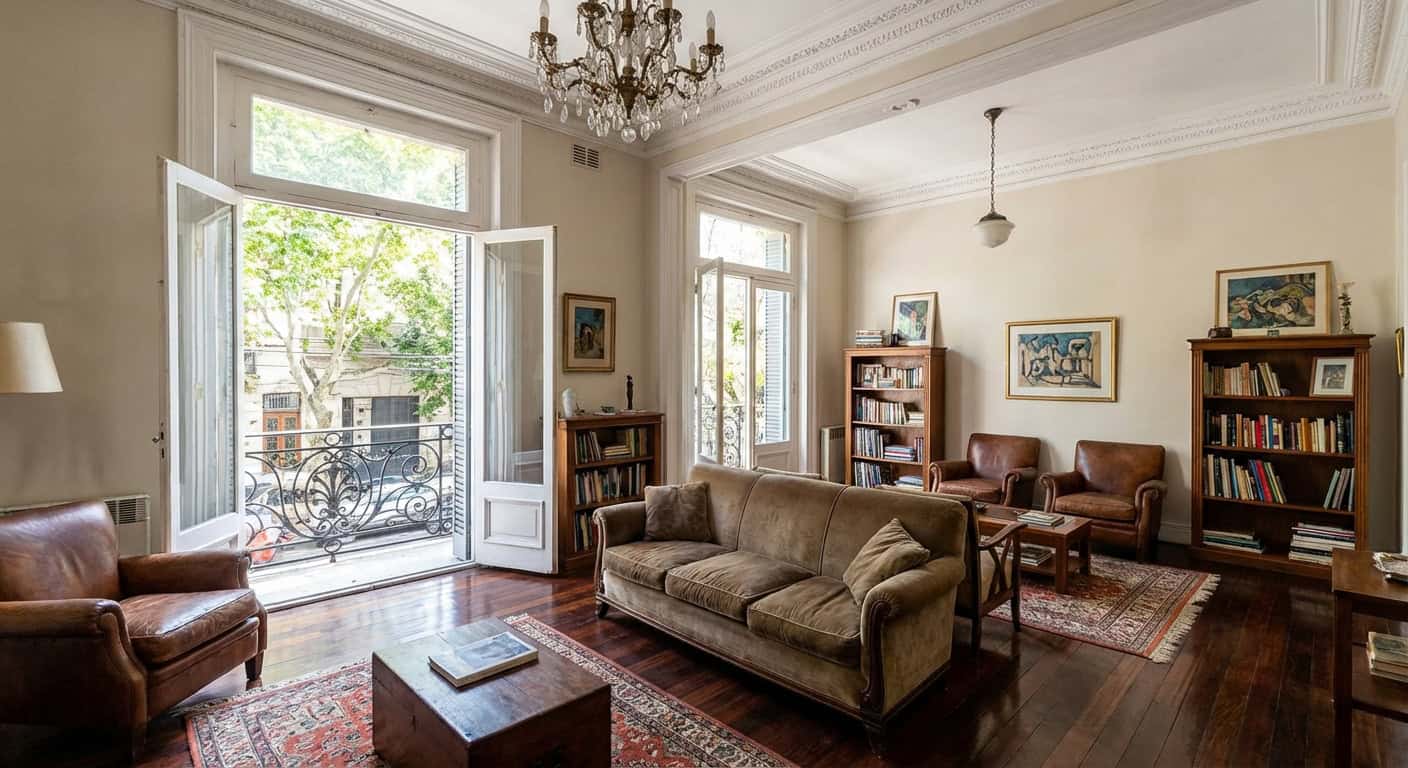
Recoleta ($700-$1,000/month): Think of this as the “classic” Buenos Aires. Grand architecture, quieter streets, safer at night thanks to round-the-clock doormen. Older buildings can have beautiful bones but beware of the expensas (building maintenance fees) — in Recoleta, these can add 50-70% on top of your rent for buildings with 24-hour security and central heating.
Villa Crespo / Chacarita ($600-$800/month): This is where the smart nomads go. These neighborhoods border Palermo and have a similar creative, cafe-heavy vibe but with noticeably lower rents. You get more space for less money and a slightly more local feel.
San Telmo ($500-$700/month): The bohemian, artsy quarter. Cobblestone streets, antique shops, and tango bars. More affordable but the infrastructure is older and it can feel sketchy after dark once you move off the main streets.
Boedo / Almagro ($450-$600/month): True budget territory. Well-connected by Subte (subway), safe, and you will be living among actual Portenos rather than other expats. One commenter found a studio in Almagro for around $550 — you will not find that in Palermo.
How to find apartments
Airbnb works but you are paying a “gringo tax.” For stays longer than a month, message hosts directly to negotiate an off-platform deal — you can often save 10-20% on fees. Better yet, check Zonaprop.com.ar (filter for “Temporario”), 4rentargentina.com, or Facebook groups like “Alquiler Temporario Buenos Aires” and “Buenos Aires Expat Hub.” Local agencies like Baires Apartments and ByT Argentina bridge the gap between Airbnb convenience and local rental pricing, though they typically charge a 20% commission on the total contract value.
Pro tip: Many landlords offer significant discounts (10-20%) if you pay rent in USD cash. This is one situation where the Blue Dollar still really matters.
Food and dining
Food in Buenos Aires is simultaneously one of the best values in the city and one of the biggest budget traps, depending on how you approach it. The quality of what you can eat here — the Italian heritage, the beef, the wine — is genuinely excellent. You are paying $30 for a meal that would cost $100 in Miami. But the days of $5 steak dinners are firmly over.
Eating out
Breakfast: $8-$10 for coffee and medialunas (Argentine croissants) at a cafe. Specialty coffee runs $3-$5 at the nicer spots in Palermo.
Lunch: $10-$15 for a solid sit-down meal. The real hack is the Menu Ejecutivo (Executive Menu) — many restaurants offer a set 2-3 course lunch with a drink for $10-$12. This is how locals eat affordably and the food is often excellent.
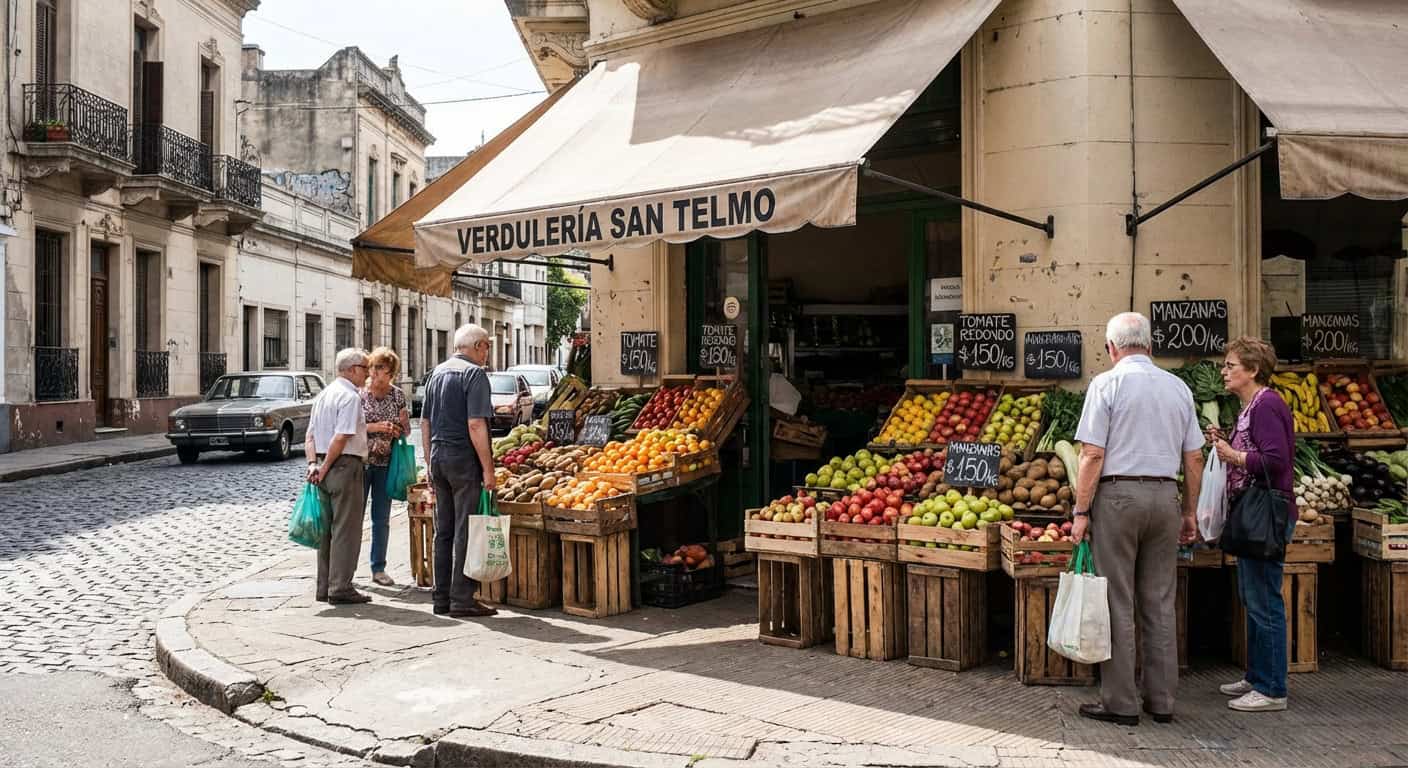
Dinner: $15-$25 for a standard restaurant meal. A proper steakhouse dinner with wine runs $25-$40 per person at places like La Cabrera or Parrilla Pena. The infamous Don Julio will cost more, though the debate rages about whether it is worth it.
Budget meals: Pizza is the king of cheap eats. Guerrin on Avenida Corrientes is a chaotic, essential experience — eating a slice de parado (standing at the counter) costs almost nothing and is a legitimate cultural moment. Empanadas run about $1-$2 each. A choripan (chorizo sandwich) from a street cart near the parks is the ultimate budget meal.
Tipping: 10% is standard for good service. The cubierto (cutlery/table charge) on your bill is not a tip — it goes to the restaurant. Even if you pay with a credit card, leave the tip in cash pesos so your server gets it immediately.
Cooking at home
Groceries are where Buenos Aires still delivers genuine value. High-quality beef from a local butcher runs about $4-$6/kg — an absolute steal by global standards. The verdulerias (fruit and vegetable shops) scattered across every neighborhood sell fresh produce for very little. A weekly grocery shop for one person cooking most meals at home runs roughly $40-$60. The one consistent piece of advice from the nomad community: “If you cook at home, you can live well. If you eat out every meal, you will spend US/European prices.”
One thing that is genuinely expensive: imported goods and clothing. Import taxes make anything from abroad absurdly overpriced. Bring everything you need — do not plan to buy clothes in Buenos Aires.
Transportation
Buenos Aires is extremely walkable, especially if you live in Palermo or Recoleta. But when you need to move across the city, you have excellent options that are cheap by any standard.
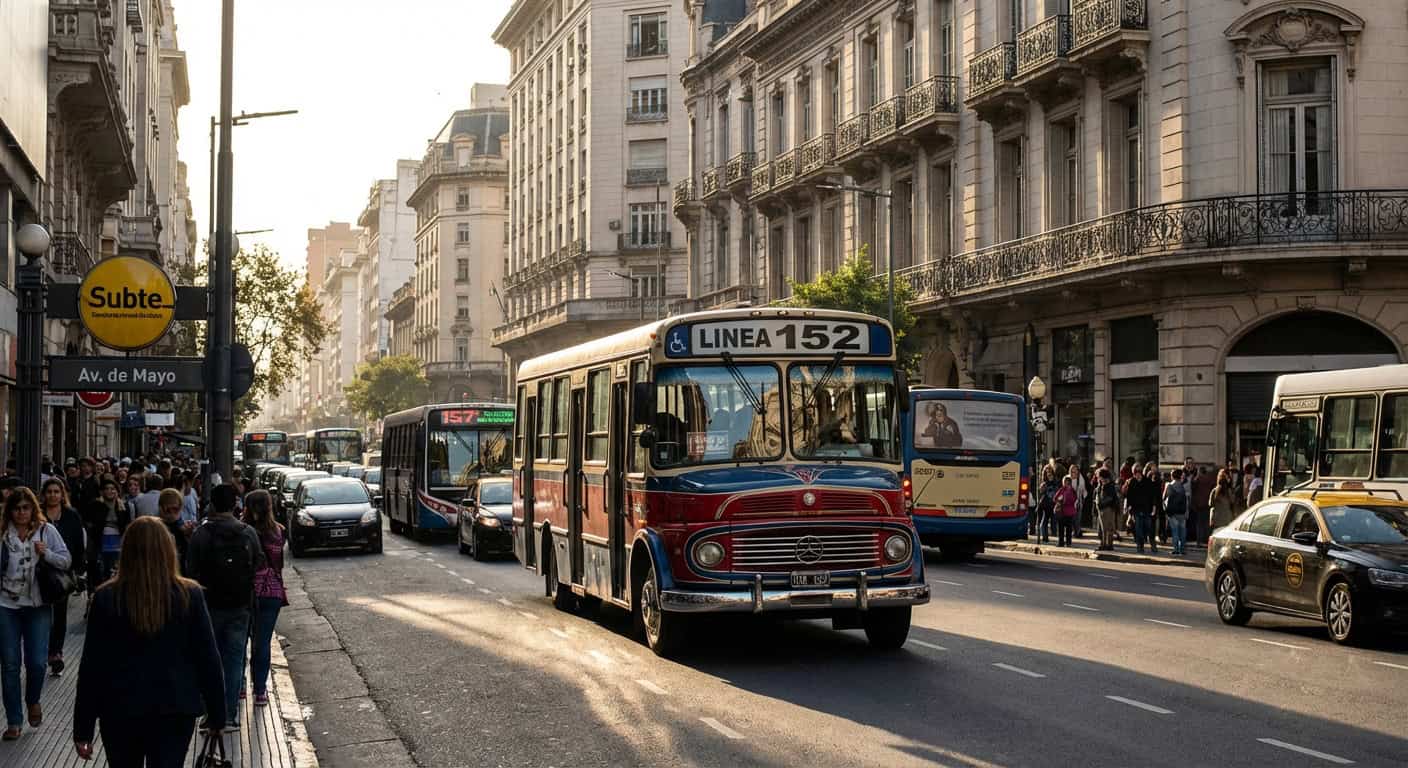
Subte (Subway): The subway system covers the core neighborhoods well. A ride costs under $0.50 with a SUBE card (the rechargeable transit card you will need for all public transport). Get a SUBE card at any kiosk as soon as you arrive.
Colectivos (Buses): The bus network is extensive and goes everywhere the Subte does not. Same SUBE card, same low fares. Google Maps handles bus routes well.
Uber/Cabify: Both work great and are the standard for getting around at night. Register your foreign credit card and you avoid needing cash entirely. A typical cross-city ride runs $3-$8. Use these instead of hailing street taxis, especially at night — the ride is tracked and the pricing is transparent.
Monthly transport budget: $30-$60 depending on how much you use ride-hailing apps.
Coworking and internet
Internet quality varies wildly by apartment. Some places have excellent fiber; others have connections that drop during video calls. Always test the WiFi before committing to a rental. For dedicated workspace options, check our guide to coworking spaces and cafes in Buenos Aires. Budget $80-$150/month for a coworking membership, or $0 if you are comfortable working from cafes (which Buenos Aires has in overwhelming abundance).
Healthcare
Healthcare is one of BA’s genuine bargains. A prepaga (private health insurance plan) costs $80-$150/month and gives you access to excellent private hospitals and clinics. Pharmacies are everywhere and many medications that require prescriptions in the US or Europe are available over the counter for a fraction of the price. A doctor’s visit without insurance might run $30-$50. Dental work is another area where nomads report significant savings compared to back home.
Entertainment and social life
Buenos Aires has a social life that will swallow your budget if you let it — but in the best possible way. A gym membership runs $50-$90/month (up from ~$20 a couple of years ago). A bottle of excellent Argentine wine from a shop costs $5-$10. Cocktails at a bar run $8-$15. A tango class might cost $5-$10 per session. Many of the city’s best experiences — wandering the San Telmo Sunday market, sitting in the parks drinking mate, exploring Recoleta Cemetery — are free.
If you want to explore what Buenos Aires has to offer on your days off, you will find that the cultural activities are remarkably affordable compared to the food and housing costs.
Monthly budget tiers
Budget: $1,000-$1,300/month
Studio in Almagro or Boedo ($450-$600). Cook most meals at home with occasional cheap eats out. Public transport only. No coworking membership — work from cafes. Limited nightlife. This is doable but tight, and you will need to be disciplined about cooking and avoiding the Palermo cafe circuit. This is comparable to what you might find at a similar budget tier in Medellin.
Comfortable: $1,500-$2,000/month
Nice studio or 1-bedroom in Villa Crespo or San Telmo ($600-$800). Eating out for lunch and cooking dinner, or vice versa. Mix of public transport and Uber. Coworking membership or occasional drop-ins. Regular social outings. This is the sweet spot for most nomads — comfortable without being extravagant.
Luxury: $2,200-$3,000+/month
Modern apartment in Palermo ($900-$1,200). Eating out freely at good restaurants. Uber everywhere. Premium coworking space. Regular nightlife and activities. Prepaga health insurance. At this level, you are living extremely well — better than most locals — and enjoying everything the city has to offer without worrying about the bill.
Hidden costs and tips
Expensas are real: Always ask about building maintenance fees before signing a lease. In older Recoleta buildings, these can equal half your rent.
Inflation changes everything: Prices on menus change monthly. Any budget guide older than six months (including, eventually, this one) should be treated with skepticism. Check DolarHoy.com for current rates.
The “Airbnb gringo tax” is real: You will pay 30-50% more on Airbnb than you would finding a direct rental through local channels.
Sim cards and phone plans: A local SIM with data costs $5-$10/month. Get one immediately — you need it for Uber, Cabify, and Mercado Pago.
Laundry: Most apartments do not have washing machines. Budget $15-$25/month for a local lavadero (laundromat) service.
For more strategies on keeping your costs down while traveling, our budget travel hacks guide covers the fundamentals that apply everywhere, and the complete digital nomad guide on HitchHive goes deeper on the financial planning side of long-term travel.
Continue your journey
Buenos Aires is no longer the ultra-cheap bargain it once was, but it remains one of the most livable and culturally rewarding cities for digital nomads anywhere in the world. The value proposition has shifted from “absurdly cheap” to “excellent quality for a reasonable price,” and honestly, that is a more sustainable place for a city to be.
If you are building a longer South American itinerary, start with our South America digital nomad guide to see how Buenos Aires fits into the bigger picture. For those watching their budget even more closely, our backpacking guide and hostel life guide cover how to stretch your dollars further across the continent.
Find your people
The best part of Buenos Aires is not the steak or the tango — it is the people you share it with. The digital nomad community here is one of the most active in South America, with language exchanges, coworking events, and social gatherings happening every night of the week. Join a Mundo Lingo event, sit down at a coworking communal table, or just strike up a conversation at a Palermo wine bar. This city rewards people who show up and say yes.
Leave a Reply