
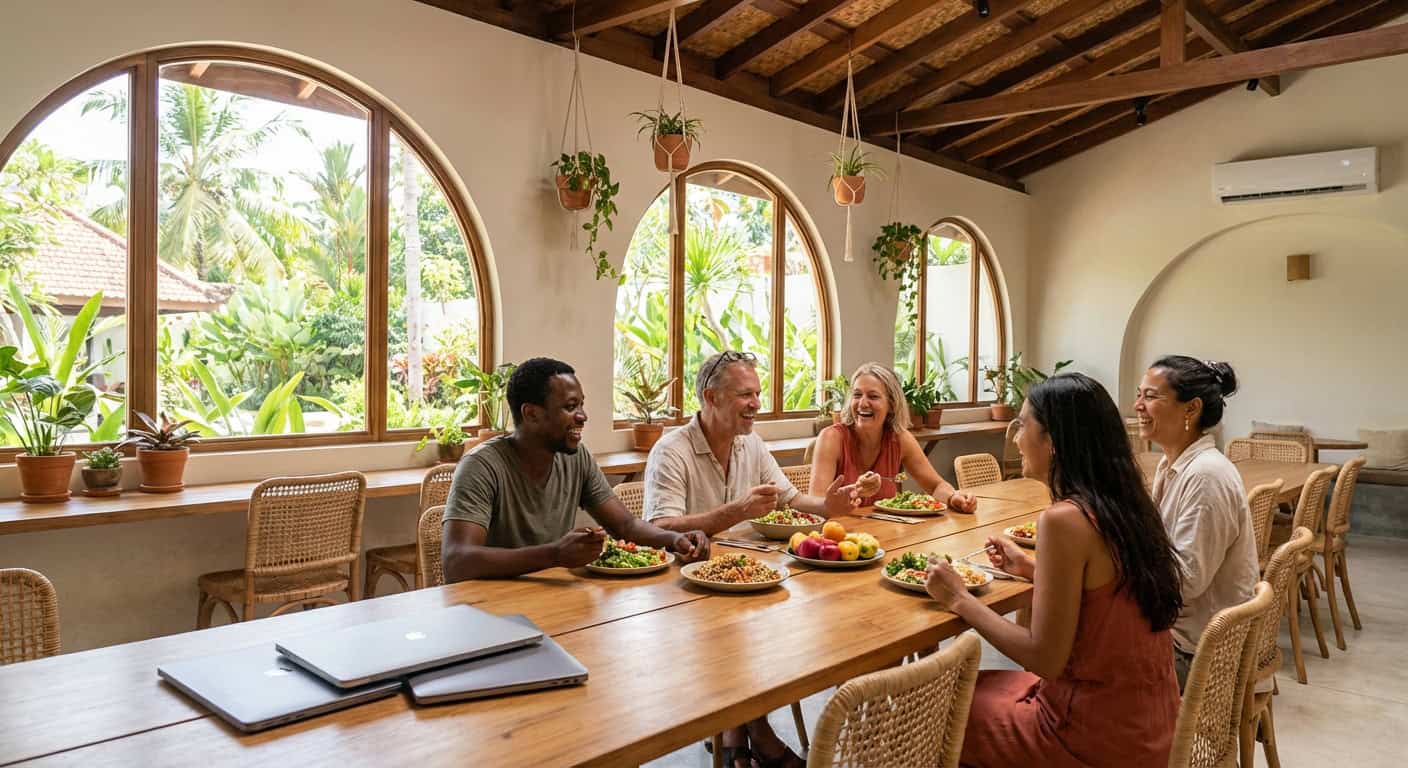
The freedom of location independence comes with an unexpected challenge: loneliness. Building community on the road requires intention and effort. Here is how successful digital nomads create meaningful connections while living a mobile lifestyle.
The loneliness problem
Digital nomads report loneliness as their biggest challenge, more than wifi issues, more than the visa situation in Southeast Asia, more than productivity. The lifestyle that promises freedom can feel isolating:
- Friends and family are far away
- You are constantly the “new person”
- Relationships feel temporary
- Colleagues are screens, not people
- Explaining your lifestyle gets exhausting
But loneliness is not inevitable. The most fulfilled nomads actively build community wherever they go.
Coworking communities
Coworking spaces are the easiest entry point to nomad community. In the Philippines, both Manila and Cebu have thriving coworking scenes built around their growing nomad communities. Beyond desks and wifi, they offer:
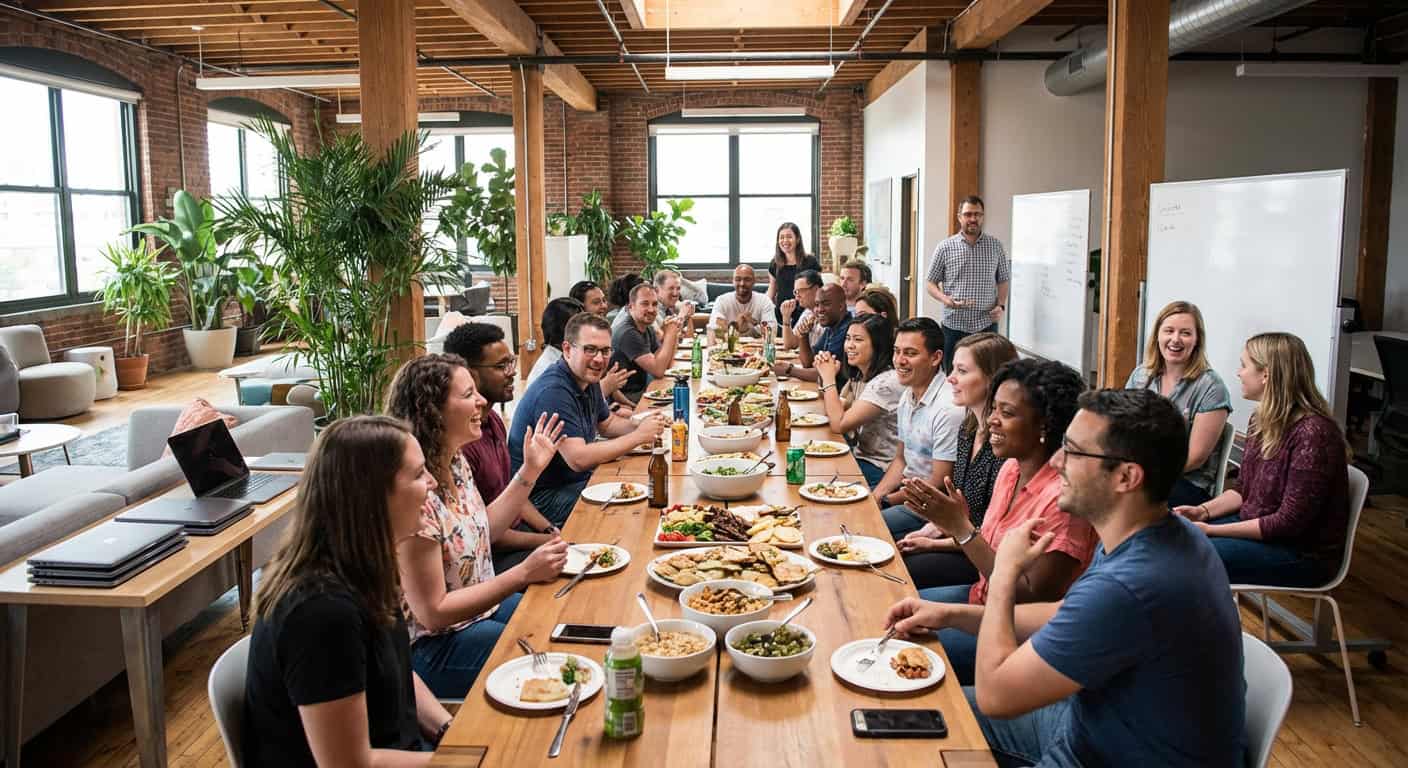
- Regular faces: people you see repeatedly
- Organized events: lunches, happy hours, skill shares
- Professional context: natural conversation starters
- Shared values: everyone there chose this lifestyle
The best cities for digital nomads have multiple coworking options with strong community cultures. Invest in a monthly membership rather than drop-in days, because consistency builds relationships.
Note: Coworking can be “hit or miss” for socializing since people are often focused on work. For deeper connections, consider coliving instead.
Coliving spaces
Coliving combines accommodation with community. You live with other nomads, sharing common spaces, meals, and experiences. Benefits include:

- Instant social circle upon arrival
- Shared meals and activities
- Built-in accountability partners
- Often includes workspace
Experienced nomads often recommend coliving over coworking for social bonding because you live, eat, and hang out with the same people after work hours. Chains like Selina are reliable for finding remote worker communities rather than just tourists. Cities like Medellín and Buenos Aires have particularly strong nomad communities.
Coliving works especially well for first-time nomads or anyone entering a new city without existing connections. Prices range from budget ($500/month) to premium ($2000+).
Digital community building
Use apps intentionally
HitchHive and similar apps connect you with nearby nomads and travelers. But passive scrolling does not build community. Action does:
- Create activities rather than just browsing
- Reach out to people with shared interests
- Follow up after meeting in person
- Find travel buddies for weekend adventures
Join online communities
Online spaces keep you connected between in-person meetings:
- Nomad Slack and Discord groups
- City-specific Facebook groups (search “[City Name] Digital Nomads” or “Expats in [City]”)
- Industry communities for your profession
- Interest-based groups (hiking, language exchange, etc.)
- WhatsApp groups, since almost every nomad hub has massive WhatsApp communities with invite links in local Facebook groups
Maintain home connections
Community does not mean abandoning existing relationships. Schedule regular calls with close friends. Plan visits home. Let people into your nomad life through sharing. These anchors matter.
In-person connection strategies
Be a consistent presence
Show up regularly to the same places: the same coworking space, the same cafe, the same gym. Repeated exposure builds familiarity. Familiarity becomes friendship. Becoming a “regular” somewhere creates a “micro-community” even on shorter stays.
Initiate actively
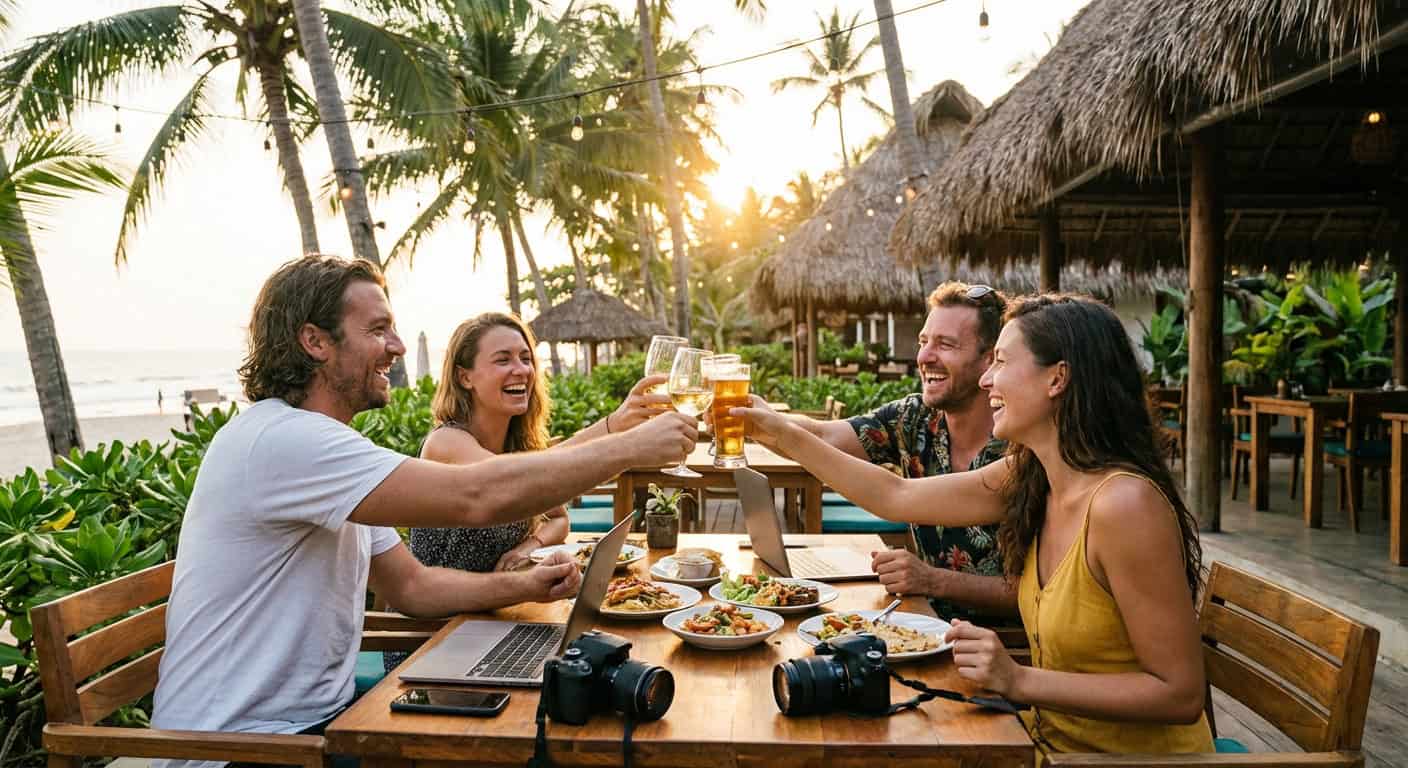
Do not wait for invitations. Suggest lunch. Organize a group dinner. Start a weekly coffee meetup. In transient communities, initiators become community anchors. As seasoned nomads put it: “You must be the one to post in the WhatsApp group: ‘I’m going to grab tacos at 7pm, who is in?’ People are often lonely and waiting for a leader.”
Say yes more
Accept invitations even when you are tired or unsure. The best connections often come from unexpected events. You can always leave early, but you cannot experience what you do not attend. Experienced nomads recommend saying “yes” to every single invitation during your first two weeks in a new place.
Go deeper with fewer people
Surface-level friendships with dozens of people feel hollow. Better to have five real connections than fifty acquaintances. Invest time in people you genuinely click with.
Use hobbies as filters
Niche activities attract specific types of people. Sports like Brazilian Jiu-Jitsu (BJJ), climbing gyms, and yoga studios are places where people are friendly, community-oriented, and generally seeking connection. Language exchanges (Intercambios) are essentially social mixers where the whole point is talking to strangers, which makes them great for overcoming the awkward approach problem.
The quality of nomad friendships
Nomad friendships have unique characteristics:

Accelerated intimacy
When you know someone is leaving in a month, you skip small talk. Nomad friendships often go deep quickly, with conversations about life, meaning, and dreams happening early.
Shared understanding
Other nomads understand your lifestyle without explanation. The relief of not justifying your choices creates instant rapport.
Geographic spread
Your nomad friends live everywhere. The upside: you have couches worldwide. The downside: your closest friends might be continents away.
Reunion culture
Nomad friendships involve long periods apart punctuated by intense reunions. You might not see someone for a year, then spend two weeks together in a new city. The shared experiences created in these reunions cement lifelong bonds.
The “return” strategy
One common piece of advice from experienced nomads: rotate between 2-3 specific cities rather than constantly finding new ones. Chiang Mai is one of the strongest options for this strategy, thanks to its deep, welcoming nomad community. This allows you to build “roots” in multiple places and return to friends who remember you, rather than starting from zero every time. You create multiple home bases with established communities.
Da Nang, Vietnam has a growing nomad community as well. See our Da Nang digital nomad guide.
Building community takes time
Here is the uncomfortable truth: meaningful community does not form in two-week stays. It requires:
- Extended stays: 1-3 months minimum to build real connections (3-4 months is actually the “sweet spot,” long enough to form genuine friendships, short enough to stay excited)
- Returning: come back to places where you clicked with people
- Patience: not every city will become your community
- Effort: community requires active maintenance
The nomad lifestyle rewards those who balance movement with rootedness. Slow down enough to let relationships grow.
Platforms that work
Experienced nomads recommend these specific tools for community building:
- Meetup.com: the go-to for finding interest-based groups
- Internations.org: expat-focused meetups, often older and more professional than hostel crowds
- Couchsurfing “Hangouts”: a feature that lets you set status like “wants to get coffee” and see nearby people looking to meet right now
- Bumble BFF: the friend-finding mode works surprisingly well for nomads
- Local Facebook groups: “Expats in [City]” usually skews more mature and chill than “Backpackers in [City]”
When community clicks
When you find your people, nomad life transforms. Suddenly you have:
- Friends to work alongside
- Adventure partners for weekends
- People who get what you are doing
- A sense of belonging that moves with you
Your community becomes location-independent too. It exists not in a place but in the people scattered worldwide who share your journey.
Start building your community today. Download HitchHive and connect with nomads and travelers wherever you are. Your people are out there, so go find them.
Continue your journey
Want to keep reading? These guides will help you take the next step:
- Stay Productive While Traveling — Balance community-building with maintaining your remote work output
- Food Experiences to Meet Locals — Use culinary adventures as a natural way to build your nomad community
- Solo Female Travel Safety — Safety strategies for women building community while traveling alone
Leave a Reply