
What Cebu actually costs in 2026
Before I moved to Cebu, I read a dozen articles that all said the same thing: “You can live like a king for $500 a month.” I want to be more honest with you than that. Can you survive on $500 in Cebu? Technically, yes, but you’ll be in survival mode, counting every peso, skipping AC in 35-degree heat, eating nothing but carinderia rice plates. That’s not living. That’s enduring.
Here’s what Cebu actually costs when you want to work productively, eat well, stay healthy, and occasionally enjoy the fact that you live on a tropical island with great diving thirty minutes away. I’ve tracked every peso I spent over several months, and the numbers below reflect real spending, not theoretical budgets from people who visited for a week.
The quick answer: $1,000 to $1,300 per month gets you a genuinely comfortable life as a solo digital nomad in Cebu. Below that, you’re making compromises. Above $1,500, you’re living premium. If you’re evaluating Cebu against other spots on the best cities for digital nomads list, the value here is exceptional once you know where your money actually goes. Our Philippines digital nomad guide covers the country-wide picture, but Cebu’s budget breakdown deserves its own focus.
Housing: the biggest variable
Housing is where most of your budget flexibility lives. Cebu has everything from $150 bedspaces to $800 luxury condos, and the gap between neighborhoods is dramatic.
IT Park and Cebu Business Park
This is where most digital nomads end up, and for good reason. The internet infrastructure is the best in the city, the buildings are modern with 24/7 security, and you’re walking distance to coworking spaces and restaurants. The trade-off is price.
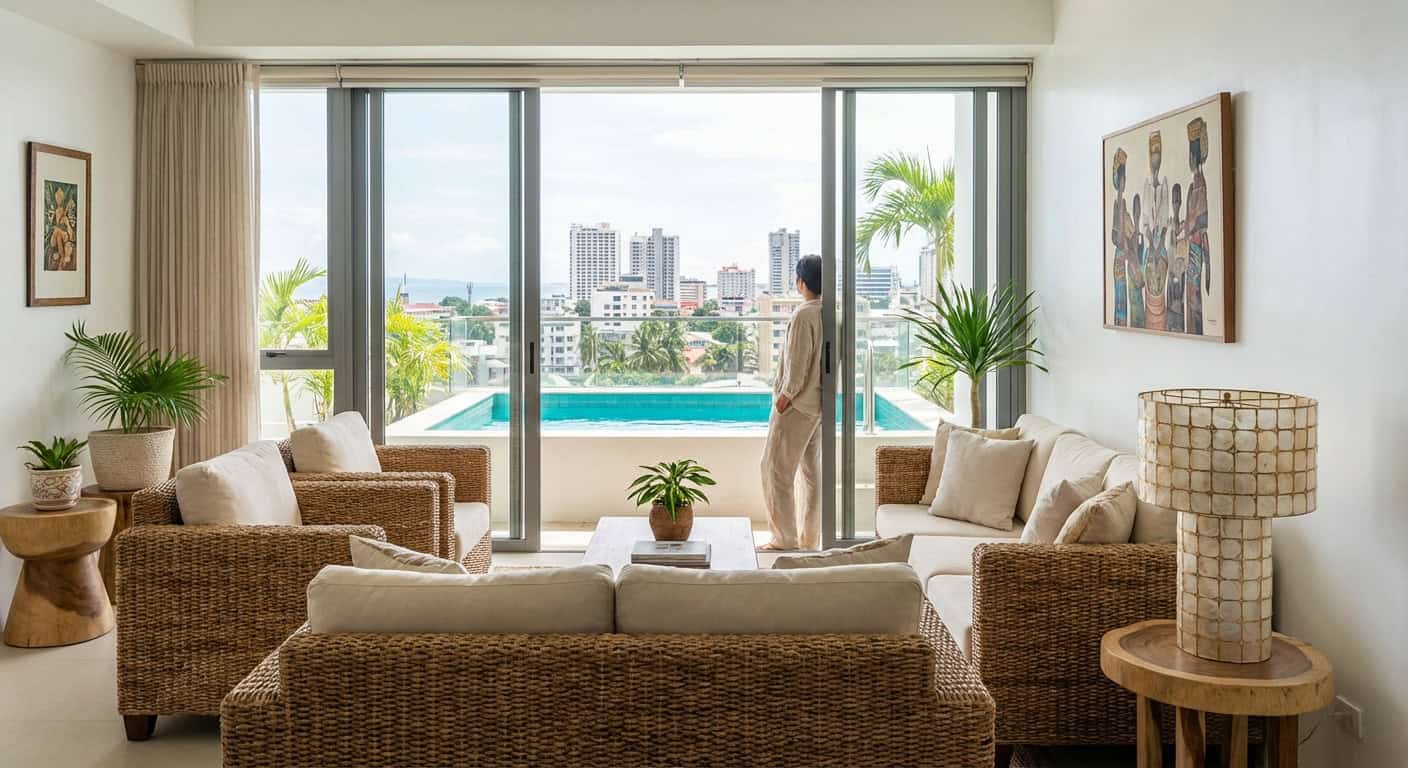
A furnished studio in buildings like Avida Towers Riala or Calyx Centre runs $350 to $500 per month (20,000 to 28,000 pesos). A one-bedroom goes for $450 to $650. These prices include building amenities like pools, gyms, and security, but utilities are extra. If you’re looking for premium, newer buildings like 38 Park Avenue and Solinea push into the $600 to $800 range for nicely furnished units.
One tip that Reddit users consistently share: message Airbnb hosts and ask for a screenshot of a speed test before booking. Internet reliability varies building by building, even within IT Park.
Banilad and Lahug
Step slightly outside the business parks and prices drop meaningfully. Banilad and Lahug are residential neighborhoods within a short Grab ride or scooter commute of IT Park. You’ll find furnished apartments for $250 to $400, and the areas feel more like actual neighborhoods with local markets and quieter streets. The internet is less guaranteed, so confirm fiber availability before signing anything.
Apas and surrounding barangays
For the true budget-conscious nomad, the barangays immediately surrounding IT Park offer rooms and small apartments for $150 to $250. Walking distance to everything in IT Park, but the buildings are older, AC might not be included, and you’ll need to arrange your own internet. This is the “local living” experience that stretches your money furthest.
Mactan Island
Want the beach? Mactan Newtown is the safest and most convenient option, with modern condos running $400 to $600. Outside the newtown area, beachside apartments can be found for less, but internet reliability drops and the commute to Cebu City becomes a factor. Great for weekends, risky as a primary base if your work needs constant connectivity.
The electricity warning
This catches every new arrival off guard. Philippine electricity rates are among the highest in Asia. If you run your air conditioning heavily (and you will, because Cebu is hot and humid year-round), expect your electricity bill to hit $55 to $90 per month (3,000 to 5,000 pesos) for a studio. A larger unit with two AC units running frequently can push past $100. Budget for this separately from your rent. Water is cheap (usually under $10 per month), but electricity is the hidden budget killer that nobody warns you about until your first bill arrives.
Food: from street stalls to steakhouses
Food is where Cebu is excellent for budget travelers, and where it can also quietly drain your wallet if you default to western restaurants.
Local food: the budget superpower
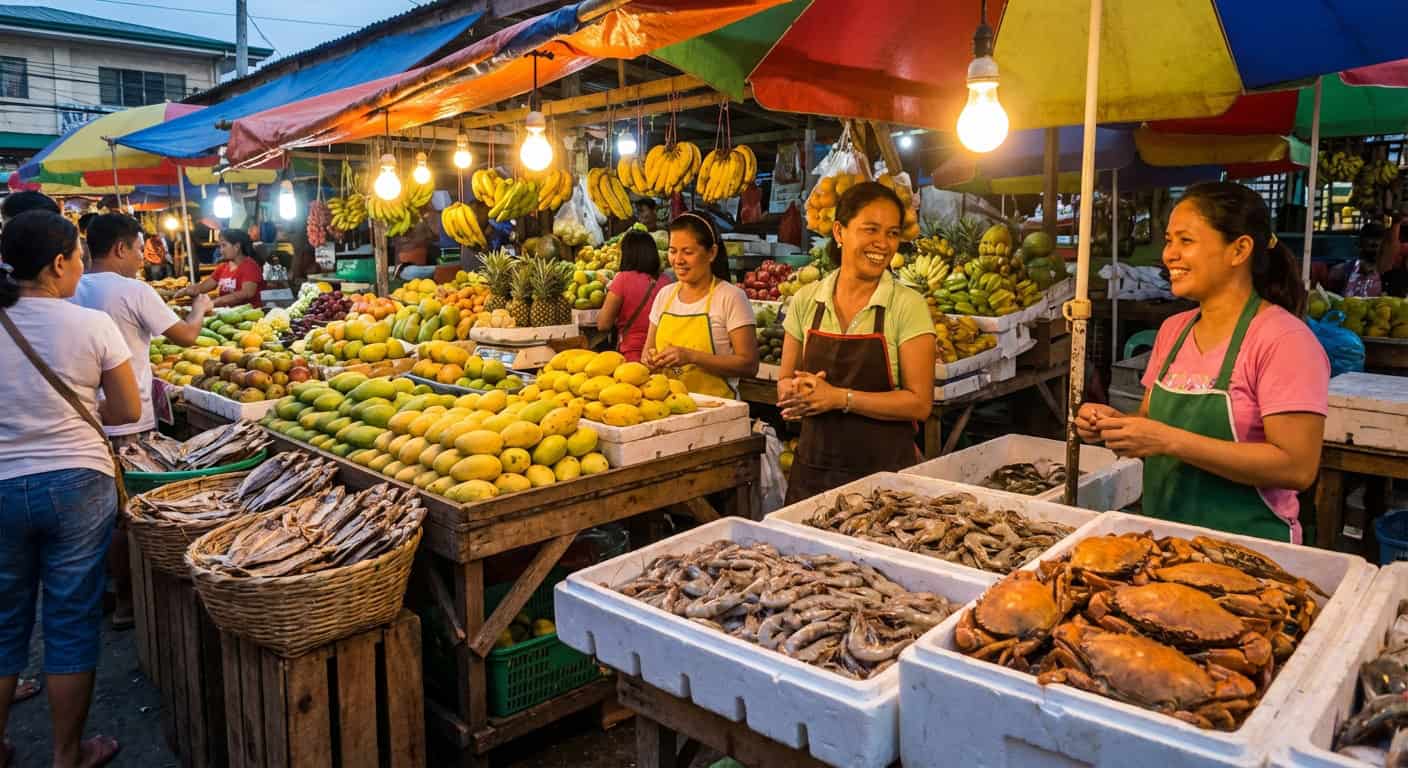
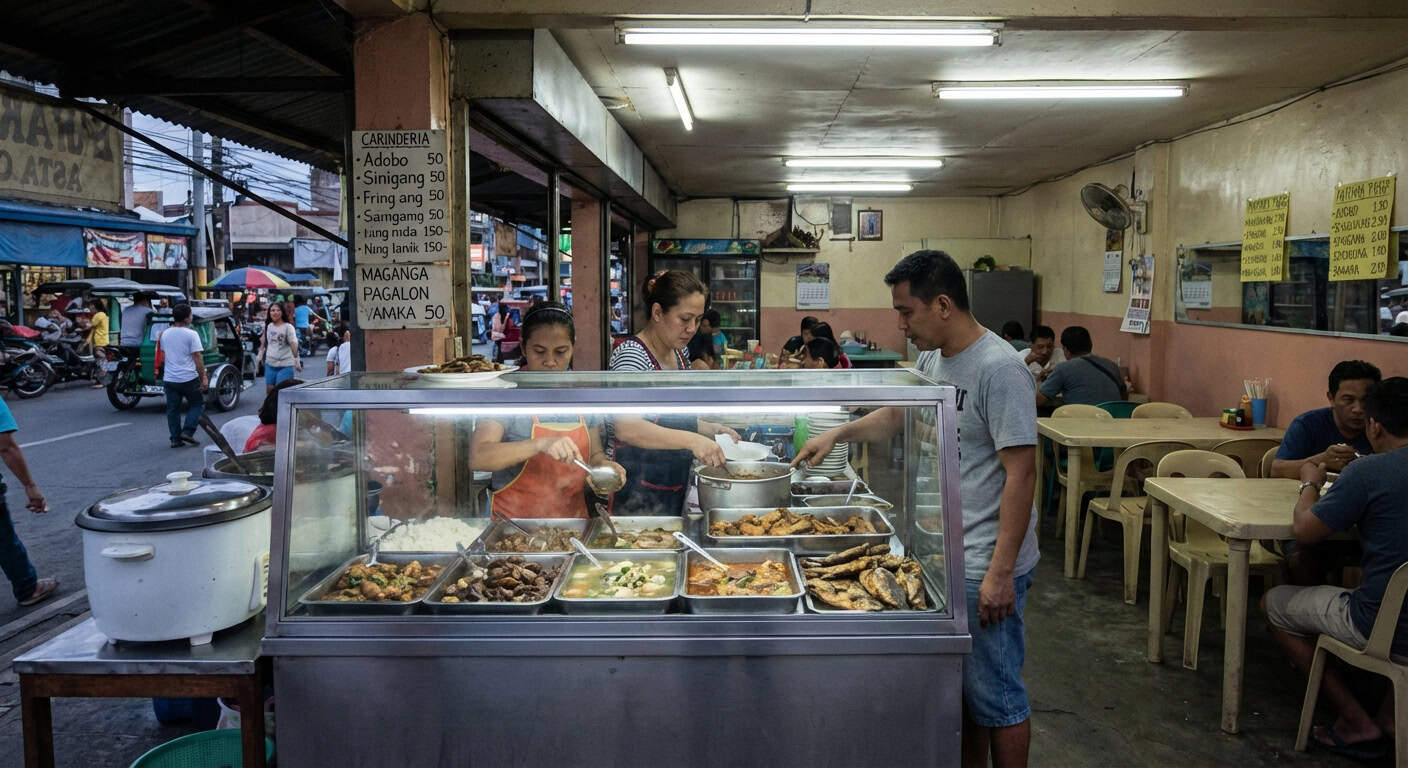
Cebu’s local food scene is one of the best values in Southeast Asia. The backbone of cheap eating here is the carinderia, small roadside eateries where you point at trays of home-cooked Filipino food and build your plate. A full meal of rice, a meat dish, and a vegetable side costs 60 to 80 pesos ($1 to $1.50). Eat at carinderias twice a day and your entire food budget for the month could stay under $100.
The dishes to know: lechon (Cebu’s famous roasted pig, some of the best in the Philippines), pungko-pungko (street-side fried food you eat on low benches with vinegar), and tuslob buwa (a communal dipping dish with rice balls that’s uniquely Cebuano and absurdly cheap). Pungko-Pungko sa Fuente is an institution. Go early.
Fast food chains like Jollibee, Mang Inasal, and Chooks-to-Go fill the middle ground at 120 to 180 pesos per meal. Mang Inasal’s unlimited rice deal is a genuine hack for stretching your food budget.
Western and mid-range dining
When you need a break from rice, Cebu’s western restaurant scene has grown significantly. A meal at a mid-range restaurant in IT Park or Ayala Mall runs 300 to 500 pesos ($5 to $9). A proper dinner at a nicer place will cost 800 to 1,500 pesos. Sugbo Mercado, the weekend night market in IT Park, has good variety at mid-range prices and is worth checking out on Friday nights.
One pattern that will destroy any budget: eating imported food exclusively. Cheese, deli meats, milk, and western packaged goods cost two to three times what they do in the US or Europe. Eating a “western diet” in Cebu can double your food spending compared to mixing local and international cuisine.
Groceries
If you cook, your monthly grocery bill for one person runs $100 to $200 depending on how much imported stuff you buy. Pro tip from every long-term expat in Cebu: shop at Carbon Market for fresh produce, meat, and fish. Prices are 20 to 30 percent cheaper than mall supermarkets like SM or Rustan’s. For dry goods, Gaisano and Colonnade beat the premium supermarkets on price. Landers and S&R work for bulk buying if you have the storage space.
Transportation: cheap but chaotic
Getting around Cebu is inexpensive, but the traffic will test your patience daily.
Jeepneys
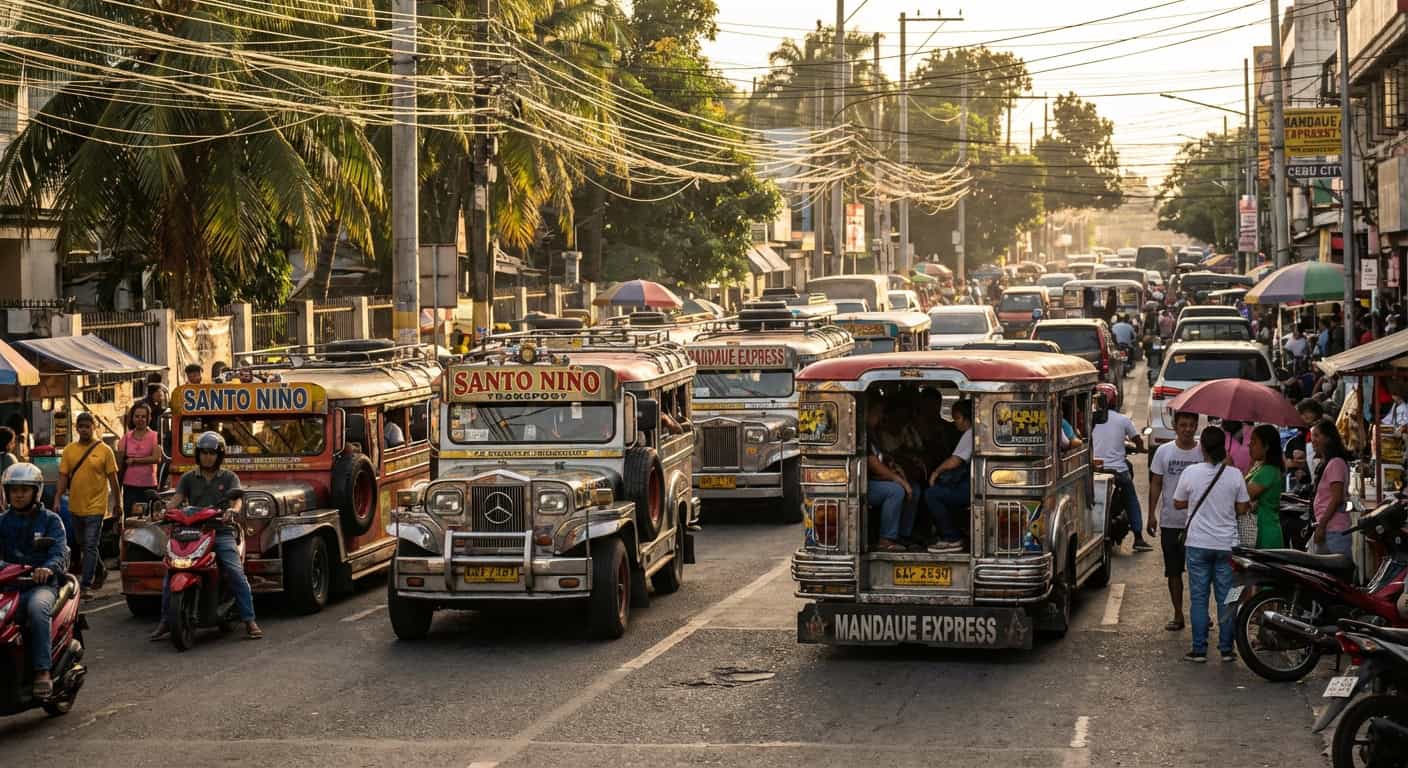
The iconic Philippine jeepney is your cheapest option at 13 pesos per ride (about $0.25). They run fixed routes throughout the city and are an experience unto themselves. The downside: they’re crowded, there’s no AC, and figuring out the routes takes time. For your daily commute once you know the system, jeepneys are unbeatable on price.
Grab (ride-hailing)
Grab is Cebu’s Uber equivalent and works well. A typical ride across the city costs 100 to 200 pesos ($2 to $4). During rush hour, surge pricing kicks in and rides between IT Park and Mactan can hit 400 to 500 pesos. Budget $50 to $100 per month for regular Grab use, more if you’re commuting daily from outside the city center.
Habal-habal (motorcycle taxis)
These motorcycle taxis are everywhere and cheap for short distances. Negotiate the price before you get on. A short hop typically costs 30 to 50 pesos. They’re faster than Grab in traffic but come with the obvious safety trade-off of riding on the back of a motorcycle through Cebu’s traffic.
Renting a scooter
Many long-term nomads rent scooters for $60 to $90 per month (3,500 to 5,000 pesos). This gives you freedom to explore beyond your neighborhood and cuts your daily transport costs to just gas money. You’ll need an International Driving Permit, and I’d only recommend it if you’re comfortable riding in hectic Asian traffic. Cebu’s roads are not for nervous riders.
Coworking and internet
Coworking costs in Cebu are low. Day passes at spaces like The Company and Workplace Cafe run 300 to 500 pesos ($5 to $9). Monthly memberships range from $60 to $150 depending on the space and the plan. If you work from coworking spaces three to four days per week, budget $40 to $80 per month.
Home internet via Globe Fiber or PLDT Fibr costs $30 to $45 per month (1,700 to 2,500 pesos) for plans ranging from 50 to 300 Mbps. A mobile data backup SIM adds another $5 to $15. For a detailed breakdown of specific spaces, wifi speeds, and honest reviews, check the Cebu coworking and cafes guide.
Healthcare
Healthcare in Cebu is competent and affordable by western standards, though the experience varies based on where you go.
Chong Hua Hospital is the top-tier option. Modern facilities, English-speaking doctors, and a level of care that rivals many western hospitals. A standard consultation runs 500 to 800 pesos ($9 to $14). Lab work and imaging are priced reasonably. This is where you go if something serious happens.
Cebu Doctors’ University Hospital is another solid choice with good specialists and lower wait times than public hospitals. Similar pricing to Chong Hua for outpatient visits.
For routine stuff like colds, allergies, or minor infections, pharmacies are your first stop. Pharmacists in the Philippines can recommend and dispense medications that would require prescriptions in many western countries, and the prices are a fraction of what you’d pay back home. A course of antibiotics might cost $3. Allergy medication runs $1 to $2.
If you don’t have travel insurance, get some. The complete digital nomad guide covers insurance options. The risk of needing emergency care is low, but the peace of mind is worth the $50 to $100 per month for a solid international health plan.
Entertainment and weekend adventures
This is where Cebu stands out from other digital nomad cities. You can go from diving to night markets, and most of it costs surprisingly little.

Diving: Cebu is one of the cheapest places in the world to learn to dive. A fun dive (for certified divers) runs $20 to $35 including equipment. Open Water certification courses go for $250 to $350. Moalboal’s sardine run and Malapascua’s thresher sharks are both accessible from Cebu City for a weekend trip.
Island hopping: Day trips to nearby islands cost $15 to $30 for group tours, or $50 to $80 for private boats. The Cebu activities guide covers the best island hopping routes and how to avoid tourist traps.
Nightlife: Beers at local bars start at 50 to 80 pesos ($1 to $1.50). A night out in IT Park or Mango Avenue will run you $15 to $30 including food and drinks. Craft beer spots and rooftop bars are pricier but still a fraction of what you’d pay in Bangkok or Bali.
Gym memberships: Anytime Fitness and similar gyms cost $25 to $45 per month. Some condo buildings include gym access in the rent.
Monthly budget summary
Here’s how the numbers stack up at three different comfort levels, all for a single person.
Budget: $700 to $900 per month
Housing in a basic apartment outside IT Park ($200 to $300). Eating mostly local food and cooking ($150 to $200). Jeepneys and occasional Grab ($30 to $50). Working from cafes instead of coworking spaces ($20 to $30 in coffee). Minimal entertainment. This is doable but tight. One unexpected expense (a hospital visit, a phone replacement) throws your whole month off. I’d only recommend this if you’re genuinely backpacking through Southeast Asia and Cebu is a short stop, not a home base.
Comfortable: $1,000 to $1,300 per month
Furnished studio in IT Park or Lahug ($350 to $450). Mix of local and western food ($200 to $300). Grab rides and occasional scooter rental ($60 to $80). Coworking space membership ($50 to $80). Weekend activities like diving or island hopping ($50 to $100). Internet and utilities ($60 to $80). This is the sweet spot. You’re not stressing about money, you’re eating well, you’re working from proper spaces, and you can actually enjoy Cebu on weekends.
Premium: $1,500 and above
Nice one-bedroom in a premium building ($500 to $700). Eating wherever you want ($300 to $400). Daily Grab rides ($80 to $120). Premium coworking membership ($100 to $150). Regular diving, island hopping, weekend trips ($150 to $200). Gym, entertainment, and shopping ($100 to $150). At this level, you’re living genuinely well. The difference between $1,500 and $2,000 in Cebu is mostly about how often you eat at high-end restaurants and whether you take weekend flights to Palawan or Siargao.
Cebu vs Manila: quick cost comparison
If you’re deciding between the Philippines’ two main digital nomad cities, here’s how they compare on cost.
Housing: Cebu is 15 to 25 percent cheaper than comparable neighborhoods in Manila (BGC, Makati). A studio that costs $400 in IT Park Cebu would run $500 to $600 in BGC.
Food: Local food prices are similar. Western restaurants in Manila tend to be slightly more expensive. Groceries are roughly equal.
Transport: Manila is more expensive due to longer distances and worse traffic. A monthly Grab budget in Manila easily runs 50 percent higher than Cebu.
Entertainment: Cebu wins on nature activities (diving, island hopping). Manila wins on urban entertainment (museums, nightlife, dining).
Bottom line: Cebu is 10 to 20 percent cheaper overall than Manila for a comparable lifestyle, with better access to nature and a more relaxed pace. For the full Manila breakdown, see the Manila cost of living guide. If you want a hostel-based budget approach, both cities have good options, but Cebu’s lower baseline costs give you more breathing room.
Continue your journey
If you’re planning your Cebu budget, these guides fill in the details:
- Best Coworking Spaces and Cafes in Cebu — where to work, with wifi speeds and pricing
- Things to Do in Cebu on Your Days Off — free and budget-friendly weekend activities
- Manila Cost of Living for Digital Nomads — how the capital compares on every expense
Make Cebu work for you
Cebu is one of those places where your money goes far enough to live well, and the city has enough depth that you won’t get bored after a month. Low costs, solid infrastructure in the right neighborhoods, and easy access to the ocean make it a strong option for your next base. If you’re heading to Cebu or already settling in, connect with other nomads through HitchHive to share tips on the best deals, split costs on island hopping trips, and build the kind of community that turns a city into a home. The complete Cebu digital nomad guide ties everything together, from visas to neighborhoods to the social scene. See you at the carinderia.
Leave a Reply