
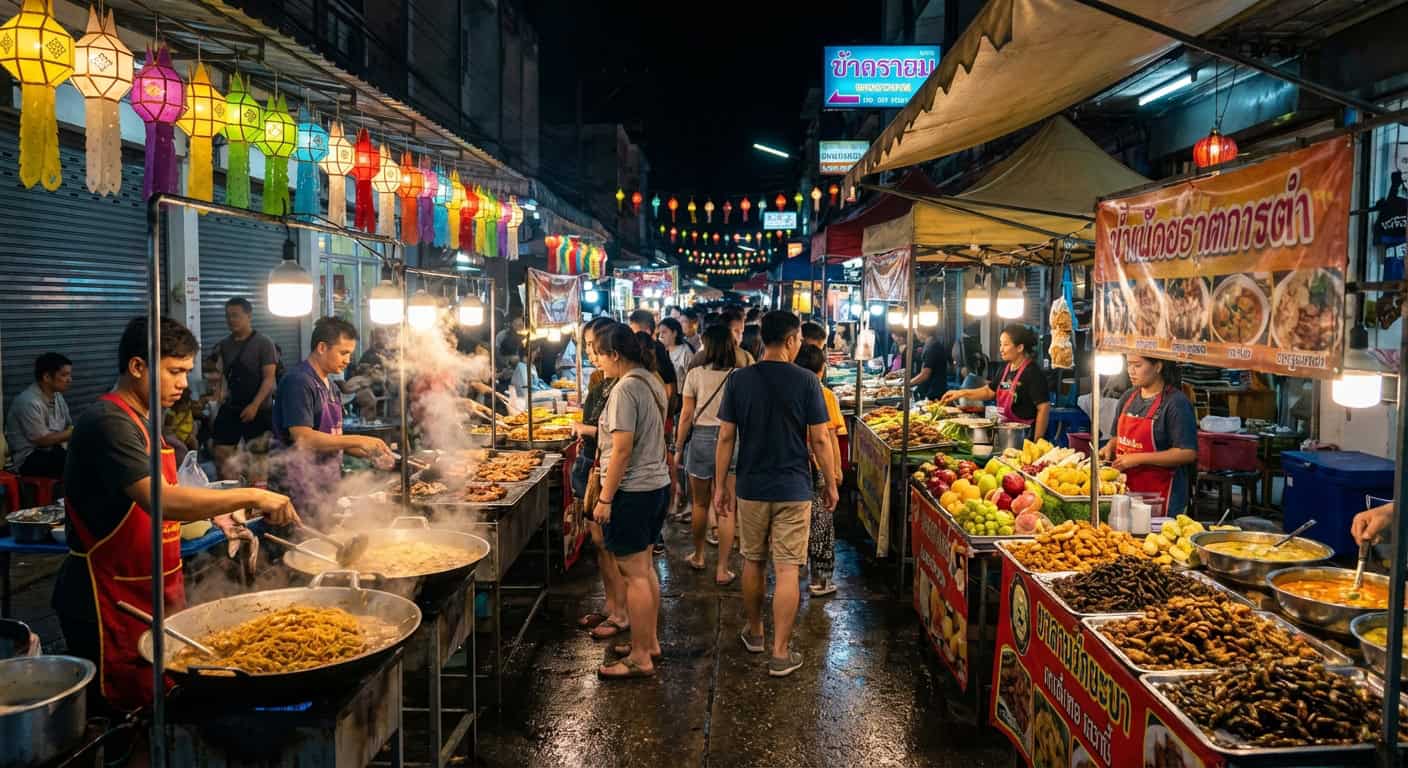
I spent my first month in Chiang Mai tracking every single baht I spent. Not because I’m obsessive (okay, maybe a little), but because every “cost of living” article I’d read before arriving gave me wildly different numbers. Some said $500 a month was plenty. Others quoted $3,000. The truth, as usual, is somewhere in between — and depends entirely on what kind of life you want to live.
Here is the honest breakdown, based on what I actually spent and what dozens of nomads in the Chiang Mai digital nomad community confirmed on Reddit threads throughout 2024 and 2025.
The bottom line: three budget tiers
Before we get into the weeds, here is the quick version. These are monthly totals for a single person, all-in:
- Budget ($800 – $1,000 / 28,000 – 35,000 THB): Doable, but tight. You are eating almost exclusively Thai food, living in a basic condo outside Nimman, and skipping most Western luxuries. As one Redditor put it about this range for two people: “It’s survival money… for two people it doesn’t sound too much fun.”
- Comfortable ($1,200 – $1,500 / 42,000 – 52,000 THB): The sweet spot for most nomads. Nice condo with pool and gym, mixing local and Western food, coworking membership, scooter rental, and enough left over for weekend adventures. Reddit consensus calls 40,000-50,000 THB the “comfort baseline” for a single expat.
- Luxury ($2,000+ / 70,000+ THB): Serviced apartment in Nimman, eating wherever you want, Grab rides everywhere, regular massages, and weekend trips. One nomad on r/digitalnomad reported spending $2,100/month and was immediately told it was “very high” by the locals in the thread.
Now let me break each category down so you can figure out where your money actually goes.
Rent and accommodation
Rent is the single biggest variable in your budget, and the one where you have the most control. Here is what you are looking at in 2026:
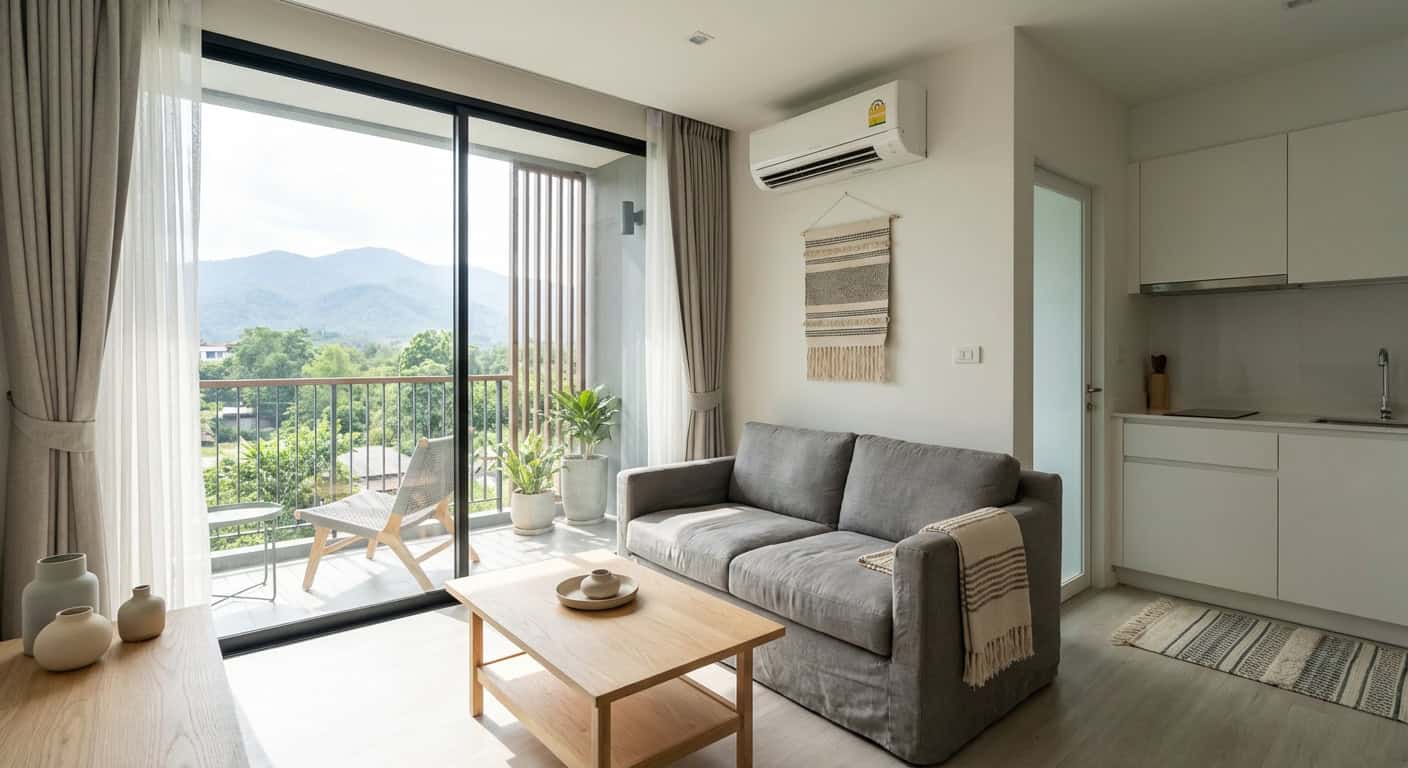
Budget condos (7,000 – 10,000 THB / $200 – $285): Places like Dcondo and One Plus near the Nimman area are the go-to recommendations on Reddit. These are furnished studios with air conditioning, and most come with a shared pool and gym. They are not fancy, but they are perfectly livable. Sign a 6-12 month lease and you will get the best rate.
Mid-range condos (12,000 – 18,000 THB / $340 – $510): This gets you a modern one-bedroom with a proper kitchen, pool, gym, and often a co-working lounge in the building. Areas like Santitham and Jed Yod offer great value — they are quieter alternatives to Nimman but still walking distance to everything.
Premium / Serviced apartments (20,000 – 30,000+ THB / $570 – $850+): If you want a large space in the heart of Nimman, expect to pay a premium. One nomad on Reddit was paying $650/month (about 22,000 THB) for a private room in Nimman, and commenters called it “very high,” pointing out that a full condo elsewhere costs 10,000-15,000 THB on a longer lease.
Pro tip: Consider living slightly outside the tourist hotspots. Areas near Central Festival mall or around Chiang Mai University offer bigger spaces for significantly less. And if you are comparing with Bangkok, expect to pay roughly 50% less for equivalent accommodation here.
Food: street stalls to steakhouses
Food is where Chiang Mai really wins for budget travelers. The range is enormous:
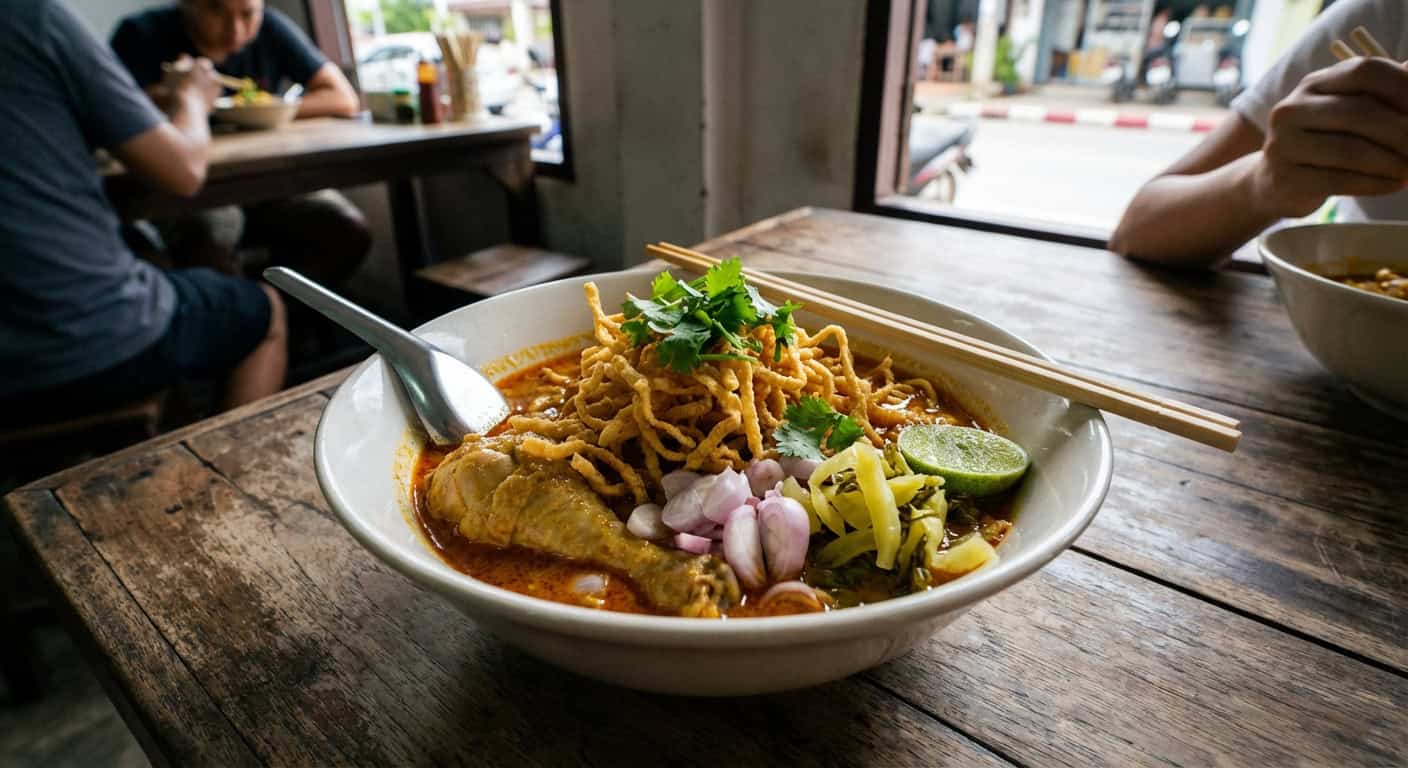
Street food and local restaurants (50 – 70 THB / $1.40 – $2 per meal): A plate of pad kra pao, a bowl of khao soi, or a bag of mango sticky rice from a street stall will run you 50-70 THB. Prices have crept up slightly since pre-COVID (it used to be closer to 40 THB), but this is still absurdly cheap. Mall food courts at Maya Mall and Central Festival are actually solid value too — similar prices to street stalls but with air conditioning.
Western food and nomad cafes (150 – 350 THB / $4.30 – $10 per meal): Here is where lifestyle creep hits hard. A burger, pizza, or brunch plate at a trendy Nimman cafe costs 3-5x what a Thai meal does. Multiple Reddit threads warn that frequenting “digital nomad cafes” will break a tight budget immediately.
Cooking at home: If you have a kitchen, shopping at Big C or Makro for bulk groceries keeps costs down dramatically. One Muay Thai fighter on Reddit confirmed that cooking high-protein meals at home is actually cheaper than eating out, even at Thai restaurants.
Monthly food budget estimates:
- Eating local only: 5,000 – 7,000 THB ($143 – $200)
- Mixed local and Western: 10,000 – 14,000 THB ($285 – $400)
- Eating whatever you want: 14,000+ THB ($400+)
Pro tip: Beer from 7-Eleven (Chang or Singha) runs about 40-50 THB, while bars charge 80-120+ THB. If you like a cold one after work, stocking up at the convenience store saves a surprising amount over a month. For a deeper dive into eating your way through Southeast Asia, check out our food travel guide.
Coworking and internet
If you are a digital nomad, reliable internet is non-negotiable. The good news: Chiang Mai has this covered.
Coworking spaces: Monthly memberships at popular spaces like Punspace, CAMP (at Maya Mall — free with a drink purchase), or Heartwork run 2,500-4,000 THB ($70-$115) per month. Drop-in day passes are typically 200-350 THB. For the full rundown, check our guide to coworking spaces and cafes in Chiang Mai.
Home internet: Most condos include WiFi, though speeds vary. If you need a dedicated line, fiber packages from AIS or True start at around 600-900 THB/month for solid speeds. A Thai SIM card with unlimited data from AIS or DTAC costs about 300-600 THB/month and works as a reliable backup.
The cafe option: Many nomads skip coworking entirely and rotate between cafes. Coffee runs 80-120 THB per cup at the trendy spots (nearly Bangkok prices, as Reddit users noted), so factor that in if it is your daily routine.
Transportation
This is one of Chiang Mai’s big advantages over cities like Bangkok — getting around is cheap and simple.
Scooter rental (2,500 – 3,500 THB / $70 – $100 per month): The most popular option among nomads. Long-term rentals are much cheaper than daily rates. Just make sure you have a valid license and wear a helmet — police checkpoints are real.
Grab (ride-hailing): Most rides within the city cost 90-200 THB depending on distance. Great for nights out or rain days, but using it as your primary transport adds up fast.
Songthaew (red trucks): The classic Chiang Mai shared transport. Flag one down and pay 30-50 THB per ride within the city. Cheap and charming, though routes can be unpredictable.
Walking: If you live in Nimman or the Old City, you can honestly walk to most things you need daily. This alone saves a lot compared to Bangkok, where daily BTS/MRT fares add up.

Health and insurance
Healthcare in Thailand is good and affordable, which is one reason so many long-term expats settle here.
Doctor visits: A visit to a private hospital like Chiang Mai Ram or Rajavej costs 500-1,500 THB ($14-$43) out of pocket for a basic consultation. Dental work is similarly affordable.
International health insurance: Most nomads carry a policy from SafetyWing or World Nomads, running $40-$80 USD per month. Some long-term residents switch to local Thai insurance once they have a visa sorted out — see our Thailand DTV visa guide for details on long-term options.
Gym memberships: A standard gym runs 1,000-2,000 THB/month. Muay Thai gyms charge 2,000-4,000 THB for unlimited monthly training, which is a fraction of what you would pay anywhere in the West.
Entertainment and lifestyle
This is the “lifestyle creep” category that catches people off guard.
Massages: A traditional Thai massage costs 200-300 THB ($6-$9) for an hour. This is one of those Chiang Mai luxuries that feels extravagant but costs less than a latte back home.
Weekend trips: Day trips to places like Doi Inthanon or the Sticky Waterfalls are cheap if you have a scooter. Longer trips to Pai or Chiang Rai might run 1,000-3,000 THB for transport and accommodation.
Nightlife: A night out at bars can range from very cheap (beer and live jazz at North Gate) to surprisingly expensive at some of the cocktail bars in Nimman. Budget 500-1,500 THB for a good night depending on your pace.
The hidden cost: burning season
I need to be honest about this because it is the one thing that can genuinely ruin your Chiang Mai experience. From roughly February through April, northern Thailand experiences “burning season” — agricultural fires fill the valley with hazardous smoke, and PM2.5 levels regularly exceed what is considered safe.
Reddit is near-unanimous on this: leave during burning season. The money you save on slightly lower off-season rents is not worth breathing hazardous air. If you do stay, factor in the cost of an air purifier (the Xiaomi is the recommended brand at around 3,000+ THB), N95 masks, and massively higher electricity bills from running AC 24/7 with sealed windows.
Many nomads use this period to hop to Da Nang, Vietnam or head south to the Thai islands, then return when the rains clear the air in May.
How does Chiang Mai compare to Da Nang?
Both cities are top-tier digital nomad destinations in Southeast Asia, and the costs are surprisingly similar. Da Nang edges slightly cheaper on rent, while Chiang Mai wins on food variety and street food prices. For a detailed side-by-side, check our Da Nang cost of living breakdown. Both are good home bases for backpacking Southeast Asia on a broader trip.
Money-saving tips
- Sign a 6-12 month lease instead of monthly. The per-month savings on rent alone can be 30-50%.
- Eat where the locals eat. If the menu is only in Thai, you have found the right place.
- Rent a scooter monthly instead of using Grab daily. The math works out heavily in your favor.
- Use CAMP at Maya Mall as a free coworking space — just buy a drink.
- Shop at Big C and Makro for groceries instead of the tourist-friendly supermarkets.
- Avoid Nimman for accommodation unless the walkability premium is worth it to you. Santitham and Jed Yod are minutes away and noticeably cheaper.
- Track your AC usage. Electricity is billed separately in most condos, and running the AC all day during hot season can add 2,000-4,000 THB to your monthly bill. Use it at night and rely on fans during the day.
For more ways to stretch your money abroad, check out our budget travel hacks and hostel life guide for your first weeks before you find a condo.
Continue your journey
This cost breakdown is part of our complete Chiang Mai digital nomad series. If you are planning a move, start with our ultimate Chiang Mai digital nomad guide for the full picture — visas, neighborhoods, community, and everything else. Then check out where to work and what to do on your days off.
And if you are still deciding between Southeast Asian hubs, our best cities for digital nomads guide compares them all.
Find your people in Chiang Mai
The numbers matter, but what actually makes a place worth living in is the community. HitchHive helps you connect with other digital nomads and travelers in Chiang Mai — find coworking buddies, weekend adventure partners, and people who actually get the nomad lifestyle. Because the best things about living abroad are not the ones you can put a price tag on.
Leave a Reply