
What Manila actually costs
Manila’s cost of living is a paradox. You can eat a great meal for two dollars or drop fifty on a single steak dinner without trying. You can rent a modern high-rise condo with a pool for what you’d pay for a studio apartment in any mid-tier American city, or you can find yourself hemorrhaging money on air conditioning bills and Grab rides without realizing it. The difference between living well and living stressed in Manila comes down to knowing where the money actually goes.
After tracking every peso for months, here’s the honest breakdown. At the budget level, you’re looking at $800 to $1,000 USD per month. Comfortable lands around $1,200 to $1,500. And if you want the premium expat experience with a nice condo in BGC, eating out whenever you want, and never worrying about a bill, expect $1,800 or more. For context on how Manila stacks up against other nomad destinations, check out our best cities for digital nomads comparison.
This guide breaks down every major category so you can build a realistic budget before you arrive. No hand-waving, no “it depends.” Actual numbers from the ground. For the full picture of living and working in Manila, start with our complete Manila digital nomad guide.
Housing: the biggest variable
Housing will be your single largest expense, and it’s also where you have the most control. Manila’s rental market spans an enormous range, and where you choose to live shapes everything else about your budget.
BGC (Bonifacio Global City)
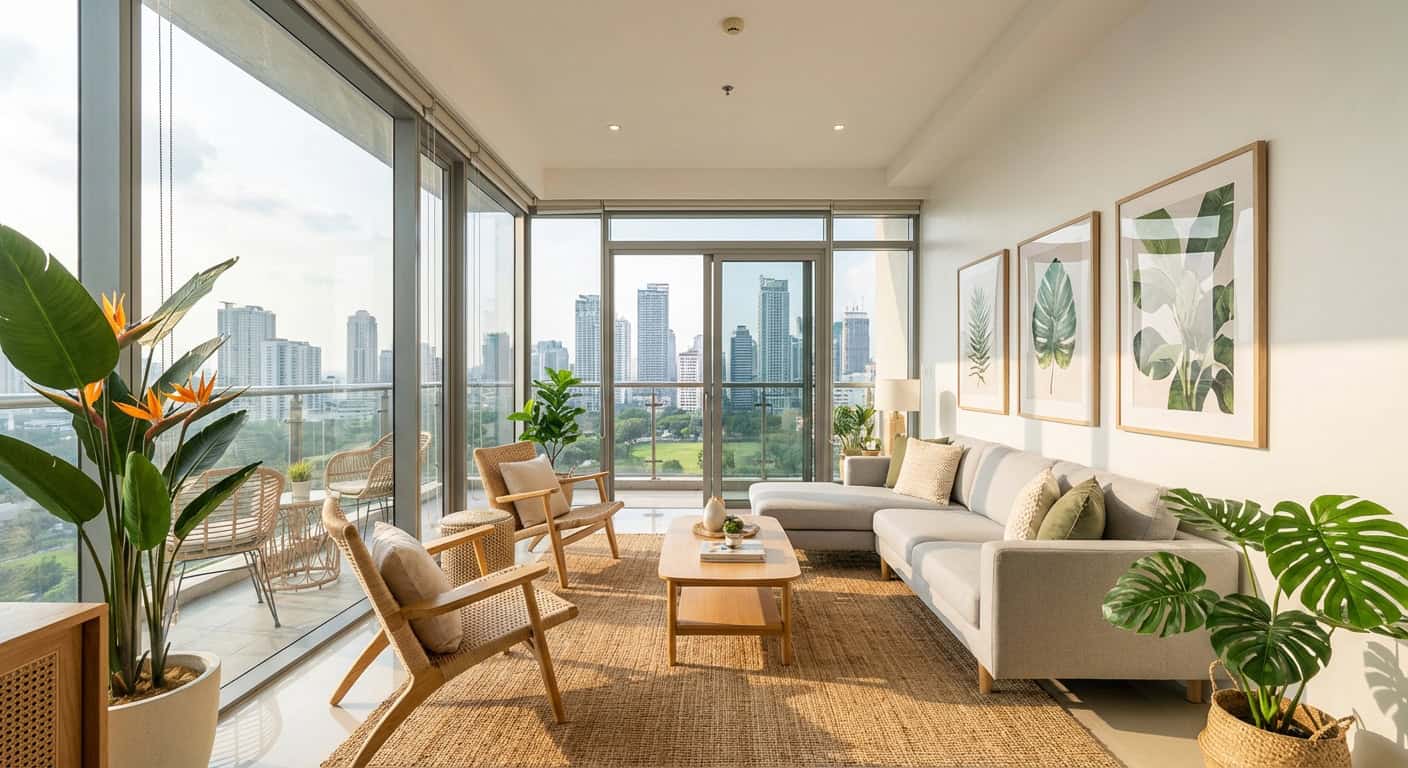
BGC is Manila’s cleanest, safest, most walkable district. It feels like Singapore dropped into the Philippines. Modern towers, wide sidewalks, and pedestrian-friendly streets. The trade-off is price. A furnished studio or small one-bedroom in BGC runs 25,000 to 40,000 PHP per month ($450 to $720 USD). Fully furnished units in nicer buildings like Serendra or the Grand Hyatt area push 35,000 to 50,000+ PHP. Unfurnished units are cheaper, starting around 20,000 to 30,000 PHP if you find a deal through Facebook Marketplace rather than rental listing sites, which are consistently marked up.
Makati (Legazpi and Salcedo Villages)
Makati is the sweet spot for most digital nomads. It has more character than BGC, better independent cafes, parks, and weekend markets in both Legazpi and Salcedo. Rent is slightly cheaper on average, though “nice” buildings in the villages cost nearly the same as BGC. A furnished studio or one-bedroom ranges from 20,000 to 35,000 PHP ($360 to $630 USD). Older buildings like the Cityland towers are significantly cheaper at 12,000 to 15,000 PHP but the units are smaller and the elevators are slower.
Poblacion
Poblacion is Makati’s nightlife and creative district. Rent is cheaper, especially in the older walk-up apartments, with studios starting around 15,000 to 20,000 PHP. The vibe is younger and grittier. The catch: it can be noisy at night, especially on weekends. If you’re a light sleeper or need quiet evenings for late-shift work, think carefully before signing a lease here.
The foreigner tax
One lesson that keeps coming up: online rental listings on sites like Lamudi and Rentpad are often inflated. The best deals are found on Facebook Marketplace, by walking into a building’s admin office directly, or by joining Facebook groups for specific condos and barangays. Locals report negotiating rent down by 20 to 30 percent simply by signing a longer lease and dealing directly with the owner rather than through a broker.
Always ask your potential Airbnb host or landlord for an internet speed test screenshot before committing. Some buildings have 200 Mbps fiber while the one next door is still on slow DSL. This matters enormously when your paycheck depends on a stable connection.
Food: from street eats to steakhouses
Food is where Manila’s cost of living gets interesting. The range and quality of affordable food here is hard to beat, and eating well on a budget is easy once you know the system.
Local food
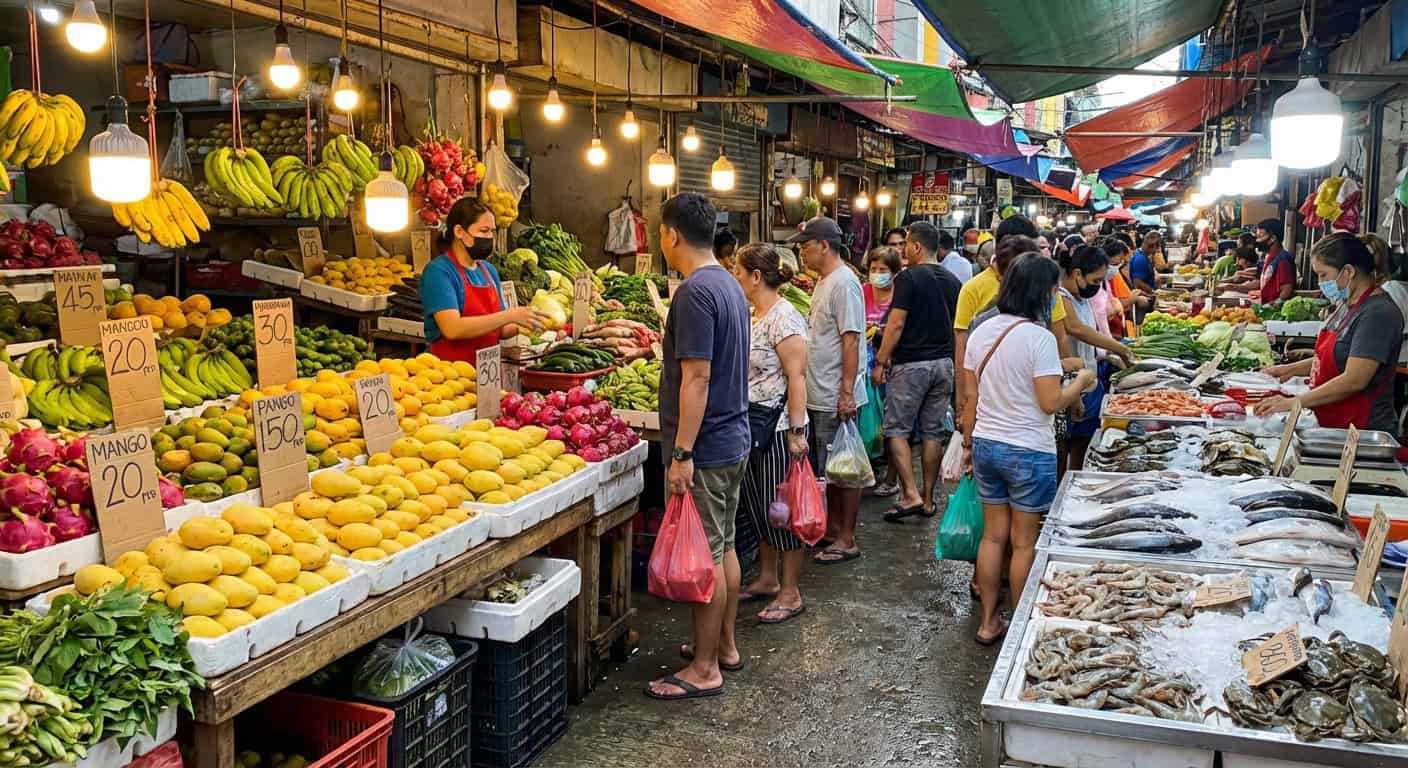
The backbone of budget eating in Manila is the karinderya, a local eatery serving home-cooked Filipino dishes. A standard meal of rice plus a meat dish runs 70 to 100 PHP ($1.25 to $1.80 USD). These aren’t tourist traps or slumming-it spots. They’re where Filipino office workers eat every day, and the food is good. In Makati, the famous “Jolly Jeeps” are mobile canteens that park on side streets during lunch hours, serving massive plates for 100 to 150 PHP. If you eat at karinderyas and Jolly Jeeps for most meals, your monthly food budget can stay under 10,000 PHP ($180 USD).
Fast food chains like Jollibee, McDonald’s, and Chowking serve meals for around 150 to 250 PHP. Jollibee’s Chickenjoy is a legitimate culinary experience, and I’ll fight anyone who says otherwise.
Western and restaurant food
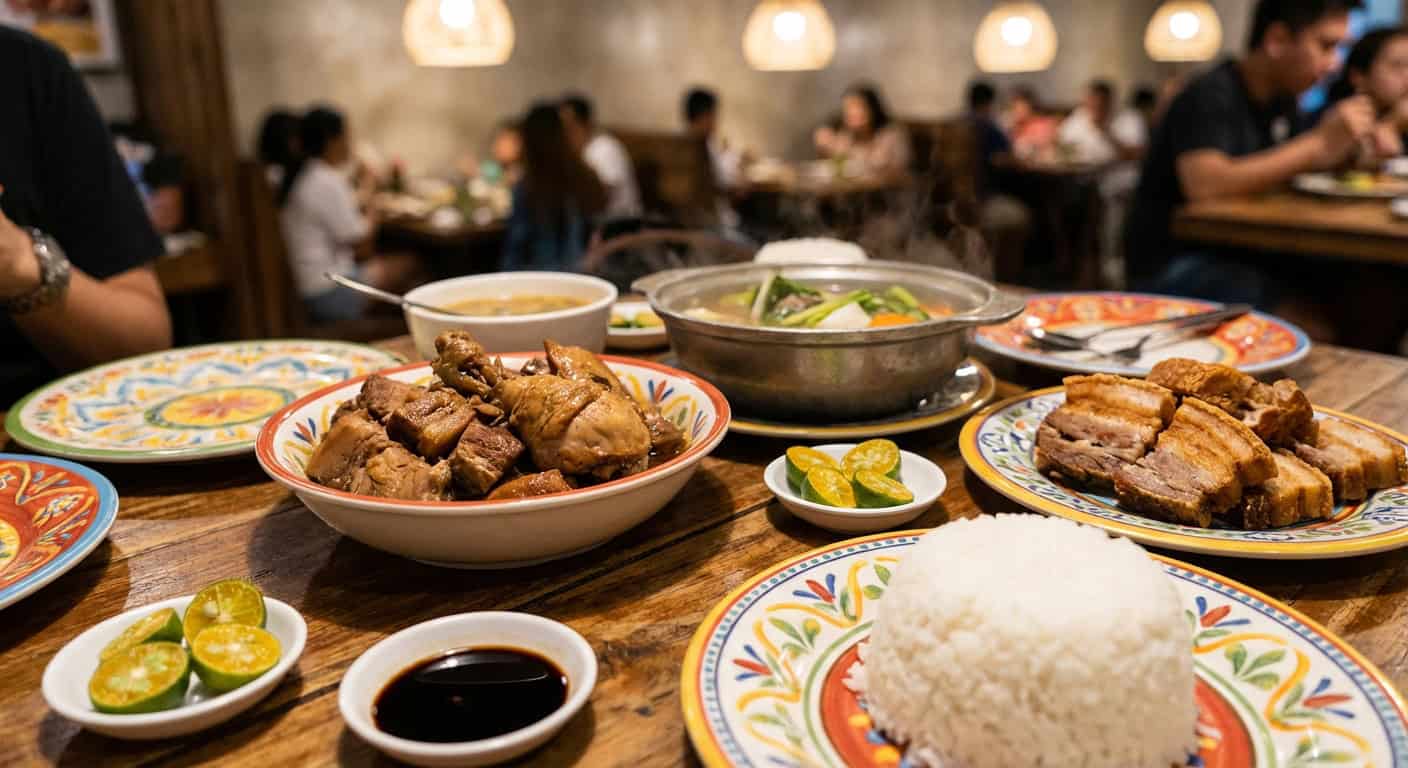
When you want something familiar, Manila delivers but at a higher price point. A decent meal at a sit-down restaurant in Makati or BGC runs 400 to 600 PHP ($7 to $11 USD). Western restaurants and steakhouses push into the 800 to 1,500 PHP range. Coffee at specialty cafes is 150 to 250 PHP, comparable to western prices. If you eat at restaurants and cafes daily, expect to spend 20,000 to 30,000 PHP per month on food alone.
Groceries
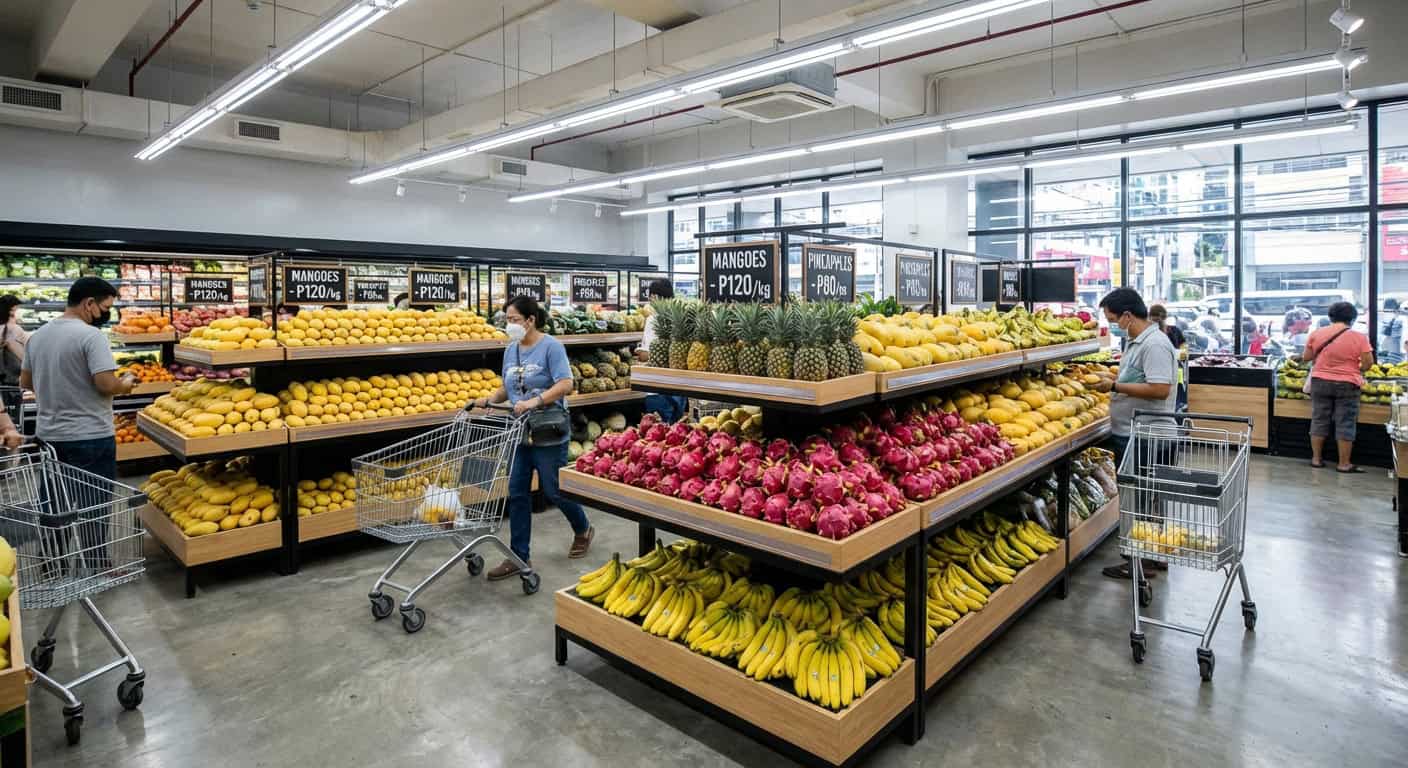
Grocery shopping in Manila is a study in contrasts. Supermarkets like SM and Robinsons have everything you need at reasonable prices for local products. Rice, vegetables, eggs, and chicken are cheap. Imported goods (cheese, wine, western snacks, specialty items) carry a significant premium. A basic weekly grocery shop for one person runs 2,000 to 3,000 PHP ($36 to $54 USD) if you’re cooking Filipino-style meals. If you’re buying imported products and trying to replicate a western diet, expect to double that.
The real budget travel hack for food in Manila: buy your ulam (meat and viand dishes) from a karinderya and cook your own rice at home. This hybrid approach is cheaper than both full cooking and full eating out because you avoid food waste from cooking for one.
Transportation: Grab is your best friend
Manila traffic is notorious for all the wrong reasons. A 5-kilometer trip can take an hour during rush hour. Your transportation budget depends almost entirely on how smart you are about when and how you move.
Grab is Southeast Asia’s ride-hailing app, and it’s essential in Manila. Never take random white taxis. Always book through Grab for fixed pricing and safety. A typical Grab ride within Makati or BGC costs 100 to 200 PHP ($1.80 to $3.60 USD). Longer trips across Metro Manila run 300 to 500 PHP. Grab also has motorcycle taxis (GrabBike) which are faster and cheaper for solo travelers, though not everyone is comfortable weaving through Manila traffic on a motorbike.
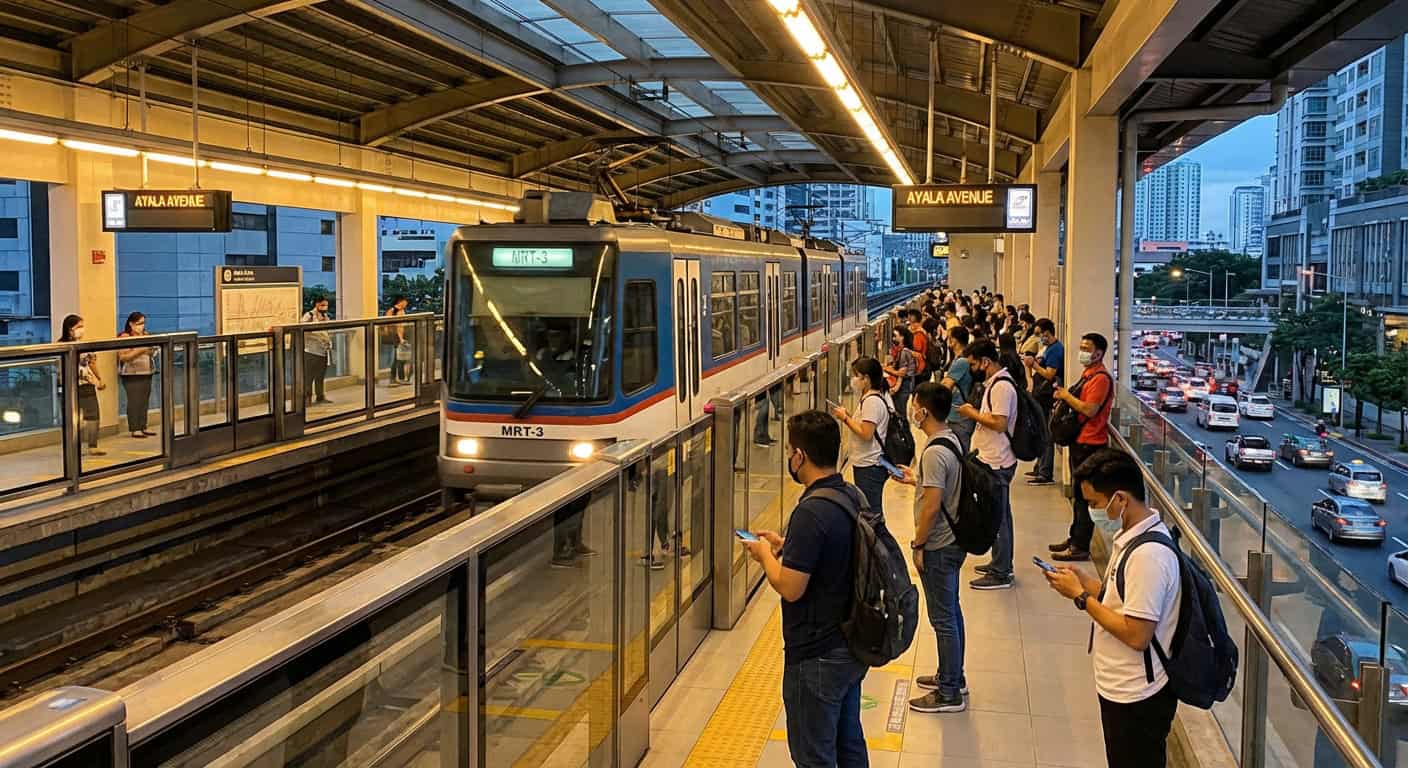
The MRT/LRT is Manila’s rail system. It’s cheap (13 to 36 PHP per trip) but notoriously crowded during rush hours. If your commute aligns with a train line, it’s the fastest way to cross the city. Outside peak hours, it’s actually quite usable.
Jeepneys are Manila’s iconic minibuses. Fares start at around 13 PHP, making them the cheapest public transport option. They require knowing the routes, which takes time to learn, but apps like Sakay.ph help with planning. Jeepneys are an experience every nomad should try at least once, but most end up relying on Grab for daily commuting.
The smartest transportation strategy for nomads: live within walking distance of your workspace. Manila’s traffic is so unpredictable that the extra rent for a well-located condo pays for itself in saved Grab costs and preserved sanity. Budget 3,000 to 5,000 PHP per month ($54 to $90 USD) for regular Grab usage if you stay within Makati or BGC.
Coworking and internet
Coworking day passes in Manila range from 300 to 800 PHP ($5.40 to $14.40 USD) depending on the space. Monthly hot desk memberships at places like Acceler8, KMC Solutions, or The Company typically run 5,000 to 12,000 PHP ($90 to $216 USD). Our detailed guide to Manila’s coworking spaces and cafes covers specific pricing, WiFi speeds, and recommendations for each one.
Home internet from providers like Converge, PLDT, or Globe costs 1,500 to 2,500 PHP per month ($27 to $45 USD) for fiber plans delivering 100 to 300+ Mbps. This is good value by any global standard. Add a prepaid mobile data plan for your backup hotspot at 500 to 1,000 PHP per month and you have a solid connectivity setup.
Many nomads skip the coworking membership entirely, working from home most days and cafe-hopping when they want a change of scene. At 150 to 250 PHP per coffee, spending a few hours at a cafe is significantly cheaper than a coworking day pass.
Healthcare
Healthcare in Manila is affordable and generally good, especially in the private sector. The Philippines has a lot of medical professionals because it’s a major exporter of nurses and doctors to the rest of the world. That expertise stays in the better hospitals.
A general consultation at a private clinic costs 500 to 1,500 PHP ($9 to $27 USD). A visit to a top-tier hospital like Makati Medical Center or St. Luke’s BGC runs higher, around 1,500 to 3,000 PHP for a consultation plus tests. Dental cleanings are 1,000 to 2,500 PHP. Prescription medications are significantly cheaper than western countries, and pharmacies like Mercury Drug and Watsons are everywhere.
For digital nomads, international health insurance is still recommended. SafetyWing and similar nomad-focused plans cover the catastrophic scenarios that would otherwise be expensive even in Manila. Budget about $40 to $80 USD per month depending on your plan and age. Most routine medical needs can be handled out-of-pocket without insurance given the low costs.
Entertainment and social life
Manila’s social scene is one of its strongest draws, and it’s surprisingly affordable if you know where to go.
Nightlife: Poblacion in Makati is the epicenter. Craft beer runs 150 to 300 PHP, cocktails 250 to 400 PHP. A solid night out with friends costs 1,000 to 2,000 PHP. BGC’s nightlife is more expensive, with drinks at rooftop bars pushing 400 to 600 PHP. The nomad community warns about “lifestyle creep” in BGC, where everyone around you is spending 5,000 PHP on a Friday night and the social pressure adds up fast.
Gym memberships range from 1,500 to 3,000 PHP per month ($27 to $54 USD) at standard gyms like Anytime Fitness. Premium gyms with better equipment run 3,000 to 5,000 PHP. Many condos include a basic gym in the building amenities.
Movies are 300 to 450 PHP at major malls. Streaming services work normally here with a VPN.
Weekend markets: The Legazpi Sunday Market and Salcedo Saturday Market are free to browse and have great food for tasting. Budget 500 to 1,000 PHP for a satisfying market breakfast. These are also good places to meet other expats and nomads.
For finding people to explore with, our backpacking guide covers strategies that work whether you’re on a shoestring or living comfortably. And if you want a social scene without the bar tab, HitchHive connects you with other travelers and nomads who’d rather explore than sit at a bar.
Monthly budget summary
Here’s the full breakdown at three tiers. All figures are in USD per month for a single person.
Budget: $800 to $1,000
Rent a studio in an older Makati building or a room in a shared condo (12,000 to 18,000 PHP). Eat mostly at karinderyas and cook rice at home. Use jeepneys and MRT for transport. Work from cafes instead of coworking spaces. Socialize at cheap bars and weekend markets. This is doable but requires discipline and you won’t be living in luxury. If you’ve been living the hostel life and are used to stretching a budget, this level is comfortable.
Comfortable: $1,200 to $1,500
Rent a nice furnished studio or one-bedroom in Makati or the edges of BGC (20,000 to 30,000 PHP). Eat a mix of local food and restaurant meals. Use Grab for transport. Have a coworking membership or reliable home office. Go out on weekends without counting every peso. This is where most digital nomads land, and the quality of life is high. You have a comfortable home, eat well, and can enjoy the city without financial anxiety.
Premium: $1,800+
Rent a furnished one-bedroom in a top BGC or Rockwell building (35,000 to 50,000 PHP). Eat wherever you want. Take Grab everywhere. Join a nice gym. Cowork at premium spaces. Go out regularly. At this level, you’re living better than most professionals in Manila, and it’s still a fraction of what the same lifestyle would cost in New York, London, or Sydney. Electricity is the hidden cost here; budget 5,000 to 8,000 PHP per month if you run the air conditioning constantly.
The hidden costs nobody mentions
Electricity: This is the expense that surprises everyone. The Philippines has some of the highest electricity rates in Asia. If you run your air conditioning 24/7, which is tempting given Manila’s heat, your electric bill can hit 7,000 to 10,000 PHP per month. This is on top of rent. Use the AC strategically, set a timer, and invest in a good fan for sleeping.
Security deposits: Most rentals require two months advance plus one month deposit. That’s three months of rent upfront before you’ve bought groceries. Factor this into your arrival budget.
Visa costs: The Philippines allows 30-day visa-free entry for most nationalities, extendable up to three years total. Extensions cost 3,000 to 5,000 PHP every month or two. Check our Philippines digital nomad guide for the full visa breakdown. And if you’re new to the nomad lifestyle entirely, our complete digital nomad guide covers the fundamentals.
Continue your journey
If you’re planning your Manila budget, these guides fill in the details:
- Coworking Spaces and Cafes in Manila — where to work and what it costs
- Things to Do in Manila on Your Days Off — free and cheap activities to balance your budget
- Cebu Cost of Living for Digital Nomads — compare Manila’s costs with the island alternative
Make Manila work for your wallet
Manila rewards the nomad who does their homework. The gap between overpaying and living smartly here is wider than in most Asian cities because the local economy and the expat economy run on completely different price tracks. Learn to eat where Filipinos eat, find your apartment through local channels rather than expat websites, and resist the lifestyle creep that BGC’s glossy towers encourage. Do that, and Manila is one of the best-value cities in Southeast Asia for remote workers. Your dollar stretches further than you’d think. If you’re heading to Manila and want to connect with other remote workers who’ve figured out the budget puzzle, use HitchHive to find your crew.
Leave a Reply