
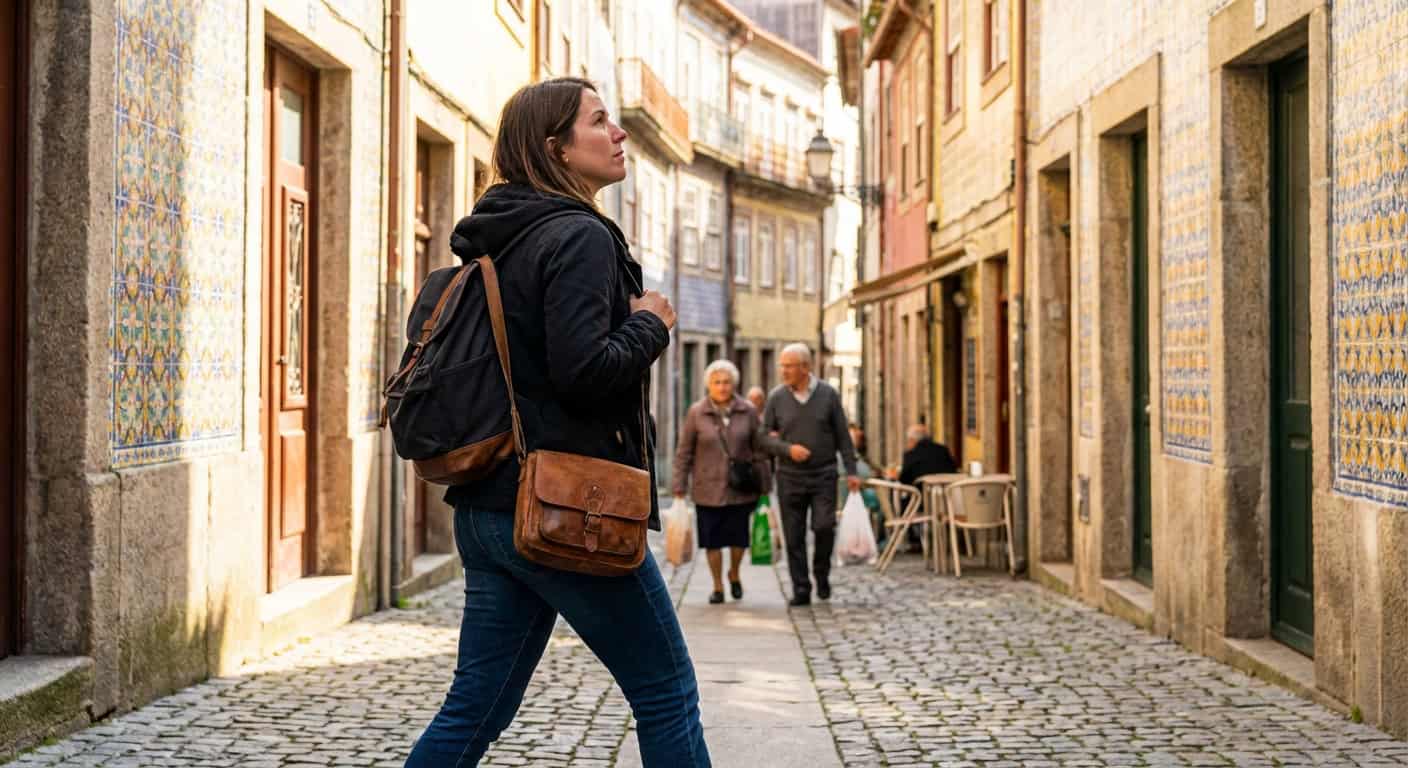
Solo female travel has never been more popular or more accessible. Women are exploring the world independently in record numbers, having great experiences. Here is how to travel safely while embracing adventure.
The state of solo female travel
Women now make up the majority of solo travelers. The community is growing and supportive. While women face some unique challenges, millions travel safely every year. With smart precautions and situational awareness, the world is open to you.
This guide is not about fear. Knowledge creates confidence, and confidence enables freedom.
Destination research
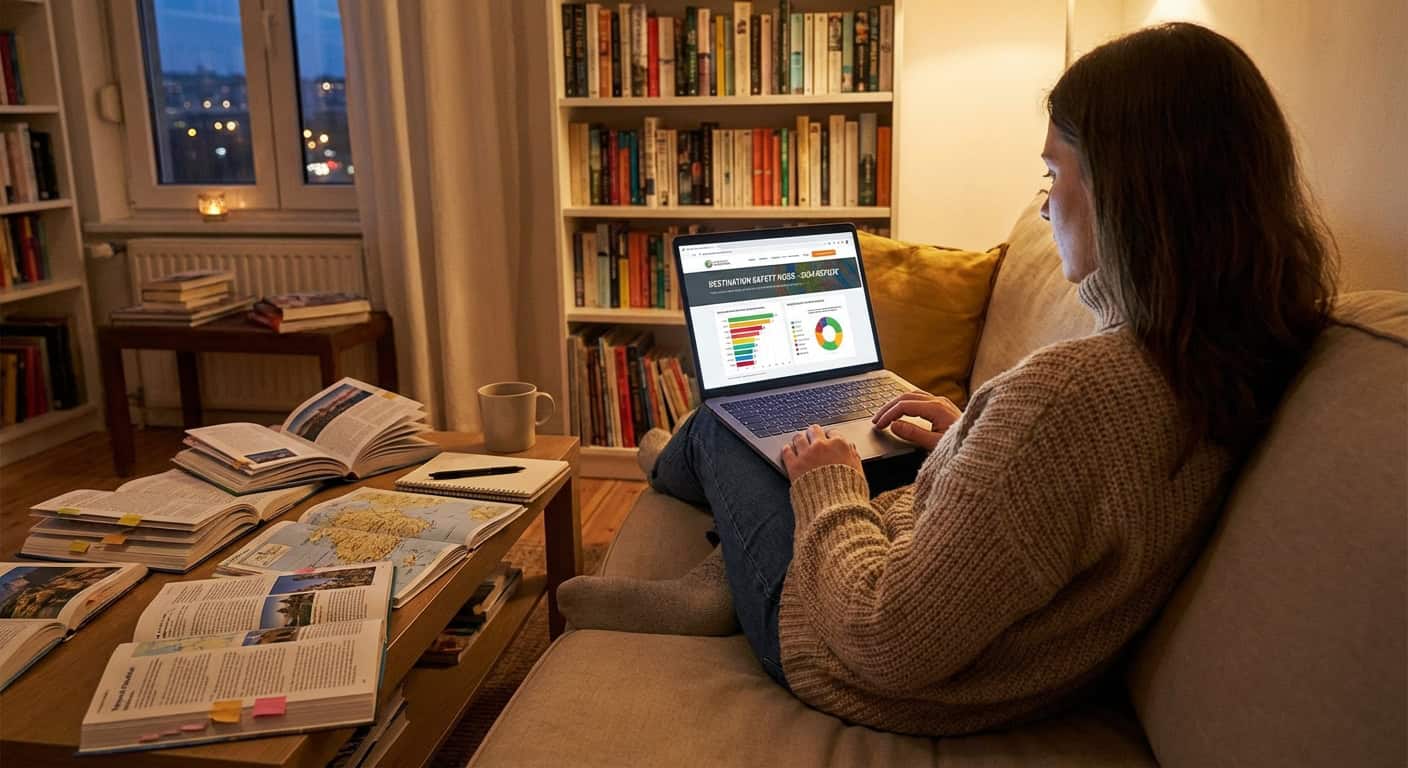
Consider local culture
Different countries have different norms around women:
- Dress codes: what is appropriate varies widely
- Solo women: some cultures are unused to women traveling alone
- Harassment levels: unfortunately varies by destination
- Legal protections: rights differ by country
Research does not mean avoiding places. It means preparing appropriately. Women travel happily in conservative countries with cultural awareness.
One of the most reliable safety indicators is observing local women. If they vanish from the streets at a certain hour, you should too. If they are out chatting on stoops and walking freely, it is generally a safe time and place.
Best destinations for first-timers
If you are new to solo travel, some destinations offer easier entry:
- Japan: extremely safe, easy logistics, respectful culture
- Portugal: friendly, safe, great infrastructure
- New Zealand: adventure-friendly, English-speaking, safe
- Iceland: very safe, beautiful nature, easy to navigate
- Canada: familiar, friendly, lots of variety
These destinations in the best cities for solo travelers list rank highly for safety.
Accommodation choices
Women-only options
Many hostels offer female-only dorms. These provide:

- More comfortable sleeping environment
- Built-in community of other female travelers
- No concerns about male dorm mates
- Often cleaner bathrooms
All-female hostels and guesthouses also exist in major cities. Female-only dorms are a good choice for first-time solo travelers because they eliminate anxiety and often result in great connections with like-minded women.
Choosing safe stays
For any accommodation:
- Read recent reviews specifically from other women, not just overall ratings
- Check location: well-lit, central, easy transport
- Verify security: lockers, room locks, 24-hour staff
- Ground floor rooms are less secure than upper floors
- Always check that adjoining doors (connecting to the next room) are locked. Housekeeping sometimes leaves them unlocked
Hotel room security
Experienced female travelers recommend these room security measures:
- Rubber doorstop: wedge it under your door from the inside for extra security. Simple, cheap, and effective.
- Door stop alarm: an upgraded version that emits a loud siren if the door is pushed open
- Portable door lock: small devices that prevent doors from being opened even with a key
Daily safety practices
Dress thoughtfully
This is not about victim-blaming. It is about reducing unwanted attention. Research local norms and dress to blend in when desired. Carry a scarf for covering shoulders in religious sites or conservative areas.
Walk with confidence
Body language matters. Walk purposefully like you know where you are going (even if you do not). Look up, not at your phone. Make brief eye contact. Confident posture deters opportunists.
If you need to check your phone, duck into a shop or cafe rather than standing on a street corner staring at your screen. Looking distracted makes you a target.
Minimize visible valuables
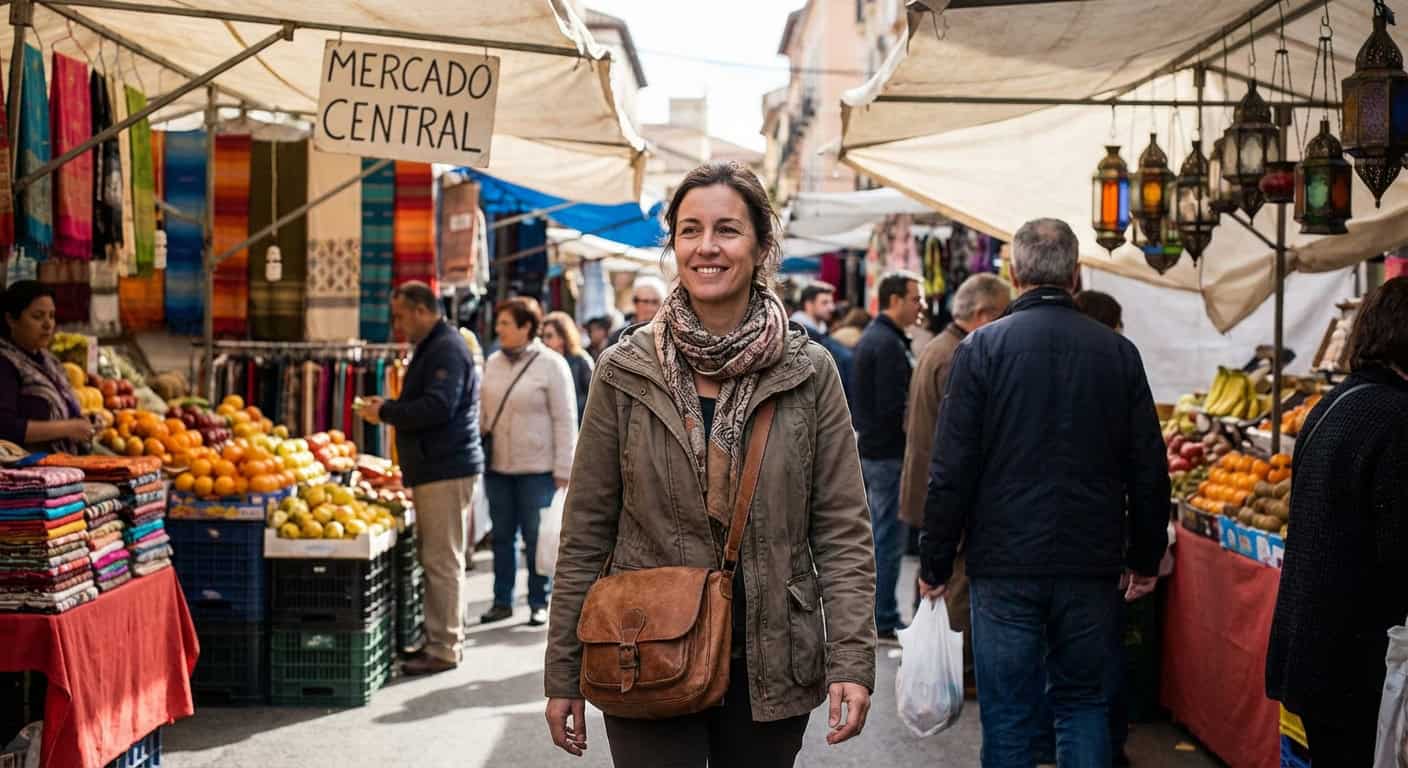
Flashy jewelry, expensive phones, designer bags can attract attention. Keep valuables discreet. Use a cross-body bag with locking zippers that cannot be easily snatched. Many travelers recommend Pacsafe bags or similar anti-theft designs.
Trust your instincts
Women are often socialized to be polite even when uncomfortable. Unlearn this for travel. If someone or something feels wrong, leave. You owe no one politeness at the expense of safety. Your subconscious picks up on non-verbal cues that your conscious brain has not processed yet. Trust that feeling.
The “Fuck Politeness” phrase, popular in true crime communities, applies perfectly to travel. Many women later regret staying in bad situations because they did not want to seem rude. Your safety is worth more than a stranger’s feelings.
Meeting people safely
Smart social strategies
One of the joys of solo travel is meeting people. Do it safely:
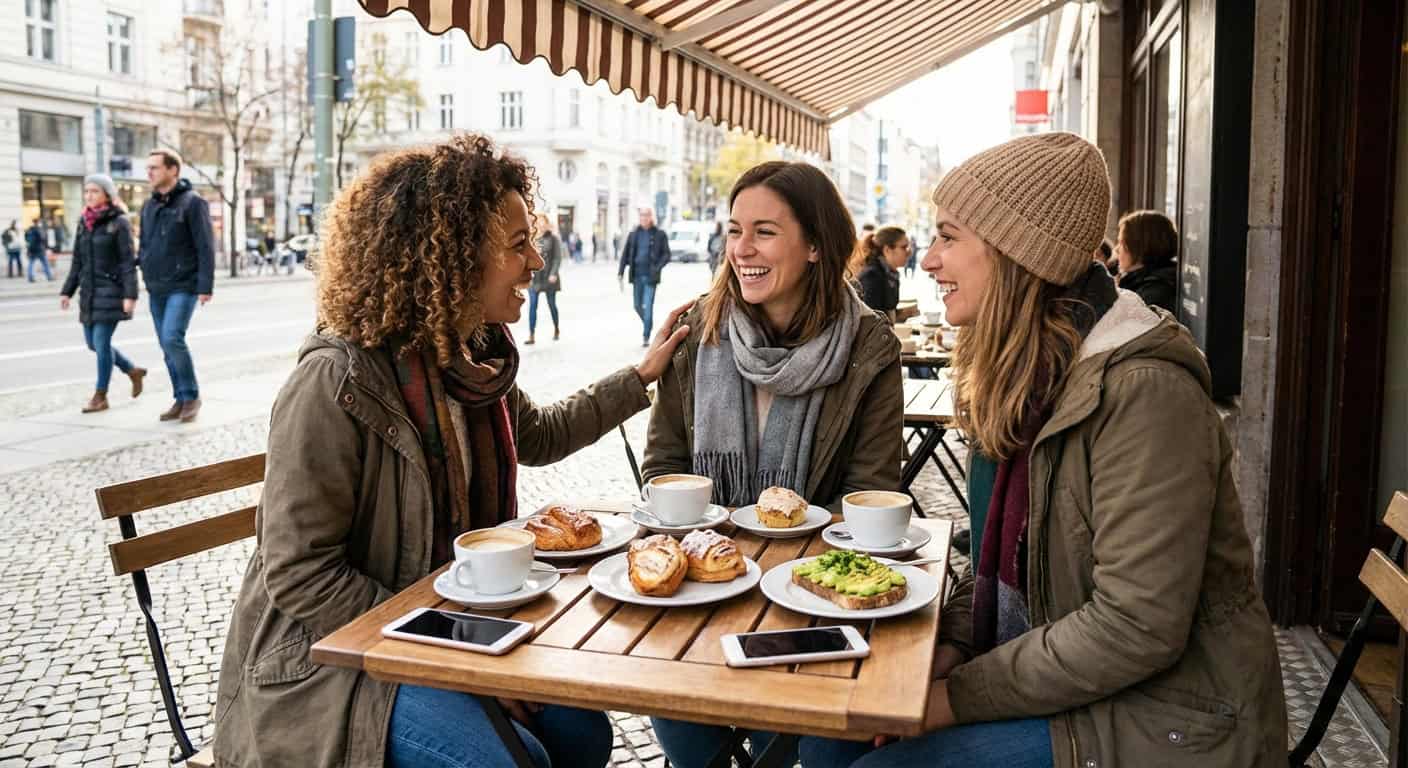
- Meet new people in public places first, always
- Join group activities where you are not one-on-one
- Tell someone (hostel staff, another traveler) your plans
- Use a travel app with profiles and accountability
- Start with daytime activities before nighttime ones
Strategic lying
If a stranger asks if you are traveling alone, the answer is always “No, I am meeting my boyfriend/husband/friend.” Invent a fake companion who is “just back at the hotel” or “meeting me in 10 minutes.” This simple fiction protects you without confrontation.
Consider wearing a fake wedding ring in cultures where marriage commands more respect. It can reduce unwanted advances.
Handling unwanted attention
Unfortunately, unwanted attention happens. Strategies that work:
- Ignore: often the best first response. Do not engage
- Firm no: clear, confident rejection without a smile
- Fake partner: “My husband is meeting me” works in many cultures
- Seek help: enter shops, approach other women, find staff
- Make a scene: if necessary, being loud draws help
Drink safety
Extra vigilance around alcohol:
- Never leave drinks unattended
- Accept drinks only from bartenders directly. Watch them being made
- Limit alcohol when with new people
- Have a buddy system when going out
- Set a personal “two-drink maximum” when meeting strangers
Transportation safety
Research options
Before arriving somewhere, know:
- How to get from airport to accommodation
- Reputable taxi companies or apps
- Public transport safety record
- Areas to avoid at night
Plan all travel so you arrive in a new city during daylight hours. Navigating a new transit system in the dark makes you much more vulnerable.
Solo transport tips
- Sit near drivers or in populated cars on trains/buses
- Use official taxis, not unmarked cars
- Share ride details with someone via app
- Have phone charged for GPS
- Avoid empty train cars and isolated bus stops
The fake phone call tactic
If you feel unsafe in a taxi or ride-share, pretend to have a phone conversation with someone you are meeting. Say things like “See you soon Dad” or “I am almost there, husband” and mention your estimated arrival time. This signals that someone is expecting you and you are not truly alone.
For ride-shares specifically: ask the driver “Who are you here for?” before getting in. Do not say your name first. Make them tell you who they are picking up.
Staying connected
Check-in system
Establish regular check-ins with someone at home:
- Daily text or message at a consistent time
- Share location via app when meeting new people
- Protocol if you miss a check-in
- Emergency contact information in multiple places
Never post your location in real-time on social media. Wait until you have left a city or at least that specific venue before posting stories or photos. Tagging your location while you are still there creates a digital breadcrumb trail.
Local SIM or roaming
Always have phone connectivity. A local SIM card is cheap and ensures you can:
- Call for help if needed
- Access maps and translation offline
- Use ride-share apps
- Stay in touch with new friends and family
Download offline maps for every destination before you arrive. You should never look lost even without data.
Essential safety gear
Experienced female travelers recommend this starter pack:
- Portable door lock or rubber wedge: for hotel room security
- Crossbody bag with locking zippers: kept in front of you
- Apple AirTags or Tile trackers: hidden in every bag to track stolen items
- Power bank: your phone is your lifeline, so never let it die
- Fake wedding ring: for conservative cultures
- Dummy wallet: with expired cards and small cash for worst-case scenarios
Community and support
Connect with other women
The solo female travel community is large and helpful:
- Online groups and forums (especially Facebook groups like Host A Sister and Gals Who Travel)
- Female travel bloggers and content creators
- Women-specific travel meetups
- Female travel companions through apps
Other women share destination-specific tips, warnings, and recommendations. Learn from their experiences.
Share your own knowledge
As you travel, pay it forward. Share what you learn with other women. Write reviews mentioning safety. Report problems. The community gets stronger when everyone contributes.
The empowered traveler
Solo female travel is not about being fearful. It is about being prepared. The same awareness that keeps you safe also makes you present and observant.
Women who travel solo often describe it as life-changing. You prove to yourself that you can handle anything. You become more resourceful and independent in ways that extend far beyond travel.
The connections you make with other travelers become highlights of the journey. The world is full of good people eager to help, share, and connect.
Go explore. Be smart. Have the adventure of your life.
Continue your journey
Want to keep reading? These guides will help you take the next step:
- The Digital Nomad Guide – Combine safety awareness with the freedom of remote work travel
- Food Experiences to Meet Locals – Safe, public food experiences are perfect for women meeting people abroad
- The Complete Backpacking Guide – Safety-conscious approaches to budget backpacking for women
- Southeast Asia Visa Guide for Digital Nomads – Everything you need to know about visas for working remotely in SE Asia
- The Digital Nomad Guide to South America – Safety tips, visa strategies, and city guides for remote workers
Leave a Reply