
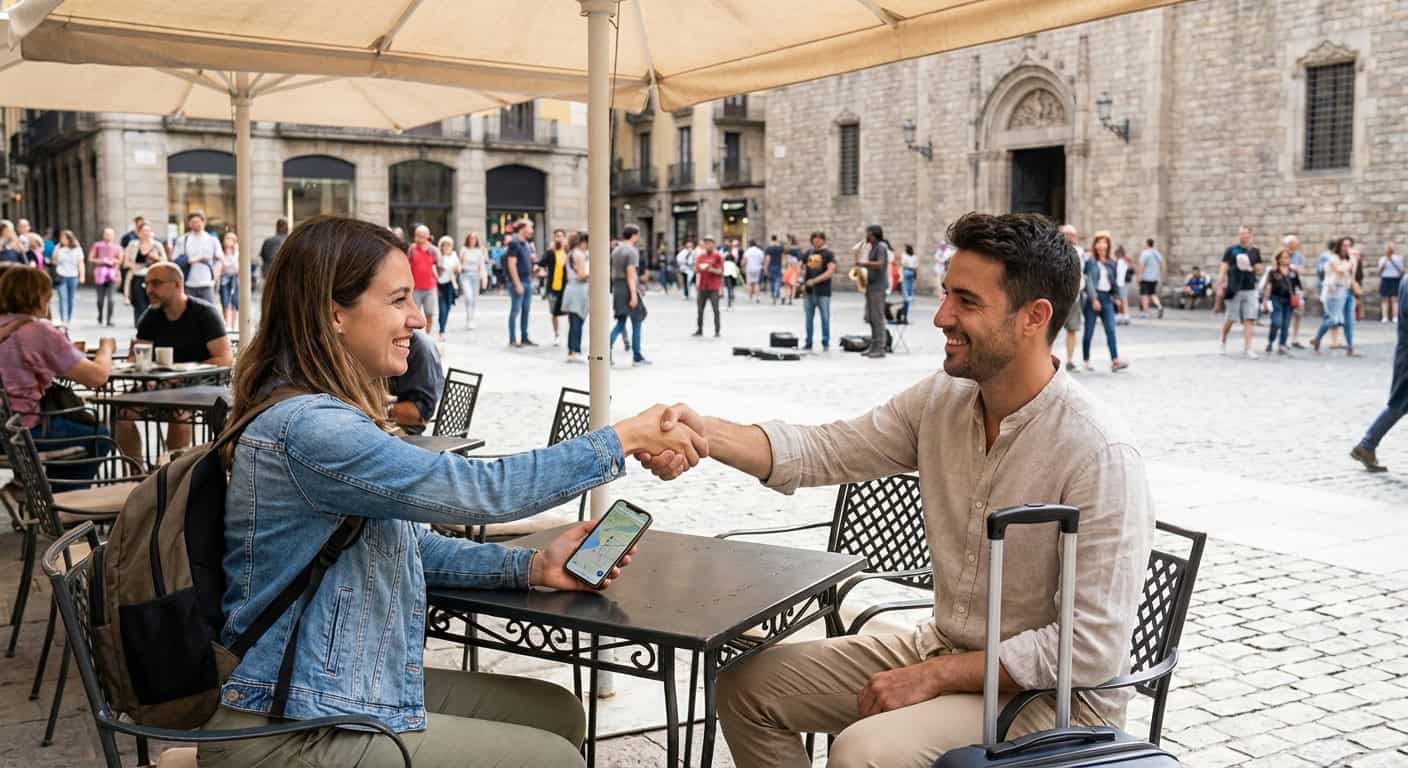
Meeting strangers while traveling is one of the most rewarding parts of any trip, and one that requires smart precautions. This guide covers how to stay safe while making meaningful connections on the road.
The reality of travel safety
Let us start with perspective: travel is generally safe. Millions of people travel solo, meet strangers, and have wonderful experiences every year. The horror stories that make headlines are rare precisely because they are exceptional.
That said, meeting people you do not know, in unfamiliar places, requires awareness. Smart travelers balance openness with caution. They say yes to adventures while maintaining boundaries. They trust their instincts while giving people chances.
Before you meet: vetting strategies
Use platforms with accountability
Apps like HitchHive, Couchsurfing, and others include profiles, reviews, and verification systems. These create accountability that random encounters lack. Check:
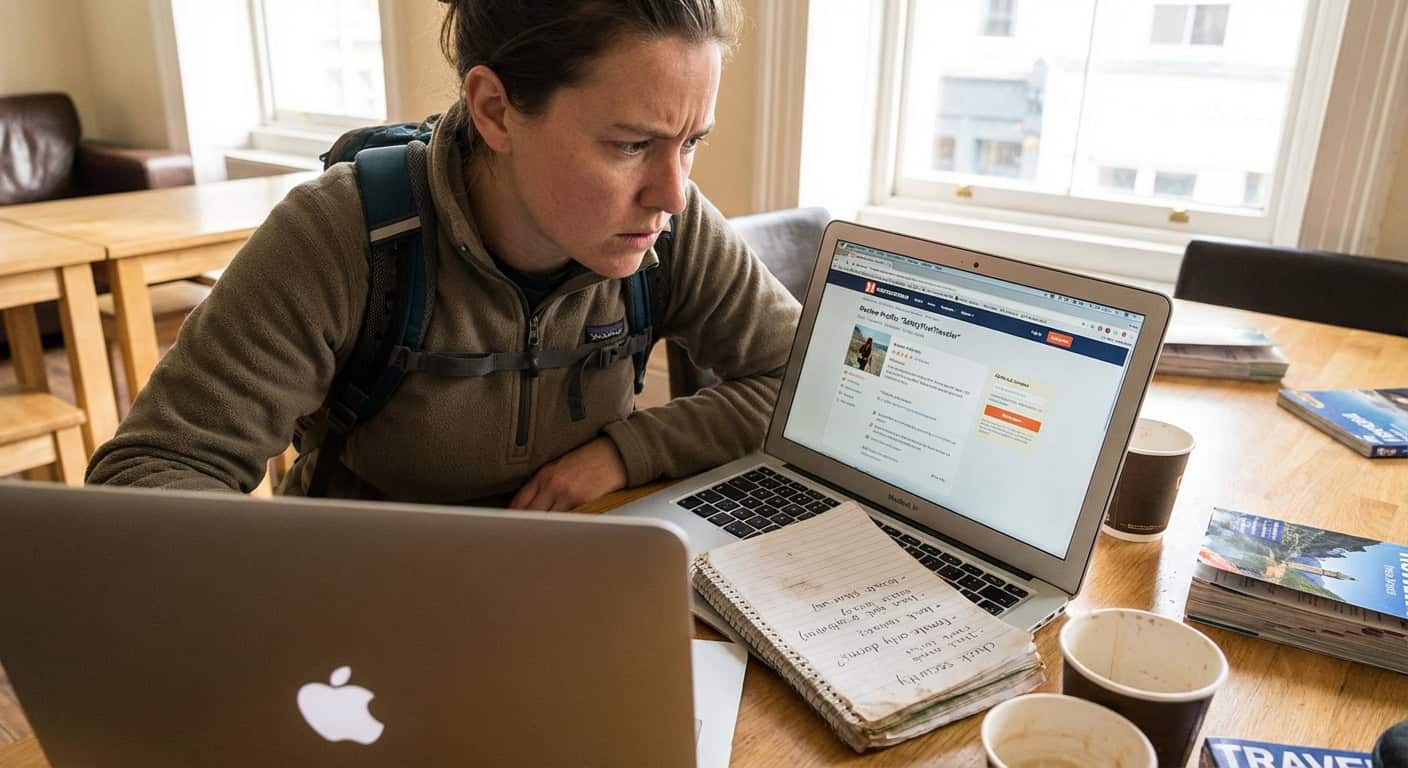
- Profile completeness: real photos, written bio, activity history
- References and reviews: what have others said about them?
- Verification status: identity verification if available
- Account age: newer accounts warrant more caution
For a comprehensive approach to evaluating potential travel companions, see our guide on how to vet travel companions before meeting them.
Do basic research
Before meeting someone, a quick search is reasonable:
- Cross-reference their name on social media
- Check if their story is consistent across platforms
- Look for mutual connections
This is not paranoia. It is basic due diligence that most people understand and expect.
Chat first
Exchange messages before meeting. Pay attention to:
- Do they communicate normally?
- Are they asking appropriate questions?
- Do they respect your pace and boundaries?
- Does anything feel off?
Video call for longer plans
If you are planning to travel with someone you met online, a video call before meeting in person is non-negotiable. If they refuse to video call, that is an immediate red flag. They may be catfishing or have something to hide.
The first meeting
Meet in public
Always meet new people in public places first: cafes, restaurants, popular tourist spots. This is non-negotiable for first meetings. Anyone who pushes for private meetings immediately is a red flag.
Tell someone your plans
Let a friend, family member, or fellow traveler know:
- Who you are meeting (name, profile link)
- Where you are meeting
- When you expect to be back
- Check-in protocol if something changes
Share your live location with someone back home using FindMy or similar apps.
Have your own transportation
Do not depend on someone you just met to get you somewhere, or back. Know how you will leave independently. Have money for a taxi. Know the area.
Limit alcohol
Alcohol impairs judgment. When meeting someone new, stay sharp. You can drink more freely once trust is established. First meetings should be relatively sober. This is emphasized repeatedly by experienced travelers: keeping your wits about you is the number one safety tip.
Reading people and situations
Trust your instincts
If something feels wrong, it probably is. Your subconscious picks up signals your conscious mind might miss. Feeling uncomfortable? Leave. You do not owe anyone an explanation.
Experienced travelers describe this as “shark music.” If a situation feels like a horror movie soundtrack is playing in your head, even if everything looks normal, leave immediately.
Watch for red flags
- Pushing to change locations (especially to private places)
- Getting you alone too quickly
- Excessive alcohol pushing
- Ignoring or dismissing your boundaries
- Stories that do not add up
- Making you feel guilty for being cautious
- Asking too many specific logistical questions early (“Where are you staying?” “Are you alone?” “What is your itinerary tomorrow?”)
- The “forced team-up”: inviting themselves on your plans and refusing soft nos
Notice green flags too
- Respecting your comfort level
- Suggesting public places
- Being open about themselves
- Introducing you to others
- Not pressuring you
De-program the need to be polite
One critical insight from experienced travelers: if someone makes you uncomfortable, you do not owe them a conversation. Politeness can be dangerous. Your safety matters more than social niceties every time.
Building trust gradually
Trust should be earned incrementally:
- Public meetup: coffee, group activity, busy location
- Extended public time: dinner, exploring together in daytime
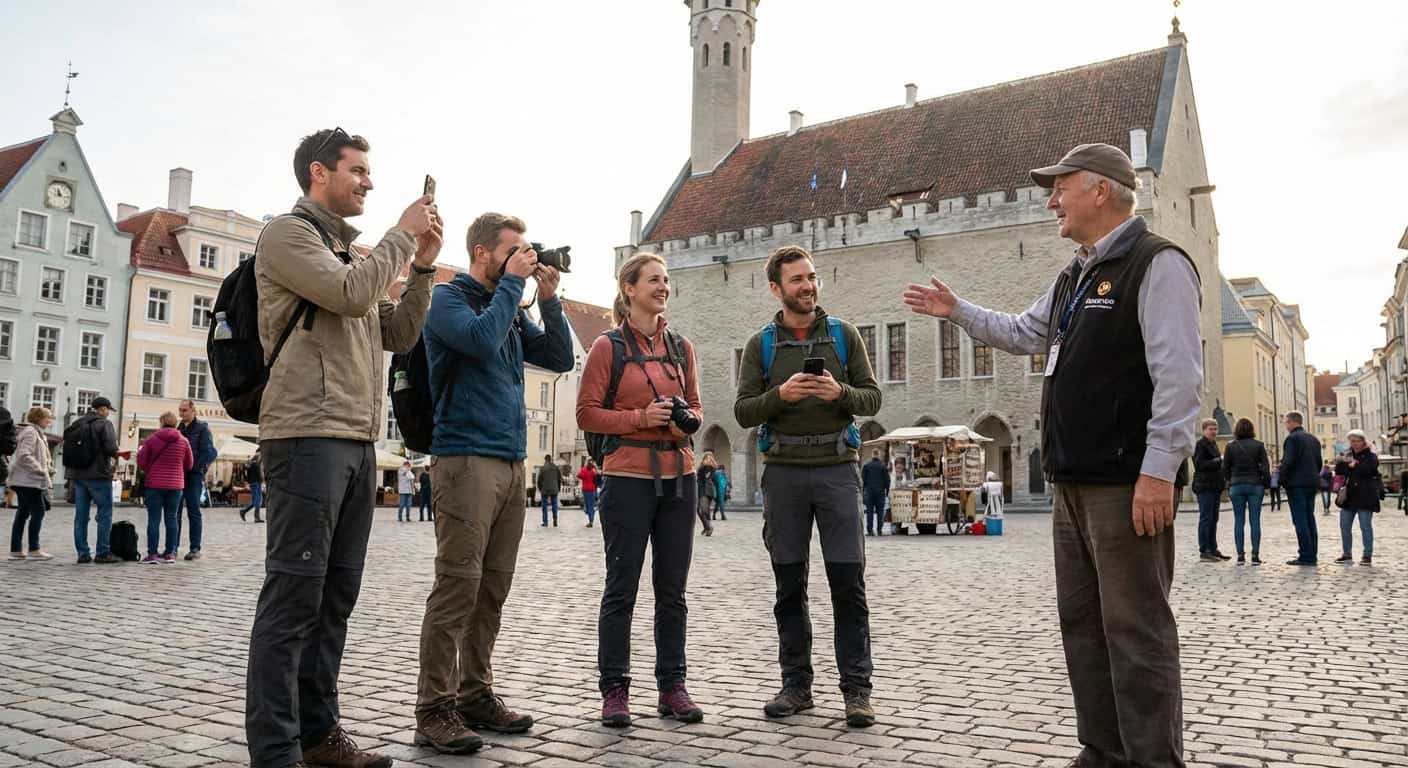
- Group settings: activities with other travelers present
- Semi-private: quieter settings, still in public spaces
- Private: only after trust is established
Rushing this progression is a red flag. Taking it slow is reasonable and expected by trustworthy people.
Avoiding scams when meeting locals
A common travel dilemma: distinguishing genuine friendly locals from scammers. The key rule from experienced travelers:
If you approach a local (to ask directions, etc.), it is usually safe. If a local approaches you in a tourist area and is overly eager to be friends, be cautious. It may be a scam setup.
If a stranger invites you to a specific bar, tea house, or club that they chose, be very careful. This is often the setup for the “tea house scam” where you end up with an exorbitant bill.
If someone wants to hang out, suggest a place you know is safe. If they refuse and insist on their spot, walk away.
Group safety benefits
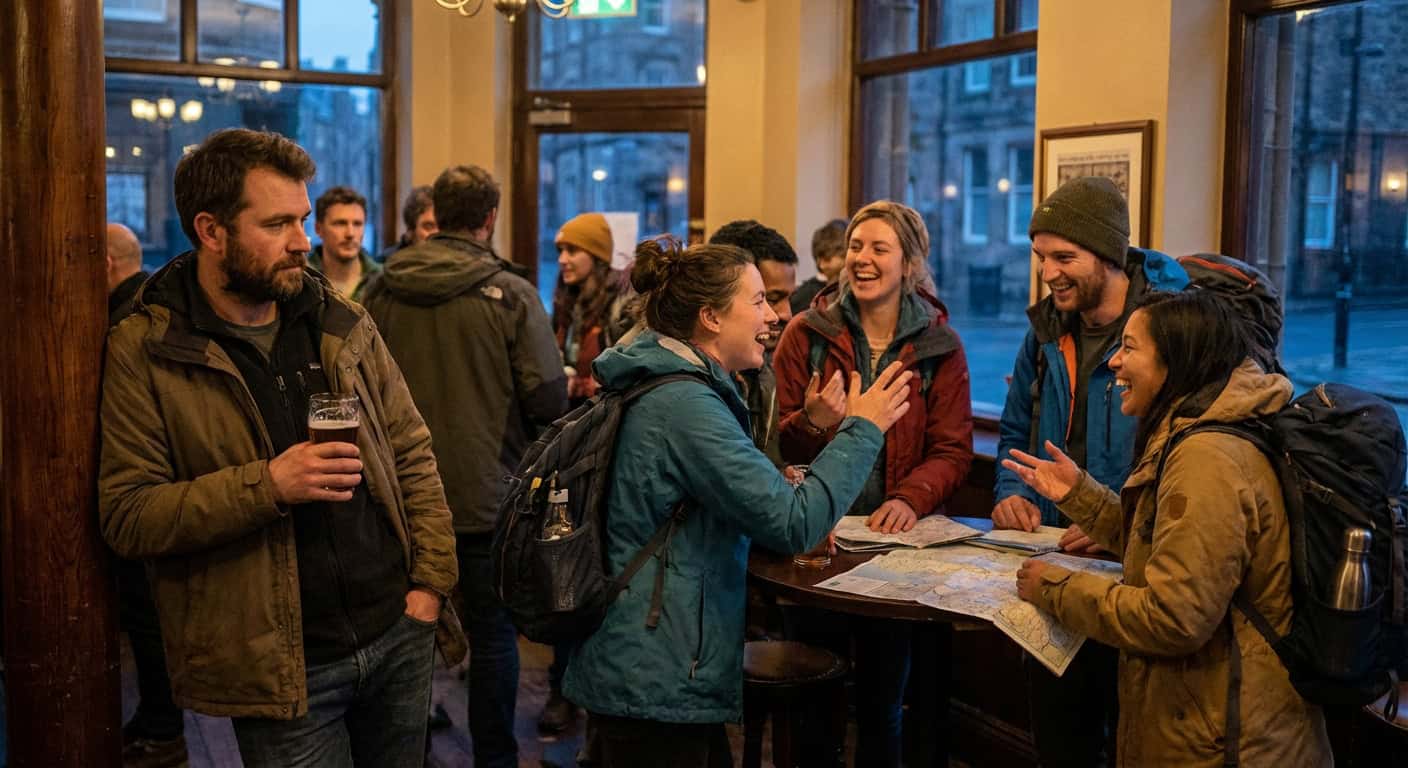
Meeting people through group activities offers built-in safety:
- Multiple people means accountability
- You can observe someone in a low-stakes setting
- Others can corroborate (or contradict) stories
- Easier to exit if uncomfortable
This is why activity-based meeting apps like HitchHive work well. Joining a group hike or food tour is safer than one-on-one meetings with strangers.
For nightlife, staying at social hostels and joining organized pub crawls or pre-drinking sessions establishes a “buddy system” before you even leave the building.
Solo female travel safety
Women traveling alone face additional considerations. While most encounters are positive, some extra precautions help:
- Research cultural norms about women in each destination
- Dress appropriately for local context
- Be especially careful about alcohol and drinks
- Trust instincts even more. Better rude than unsafe
- Connect with other female travelers for tips
- Consider women-only accommodations when available
- The “husband lie”: wear a cheap wedding band and mention your partner is “back at the hotel” or “meeting you soon”
Traveling with online strangers
If you are planning to travel with someone you met online:
- Separate rooms: non-negotiable. Never rely on the stranger for accommodation
- Financial independence: ensure you can afford the entire trip on your own. If they bail or things get weird, you should not be stranded
- Meet in public first: do not meet them at the airport or hotel. Meet in a busy public area for the first “vibe check”
- Exit strategy: know exactly how you would leave if needed, including transport options back to the airport and enough money for emergencies
What to do if something goes wrong
Exit immediately
If you feel unsafe, leave. Do not worry about being polite. Say you do not feel well. Say you have to meet someone. Say nothing and just go. Your safety matters more than social niceties.
Seek help
Go to public places with staff: hotels, restaurants, stores. In emergencies, contact local police and your country’s embassy. Have these numbers saved in your phone.
Report bad actors
Report problematic people on whatever platform you met them. This protects future travelers. Be specific about what happened. Platforms take safety reports seriously.
Perspective: most people are good
After all these precautions, remember: most people you meet traveling will be wonderful. The connections you make often become lifetime highlights. Solo travelers regularly report that meeting people was the best part of their journey.
These safety practices are not about fear. They are about freedom. When you know how to stay safe, you can be more open and more adventurous. You can say yes to opportunities with confidence.
Be smart. Be aware. And go have great experiences with the people you will meet along the way.
Continue your journey
Want to keep reading? These guides will help you take the next step:
- The Complete Backpacking Guide – Travel safely while embracing the immersive backpacker lifestyle
- The Digital Nomad Guide – Safety considerations for long-term travelers working remotely
- Find Foodie Travel Buddies – Food experiences offer safe, public settings for meeting new people
- The Complete Southeast Asia Visa Guide for Digital Nomads – Navigate visa requirements across Thailand, Vietnam, Indonesia, and more
- The Digital Nomad Guide to Medellín – Colombia’s spring city for remote work, with honest safety advice
Leave a Reply