
Why the Philippines is Southeast Asia’s overlooked option for digital nomads
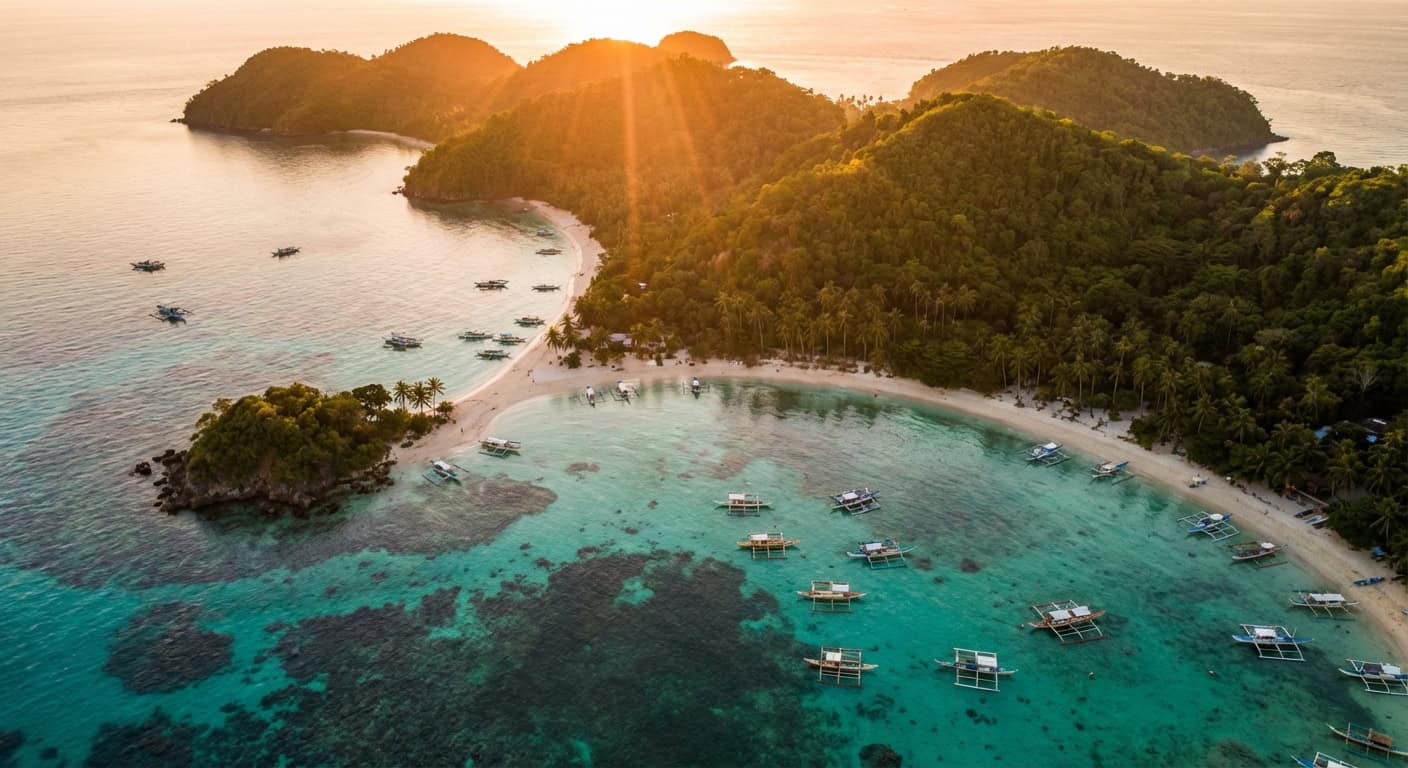
Everyone talks about Chiang Mai. Everyone raves about Bali. Meanwhile, the Philippines is sitting right there — 7,641 islands of turquoise water, white sand, and a cost of living that makes your freelancer income feel like tech money — and somehow most digital nomads skip it entirely. I did too, the first time I planned a Southeast Asian circuit. I flew from Da Nang to Bangkok to Chiang Mai, completely bypassing what turned out to be my favorite country in the region.
That was a mistake I corrected the following year. And once I landed in Manila, I understood what the Philippines has that nowhere else in Southeast Asia can match: everyone speaks English. Not “hello, how are you, the bill please” English. Actual, fluent, argue-about-politics-over-beers English. For a digital nomad who spends half their life on Zoom calls and the other half trying to sort out foreign bureaucracy, that changes everything.
The Philippines has its quirks. The internet can be unreliable outside major cities. Power outages — “brownouts” in the local vocabulary — are a fact of life in the provinces. The traffic in Manila will test the limits of your patience and your podcast backlog. But if you know where to go, how to set up your connectivity backup plan, and what to expect, this country delivers an experience that Thailand and Vietnam simply cannot replicate. If you’re building your shortlist of the best cities for digital nomads, at least two Philippine cities deserve a spot.
This guide covers it all: visas, cities, internet, costs, community, and the practical details that make the difference between loving the Philippines and rage-booking a flight out. Whether you’re looking for the polished urban hub of Manila or the island-hopping lifestyle of Cebu, consider this your starting playbook. And if you’re brand new to the lifestyle, our complete digital nomad guide covers the fundamentals before you get into the Philippines specifically.
The big advantage: everyone speaks English
I cannot overstate this. The Philippines is the third-largest English-speaking country in the world, and it shows in every interaction. Your taxi driver speaks English. Your landlord negotiates the lease in English. The barista at your neighborhood cafe cracks jokes in English. Government offices, hospitals, coworking spaces, restaurants — all of it runs in English with zero friction.
This matters more than you think. In Thailand, you’ll learn to pantomime your way through pharmacy visits. In Vietnam, you’ll rely on Google Translate to negotiate rent. In the Philippines, you have real conversations from day one. When you need to explain to your condo building manager that the backup generator doesn’t power your unit’s outlets (a critical detail for remote workers), you can actually do that without a translator app.
The English proficiency also creates a unique social dynamic. You integrate faster. You make friends with locals, not just other nomads. The Philippines has the largest BPO (Business Process Outsourcing) industry in the world, which means millions of Filipinos work with American, British, and Australian companies daily. They understand remote work culture intuitively. When you tell someone you work from your laptop, they don’t look confused — they might ask which company and whether they’re hiring.
Visa and logistics: the easiest long stay in Southeast Asia
Here’s where the Philippines genuinely outshines every other country in the region: you can legally stay for up to three years on a tourist visa without ever leaving the country. Read that again. Three years. No visa runs, no border bounces, no “fly to Kuala Lumpur every 90 days” dance. For a detailed breakdown of visa strategies across the region, our SE Asia visa guide covers every country side by side.
The system works like this. Most Western passport holders get 30 days visa-free on arrival. Before day 30, you visit a Bureau of Immigration office and apply for your first extension, which gives you another 29 days (total: 59 days). After that, you can keep extending in one-month, two-month, or even six-month increments. The fees add up — expect to pay roughly $30 to $60 per extension depending on the duration — but compared to the cost and hassle of visa runs and border crossings in other countries, it’s a bargain.
The ACR I-Card: After your second extension (past 59 days), you’ll need to get an Alien Certificate of Registration card. It’s basically a foreign resident ID. The process costs around $50, takes about an hour at the immigration office, and you’ll need it for certain transactions like getting a local SIM card on a postpaid plan.
A note on the “Digital Nomad Visa”: The Philippines signed a Digital Nomad Visa into law in 2025, but there’s a catch that most blogs won’t tell you. It has a strict reciprocity clause — your home country must offer a similar visa to Filipinos. This disqualifies citizens of the US, UK, Canada, and Australia, making it essentially useless for the vast majority of nomads. Stick with the tourist visa extension route. It works, it’s predictable, and immigration officers are completely used to it.
Pro tips for immigration: Always wear long pants and closed-toe shoes to the Bureau of Immigration. People get turned away for shorts and flip-flops. Process your six-month extensions at the main office in Intramuros (Manila) rather than satellite offices, which sometimes only handle shorter extensions. And always have a return or onward ticket when entering the country — immigration at the airport checks.
The best cities for digital nomads
The Philippines isn’t a one-city destination. Each hub has a fundamentally different experience, and your choice should be driven by your work requirements and lifestyle priorities. Here’s the honest breakdown.
Manila (Makati and BGC)
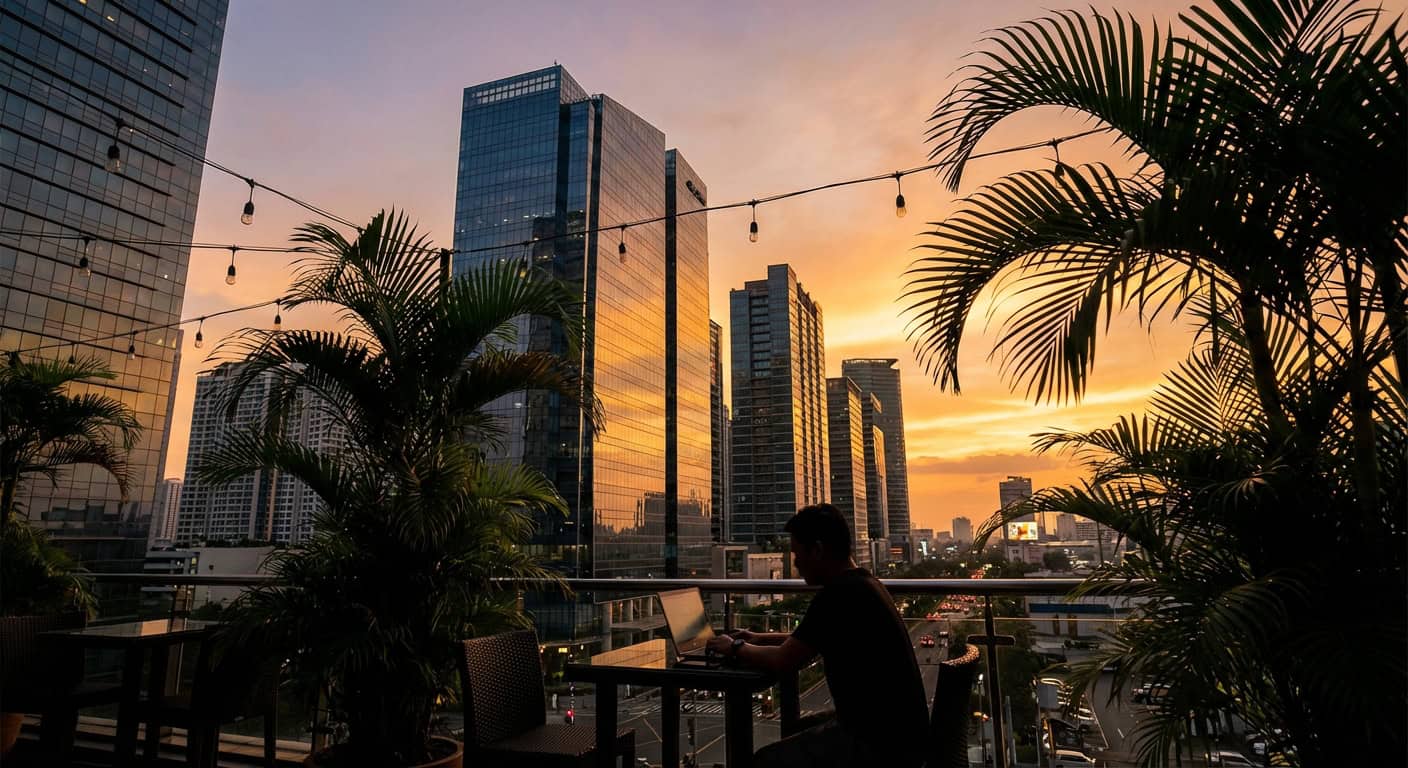
If your work demands absolute reliability — daily video calls, client presentations, zero tolerance for dropped connections — Manila is where you go. Specifically, Makati and Bonifacio Global City (BGC). These two districts are essentially First World bubbles within the chaos of Metro Manila. Underground cabling, reliable power grids, gigabit fiber internet, good restaurants, and walkable streets that feel more Singapore than Southeast Asia.
Makati’s Poblacion neighborhood has emerged as the creative hub, with rooftop bars, art galleries, and the kind of late-night food scene that makes you forget you have a 9 AM standup. BGC is the more polished, corporate sibling — think glass towers, manicured parks, and every international coffee chain you’ve ever heard of. Both work well for remote workers.
The trade-off: Manila traffic is legendary, and not in a good way. December is especially brutal — the Philippines starts celebrating Christmas in September (seriously), and by December the entire city gridlocks. Stay within your chosen district and you’ll be fine. Try to commute across Metro Manila during rush hour and you’ll question every decision that led you here. I’ve written a complete digital nomad guide to Manila covering neighborhoods, coworking spaces and cafes, cost of living, and things to do in much more detail.
Cebu
Cebu is the answer to the question: “What if I want reliable internet but also want to go diving on my lunch break?” Cebu City’s IT Park was purpose-built for the BPO industry, which means the internet infrastructure rivals Manila’s. But step outside the city and you’re on an island surrounded by whale sharks, sardine runs, and some of the best reef diving on earth.
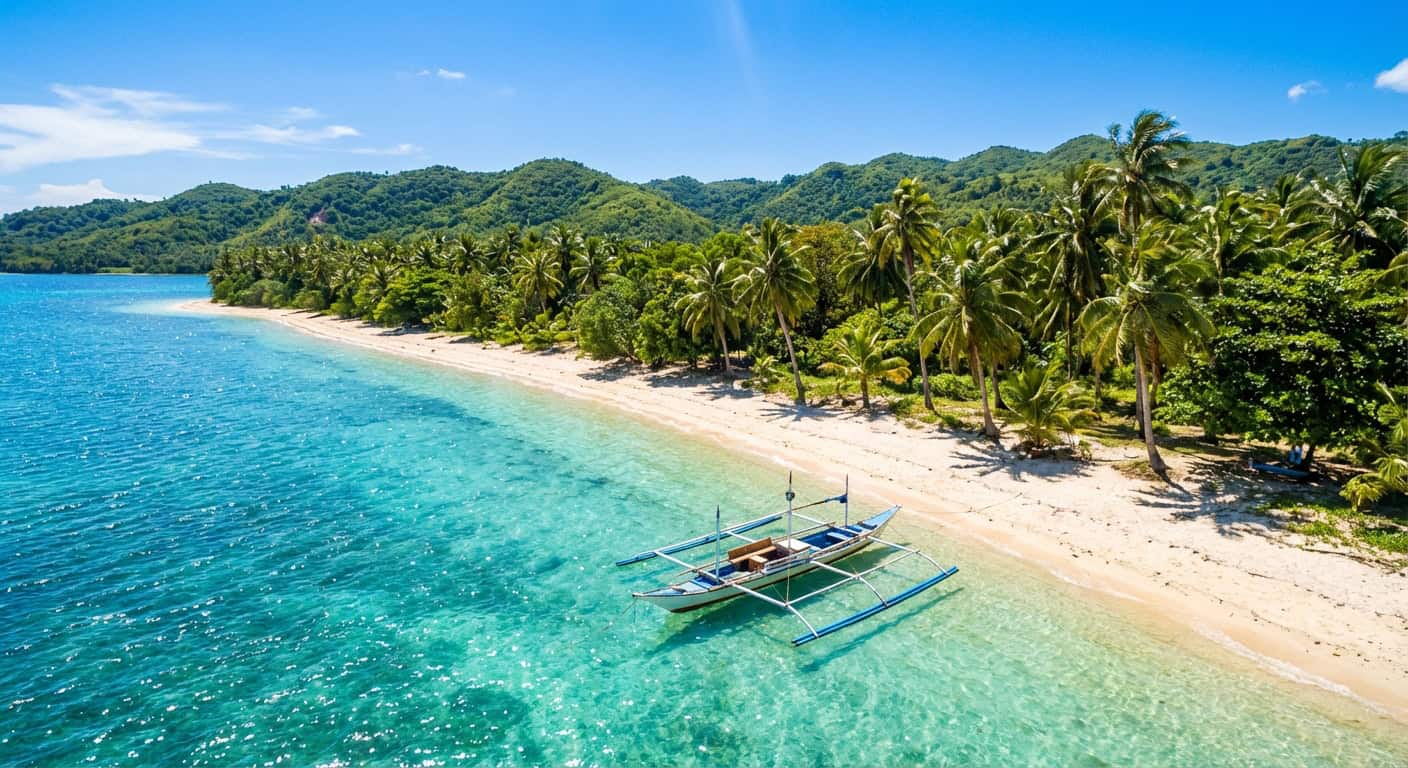
Moalboal, a two-hour drive from Cebu City, has become a popular satellite base for nomads who want beach life with surprisingly decent internet. The nomad community in Cebu is smaller than Manila’s but tighter and more adventure-oriented. If you want a lifestyle that balances productivity with island exploration, Cebu is hard to beat. Check out my full digital nomad guide to Cebu for neighborhoods, workspaces, costs, and things to do.
Siargao
Siargao is the Philippines’ answer to Canggu in Bali — surf, smoothie bowls, sunset sessions, and a nomad community that’s genuinely fun to be around. General Luna is the main hub, and coworking spots like Lexias have invested in Starlink and backup generators specifically to attract remote workers.
But I need to be honest: if your job requires 100% uptime, Siargao is a gamble. Power cuts happen. Internet goes down during storms. You will experience at least one day where your connection drops mid-call. If you can work asynchronously or have flexible hours, Siargao is magic. If you’re on call with clients daily, save it for vacation weekends.
Dumaguete
A university town on Negros Island with a laid-back, artsy vibe and a small but loyal expat community. Dumaguete is cheap, walkable, and close to fantastic diving at Apo Island. Internet is improving but still spotty, and brownouts are more frequent than in the major cities. It’s best for nomads with flexible schedules and a higher tolerance for unpredictability.
Baguio
The Philippines’ “Summer Capital” sits in the mountains of Luzon, offering relief from the tropical heat. Temperatures hover around 20 to 25 degrees Celsius year-round, which is a legitimate selling point if you’ve been melting in Manila. There’s an artist and creative community here, and the cafe scene is excellent. The debate on Baguio is real, though: some nomads love the cool weather and work culture, while others warn about frequent power interruptions, humidity-induced mold, and limited nightlife. Visit before committing to a long stay.
Internet and connectivity: the honest truth
Here’s the part that keeps the Philippines from dominating every “best countries for digital nomads” list: the internet infrastructure is inconsistent. In Manila’s BGC or Cebu’s IT Park, you’ll get fiber speeds of 100 to 300 Mbps that rival anything in the West. Step outside these tech corridors, and speeds can drop dramatically. One street has perfect fiber; the next has nothing.
The key to making it work is redundancy. Experienced nomads in the Philippines never rely on a single connection. Here’s the setup that keeps you online:
Primary: A wired fiber connection from PLDT Fibr, Globe Fiber, or Converge. Ask your landlord or Airbnb host for a speed test screenshot before booking. Plans start at around 1,500 pesos (~$27 USD) per month for 50 Mbps.
Secondary: A 5G mobile hotspot. Buy both a Smart and a Globe SIM card when you arrive — coverage varies wildly depending on which tower is closest to your building. Load up prepaid data packages (Smart’s Magic Data and Globe’s GoSurf are popular) and keep them as failover.
Nuclear option: Starlink. It’s available across the Philippines and has genuinely changed the game for provincial and island living. The upfront hardware cost is steep (around 20,000 to 30,000 pesos), but if you’re planning to stay long-term outside major cities, it’s the single best investment you’ll make. Some coworking spaces and accommodations now advertise Starlink as a feature — always ask.
The power problem: Your internet doesn’t die because the internet fails. It dies because the power fails. Brownouts are a reality everywhere outside the premium city districts. The solution: buy a UPS (Uninterruptible Power Supply) for your router the day you arrive. It keeps your connection alive during the 30-second generator switchover in your building. For longer outages, a portable power station (EcoFlow or Jackery) keeps your laptop and router running for hours. For more strategies on staying productive while traveling, I’ve covered backup plans and workflow optimization in detail.
Cost of living: what it actually takes
The Philippines’ reputation as “cheap” is both true and misleading. A local can live on $300 a month. But as a digital nomad wanting air conditioning, reliable internet, decent food, and a comfortable apartment, your reality looks different.
Here’s a realistic breakdown for a comfortable nomad lifestyle:
Manila (Makati/BGC): $1,500 to $2,200 per month. A furnished studio in a decent condo building runs $500 to $700. Add internet, electricity (AC is expensive here — expect $100 to $200 monthly for electricity alone), food, coworking, transport, and social spending.
Cebu City: $1,200 to $1,800 per month. Slightly cheaper rent and food than Manila, with a similar quality of life in the IT Park area.
Siargao / Dumaguete / Provincial cities: $800 to $1,200 per month. Significantly cheaper, but you may spend more on Starlink, generator fuel, and other infrastructure workarounds.
One thing that surprises many nomads: electricity in the Philippines is among the most expensive in Asia. Running air conditioning around the clock can easily add $150 to $250 to your monthly bill. It’s the hidden cost that catches people off guard.
The flip side: things that are absurdly cheap include domestic flights (Cebu Pacific and AirAsia run $20 to $40 flights between islands), local food (a full Filipino meal at a carinderia is $1 to $2), and services. For the full numbers, check the Manila cost of living breakdown and Cebu cost of living breakdown. And for general strategies on stretching your money abroad, the budget travel hacks guide has you covered.
Workspaces and cafe culture
The Philippines’ coworking scene has exploded, especially in Manila and Cebu. Manila’s BGC and Makati have WeWork, KMC Solutions, and a growing roster of local spaces with 24/7 access, meeting rooms, and enterprise-grade internet. Cebu’s IT Park has similar options tailored to the BPO crowd.
But here’s what makes the Philippines different from, say, Chiang Mai: the cafe culture is great for working. Filipinos are obsessed with coffee — from Third Wave specialty shops to neighborhood holes-in-the-wall serving single-origin brews. Most cafes have fast wifi, air conditioning, power outlets, and absolutely no problem with you camping out for hours. A drip coffee costs 100 to 150 pesos ($2 to $3), and you get a comfortable workspace in return.
If you’re working US or European hours (which means night shifts in the Philippines), look specifically for 24/7 coworking spaces or cafes. Manila has several. In smaller cities, you’ll be working from your apartment at night, which makes having reliable home internet non-negotiable. For detailed recommendations, see the Manila coworking and cafe guide and Cebu coworking and cafe guide.
Food and culture: the underrated side
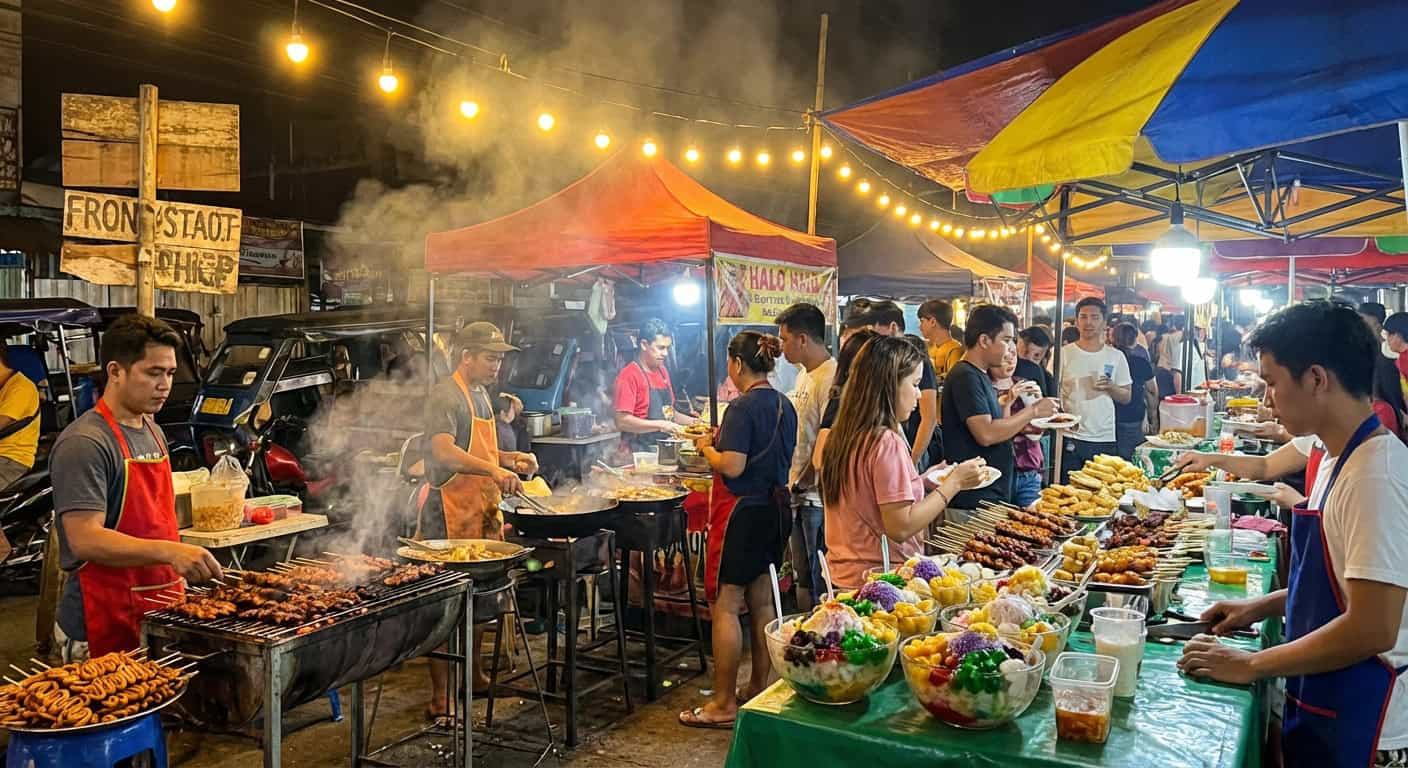
Filipino cuisine gets a bad rap in the nomad community. Yes, the traditional diet leans heavy on rice, pork, and sweetness. But dismissing Filipino food entirely means missing out on some genuinely incredible eating. Lechon (whole roasted pig) in Cebu is legitimately one of the best things I’ve eaten anywhere. Sinigang, a sour soup with tamarind and pork or shrimp, is comfort food at its finest. And the fresh seafood — grilled tuna belly, kinilaw (Filipino ceviche), garlic butter shrimp — is excellent when you know where to find it.
The Filipino food scene is also evolving fast. Manila’s restaurant scene is having a genuine renaissance, with young chefs putting modern twists on traditional dishes. BGC and Poblacion are packed with excellent restaurants spanning every cuisine. You’ll eat well here.
Culturally, Filipinos are among the warmest, most hospitable people you’ll encounter anywhere. There’s a genuine openness to foreigners that goes beyond tourist-industry friendliness. You’ll get invited to family gatherings, basketball games, and karaoke nights (karaoke is basically the national sport). The culture rewards social engagement — if you put in the effort to connect, the Philippines gives back tenfold.
Healthcare and safety
Healthcare in the Philippines runs on a tiered system. In Manila and Cebu, you’ll find hospitals that rival Western standards. St. Luke’s Medical Center and Makati Medical Center in Manila, and Chong Hua Hospital in Cebu, have English-speaking doctors, modern equipment, and reasonable prices by Western standards. A doctor’s visit costs $15 to $30. Basic dental work is $20 to $50. Emergency care is professional and accessible in the cities.
Pharmacies (Mercury Drug is the largest chain) are everywhere, well-stocked, and pharmacists can recommend over-the-counter treatments for common ailments. You don’t need a prescription for most basic medications.
For health insurance, look into local providers like Pacific Cross or Maxicare if you’re staying long-term. They’re affordable and widely accepted. International options like SafetyWing or World Nomads work too but may have slower claim processing.
Safety-wise, the Philippines gets a worse reputation than it deserves. The major cities and tourist areas are generally safe for foreigners. Common sense applies: don’t flash expensive electronics in crowded areas, use Grab instead of unregistered taxis, and be cautious in unfamiliar neighborhoods at night. Violent crime against foreigners is rare. The most common issues are petty theft and Grab/taxi scams. Our travel safety guide covers the essentials for staying smart abroad, and if you’re traveling solo, the solo travel guide has specific tips for building confidence on your own.
The social scene: finding your people
The digital nomad community in the Philippines is smaller than in Thailand or Indonesia, but it’s growing fast and the quality of connections tends to be higher. You won’t find a massive coworking mixer every week, but that’s actually the appeal — the community is tight-knit enough that you’ll recognize faces within your first week.
Facebook groups are the lifeline of the Philippines nomad scene. Search for digital nomad groups specific to Manila, Cebu, or Siargao, plus the broader “Expats in the Philippines” groups. These are where people post about meetups, apartment leads, recommended cafes, and visa questions. Join them before you arrive.
The BPO culture also creates an interesting social dynamic unique to the Philippines. There’s a massive population of young, English-speaking professionals who work remotely or in tech, and they’re often happy to socialize with foreign nomads. Your social circle doesn’t have to be limited to other Westerners — it’s easy to build a mixed group of local and international friends here.
HitchHive is another way to connect with digital nomads and travelers across the Philippines. Whether you’re looking for a coworking partner in Makati or someone to split a weekend trip to Palawan with, the right people transform a good destination into a great one. If building your nomad community is a priority, the Philippines rewards the effort. The shared experiences of island life together, from surviving your first brownout to discovering a hidden beach, create bonds that stick. And if you’re looking for practical strategies, our guide on how to find travel buddies is a good starting point.
Getting around the islands
Island-hopping is half the point of being in the Philippines, and the infrastructure for getting around is better than you’d expect.
Flights: Cebu Pacific and AirAsia Philippines connect the major islands with absurdly cheap fares. Manila to Cebu runs $20 to $40 one-way. Manila to Siargao, Palawan, or Boracay is similar. Book a week or two ahead for the best prices. Both airlines run frequent sales where you can score flights for under $15.
Ferries: For shorter routes, ferries are cheap, scenic, and often more convenient than flying. 2GO Travel and Ocean Jet run regular services between Cebu, Bohol, Dumaguete, and other Visayan islands. An air-conditioned business class ferry ticket from Cebu to Bohol costs around $15.
Local transport: Grab is your best friend in cities. It works like Uber and covers cars, motorcycles, and food delivery. Outside of Manila and Cebu, Grab availability drops off, and you’ll rely on tricycles (motorized three-wheelers), jeepneys (those iconic modified military jeeps), and the occasional habal-habal (motorcycle taxi). Negotiate prices before riding — tricycle and habal-habal drivers don’t use meters.
Scooter rentals: Available everywhere. Around 300 to 500 pesos ($5 to $9) per day. If you’re comfortable on two wheels, a scooter opens up the Philippines in a way nothing else can. Just make sure you have an International Driving Permit, as police checkpoints do exist. If you’re backpacking through Southeast Asia, the Philippines’ island-hopping culture makes it one of the most rewarding legs of any regional trip.
Best time to visit
The Philippines has two seasons: dry (December through May) and wet (June through November). But it’s more nuanced than that, because this is a country that stretches over 1,800 kilometers from north to south.
The sweet spot: January through May. This is when the weather across most of the country is at its best. Dry, sunny, perfect for island hopping and beach weekends. February through April is peak dry season. May starts getting brutally hot.
June through November brings the wet season, and with it, the typhoon belt. The eastern seaboard (including Siargao) gets hit hardest. Manila and Cebu experience heavy rain but are less frequently in the direct path of major typhoons. September and October are typically the worst months.
The nomad play: Many long-term nomads use the Philippines as their dry-season base (January through May) and then shift to a different country during the wet season. The seasonal complement works well with destinations in the other hemisphere — think Da Nang (best February through August) or Chiang Mai (best November through February). Splitting your year between the Philippines and another Southeast Asian hub gives you the best weather year-round without ever dealing with the monsoon.
Holiday warning: Filipinos celebrate Christmas longer than any country on earth. The “Ber months” (September through December) bring escalating holiday fever, and by December, Manila traffic becomes genuinely non-functional. If you’re in the capital during December, stay in your neighborhood and don’t plan to commute anywhere.
Continue your journey
Ready to go deeper into the Philippines? These guides will get you started:
- The Digital Nomad Guide to Manila — Makati, BGC, and the Philippines’ urban hub for remote work
- The Digital Nomad Guide to Cebu — island lifestyle, diving, and a growing nomad community
- The Complete SE Asia Visa Guide — visa strategies for the Philippines and beyond
Find your people in the Philippines
The Philippines is the kind of destination that keeps pulling you back. The warmth of the people, the chaos and beauty of the islands, the ease of communication in English — it all adds up to a place that feels less like a temporary base and more like somewhere you could genuinely build a life. If you’re heading there soon, or you’re already on the ground and looking for your crew, use HitchHive to connect with other digital nomads and travelers across the islands. Whether you need a coworking buddy in BGC, a diving partner in Cebu, or someone to get through the Bureau of Immigration with, the right people make every island better. See you in the Philippines.
Leave a Reply