
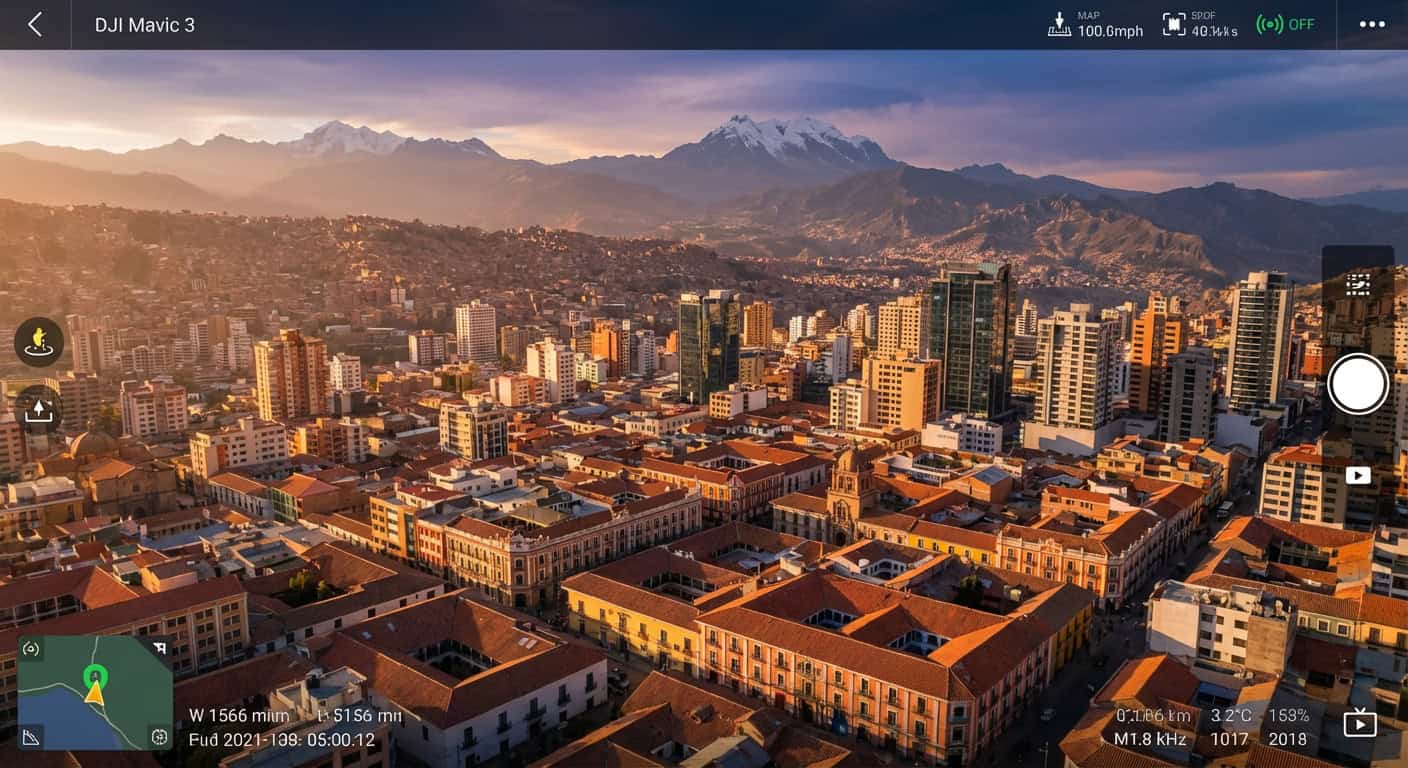
Why South America is the next frontier for digital nomads
I spent years bouncing between Chiang Mai and Bali before I finally booked a one-way ticket to Bogota. Within a week, I knew I’d been missing out. South America hits differently — the energy, the culture, the sheer scale of the place. If Southeast Asia is digital nomad life on easy mode, South America is the version where you actually feel alive.
Here is the thing most nomad guides won’t tell you: South America is not for everyone. The internet is less consistent, the safety rules are stricter, and the logistics can be maddening. But if you are willing to level up your street smarts and embrace a little chaos, you will find a continent that rewards you with deeper connections, better time zones, and experiences that make your Instagram followers genuinely jealous.
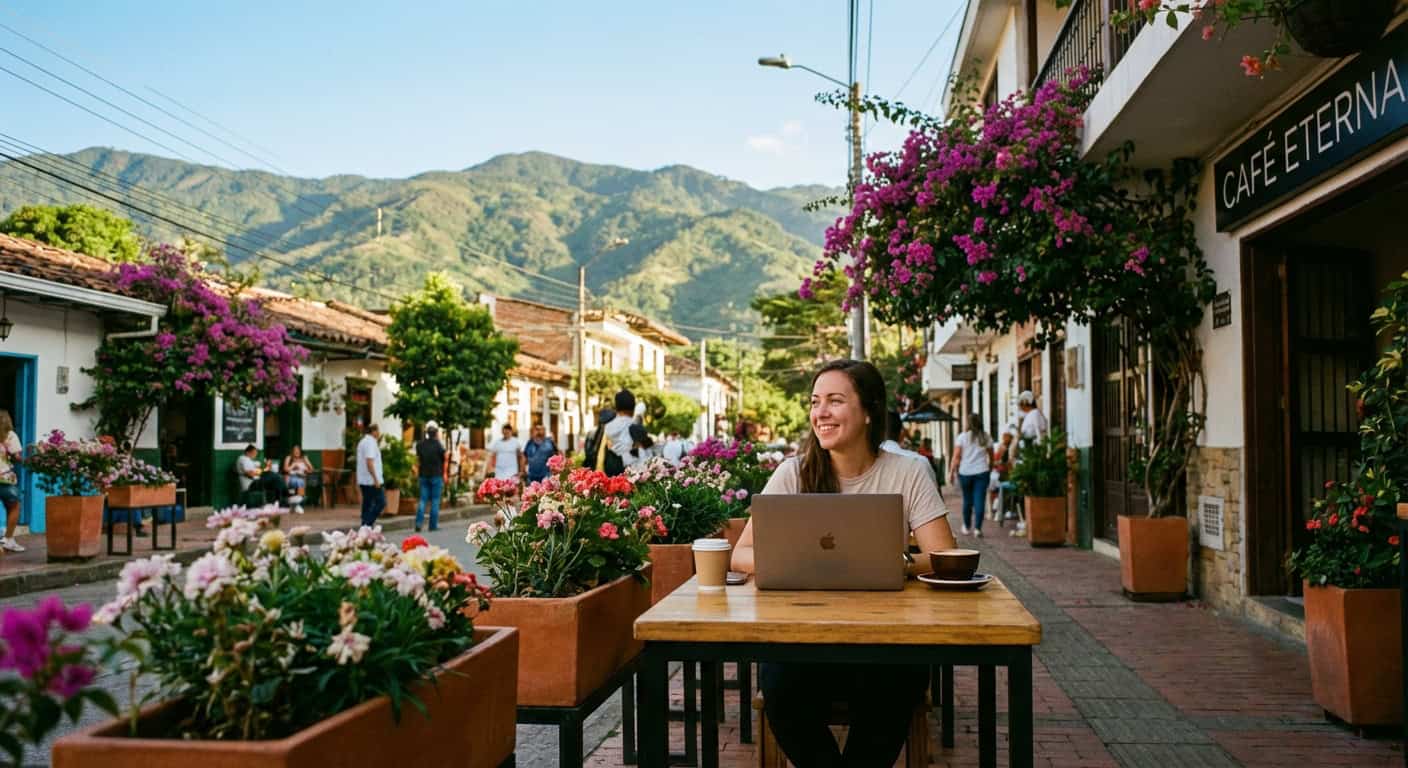
This guide is your complete roadmap to digital nomad life in South America. I have pulled together real advice from hundreds of remote workers who have actually lived and worked across the continent — not travel bloggers who spent a weekend in Palermo. Whether you are eyeing Medellin for its eternal spring or Buenos Aires for its cafe culture, this is everything you need to know before you go.
Why South America over Southeast Asia or Europe?
The digital nomad world has a running joke: “Girls go to Buenos Aires, boys go to Medellin.” It is reductive, sure, but it hints at something real — South America attracts a different kind of nomad. People who want more than cheap pad thai and coworking spaces with bean bag chairs.
Here is what actually tips the scales toward South America:
Time zones that don’t wreck your life. This is the number one reason remote workers with US or Canadian clients choose LATAM over Asia. Working from Bangkok means your 10 AM standup is at 10 PM. In Medellin or Buenos Aires, you are on Eastern Time or one hour off. Your work-life balance stays intact, and you don’t have to choose between attending meetings and having a social life.
Real cultural integration. Spanish is learnable in months, not years. Unlike tonal languages in Southeast Asia, you can reach conversational Spanish in one focused season — and suddenly you are talking to the grandmother on the bus, negotiating your apartment directly with the landlord, and actually making local friends who invite you to an asado on Sunday. As one Redditor put it, “LATAM creates friendships; SEA creates travel buddies.”
Nature on a scale that doesn’t exist elsewhere. The Andes, the Amazon, Patagonia, Caribbean beaches, and the Atacama Desert — all on one continent. Southeast Asia has incredible beaches and temples, but South America wins the “grand nature” category by a mile. You can go from surfing in Florianopolis to hiking glaciers in Patagonia in the same trip.
The food debate is real. SEA fans will fight you on this, and street food in Bangkok is hard to beat for $1-2 meals. But South America plays a different game entirely. Argentine steaks, Peruvian ceviche, Colombian arepas — the ingredient quality is world-class if you have a slightly higher budget. Lima alone has more top-50 restaurants than any city in Asia.
The honest downsides? Safety requires constant awareness (more on that below), staying productive takes more discipline when your neighborhood is this alive, and intra-continental flights can cost as much as flying to Europe. AirAsia this is not.
The best cities for digital nomads in South America
South America is massive, and the difference between cities can be staggering. Here is a real breakdown of the best cities for digital nomads, based on what actually matters: internet, cost, safety, and vibe.
Medellin, Colombia
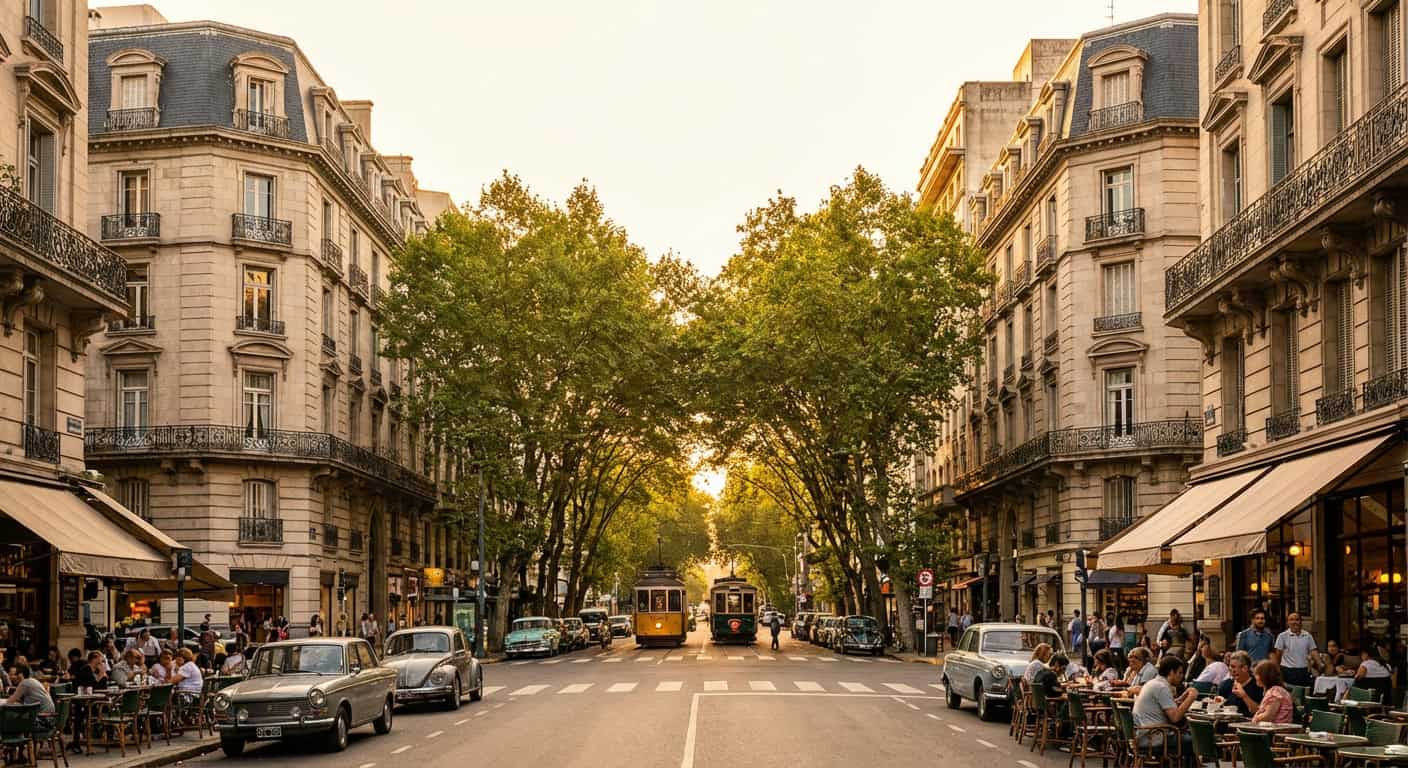
The poster child for digital nomads in South America, and for good reason. Medellin’s “eternal spring” climate (70-80F year-round) means you never think about weather. Fiber internet is widespread in El Poblado and Laureles, with Claro and Tigo offering 100Mbps+ connections in most modern apartments. The coworking scene is massive — spots like Semilla and the local WeWork are packed with remote workers, and cafe culture is thriving at places like Pergamino (though the wifi there gets crushed when it’s crowded).
The honest truth: Medellin has a “passport bro” reputation problem. El Poblado can feel like a less exciting version of Mexico City if you stick to the gringo bubble. Gentrification has pushed prices up significantly. But move to Laureles or Envigado and the city opens up — real Colombian neighborhoods with incredible restaurants, local bars, and a fraction of the tourist pricing.
For the full breakdown, read our complete Medellin digital nomad guide, including the best coworking spaces and cafes, a detailed cost of living breakdown, and the best things to do on your days off.
Buenos Aires, Argentina
If Medellin is the party, Buenos Aires is the dinner conversation that goes until 3 AM. This city is for people who want culture — tango, theatre, literature, world-class steak restaurants — wrapped in a walkable, European-style city that happens to be incredibly affordable thanks to Argentina’s wild exchange rate situation.
Reddit overwhelmingly picks BA over Medellin for longer stays. The social scene feels more sophisticated, the neighborhoods (Palermo, Recoleta, San Telmo) each have distinct personalities, and the internet infrastructure is solid — fiber from Personal or Movistar delivers 100-300Mbps in most modern apartments. The catch? Summer heatwaves cause power blackouts, which kills everything. Always have a mobile hotspot backup with Claro or Personal.
Dive deeper with our Buenos Aires digital nomad guide, plus guides on coworking and cafes, cost of living, and things to do beyond the laptop.
Lima, Peru
Lima is the dark horse of the South American nomad scene. Most people think of it as a layover to Machu Picchu, but the Miraflores and Barranco districts are excellent for remote work. Infrastructure is reliable, the food is arguably the best on the continent (ceviche that will ruin you for anywhere else), and the cost of living sits comfortably between Buenos Aires and Medellin.
The vibe is more “grown-up” than the party cities — you won’t find a massive gringo social scene, but if you speak some Spanish, you’ll connect with educated, cosmopolitan locals. Treat Cusco as your weekend adventure (the internet there is dicey and the altitude will spike your heart rate), but base yourself in Lima for serious work.
Santiago, Chile
Santiago has the best internet infrastructure in South America. Full stop. Fiber is everywhere, it rarely cuts out, and the city runs with an efficiency that feels almost European. Las Condes and Providencia neighborhoods are the go-to areas — safe, modern, with WeWork locations and reliable power.
The trade-off is that Santiago is often described as “boring” by nomads coming from Medellin or Buenos Aires. It is also more expensive — closer to European pricing than typical LATAM budgets. The running consensus: “Go to Santiago if you can’t afford a single dropped call; go to Buenos Aires if you want to enjoy your life after work.”
Florianopolis, Brazil
Floripa is South America’s surf-meets-tech answer to Bali. One of the safest places in Brazil (and the continent), with a younger, health-conscious crowd in neighborhoods like Campeche and Lagoa da Conceicao. The cafe scene is excellent, and the island setting means you are never far from a great beach.
The downsides are real though: you basically need a car or scooter because the island is large and traffic gets brutal in peak summer. Public transport is slow and Uber gets expensive for daily commutes. And unlike the rest of this list, Portuguese is the language here — English is far less common, and “speaking basic Portuguese is a huge plus” for daily life like dealing with landlords.
Montevideo, Uruguay
The safest capital in South America, hands down. Montevideo is for nomads who prioritize stability and quality of life above all else. The city is clean, walkable, and relaxed in a way that feels almost Scandinavian compared to the energy of its neighbors.
The trade-off is cost. On a $40k/year budget you will live fine, but you won’t save much. One Redditor summed it up: “Best quality, safest city, must be Montevideo… but it’s considerably more expensive than its neighbors.” It is also quieter — if you want nightlife and chaos, look north.
The hidden pick: Mendoza, Argentina
If you are specifically looking for nature, quiet, and quality of life without the capital-city chaos, Mendoza deserves your attention. Wine country, Andes mountains at your doorstep, safety without the Buenos Aires pickpocket anxiety, and a fraction of the cost. Perfect for the nomad who wants to hike on weekends and actually disconnect.
The visa situation
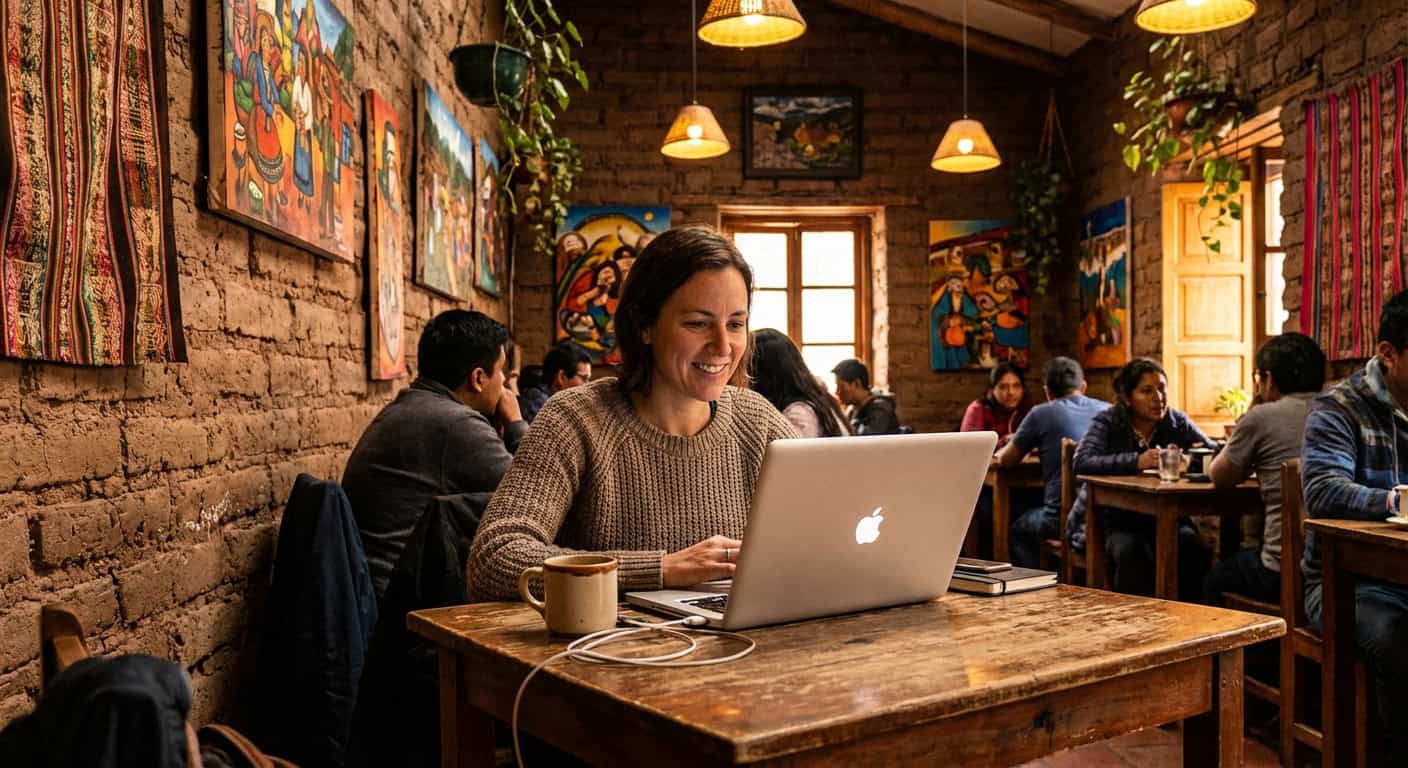
One of South America’s biggest advantages over Southeast Asia is the visa situation. While SEA countries often give you 30 days and force “visa runs” to neighboring countries, most South American nations are far more generous.
Colombia gives most passport holders 90 days on arrival, extendable to 180 days. They also launched a dedicated Digital Nomad Visa that allows you to stay up to two years if you can prove a monthly income of roughly $2,600 (3x the minimum wage). This is the gold standard for nomad visas in the region.
Argentina offers 90 days on arrival for most nationalities, and while there is no official nomad visa, the reality is that many remote workers simply do a quick trip to Uruguay (a pleasant ferry ride from Buenos Aires) and re-enter for another 90 days. It is technically a gray area, but widely practiced.
Brazil recently introduced its own Digital Nomad Visa, requiring proof of at least $1,500/month in income. The initial tourist visa gives 90 days, extendable to 180 within a 12-month period.
Chile offers 90 days visa-free for most nationalities and has been developing remote work visa options, though the bureaucracy is slower than Colombia’s.
Uruguay gives 90 days on arrival. With its small, efficient government, extending is relatively straightforward compared to larger neighbors.
The bottom line: you can comfortably spend 3-6 months in most South American countries without jumping through visa hoops. Compared to the 30-day-and-run-to-the-border reality of many Asian countries, this is a massive quality-of-life win.
Internet and infrastructure: the real story
Let me be blunt: if your job depends on zero dropped calls, South America requires more planning than Southeast Asia. But if you are smart about it, you will be fine. Here is the hierarchy:
Tier 1 — Santiago, Chile. The most reliable infrastructure on the continent. Western-standard fiber, stable power grid, rarely cuts out. If internet uptime is your number one priority, this is your city.
Tier 2 — Buenos Aires, Medellin, Lima (major neighborhoods). Fiber is widely available and fast (100-300Mbps). The risk isn’t the internet line itself — it is the power grid. Buenos Aires has summer blackouts during heatwaves. Medellin is generally stable but can have neighborhood-level outages. Lima’s Miraflores district is rock-solid.
Tier 3 — Florianopolis, Montevideo, secondary cities. Solid but less consistent. You will need to be more intentional about choosing accommodation with good connections.
Tier 4 — Mountain and rural areas (Cusco, Sacred Valley, smaller towns). Forget about regular video calls from Cusco. The internet is “dicey,” rainstorms knock out service, and you might experience water shortages on top of it. Treat these places as weekend escapes, not workstations. Exception: Airbnbs with Starlink are becoming a game-changer in the Sacred Valley.
The rules every SA nomad learns:
Always have two connections. Your primary Airbnb wifi plus a local SIM card (Claro has the best pan-South American coverage) for mobile hotspot backup. Relying on one connection is what amateurs do.
Demand speed test screenshots before booking. Never trust a host who says “wifi is fast.” Message them and ask for an actual Speedtest.net result before you pay.
Bring an ethernet cable. Seriously. Wiring directly into the router is infinitely more stable than wifi signals bouncing through concrete walls in a 1920s Buenos Aires apartment building.
Know your coworking backup. In Buenos Aires, spaces like La Maquinita and AreaTres have industrial-grade generators. In Medellin, Semilla is the go-to for serious calls. When your home internet fails, having a Plan B coworking space already scouted is the difference between a minor inconvenience and a missed deadline. Check out our guides on Medellin coworking and Buenos Aires coworking for specific recommendations.
Cost of living: what it actually costs
South America is not as universally cheap as Southeast Asia. You can live on $1,500/month in some cities, but to get the “safe neighborhood with good internet” experience most nomads want, budget higher. Here are realistic monthly ranges for a comfortable nomad lifestyle (private apartment, eating out regularly, coworking membership, social life):
Medellin: $1,200-2,000/month. The lower end gets you a solid place in Laureles. El Poblado “gringo pricing” pushes you toward $2,000. Read our detailed Medellin cost breakdown for specifics.
Buenos Aires: $1,000-1,800/month. Argentina’s exchange rate situation makes this wildly variable — check the “blue dollar” rate before you go. Palermo apartments, steak dinners, and wine are absurdly cheap by Western standards. See our Buenos Aires cost of living guide for current numbers.
Lima: $1,200-1,800/month. Miraflores is the sweet spot — safe, modern, with excellent restaurants. Barranco is slightly cheaper and more bohemian.
Santiago: $1,500-2,500/month. The most expensive on this list. Closer to European pricing, especially for dining out and nightlife.
Florianopolis: $1,200-2,000/month. Varies wildly by season — summer (December-February) prices spike dramatically.
Montevideo: $1,500-2,200/month. You are paying a premium for safety and stability.
For serious budget optimization, the key insight is that the “safe neighborhood tax” is real in South America. In Southeast Asia, you can live cheaply almost anywhere and feel safe. In LATAM, the specific neighborhoods where infrastructure, safety, and modern amenities align (El Poblado, Palermo, Miraflores, Las Condes) command premium prices. Move one neighborhood over and costs drop 30-40%, but you need to do your research on safety first.
Safety and street smarts: the guide nobody wants to write
This is the section that separates South America from every other nomad destination. I am not going to sugarcoat it: safety requires active management here in a way it simply doesn’t in Thailand or Portugal. But hundreds of thousands of remote workers live safely across the continent. The difference is awareness.
“No dar papaya” — this Colombian phrase is the single most important safety concept in South America. It translates to “don’t give papaya,” meaning don’t make yourself an easy target. Walk around with a phone in your hand or a laptop bag loosely over one shoulder? You are “giving papaya.” The cultural expectation is blunt: it is considered your responsibility not to tempt fate.
Here is what experienced nomads actually do for travel safety:
Use Uber, DiDi, or Cabify for everything after dark. Street taxis are a universal “no.” If the walk is more than 5-10 minutes at night, pay the $3 for a rideshare. Think of it as safety insurance. An empty street in Europe feels peaceful; an empty street in South America is a danger signal.
The two-phone strategy. Keep an old burner phone for going out at night. Your primary device with banking apps and 2FA stays locked in the Airbnb safe. If you get mugged, you hand over a $50 phone instead of your $1,200 iPhone.
Dress down. Leave the Apple Watch at home. Wedding rings stay in the safe. A Casio watch and modest clothing help you blend in. Putting ugly stickers or duct tape on a MacBook makes it look worthless — a surprisingly effective trick.
Watch out for motochorros. In Argentina and Brazil, thieves on motorcycles are a specific threat. Never use your phone near the curb or while waiting for a ride. Two guys on a motorcycle slowing down near you is an immediate red flag.
Cafe etiquette matters. Never leave your phone on the table. Keep your backpack strap looped around your leg or chair leg. Sit inside, away from the door — never work with an expensive laptop on a street-facing terrace. In Buenos Aires, “snatch and grab” is extremely common even in safe neighborhoods like Palermo.
Transitions are dangerous. Getting in and out of cars, entering and leaving buildings — these 10-second windows are when you are most vulnerable. Stay alert during transitions.
Scopolamine in Colombia. Specific to Medellin and Bogota — never leave a drink unattended and be cautious about dating app matches who suggest private locations too quickly. This is not paranoia; it is mentioned in virtually every safety thread about Colombia.
The overall consensus from nomads who have lived in both regions: the “low-level anxiety” about safety in LATAM is real and it drains your energy compared to the carefree feeling of walking home at 3 AM in Bangkok. But with proper habits, the risks are manageable. Most people who get robbed in South America broke one of the basic rules above.
Community and the social scene
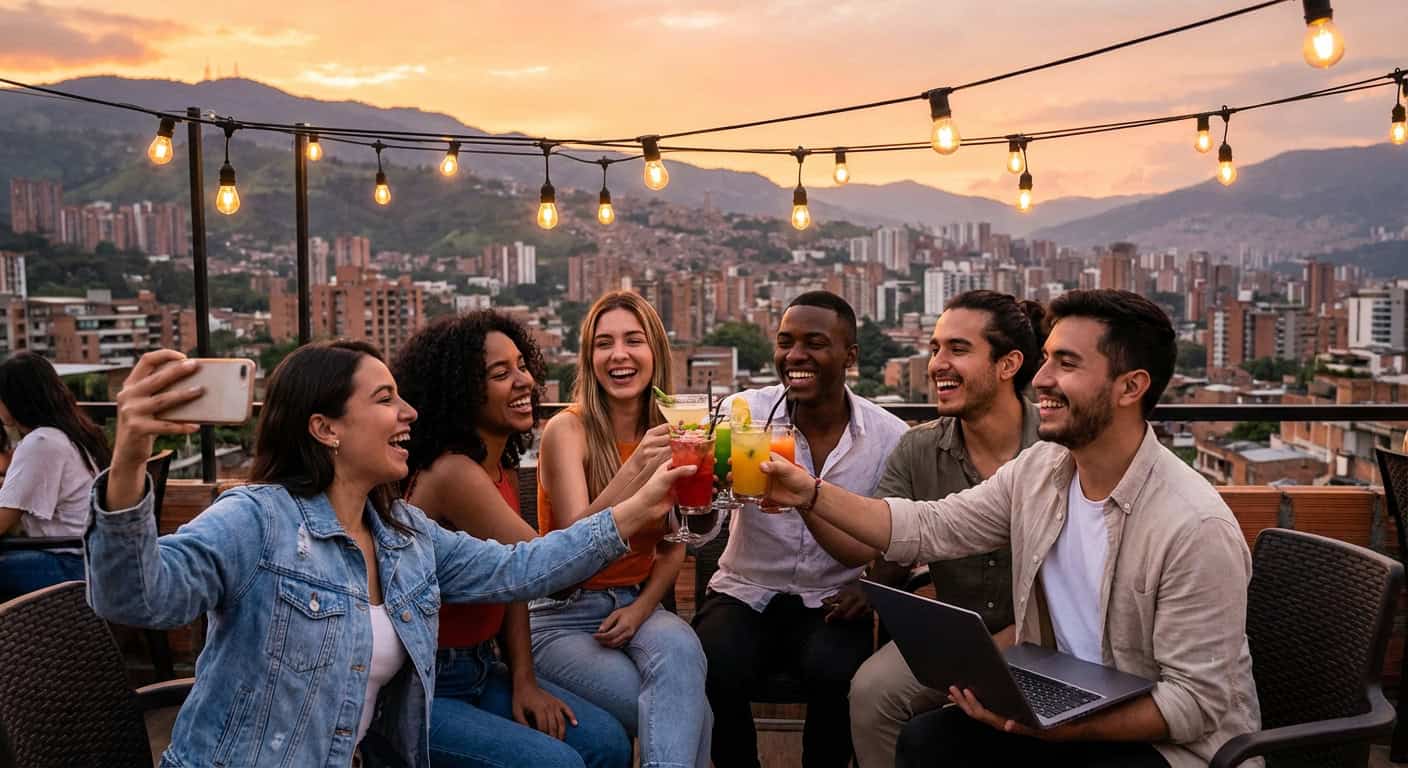
Here is where South America beats every other nomad region: the depth of social connection. The cultural warmth is not a marketing slogan — it is a lived reality that changes your experience of building a nomad community.
In Southeast Asia, you make “travel buddies.” In South America, you make friends. The difference is the cultural openness plus the ability to learn Spanish and actually participate in local life. Within a few months, you are getting invited to asados, going to local football matches, and having real conversations beyond the hostel bar.
The nomad communities in Medellin and Buenos Aires are massive and well-organized. Coworking spaces double as social hubs. In Medellin, the entire Laureles neighborhood has become an informal nomad village where you bump into familiar faces at the same cafes. Buenos Aires has a more intellectual, artistic crowd — think wine tastings and tango classes rather than rooftop parties.
For solo travelers, South America is exceptional. The social energy is infectious — people actually talk to strangers here, invite you to things spontaneously, and the line between “expat” and “local” friend groups is far blurrier than in Asia. The shared experience of navigating South America’s chaos bonds people quickly. You will swap safety tips, recommend landlords, and share empanada spots with people who become real friends.
Connect with fellow nomads heading to South America through HitchHive — it is always better to arrive with a few contacts already in your pocket, especially in a region where having a trusted network makes everything from apartment hunting to weekend trips significantly easier.
When to go: seasons across the continent
South America spans the equator to near-Antarctica, so “when to go” depends entirely on where you are heading. Remember: seasons are flipped from the Northern Hemisphere.
Medellin: Year-round. The “eternal spring” climate means 70-80F every day regardless of month. There is a rainy season (April-May and October-November) but it usually means afternoon showers, not all-day rain. This is the only city on the list where timing doesn’t matter.
Buenos Aires: March-May (autumn) or September-November (spring). Summers (December-February) bring brutal heat and the power blackouts that come with it — bad for remote work. Winters are mild but grey.
Lima: December-March for sunshine. The “garua” (coastal fog) blankets the city from May-November, which some people find depressing. Work-wise, it doesn’t affect much, but your Instagram will suffer.
Santiago: September-November (spring) or March-May (autumn). Summers are hot and dry (great for weekends in wine country), winters are cold and smoggy.
Florianopolis: November-March for the full beach/surf lifestyle, but this is also peak season with higher prices and traffic nightmares. April-October is quieter and cheaper, but the weather is cooler and the social scene thins out.
The nomad circuit play: Many experienced South American nomads follow the weather. Buenos Aires in their spring (September-November), then up to Medellin or Florianopolis for the Southern Hemisphere summer, then back to Buenos Aires for autumn. This keeps you in perfect weather year-round while rotating your visa stays.
Getting around: flights, buses, and cross-border travel
This is where South America’s biggest logistical weakness shows. Unlike Southeast Asia, where AirAsia gets you between countries for $30, moving around South America is expensive and time-consuming.
Flights between countries are pricey. Bogota to Buenos Aires can easily cost $300-500+ one way. There is no equivalent of budget carriers connecting the whole continent cheaply. Book early and watch for LATAM Airlines or Avianca sales.
Buses are an experience. Long-distance buses in Argentina, Chile, and Peru are surprisingly comfortable — “cama” class buses with seats that recline almost flat, meals included. But routes take 15-20+ hours between major cities. The overnight bus from Buenos Aires to Mendoza is a rite of passage. Keep your electronics on your lap, not in the overhead bin — thieves wait for you to fall asleep.
The Buenos Aires-Montevideo ferry is a classic short hop. Buquebus runs high-speed ferries that take about an hour — perfect for visa renewals and a great weekend trip.
Within cities, use rideshare apps. Uber works in most major cities (though it operates in a legal gray area in some). DiDi and Cabify are alternatives. Never hail street taxis, especially at night.
For backpacking between your nomad bases, the key insight is to think in “hubs,” not “routes.” Pick 2-3 cities for longer stays (1-3 months each) rather than trying to see everything. The distances are too vast and the travel too exhausting to hop around weekly like you might in Southeast Asia.
Healthcare: better than you’d expect
One pleasant surprise about South America: the healthcare in major cities is good and remarkably affordable. Private clinics in Medellin, Buenos Aires, Lima, and Santiago offer modern facilities with English-speaking doctors at a fraction of US prices.
Most nomads use travel insurance (World Nomads or SafetyWing are the popular options) and pay out of pocket for routine visits. A doctor’s appointment in Buenos Aires might cost $30-50 without insurance. Dental work in Medellin is so affordable that some nomads time their visits around dental appointments.
The one major health consideration: altitude. If you are heading to Cusco (11,000+ feet), Quito, or La Paz, take the altitude seriously. One Redditor reported their resting heart rate spiking the entire time they were in Cusco. Families with young children should be especially cautious. Acclimatize gradually and don’t plan important work calls for your first 48 hours at altitude.
Continue your journey
Ready to pick your base? Start with our in-depth city guides:
- The Digital Nomad Guide to Medellin — Everything from neighborhoods to nightlife in Colombia’s nomad capital
- The Digital Nomad Guide to Buenos Aires — Steaks, tango, and the best coworking in Argentina’s cultural heart
- The Complete Digital Nomad Guide — Our master guide covering every aspect of building a location-independent life
- Best Cities for Digital Nomads Worldwide — See how South American cities compare to the global competition
- The Digital Nomad Guide to the Philippines — Southeast Asia’s English-speaking alternative for remote workers
Find your people
South America is incredible, but it is exponentially better when you are not figuring everything out alone. The nomad who arrives with a few contacts — someone who knows which neighborhoods to avoid, which landlords are trustworthy, which coworking space has the best backup generator — has a massive advantage over the one who lands cold.
That is exactly why we built HitchHive. Connect with digital nomads who are already on the ground in Medellin, Buenos Aires, Lima, and across the continent. Share safety intel, split coworking memberships, or just find someone who wants to grab a steak in Palermo on a Tuesday night. Because the best part of this lifestyle isn’t the laptop views — it is the people you share them with.
Leave a Reply