
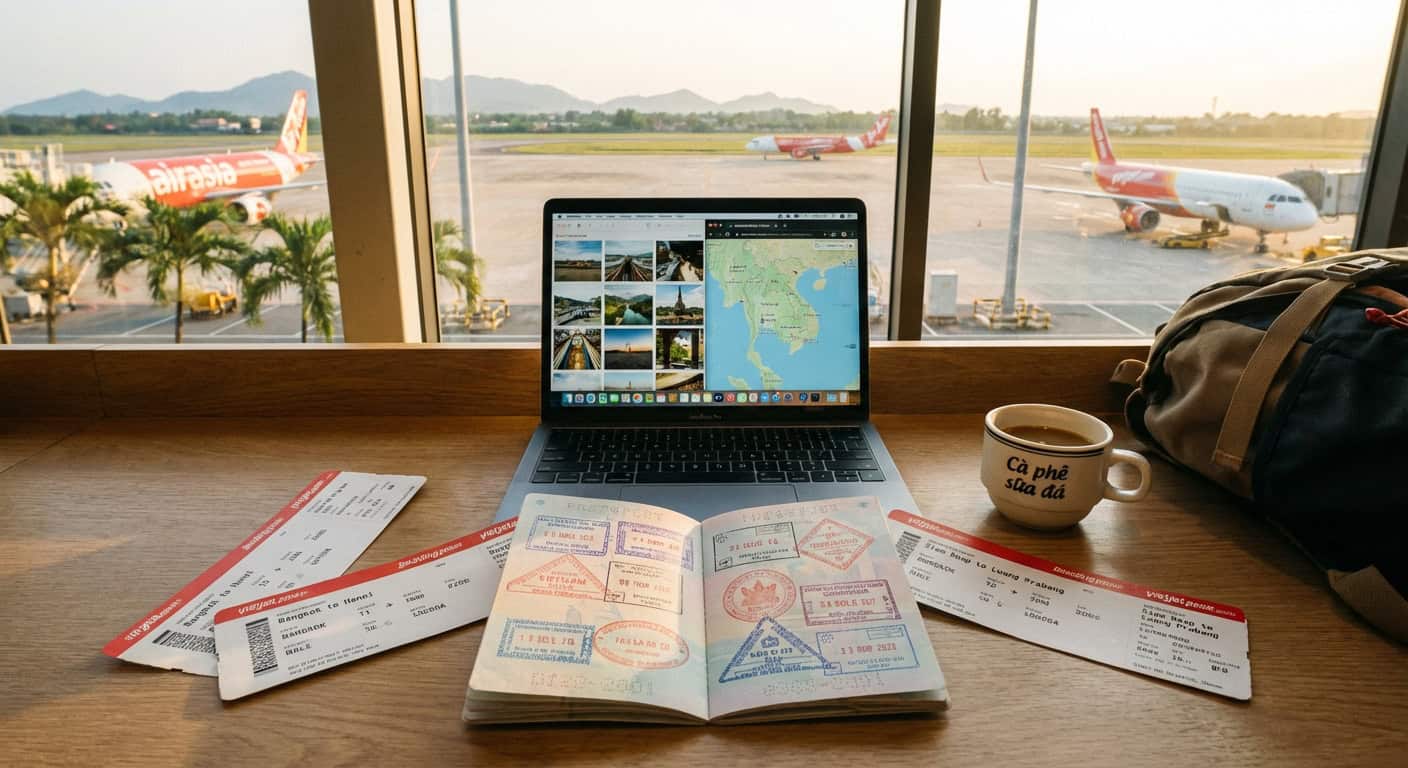
The SE Asia visa landscape has changed
Three years ago, the digital nomad visa situation in Southeast Asia was a mess. You had tourist visas, sketchy education visas, and a whole lot of “just don’t ask, don’t tell” grey area. Then Thailand launched the Destination Thailand Visa. Malaysia rolled out DE Rantau. Indonesia started tinkering with remote worker permits. Suddenly, governments across the region realized that the laptop-carrying crowd spending $2,000 a month in their economies might be worth keeping around.
I’ve spent the better part of four years bouncing between these countries, and I’ve personally dealt with the visa systems in Thailand, Vietnam, Indonesia, and Malaysia. Some of them are brilliant. Some of them will make you want to throw your passport into the Mekong. This guide breaks down every viable option for remote workers in 2026, based on what actually works, not what the tourism ministry websites promise.
If you’re just starting your digital nomad journey, consider this your visa bible for the region. And if you’re already an experienced nomad scouting your next base from the best cities for digital nomads, you’ll find the comparison table and country-by-country breakdowns useful for planning your next move.
The big picture: SE Asia visas in 2026
Here’s what’s changed: Southeast Asian governments are no longer ignoring digital nomads. They’re competing for them. Thailand’s DTV is the headline grabber, but Malaysia quietly built one of the best long-term residency options in the region. Cambodia remains the “no questions asked” backdoor. Vietnam still hasn’t created a dedicated nomad visa, but their 90-day e-visa keeps the door open. Indonesia continues to rely on a patchwork of visa agents and bureaucratic creativity.
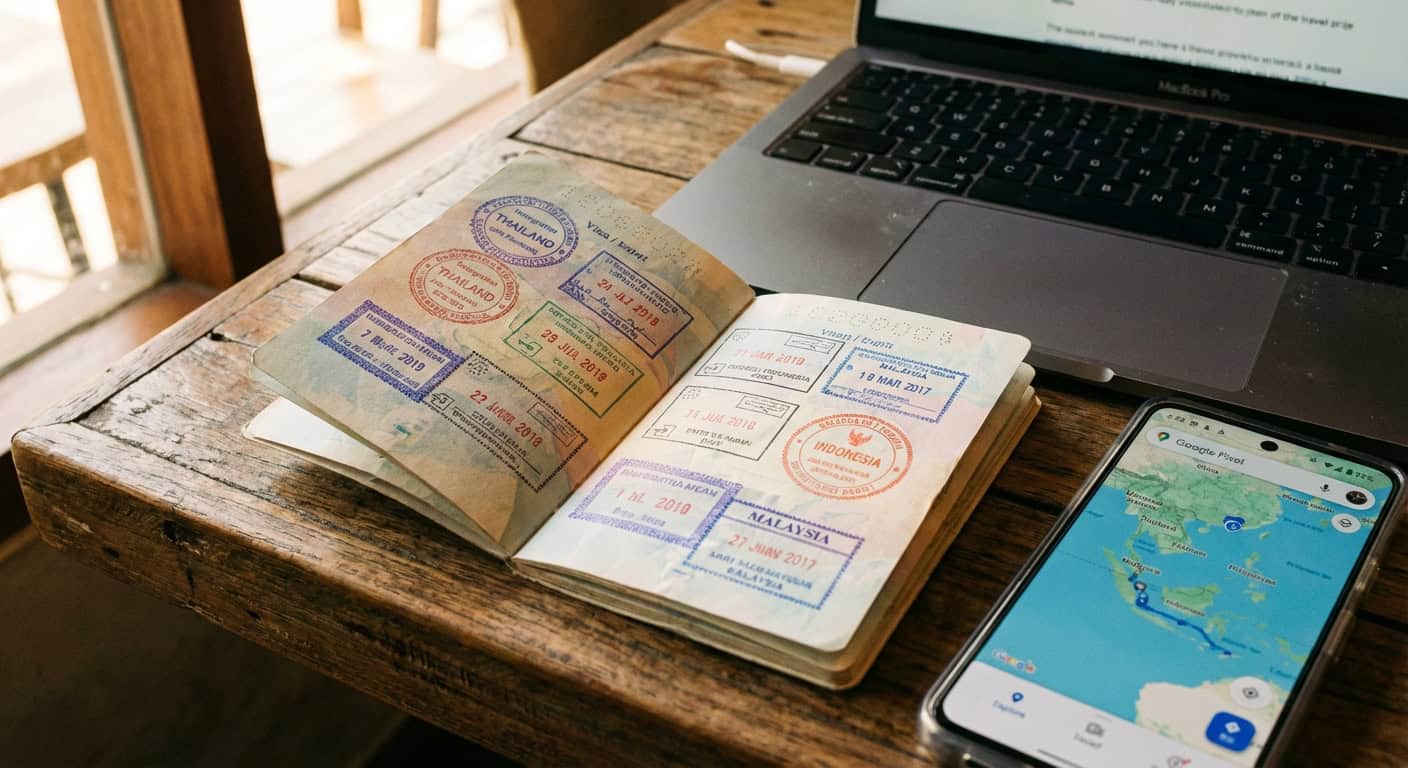
The fundamental tension across the entire region is the same: these countries want your spending money but haven’t fully figured out the legal framework for people who work remotely. Thailand came closest with the DTV. Malaysia came closest with proper residency rights. Everyone else is still improvising. That means the “right” country for you depends not just on cost and lifestyle, but on how much legal certainty you need and how comfortable you are operating in grey areas.
Let me walk you through each country, starting with the clear winner.
Thailand: the DTV game-changer
The Destination Thailand Visa changed everything. For roughly $300 USD, you get a 5-year multiple-entry visa with 180-day stays per entry. Read that again. Five years. Three hundred dollars. Before the DTV launched in mid-2024, your options in Thailand were either expensive (the Thailand Elite Visa at $25,000+), limited (60-day tourist exemptions with tedious extensions), or legally questionable (education visas for “Thai language classes” you never attended).
The DTV works on a simple cycle: enter Thailand, stay up to 180 days, leave the country, come back, and your 180-day clock resets. Most nomads settle into a rhythm of spending five to six months in Thailand, then hopping to Vietnam or Bali for a few weeks before returning. The visa requires proof of 500,000 THB (roughly $15,000 USD) in liquid savings and either an employment contract showing remote work is permitted or enrollment in a qualifying “Soft Power” program like Muay Thai or Thai cooking.
I’ve covered every detail of the application process, costs, tax implications, and practical tips in the complete Thailand DTV guide. If Thailand is on your radar, that’s your reading.
Bottom line: The DTV is the best digital nomad visa in Southeast Asia right now. It’s affordable, long-term, and backed by a country with excellent infrastructure for remote work, especially in Chiang Mai and Bangkok.
Vietnam: the 90-day rhythm
Vietnam doesn’t have a digital nomad visa. Let’s get that out of the way. What it has is a 90-day e-visa that costs about $25 USD, processes in days, and gives you three months to enjoy some of the cheapest and most exciting living in Southeast Asia. The catch is obvious: every 90 days, you leave.
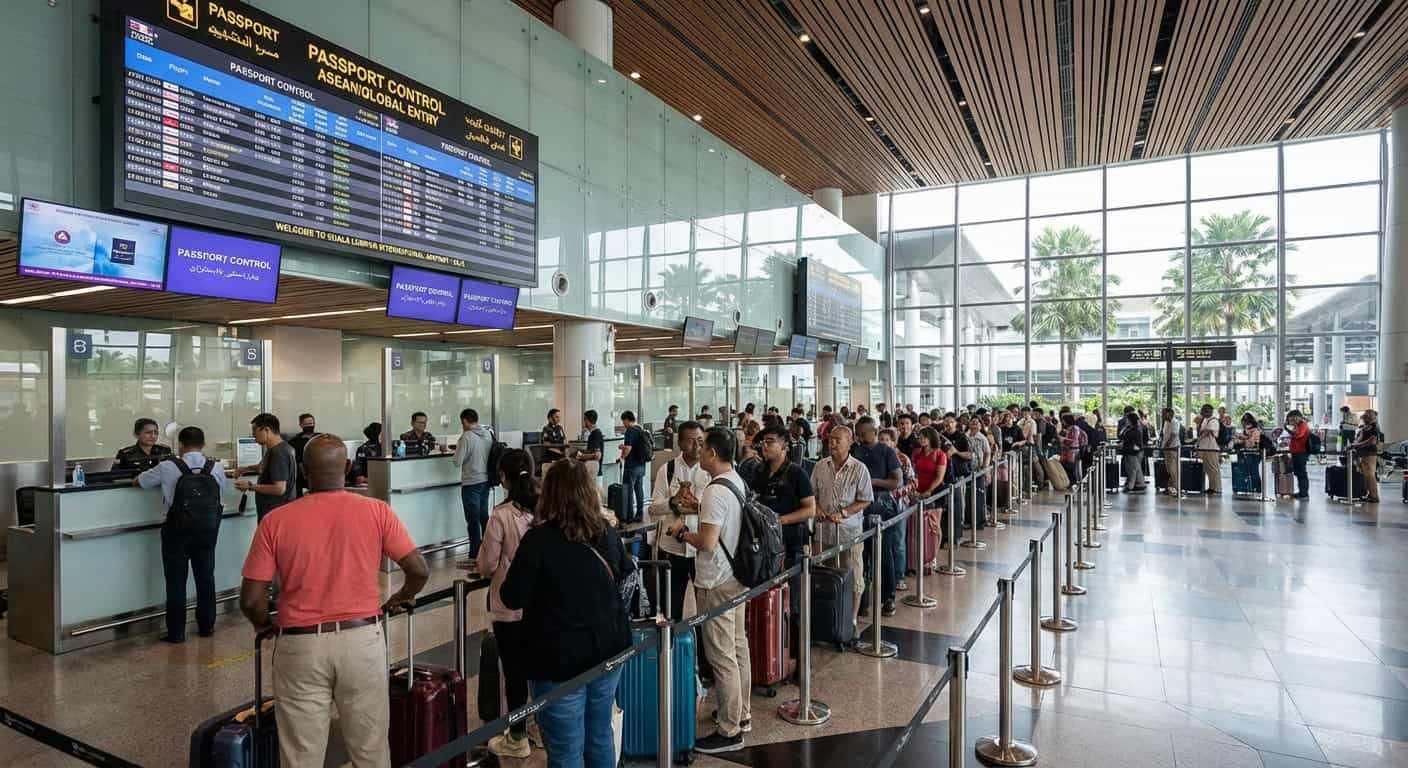
The nomad community in Vietnam has turned this into an art form. The most popular move from Da Nang is a quick flight to Bangkok or Kuala Lumpur, turning your mandatory visa run into a weekend getaway. From Hanoi or Ho Chi Minh City, you can do a land border crossing to Laos or Cambodia. Some people find the 90-day cycle energizing. Others find it exhausting after the third or fourth round.
Where Vietnam wins is cost of living. It’s 20 to 30 percent cheaper than Thailand across the board. A modern studio apartment in Da Nang runs about $350 a month. Street food lunches cost a dollar. You can live extremely well on $1,200 to $1,500 a month. The internet is fast, with fiber connections delivering 50 to 100+ Mbps in most apartments, though Vietnam’s undersea cables have a history of breaks that can slow international connections for weeks at a time.
The full breakdown of living and working in Vietnam’s best nomad city is in my Da Nang digital nomad guide. If you’re choosing between Thailand and Vietnam, it usually comes down to this: Thailand if you want visa stability, Vietnam if you want the lowest costs and don’t mind border runs.
For a deeper dive into Vietnam’s visa specifics, application process, and border run strategies, check out the Vietnam visa guide for digital nomads.
Indonesia and Bali: multiple paths in
Bali is the world’s most famous digital nomad destination, and Indonesia’s visa system reflects the country’s complicated relationship with that reality. There are multiple ways in, and choosing wrong can cost you serious money.
The B211A visa is what most savvy nomads use. It gives you 60 days initially, extendable twice for a total of 180 days. The cost is $200 to $300 through an agent, and yes, you basically need an agent. Indonesia’s visa system is not DIY-friendly. The B211A is technically a “business visit” visa, but the nomad community has been using it for years, and agents handle the entire process from application to extensions.
Then there’s the E33G Remote Worker Visa, which Indonesia launched with great fanfare and which the nomad community largely rejected. It costs over $1,000 through an agency, immediately makes you an Indonesian tax resident, and doesn’t even lead to permanent residency. The Reddit consensus is brutal: “You’re paying $1,000+ for a 1-year visa that doesn’t even lead to permanent residency.” Stick with the B211A.
The Second Home Visa requires roughly $130,000 deposited in an Indonesian bank. Unless you’re planning to retire in Ubud, ignore this entirely.
I’ve written a complete guide to navigating Bali’s visa options with agent recommendations, extension timelines, and the tax implications you need to know about.
Malaysia: the DE Rantau dark horse
Malaysia’s DE Rantau (Digital Economy Pass) is the most underrated nomad visa in Southeast Asia, and also the most frustrating to obtain. On paper, it’s perfect: a 1-year renewable pass that gives you proper resident status. That means you can open bank accounts, sign leases at local rates, and work legally. No other country in the region offers that level of integration for remote workers.
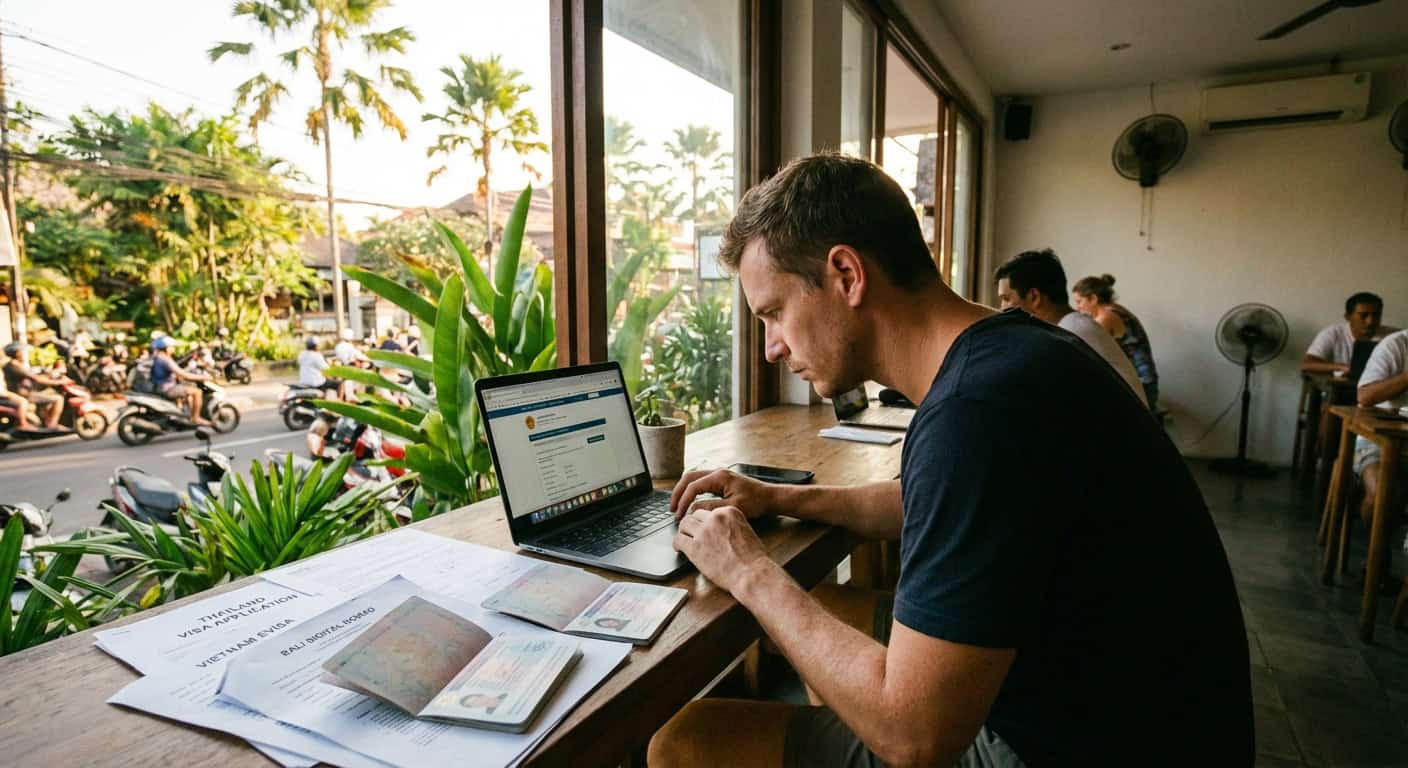
The catch is the application process. Malaysia officially says it takes four weeks. The reality, according to dozens of applicants I’ve spoken with and countless Reddit threads, is three to five months. You’ll submit your documents, hear nothing for weeks, get a request for “additional documents,” submit those, hear nothing again, and eventually receive approval when you’ve almost forgotten you applied. One person put it perfectly: “It took me 4.5 months. They kept asking for ‘more documents’ one by one with weeks of silence in between.”
The income requirement is $24,000 USD per year, proven through three months of bank statements that match invoices exactly. They don’t care about savings. They want to see steady inbound income. Tech workers (developers, IT professionals) reportedly get approved faster than other categories.
If you have the patience and meet the income threshold, DE Rantau is genuinely excellent for long-term living in Kuala Lumpur. The city has fast internet, incredible food, modern infrastructure, and a cost of living that undercuts Singapore by 60 percent. It’s just getting through the door that tests your resolve.
Cambodia, Laos, and the Philippines
Cambodia is the “no questions asked” option. Get an ordinary visa on arrival, then extend it to a 6 or 12-month business visa through an agent. No income proof. No bank balance requirement. Just pay the fee (around $300 to $350 per year for the visa plus work permit bundle). Phnom Penh has a growing nomad scene with adequate internet, and agents handle everything. Cambodia has tightened up slightly by now requiring a work permit for renewals, but agents take care of that too. If you can’t qualify for anything else, Cambodia will take you.
Laos is primarily a transit country for nomads doing border runs from Thailand or Vietnam. The visa options are limited and the internet infrastructure isn’t reliable enough for full-time remote work. Beautiful country, but not a practical base.
The Philippines has the easiest bureaucracy of any country on this list. You can extend a tourist visa for up to three years without ever leaving the country. Just walk into an immigration office, pay the fee, and get two to six more months. The problem is internet reliability. Outside of Bonifacio Global City in Manila and IT Park in Cebu, connections are spotty and power outages are common. If you have flexible hours and don’t need 100 percent uptime, the Philippines is incredibly affordable and welcoming. If you’re on client calls five days a week, it’s a gamble.
Country comparison: the decision table
I’ve boiled down the key factors into a single table. Bookmark this.
| Factor | Thailand | Vietnam | Indonesia | Malaysia | Cambodia | Philippines |
|---|---|---|---|---|---|---|
| Best Visa | DTV (5-year) | 90-day E-visa | B211A (180 days) | DE Rantau (1-year) | Business Visa (1-year) | Tourist (up to 3 years) |
| Cost | ~$300 USD | ~$25 USD | ~$200-300 USD | Free (hub fee applies) | ~$300-350 USD/year | ~$50 USD/extension |
| Income/Savings Required | 500k THB savings (~$15k) | None | None | $24k/year income | None | None |
| Processing Time | 5-10 days | Near-instant | Agent-dependent | 3-5 months (real) | Agent-dependent | Walk-in |
| Banking Access | Difficult | Very difficult | Agent-assisted | Easy (resident status) | Agent-assisted | Difficult |
| Internet Quality | Excellent | Fast but cable-dependent | Good in Bali | Excellent | Adequate | Unreliable outside metros |
| Work Legality | Grey area (DTV) | Grey area | Grey area (B211A) | Fully legal | Semi-legal (WP available) | Grey area |
| Top Nomad City | Chiang Mai / Bangkok | Da Nang | Canggu / Ubud | Kuala Lumpur | Phnom Penh | Manila (BGC) |
The visa run reality
No matter which country you choose, unless you’re on Malaysia’s DE Rantau, you’re going to deal with visa runs at some point. A visa run is exactly what it sounds like: leaving a country and re-entering to reset your visa clock. It’s a fundamental part of the nomad lifestyle in Southeast Asia, and how you handle it can mean the difference between a minor adventure and a major headache.
Thailand’s DTV holders need to exit every 180 days. Vietnam’s e-visa holders leave every 90. Bali’s B211A crowd exits every 60 days unless they extend. Cambodia and Philippines holders can stay longer, but most people leave periodically anyway. The routes are well-worn: Bangkok to Kuala Lumpur, Da Nang to Bangkok, Bali to Singapore or Kuala Lumpur, Chiang Mai to Vientiane.
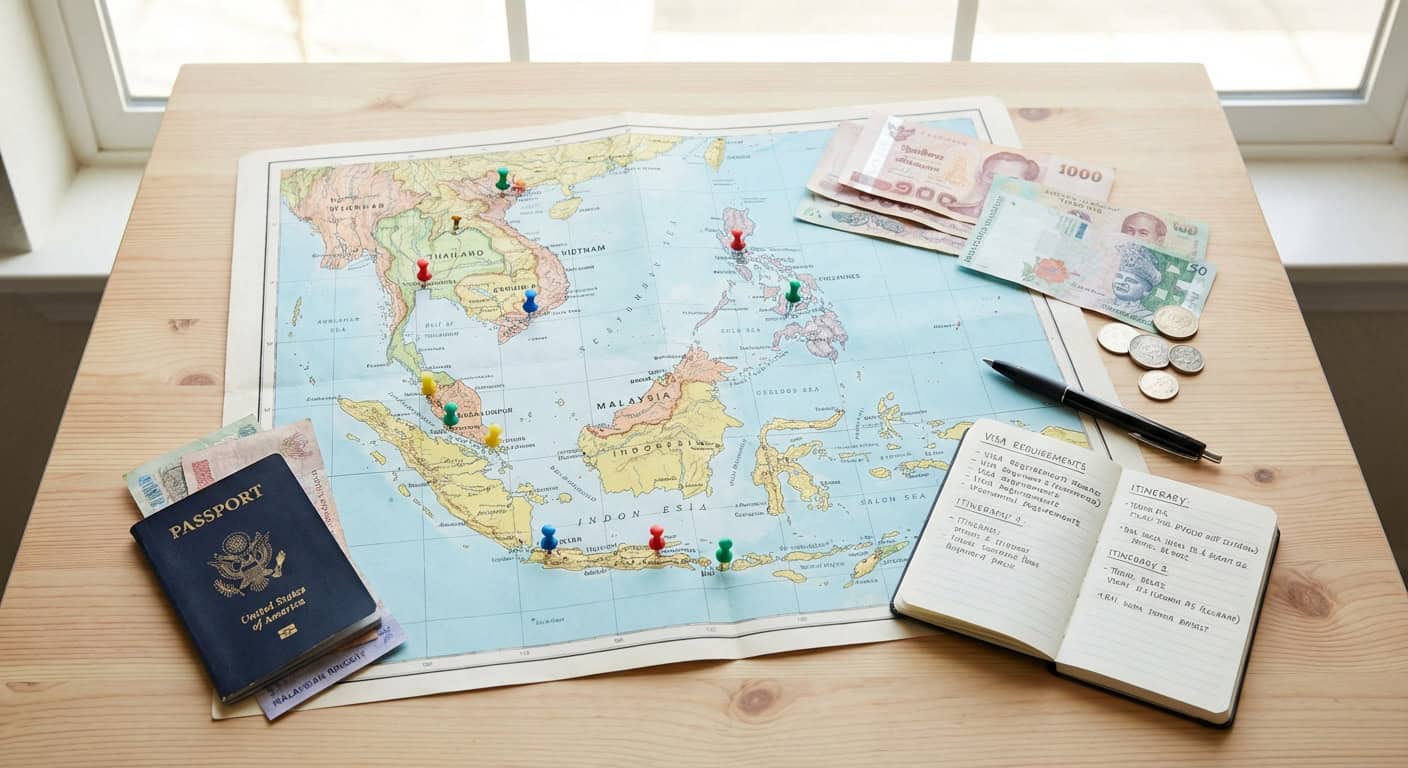
The experienced nomads turn visa runs into opportunities. Your Thailand exit becomes a week in Da Nang. Your Vietnam border run becomes a Bangkok food crawl. Your Bali visa reset becomes a Singapore shopping trip. The worst approach is treating it as a chore. The best approach is building it into your travel calendar as a feature, not a bug.
I’ve written a detailed guide to visa runs and border crossings in Southeast Asia covering the most popular routes, costs, timing, and what to expect at each border. If you’re new to this, read it before your first run.
Choosing your base: the decision framework
With six countries and a dozen viable cities, picking your base can feel paralyzing. Here’s how I’d frame the decision.
If visa stability is your top priority: Thailand’s DTV. Five years of certainty for $300. Hard to beat. Settle in Chiang Mai for the mountain culture or Bangkok for the big-city energy.
If you need full legal status: Malaysia’s DE Rantau. The only option that gives you proper resident rights, banking, and legal work authorization. Worth the painful wait if you’re planning to stay one-plus years.
If cost is everything: Vietnam. The cheapest quality of life in the region, hands down. Accept the 90-day rhythm and enjoy spending half of what you would in Thailand.
If you want the lifestyle: Bali. The yoga, the rice paddies, the sunsets, the community. The visa situation is more involved, but agents handle everything. Budget for their fees and don’t stress.
If you can’t qualify for anything else: Cambodia. No income requirements, no savings proof. Just show up and pay. Phnom Penh is grittier than the other options but has its own charm.
If you want maximum flexibility: Philippines. Extend your tourist visa for up to three years without leaving. Just make sure your internet situation is solid before committing.
Many experienced nomads don’t choose one country. They build a rotation. Thailand for five months, Vietnam for three, Bali for two, with visa runs doubling as travel breaks. If you’re backpacking through Southeast Asia and testing different bases, that rotation approach lets you find your ideal spot without committing too early.
Whatever you choose, staying productive while traveling comes down to having a reliable routine, not just a reliable visa. The countries on this list all work for remote professionals. The question is which lifestyle fits yours.
Common pitfalls to avoid
After years of watching nomads stumble through the same mistakes, here are the traps to sidestep.
Tax residency blindness. Stay 180+ days in Thailand or 183+ days in Indonesia in a calendar year and you’re technically a tax resident. Malaysia’s DE Rantau makes you a tax resident immediately. Most nomads manage this by timing their stays carefully, but ignoring it entirely is risky. Consult a tax professional if you’re earning serious money.
Overpaying for visas. Indonesia’s E33G remote worker visa costs over $1,000 and gives you less flexibility than a $200 B211A. Thailand’s Elite Visa costs $25,000 for something the $300 DTV handles just as well. Always check what the nomad community actually recommends versus what governments market.
Ignoring banking realities. You will struggle to open a bank account in Thailand, Vietnam, and Indonesia without either a proper work permit or agent assistance. Plan your finances accordingly. Wise and Revolut work throughout the region, and many nomads rely on international cards entirely.
Choosing the wrong embassy. For Thailand’s DTV, applying through the e-visa portal from your home country or from embassies in Ho Chi Minh City or Jakarta tends to be faster and easier than embassies in neighboring countries like Laos. Embassy choice matters more than you’d think.
Burning season in Chiang Mai. If Chiang Mai is your target, avoid February through April. The air quality during burning season is genuinely hazardous. This is when the smart nomads rotate south to the coast or to another country entirely.
Safety and travel security fundamentals remain important regardless of your visa status. Being on a valid visa doesn’t protect you from scams, motorbike accidents, or the other standard risks of living abroad. Stay aware, stay insured, and stay connected.
Continue your journey
This guide covers the big picture. For the details that matter when you’re actually on the ground, dive into the country-specific guides:
- Thailand DTV: The Complete Guide — everything you need to apply for and live on the Destination Thailand Visa
- Vietnam Visa Guide for Digital Nomads — navigating the 90-day e-visa, border runs, and living legally in Vietnam
- Bali and Indonesia Visa Guide — B211A vs E33G, agent recommendations, and the Bali nomad visa playbook
- Visa Runs and Border Crossings in SE Asia — the practical guide to every major route, with costs, timing, and tips
- The Digital Nomad Guide to the Philippines — visa strategies and city guides for Manila and Cebu
For city-specific guides to the best nomad bases in the region, start with Da Nang and Chiang Mai, two cities that consistently rank among the best in the world for remote workers.
Your next move
Southeast Asia isn’t just a destination for digital nomads. It’s an ecosystem. The visa options are better than they’ve ever been, costs remain a fraction of Western cities, the infrastructure keeps improving, and the nomad communities in every major city are thriving. Whether you’re planning your first three-month test run or your fifth year of rotating between countries, the information is all here.
The hardest part isn’t figuring out the visa. It’s booking the flight. If you’re looking for travel companions or want to connect with nomads who’ve already figured out the logistics, check out HitchHive. Some of the best visa advice I’ve ever gotten came from random conversations with people who’d already made every mistake worth making. The shared experience of figuring out a new country together is what turns a solo adventure into something you’ll actually remember.
Now go pick your country, sort your visa, and make your budget work. The rest figures itself out.
Leave a Reply