
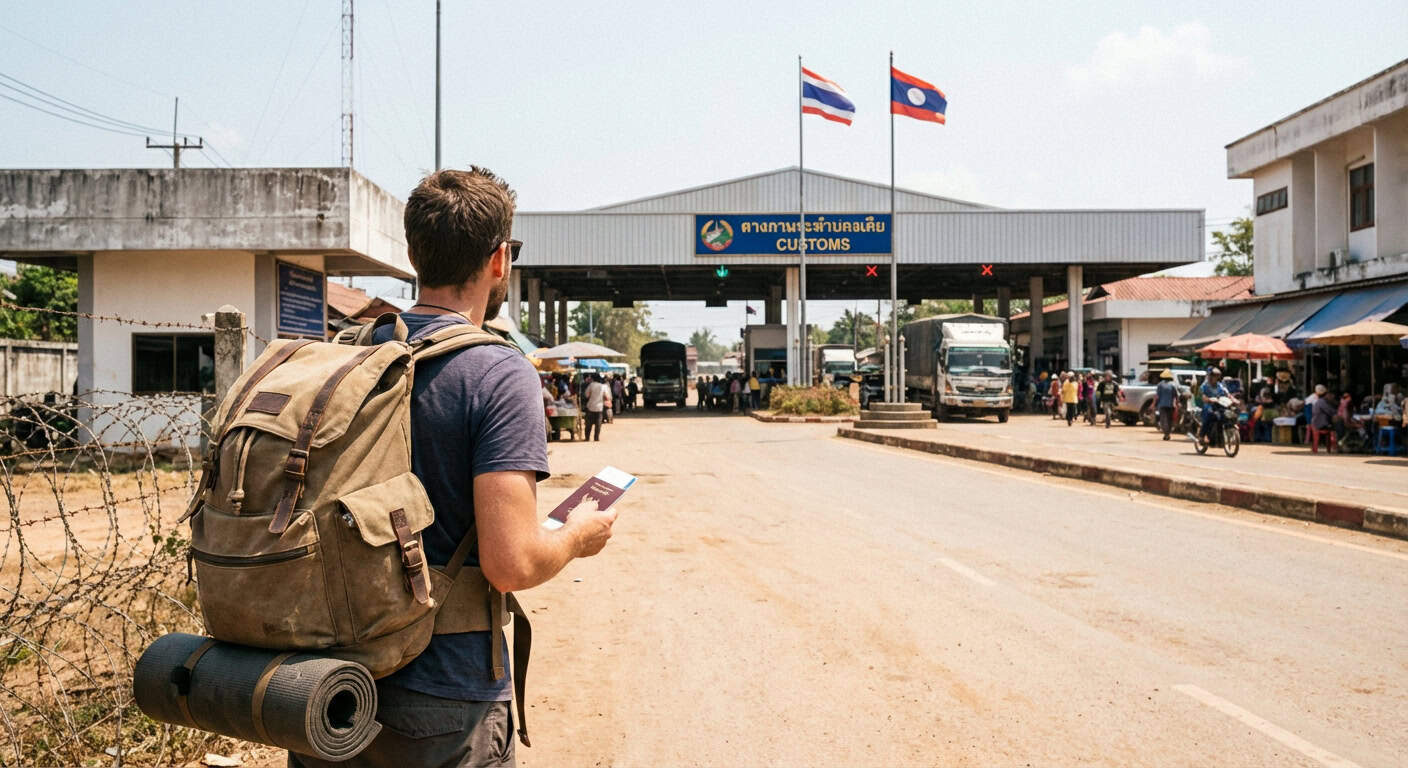
Every digital nomad in Southeast Asia eventually faces the same ritual: the visa run. You’ve found your groove. The apartment is dialed in, the cafe rotation is locked, your wifi speeds are screenshotted and bragged about. Then your phone buzzes with a calendar reminder — “VISA EXPIRES IN 7 DAYS” — and suddenly you’re comparison-shopping bus tickets to a border town you can’t pronounce.
I’ve done more visa runs than I care to admit. Cramped minibuses to Lao Bao, red-eye flights to Kuala Lumpur, a sweaty morning at Poi Pet where a Cambodian officer demanded “coffee money” with a smile that said this wasn’t optional. After three years of bouncing between Thailand, Vietnam, and Indonesia, I’ve turned what used to be a stressful chore into a system. Sometimes even an adventure. This is everything I’ve learned, and everything I wish someone had told me before my first run.
If you’re still figuring out visas across the region, start with our complete Southeast Asia visa guide for digital nomads. This article picks up where that one leaves off: the actual mechanics of crossing borders when your time runs out.
What exactly is a visa run?
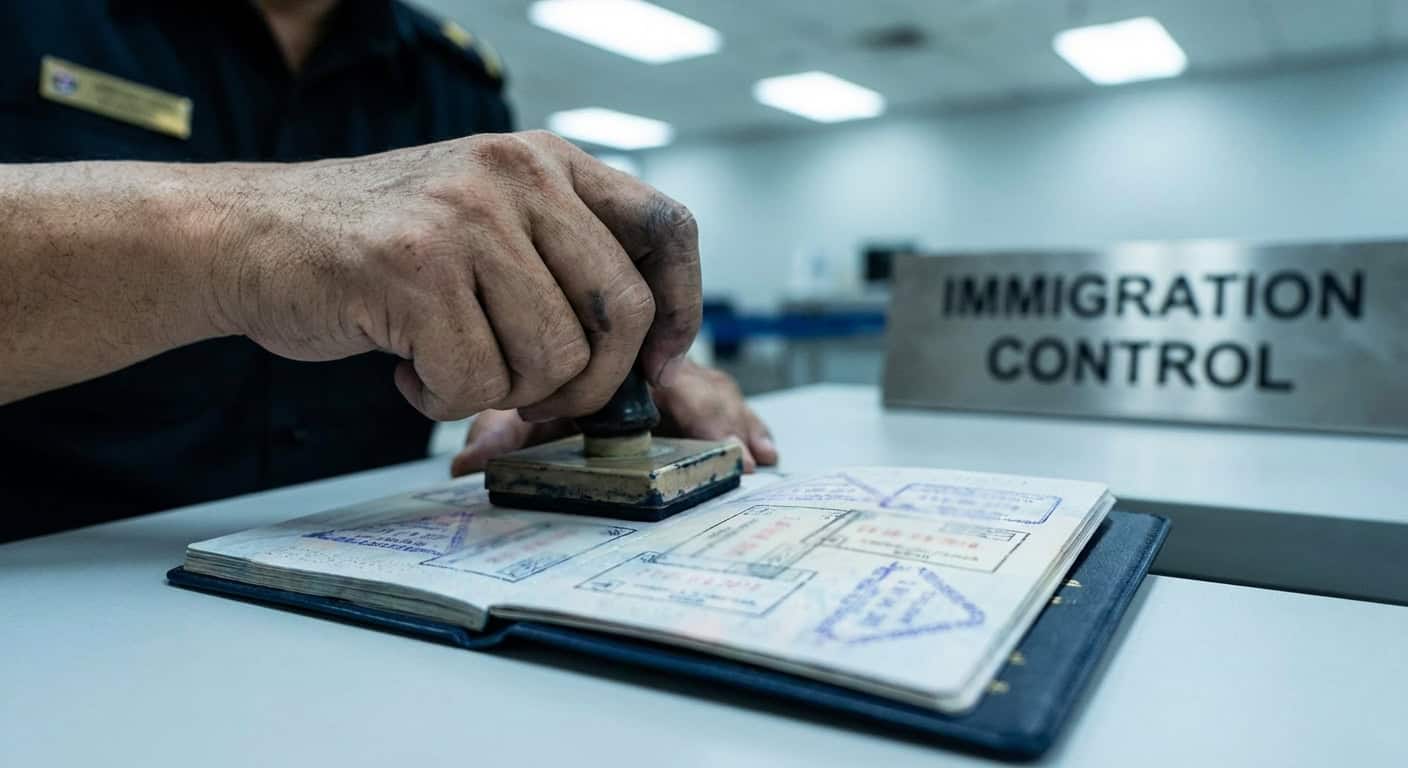
For the uninitiated: a visa run is when you leave a country and re-enter to reset your visa clock. Southeast Asian countries generally offer tourist visas or visa exemptions lasting 30 to 90 days. When that time expires, you need to either apply for a different visa, leave permanently, or step across a border and come back for a fresh stamp.
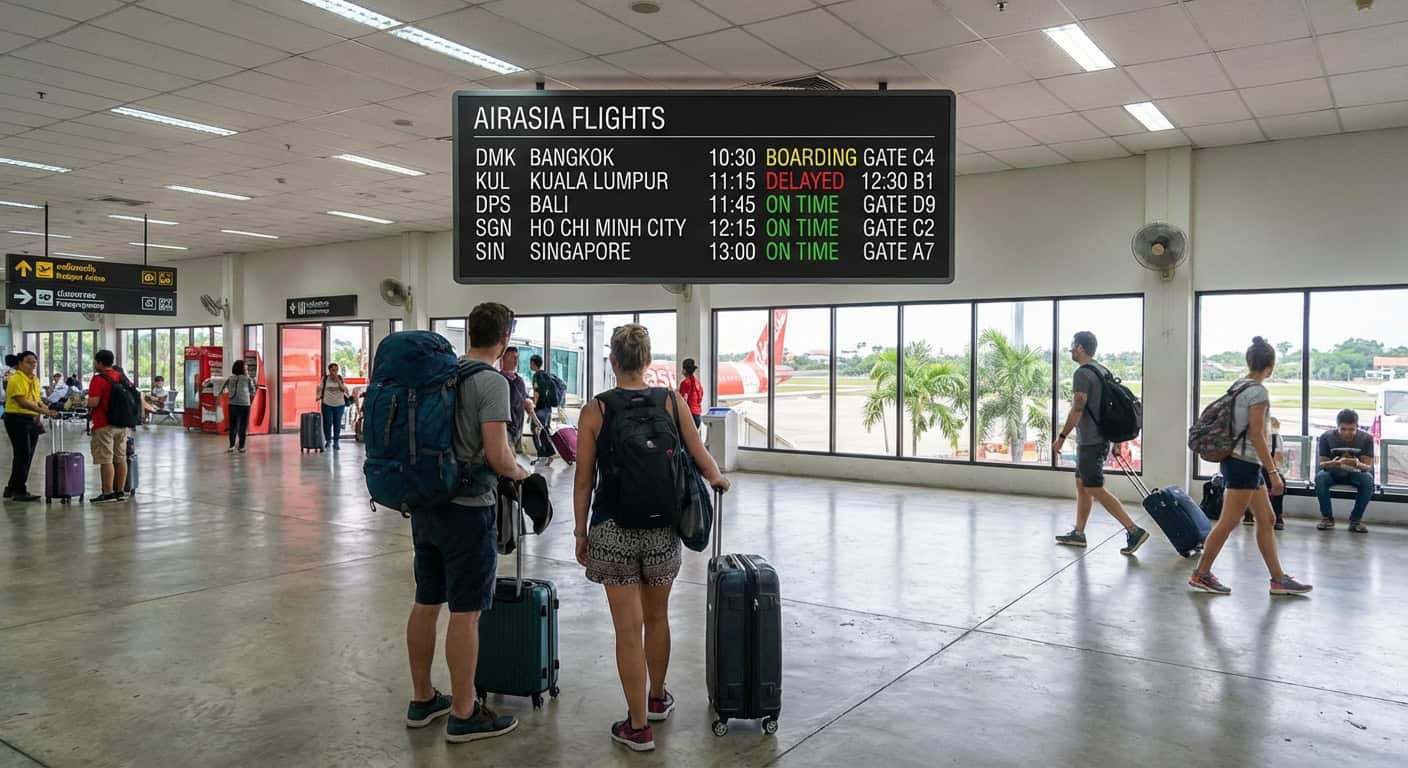
It sounds absurd when you describe it to people back home. “So you take a bus to another country for a few hours just to get a stamp?” Yes. That’s exactly what thousands of remote workers do every month across the region. It’s an imperfect system, but until countries like Thailand and Vietnam roll out proper long-term digital nomad visas (and they’re getting there, slowly) the visa run remains a fact of life.
The good news: once you’ve done it a couple of times, it becomes routine. And if you’re strategic about it, you can turn border trips into genuine mini-adventures that break up your routine in the best way. If you’re new to the digital nomad lifestyle, consider the visa run a rite of passage.
Thailand visa runs: the two-entry trap
Thailand is where visa runs get complicated. The country has cracked down hard on “visa hoppers” over the past couple of years, and the rules are tighter than anywhere else in the region. The single most important thing to know: you are limited to two land border entries per calendar year on visa exemption. This is hard-coded into the immigration system. It resets on January 1st. Try a third land entry and you will be denied. Full stop.
This means you need to plan your two land entries strategically. Many nomads based in Chiang Mai or Bangkok use one in the first half of the year and save the second for later. After you’ve burned both, you must fly in. Air entries don’t have the same hard limit, but immigration officers still have discretion to deny entry if your passport looks like a stamp collection.
The Bangkok-to-Cambodia route (Poi Pet)
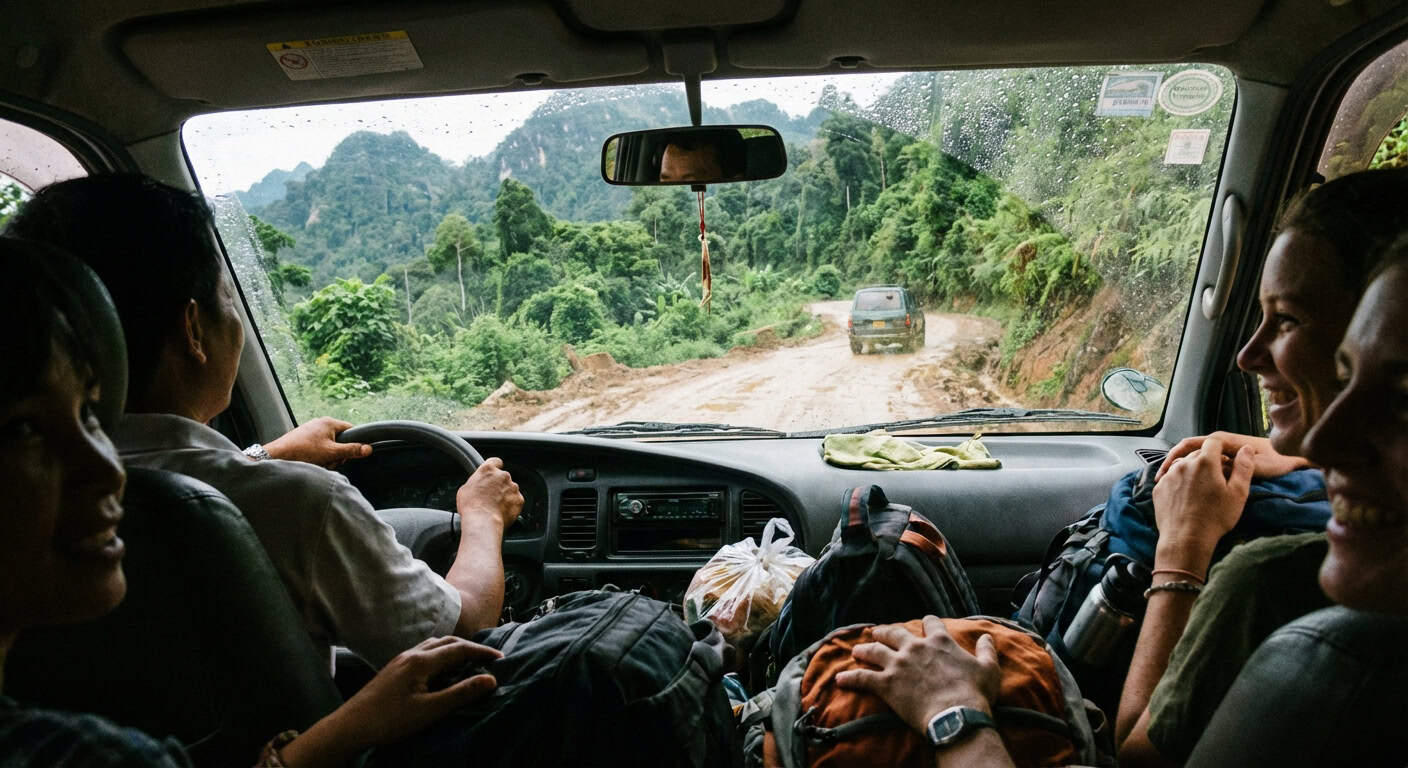
This is the most popular visa run route in Thailand, and also the most notorious. The Poi Pet border crossing between Thailand and Cambodia has a well-earned reputation for chaos, scams, and corruption. Before you even reach the actual immigration gate, you’ll walk past fake “consulate” buildings designed to trick you into paying inflated visa fees. Ignore all of them.
My honest advice: use an agency for Poi Pet. Bangkok Buddy, Thai Visa Centre, and Friendly Thai Visa all run regular border run services for 3,000 to 5,000 THB. They handle the logistics, know the officers, and insulate you from the worst of the scam gauntlet. Going DIY is possible but stressful, especially if you have multiple stamps in your passport. The agency fee buys you peace of mind and a seat on an air-conditioned van. Worth every baht.
If you do go independently, get your Cambodian e-visa online beforehand to skip the scam-filled visa line at the border. Pay the $30 USD Cambodia visa fee in actual US dollars, because the Thai Baht exchange rate they offer at the crossing is highway robbery. And carry 20,000 THB in cash as proof of funds. The official rule says 20,000, even though some agencies claim 10,000 is enough. Don’t gamble on it.
Chiang Khong to Huay Xai (Laos)
This used to be the go-to run from Chiang Mai and Chiang Rai: a straightforward same-day border bounce into Laos and back. Those days are over. The Thai immigration office at Huay Xai now requires a mandatory two-night stay in Laos before they’ll let you re-enter. Same-day turnarounds are being actively blocked. Some van agents can occasionally work around this, but if you’re going DIY, budget three full days.
The upside: Luang Prabang is gorgeous, and two forced nights in Laos isn’t exactly punishment. Turn it into a mini-trip. But if time is tight, this route no longer makes sense for a quick reset.
Southern Thailand to Malaysia (Satun / Sadao)
If you’re based in Phuket or Krabi, the Malaysia border is your closest option. The Satun crossing is quieter and friendlier than the Cambodian borders, with no scam gauntlet, no bribe demands, just a relatively straightforward stamp-out, stamp-in process. Van services from Phuket to Satun run $30 to $60. Sadao is busier but also works.
Same-day border bounces at the Malaysia crossing are still technically legal but limited to your two annual land entries. Don’t waste one on a casual bounce if you might need it later. If you’re spending serious time in Thailand, our Thailand DTV visa guide covers the longer-term options that can eliminate visa runs entirely.
Vietnam visa runs: the $2 bus to freedom
Vietnam is more forgiving than Thailand when it comes to consecutive tourist entries. There’s no hard-coded limit on how many times you can re-enter, though immigration officers at busy crossings like Moc Bai are starting to scrutinize people with long chains of back-to-back tourist stamps. The key is the 90-day e-visa: apply online, get it within 3 to 5 business days, and you’re set for another three months.
Critical detail that trips up newcomers: you must specify your entry port on the e-visa application, and you cannot change it afterward. If you select “airport,” you can’t use a land border, and vice versa. Choose wrong and your visa is useless. Also, print your e-visa. Hard copy, on paper. Immigration officers at Vietnamese land borders regularly reject digital copies on phone screens. I’ve seen people turned away for this. Don’t be that person.
Ho Chi Minh City to Moc Bai (Cambodia)
The cheapest visa run in all of Southeast Asia. Take public Bus #703 from Ben Thanh Market in HCMC to the Moc Bai border crossing. Cost: roughly 40,000 VND. That’s about $1.75. The whole trip takes 3 to 4 hours each way, and you can do the round trip in a single day.
The border itself is functional but expect “coffee money” demands of $2 to $10 from officials on both sides. This is just how Moc Bai works. You can try to refuse, but experienced nomads recommend just paying the $2 to $5 and moving on, because fighting it leads to hours sitting on a plastic chair while officers “process” your paperwork at glacial speed. If the DIY approach makes you nervous, agents like Emily Visa in HCMC handle Moc Bai runs regularly.
For a more comfortable ride, Giant Ibis and Kumho Samco run premium buses for $10 to $15. Giant Ibis in particular is reputable and doesn’t make random scam stops along the way. If you want a deeper dive on Vietnam’s visa system, our Vietnam visa guide covers everything from e-visa applications to long-stay strategies.
Da Nang to Lao Bao (Laos)
If you’re based in Da Nang, Lao Bao is your closest land border option. It’s a long haul, about 4 to 6 hours each way through winding mountain roads. The local sleeper buses have been described by fellow nomads as “cramped, hot, and borderline dangerous on the mountain curves.” I’d recommend going with a visa run service instead.
Lynn Visa is the gold standard for Da Nang-to-Lao Bao runs. They’re well-known in the expat community, run regular trips, and handle all the border logistics. Cost is around $30 to $50 for the service. On the Laos side, expect a “stamp fee” of $2 to $5 that isn’t technically official but is universally demanded. Just pay it. And make sure any US dollar bills you carry are pristine, because the Laos border officers will reject torn or marked bills for visa fees.
Apply for your new Vietnam e-visa about 5 to 7 days before your run. Too early and it may look suspicious to the system; too late and you risk delays in processing. The sweet spot is one week out.
Bali visa runs: the KL express
Indonesia is a different beast from the mainland countries. There are no land borders to casually walk across, so every visa run involves a flight. This makes Bali runs more expensive but also more predictable, with no sketchy border crossings, no bribe demands, just airports.
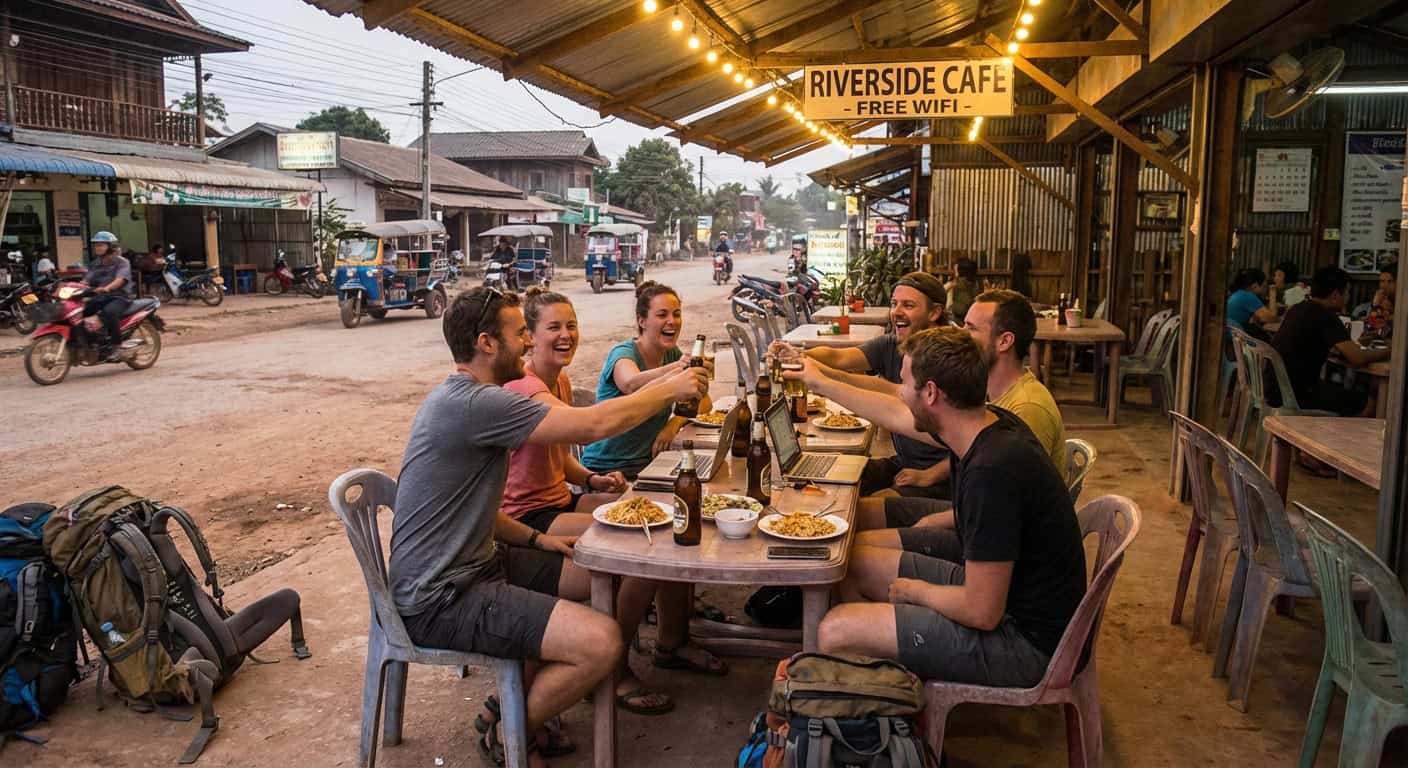
The near-universal recommendation from the Bali nomad community: fly to Kuala Lumpur. AirAsia runs cheap direct flights from Bali to KL, often $50 to $150 roundtrip if you book a couple of weeks ahead. KL has affordable accommodation, incredible hawker food, and enough to do for a 2 to 3 day trip. Take the KLIA Ekspres train from the airport to the city center and enjoy a mini-break.
Singapore is the other common option, and while flights can be similarly cheap, the city itself will eat your budget alive. More importantly, Changi Airport immigration is extremely efficient at spotting visa runners. There are regular reports of people being pulled into secondary screening, questioned for hours, and occasionally denied entry entirely. Singapore immigration takes a dim view of people treating their country as a visa run stopover. Malaysia is far more relaxed.
The golden rule for Bali visa runs: never do a same-day turnaround. Stay at least 2 to 3 days abroad. Indonesia immigration flags same-day returns, and getting a “black mark” on your record can mean problems on future entries. Treat it as a forced vacation, not an inconvenience.
That said, many experienced Bali nomads skip visa runs entirely by getting a B211A visa through an onshore agent. This social/tourist visa allows stays of up to 6 months with extensions, and it’s often cheaper and less stressful than repeated flights to KL. If you’re planning to stay in Bali long-term, check out our Bali visa guide for digital nomads for the full breakdown on B211A and other options.
The budget breakdown: what visa runs actually cost
Let’s talk numbers, because the cost difference between routes is massive. Here’s what you’re actually looking at per run:
Budget land border (Vietnam/Moc Bai): $10 to $30 total. Bus fare plus bribes plus maybe lunch at the border. This is the cheapest visa reset in Southeast Asia, and it’s not even close.
Mid-range land border (Thailand to Cambodia via agency): $85 to $150 total. Agency fee covers transport and handling. Add food and maybe a night in Siem Reap if you want to make it a trip.
Budget flight run (any country to KL): $100 to $200 total. Roundtrip flight plus 1 to 2 nights in a budget hotel plus hawker stall meals. KL consistently wins as the cheapest flight-based visa run destination from anywhere in the region.
Mid-range flight run (Bali to Singapore): $200 to $400 total. The flight might be cheap but Singapore accommodation and food will double your costs overnight.
The verdict from every nomad I’ve talked to: if you’re on a strict budget, take the bus. If you value your time and sanity, fly to KL. Singapore is only worth it if you genuinely want to visit, so never go just for the stamp. For more ways to stretch your travel budget, our budget travel hacks guide has a bunch of strategies that apply directly to visa run trips.
Pro tips from the trenches
After dozens of border crossings and more than a few close calls, here’s the hard-won advice that will save you money, time, and stress.
Dress like you’re going to a business casual lunch. This sounds ridiculous, but it matters enormously. Immigration officers profile travelers on sight. Show up in a collared shirt and long pants, and you’ll breeze through. Show up in flip-flops, a tank top, and a Chang Beer singlet, and you’re getting extra questions. One Reddit user put it perfectly: “Dress like a golfer.” It’s cynical but it works.
Print everything. E-visas, flight confirmations, hotel bookings, onward tickets. Don’t rely on your phone screen. Border officers across the region regularly reject digital documents, and some will charge you a “printing fee” to use their printer. Carry a paper folder with hard copies of everything.
Always have a confirmed onward ticket. Both airlines and immigration check this. If you don’t have a real flight out of the country within 30 to 60 days, you risk being denied boarding or denied entry. There are services that generate “dummy tickets” for this purpose, but a real booking is always safer. Book a flexible or refundable fare if you’re uncertain about dates.
Arrive early. Border crossing offices have limited hours and the lines can be brutal by midday. Morning crossings are less chaotic, officers are in better moods, and you’ll beat the tour groups. I aim to hit any land border before 9 AM.
Count your stamps. Before any Thailand visa run, sit down and count your land entry stamps for the current calendar year. Two is the maximum. If you’ve already used both, you must fly. Getting to the border and being turned away is an expensive mistake. Keeping track of this is part of the broader game of staying safe and prepared while living abroad.
Use Google Flights Explore. When you need a flight-based visa run, don’t just default to KL or Bangkok. Open Google Flights, set your origin, leave the destination blank, and let the “Explore” map show you the cheapest options. Sometimes a random flight to Phnom Penh or Taipei is cheaper than the usual routes. VietJet, AirAsia, and Scoot are your best budget carriers across the region.
When visa runs become mini-adventures
Here’s the mindset shift that changed everything for me: stop seeing visa runs as a chore and start seeing them as forced spontaneity. You have to leave the country anyway. Why not make it count?
Some of my best travel memories started as visa obligations. A Moc Bai run turned into a weekend in Phnom Penh where I stumbled into the best rooftop bar I’ve ever been to. A KL visa run from Bali became four days of eating my way through Jalan Alor and discovering that Malaysian laksa might be the world’s most underrated dish. A forced two-night stay in Laos after the Huay Xai rule change led me to Luang Prabang, which I’d been meaning to visit for years but never would have prioritized.
The trick is to book an extra day or two beyond the minimum. A visa run that’s just airports and immigration lines is soul-crushing. A visa run that includes a night market dinner, a morning temple visit, and a conversation with a stranger at a hostel bar? That’s just travel. That’s why most of us are out here in the first place. If you’re traveling solo, visa run trips are also a great opportunity to meet other nomads doing the same circuit, because there’s instant camaraderie in the shared absurdity of it all.
The nomads who thrive long-term in Southeast Asia aren’t the ones who avoid visa runs. They’re the ones who’ve woven them into their lifestyle. Budget for them, schedule them, and treat them as the built-in travel breaks they can be. You’ll be a better traveler for it.
Continue your journey
If you’re working through visa options across Southeast Asia, these guides have everything you need:
- Southeast Asia Visa Guide for Digital Nomads — the complete overview of tourist visas, long-stay options, and entry requirements across every major country
- Thailand Digital Nomad Visa (DTV) Guide — how to get Thailand’s new long-term visa and stop doing visa runs entirely
- Vietnam Visa Guide for Digital Nomads — e-visas, extensions, and strategies for staying long-term in Vietnam
- Bali Digital Nomad Visa and Indonesia Entry Guide — B211A visas, visa-on-arrival, and the best ways to stay legally in Bali
- Backpacking Southeast Asia: The Complete Guide — routes, budgets, and planning tips for exploring the region
Find your visa run buddy
Visa runs are better with company. Having someone to split a taxi with, watch your bags at the border, and share a bowl of laksa in KL turns a bureaucratic obligation into a proper trip. If you’re looking for fellow nomads heading to the same border or booking the same cheap flight, check out HitchHive to connect with travelers on similar routes. Because every visa run is better when you’re not doing it alone.
Leave a Reply